.webp&w=384&q=75)

Loading, please wait...
Loading, please wait...
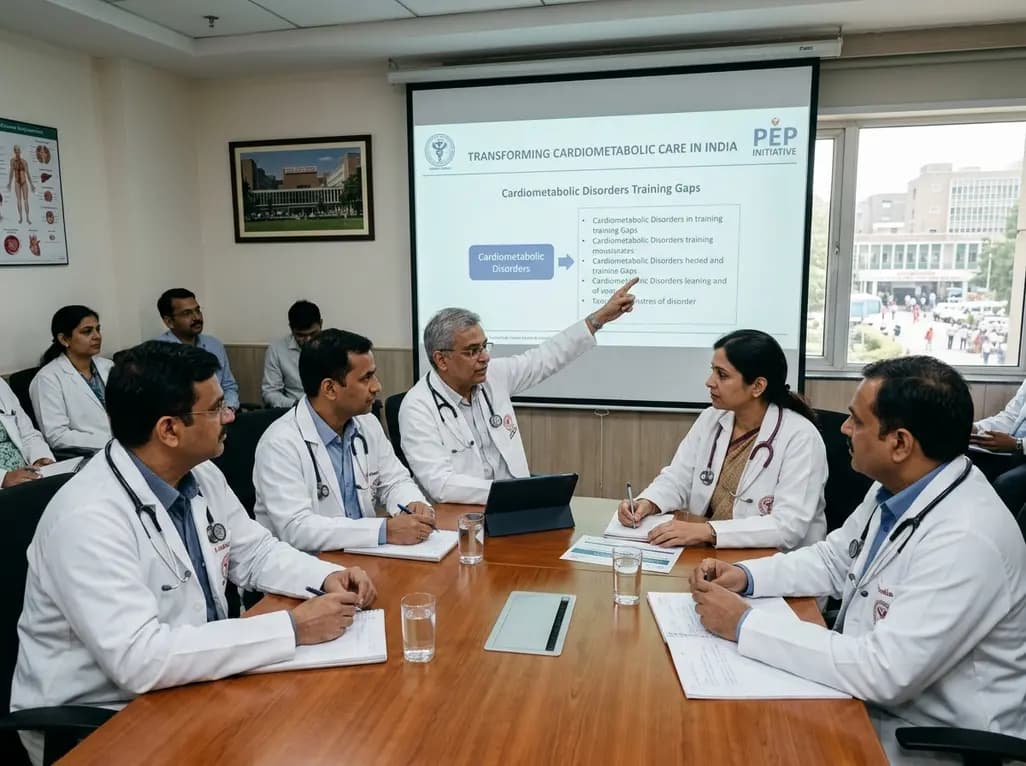
Non-communicable conditions represent an urgent challenge for modern medicine in India. Consequently, the All India Institute of Medical Sciences (AIIMS), New Delhi, is spearheading a transformative initiative to advance cardiometabolic disease education across the nation. Through its Centre of Excellence for the Education of Health Professionals, led by Prof. Nikhil Tandon and Prof. Ambuj Roy, AIIMS recently convened key stakeholders under the Partnership for Education of Health Professionals (PEP) programme. This national consultative workshop unites clinical educators, policymakers, and public health leaders to rethink how Indian clinicians learn and manage chronic metabolic ailments.
India currently encounters a staggering rise in non-communicable disorders. Data from landmark national investigations, including the comprehensive ICMR-INDIAB study, indicate that over one hundred million citizens live with diabetes mellitus. Furthermore, an even larger cohort experiences prediabetes, hypertension, and systemic dyslipidemia. These intertwined chronic ailments significantly elevate long-term risks of premature atherosclerotic cardiovascular disease, heart failure, and chronic kidney dysfunction.
Unfortunately, standard clinical treatment often begins too late in the disease trajectory. In addition, rural communities and lower-tier urban centers face severe shortages of trained professionals. Primary care practitioners frequently manage complex multi-organ conditions without sufficient multidisciplinary training. Therefore, closing knowledge gaps among primary physicians represents an indispensable clinical priority. Medical educators must urgently equip healthcare providers with robust diagnostic skills, practical behavioral counseling strategies, and evidence-based pharmacotherapeutic knowledge.
Undergraduate and postgraduate medical curricula have historically taught cardiovascular and metabolic conditions as discrete pathology entities. However, contemporary pathophysiological understanding demonstrates that obesity, insulin resistance, endothelial dysfunction, and vascular inflammation form an interrelated clinical spectrum. Consequently, cardiometabolic disease education must adapt to bridge traditional departmental silos. Clinicians require integrated competency modules that emphasize combined cardiovascular, endocrine, and renal risk mitigation.
Furthermore, frontline providers need standardized instruction regarding updated pharmacotherapy. Breakthrough cardiorenal-protective agents, including SGLT2 inhibitors and GLP-1 receptor agonists, require early, proactive utilization. Nevertheless, therapeutic inertia frequently delays treatment optimization in outpatient practice. Modern training programs must demystify combination therapies, promote aggressive target achievement, and highlight standardized screening algorithms. By reforming training programs, academic centers can empower practitioners to prevent irreversible vascular endpoints long before advanced complications manifest.
The AIIMS Centre of Excellence addresses systemic educational deficits through the high-impact PEP initiative. Crucially, the national stakeholder workshop brought together Advisory Committee members, clinical subject-matter experts, and state non-communicable disease (NCD) nodal officers. Furthermore, active participation from the Indian Council of Medical Research (ICMR) and the National Health Systems Resource Centre (NHSRC) underscored strong regulatory commitment.
During the consultative sessions, delegates reviewed findings gathered throughout the project formative phase. Additionally, leaders explored implementation priorities and documented structural challenges encountered in diverse regional settings. This coordinated, cross-sectoral engagement ensures that academic interventions directly align with public health programs, including the National Programme for Prevention and Control of Non-Communicable Diseases (NP-NCD). Hence, the initiative translates epidemiological evidence into operational educational frameworks that serve peripheral health facilities effectively.
Strengthening medical competence requires a dual approach that targets both future and existing practitioners. Therefore, the PEP consultative workshop examined improvements in both pre-service curricula and continuing in-service professional education. In pre-service medical training, academic faculty must integrate hands-on ambulatory clinical care, risk stratification tools, and lifestyle intervention protocols.
Simultaneously, in-service health workers require accessible, evidence-informed continuing professional development. Frontline medical officers and nursing professionals operate under severe time constraints. Consequently, educational modules must utilize flexible digital platforms, interactive case reviews, and validated clinical algorithms. Such continuous educational support boosts practitioner confidence, reduces clinical variance, and reinforces national standard treatment workflows across primary and secondary healthcare levels.
Successful educational delivery demands pragmatic implementation strategies across district health systems. Thus, workshop participants prioritized team-based care models where medical officers, nursing personnel, community health officers, and nutritionists collaborate closely. Task-sharing frameworks enable primary centers to screen populations, monitor medication adherence, and provide sustained lifestyle coaching efficiently.
Moreover, robust digital health platforms and telemedicine networks offer powerful channels for expert mentorship. District hospital specialists can readily guide rural clinicians through complex clinical scenarios. Standardizing primary-level clinical practice will dramatically reduce avoidable hospitalizations for acute myocardial infarction, diabetic ketoacidosis, and malignant hypertension. Ultimately, sustained multi-stakeholder investment in clinical capacity building forms the cornerstone of a resilient national healthcare ecosystem.
Q1: What is the primary focus of the AIIMS PEP initiative?
The PEP initiative, led by the AIIMS Centre of Excellence, focuses on enhancing healthcare professional education for cardiometabolic disorders. By bringing together academic faculty, state nodal officers, and research leaders, the program creates evidence-based training modules. These standardized resources upgrade pre-service and in-service clinical skills across Indian health settings.
Q2: Why must cardiometabolic conditions be addressed through integrated training?
Cardiometabolic disorders share interconnected pathological mechanisms, including insulin resistance, chronic systemic inflammation, and vascular damage. Teaching these conditions in isolation leads to fragmented patient management. Integrated educational programs train clinicians to evaluate global cardiorenal risk, deploy modern protective therapies promptly, and deliver coordinated lifestyle interventions.
Q3: How do national organizations like ICMR and NHSRC support this educational overhaul?
ICMR and NHSRC provide critical epidemiological research, implementation infrastructure, and policy oversight. Their active involvement aligns educational programs with national health priorities and public health delivery systems. Consequently, clinical guidelines and educational tools can reach peripheral health centers and community clinics with optimal regulatory support.
Disclaimer: This content is for informational and educational purposes only. It does not constitute medical advice or replace professional judgment. Refer to the latest local and national guidelines for clinical practice.
References

Read summarized clinical updates, watch expert medical content, and earn CME certifications right from your smartphone.
Open your smartphone camera to scan and install.





The All India Institute of Medical Sciences has convened national health experts, policymakers, and state nodal officers to transform medical training for cardiometabolic disorders. This collaborative effort under the PEP initiative addresses training gaps to elevate chronic disease care across Indian healthcare.
Today
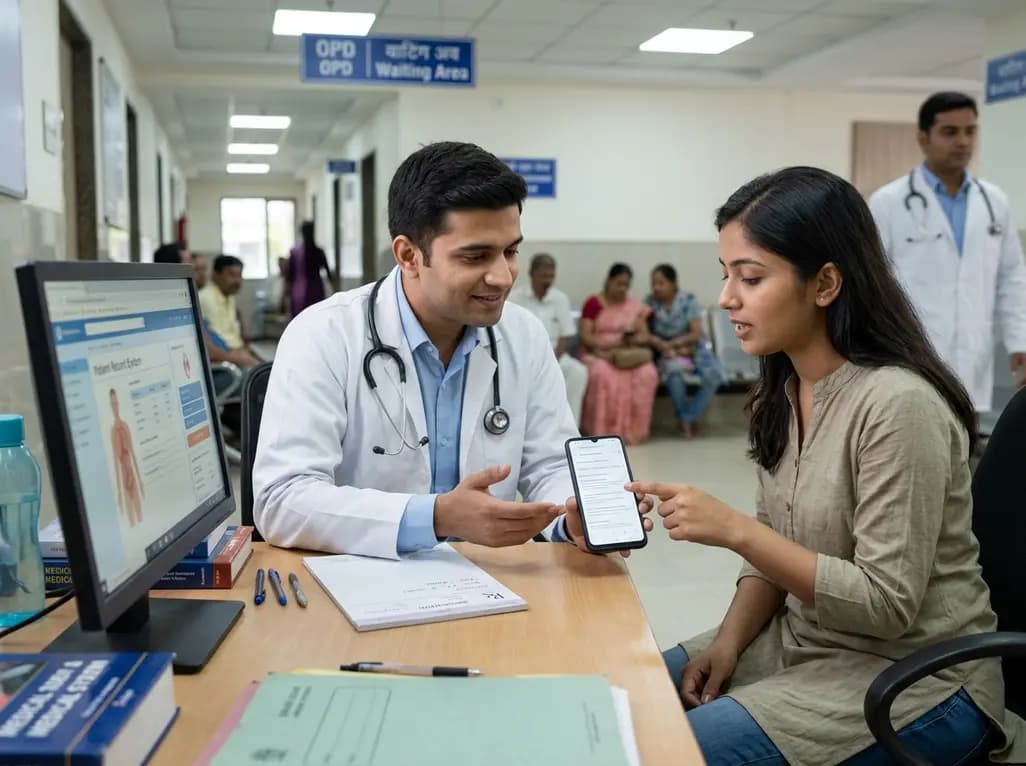
A recent qualitative study examines how college students seek digital sexual health information under persistent uncertainty. Discover the concept of functional trust, the clinical hazards of search abandonment, and evidence-based approaches clinicians can adopt to guide youth toward verified reproductive healthcare.
Today
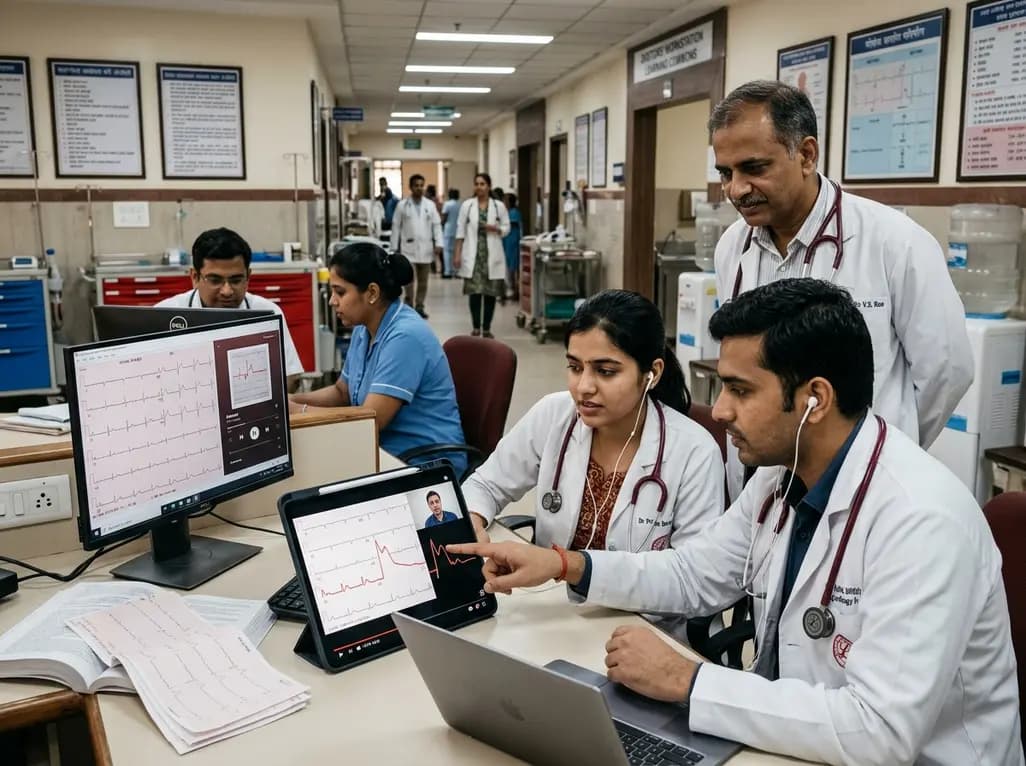
A randomized controlled trial demonstrates that curated FOAMed videos and podcasts produce superior gains in high-risk ECG interpretation and acute coronary syndrome clinical decision-making compared with print-based materials among interprofessional emergency care teams.
Today
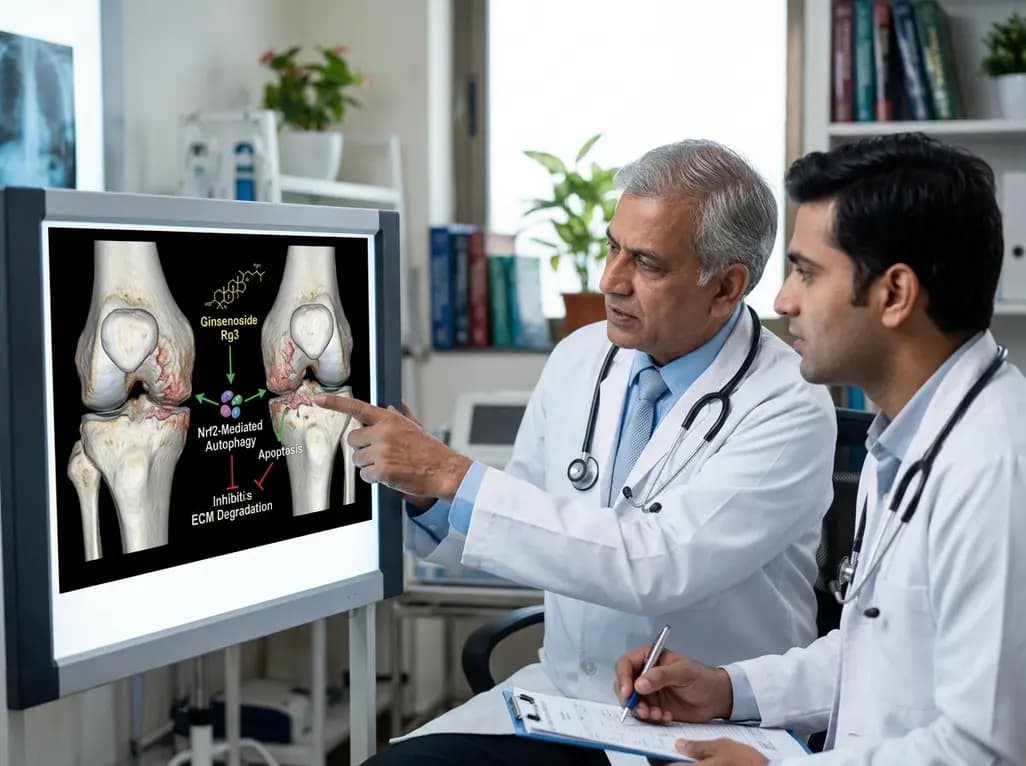
A study reveals that Ginsenoside Rg3 attenuates osteoarthritis progression by modulating the Nrf2-mediated autophagy pathway, reducing chondrocyte apoptosis, and curbing extracellular matrix degradation, offering promising chondroprotective potential.
Today
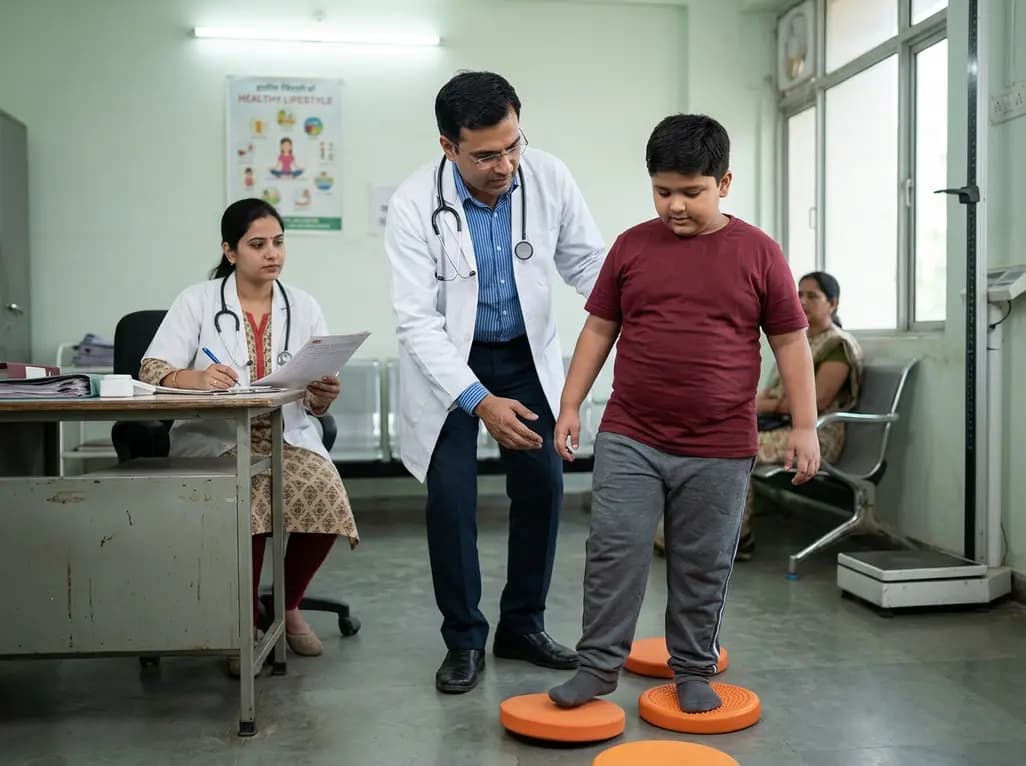
A cross-sectional study demonstrates that lower pediatric motor competence strongly correlates with adverse metabolic syndrome markers, including central adiposity, elevated triglycerides, and low HDL cholesterol, emphasizing early neuromuscular interventions in youth with overweight and obesity.
Today
