

Loading, please wait...
Loading, please wait...
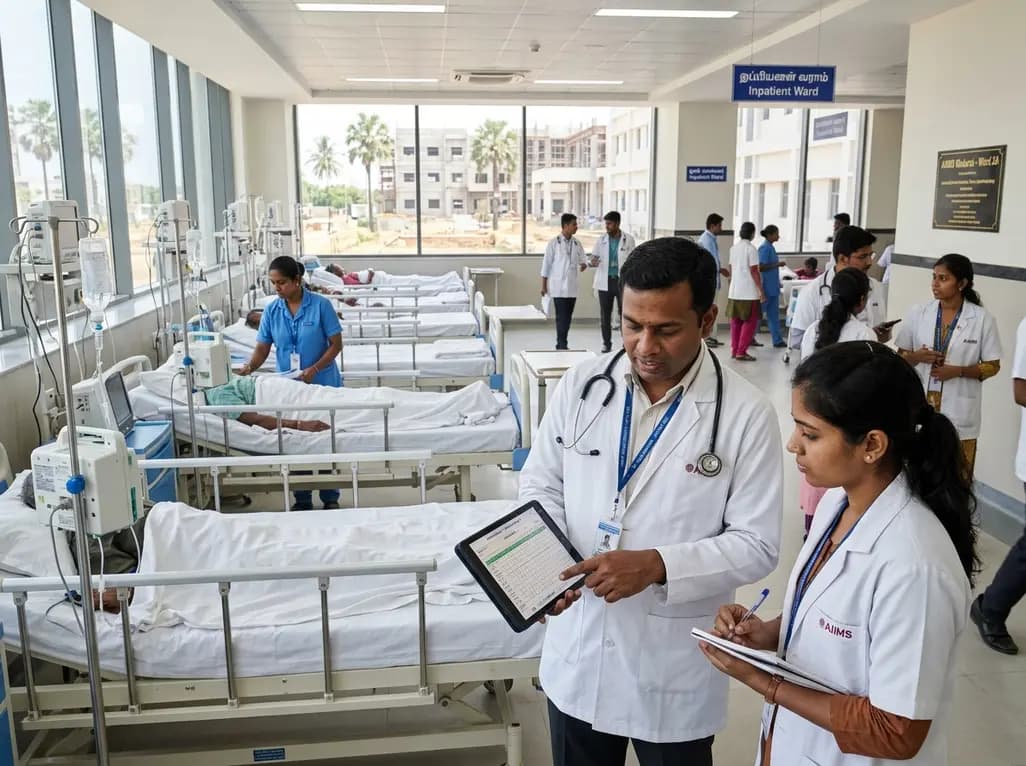
The long-awaited expansion of apex healthcare infrastructure in southern Tamil Nadu has reached a pivotal milestone. AIADMK Rajya Sabha MP IS Inbadurai confirmed that AIIMS Madurai services will commence clinical operations with 150 inpatient beds starting in January 2027. This key development follows extensive high-level consultations with institute director Dr. Vir Singh Negi at the permanent Thoppur campus. Furthermore, the announcement aligns with the Central government's formal undertaking before the Madras High Court regarding comprehensive outpatient commencement. Consequently, healthcare stakeholders, medical educators, and clinicians across the region view this timeline as a vital breakthrough. By establishing dedicated inpatient capacity alongside outpatient departments, the institute aims to bridge significant tertiary care deficits across south Indian districts. In addition, this progressive transition strengthens ongoing undergraduate medical education by providing indispensable bedside clinical exposures.
The formal roadmap for the establishment of AIIMS Madurai services reflects a coordinated phase-wise activation model. On September 17, the Union government informed the Madras High Court that full-fledged outpatient departments would open on January 1, 2027. However, that court submission left ambiguous details regarding inpatient bed operationalization. Therefore, the recent confirmation of a 150-bed inpatient rollout provides much-needed clinical clarity to medical professionals and the public. Institute leadership revealed that overall project completion will reach approximately 59 percent by late 2026. Moreover, contractors have already executed nearly 88 percent of Phase I civil works. In contrast, Phase II structural interventions have achieved approximately 35 percent progress across auxiliary facilities. Project managers maintain aggressive timelines to commission critical patient care blocks ahead of the 2027 deadline. Consequently, technical teams are executing round-the-clock mechanical, electrical, and specialized plumbing installations. Furthermore, administrative leaders are actively drafting faculty recruitment protocols to staff these preliminary clinical units. By coordinating facility handover with specialist onboarding, the institute ensures immediate clinical readiness upon opening. Thus, the projected January 2027 rollout represents a feasible, highly anticipated, and strategically sound operational milestone.
A 150-bed initial setup provides a solid foundation for tertiary clinical operations at the permanent Thoppur facility. Initially, these beds will support core clinical specialties including general medicine, general surgery, pediatrics, orthopedics, and obstetrics. Additionally, the institute will integrate essential intensive care units and high-dependency beds to handle critical acute referrals. Modern diagnostic suites, advanced pathology laboratories, and digital imaging modules will support clinical workflows from day one. Consequently, attending physicians can deliver evidence-based interventions without external diagnostic dependencies. Furthermore, the clinical governance model emphasizes digital healthcare architecture, incorporating automated electronic medical records and tele-consultation suites. Such technical integration streamlines patient triaging across heavily burdened outpatient and inpatient units. Meanwhile, operating theater complexes are receiving specialized modular fixtures to minimize nosocomial infection risks. In addition, the central sterile supply department and institutional blood center will become fully operational during this opening phase. Hospital administrators are also establishing rigorous biosafety protocols, medical gas pipelines, and redundant emergency life-support systems. Therefore, this initial inpatient footprint will offer comprehensive care while contractors continue long-term hospital expansion toward 900 total beds.
Medical education forms the pedagogical backbone of the institute, driving clinical service delivery and academic excellence. Notably, five consecutive batches of undergraduate MBBS students previously trained off-site at Ramanathapuram Government Medical College. However, institutional administrators successfully relocated all five student cohorts to the permanent Thoppur campus on August 31. Therefore, undergraduate scholars now pursue academic instruction within purpose-built lecture theatres, pre-clinical anatomy dissection halls, and simulation laboratories. Moreover, the presence of these student batches at the permanent facility accelerates the need for immediate clinical training grounds. Junior doctors and medical students require robust inpatient beds and active outpatient clinics for bedside learning. Consequently, launching 150 inpatient beds directly fulfills essential regulatory standards mandated by the National Medical Commission. Furthermore, faculty members can now conduct bedside clinical examinations, case presentations, and emergency procedural workshops on site. Medical educators emphasize that treating real clinical presentations enriches the diagnostic acumen of young physicians. In addition, residential hostels, central library facilities, and faculty housing blocks at Thoppur have achieved operational functionality. Thus, integrating academic curricula with nascent hospital services fosters an immersive clinical learning environment.
Southern districts of Tamil Nadu have historically grappled with substantial tertiary healthcare resource constraints. For decades, Government Rajaji Hospital in Madurai carried an overwhelming patient load from neighboring rural districts. Consequently, tertiary specialty wards and critical care units frequently operated beyond designated bed capacity. The phased launch of AIIMS Madurai will substantially mitigate these regional referral bottlenecks. Furthermore, disadvantaged patient populations from Dindigul, Theni, Virudhunagar, and Sivaganga will gain affordable access to advanced tertiary interventions. Primary care physicians across rural clinics will be able to transfer complex medical cases through coordinated institutional referral networks. In addition, the facility will dramatically reduce the necessity for families to travel to Chennai or Coimbatore for specialized care. High-volume clinical specialties will gradually establish dedicated screening clinics for non-communicable diseases, cardiovascular disorders, and oncology. Moreover, public health specialists anticipate improved epidemiological tracking for regional endemic diseases through the institute's research infrastructure. Local medical associations have welcomed the news, noting that inter-institutional collaborations will elevate regional healthcare delivery standards. Therefore, the hospital will serve as an essential socioeconomic anchor and life-saving clinical asset for the entire southern zone.
The financial and structural planning behind AIIMS Madurai represents an ambitious international development collaboration. Although Prime Minister Narendra Modi laid the initial foundation stone in January 2019, actual ground construction began in May 2024. This delay stemmed largely from complex multilateral negotiations and rigorous technical feasibility assessments. Notably, the project relies extensively on an official development assistance loan from the Japan International Cooperation Agency. This bilateral funding mechanism covers over 80 percent of total project expenditures, ensuring sustained capital availability throughout development. Furthermore, the master design envisions an ultimate facility spanning 222 acres with a total capacity of approximately 900 beds. In subsequent stages, the institution will introduce dedicated super-specialty blocks, including comprehensive oncology, cardiology, neurology, and organ transplantation units. Additionally, a dedicated infectious disease hospital block will bolster regional bio-surveillance and pandemic preparedness capabilities. Structural engineers have designed the entire campus using green building principles, earthquake-resistant engineering, and energy-efficient climate control systems. Meanwhile, project oversight committees conduct regular performance reviews to prevent further construction bottlenecks. As financial allocations continue smoothly, stakeholders expect timely progression into later clinical expansion phases.
Q1: What clinical facilities will be operational at AIIMS Madurai in January 2027?
In January 2027, the institute will unveil full-fledged outpatient department services alongside an initial 150-bed inpatient capacity. These facilities will accommodate foundational clinical specialties, including internal medicine, surgery, pediatrics, and emergency care. Furthermore, essential diagnostic laboratories, radiological imaging suites, and intensive care beds will operate simultaneously. This rollout ensures immediate patient management while ongoing construction finishes the remaining hospital wings.
Q2: Where are the AIIMS Madurai MBBS students currently completing their academic training?
All five batches of undergraduate MBBS students are now permanently studying at the Thoppur campus. Previously, students attended classes under temporary arrangements at the Ramanathapuram Government Medical College. However, the administration completed the full relocation of all student batches to Thoppur on August 31. Consequently, students utilize on-campus lecture halls, diagnostic simulation facilities, and modern hostel blocks as they prepare for hospital clinical rotations.
Q3: How is the construction and development of AIIMS Madurai funded?
The establishment of AIIMS Madurai is primarily funded through a major bilateral loan from the Japan International Cooperation Agency. This concessional development loan covers roughly 82 percent of the overall capital outlay. In addition, the Central government provides direct budgetary allocations to support infrastructure and equipment procurement. This structured financial framework guarantees consistent resource deployment throughout both Phase I and Phase II construction milestones.
Disclaimer: This content is for informational and educational purposes only. It does not constitute medical advice or replace professional judgment. Refer to the latest local and national guidelines for clinical practice.
References

Read summarized clinical updates, watch expert medical content, and earn CME certifications right from your smartphone.
Open your smartphone camera to scan and install.





Healthcare delivery in southern Tamil Nadu marks a major milestone as AIIMS Madurai prepares to activate 150 inpatient beds and comprehensive outpatient services at its permanent Thoppur campus. With MBBS students already relocated, the facility strengthens clinical training while relieving regional hospital burdens.
Today
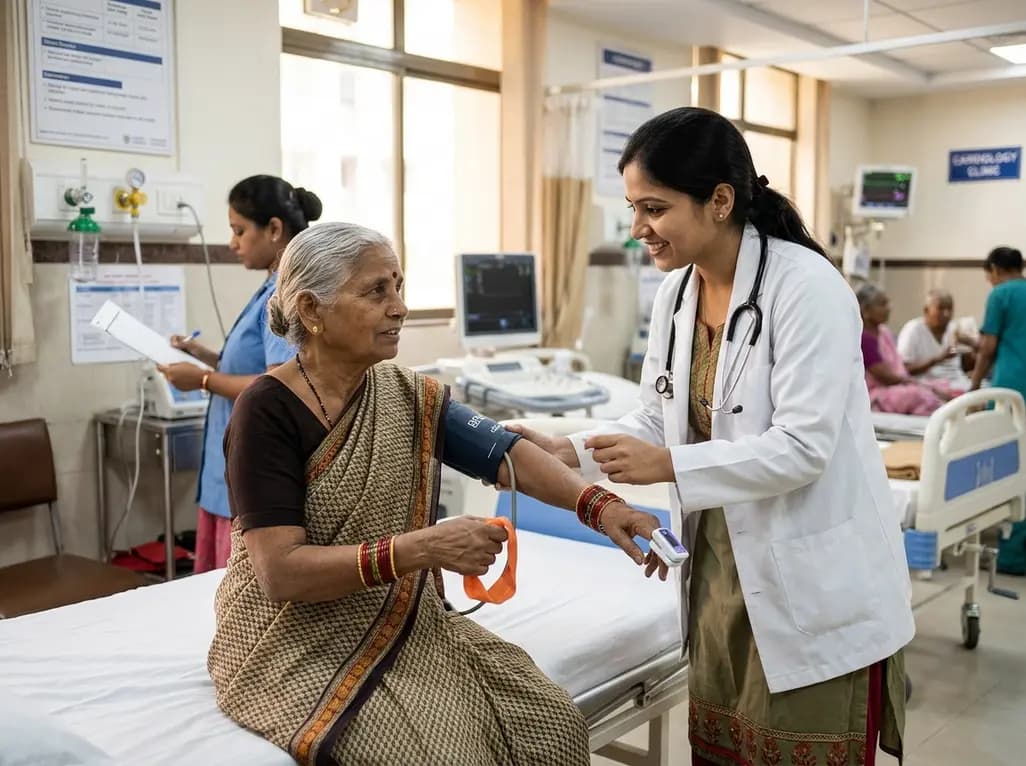
Review how tailored exercise programs benefit frail older patients with heart failure. Explore pathophysiological mechanisms, individualized training prescriptions, and strategies to overcome adherence barriers in clinical practice.
Today
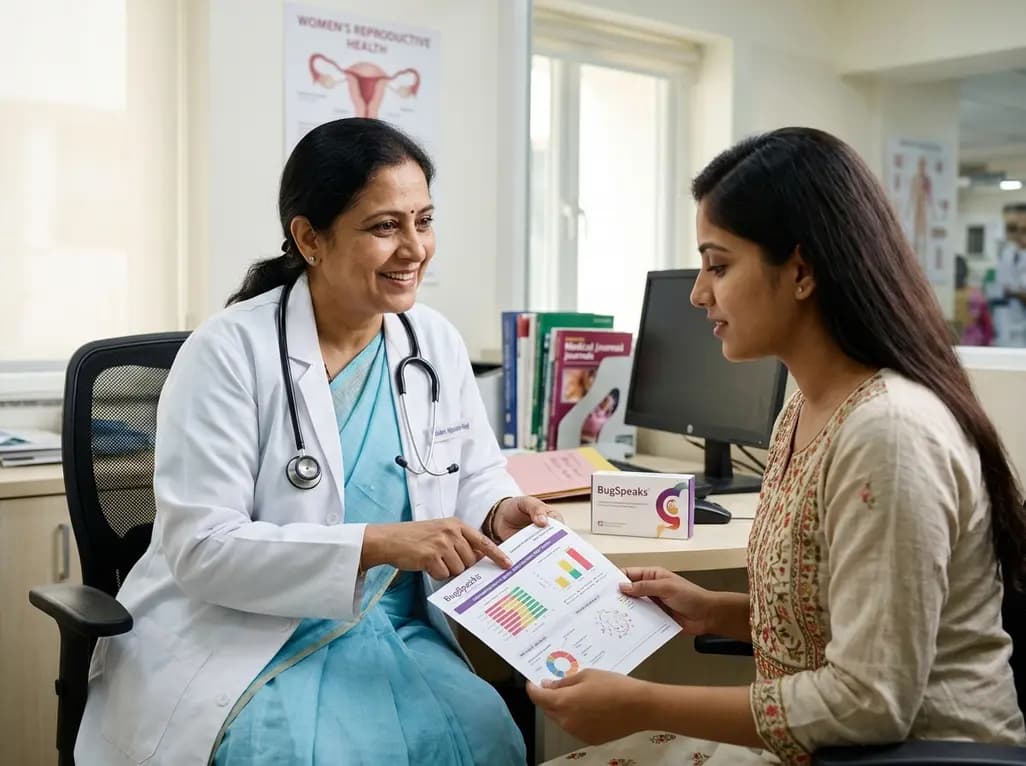
Leucine Rich Bio has introduced South Asia's first comprehensive vaginal microbiome test, BugSpeaks. By profiling microbial dysbiosis, pathogens, and antimicrobial resistance, this next-generation diagnostic platform provides clinicians with deeper insights into recurrent infections, fertility, and reproductive health.
Today
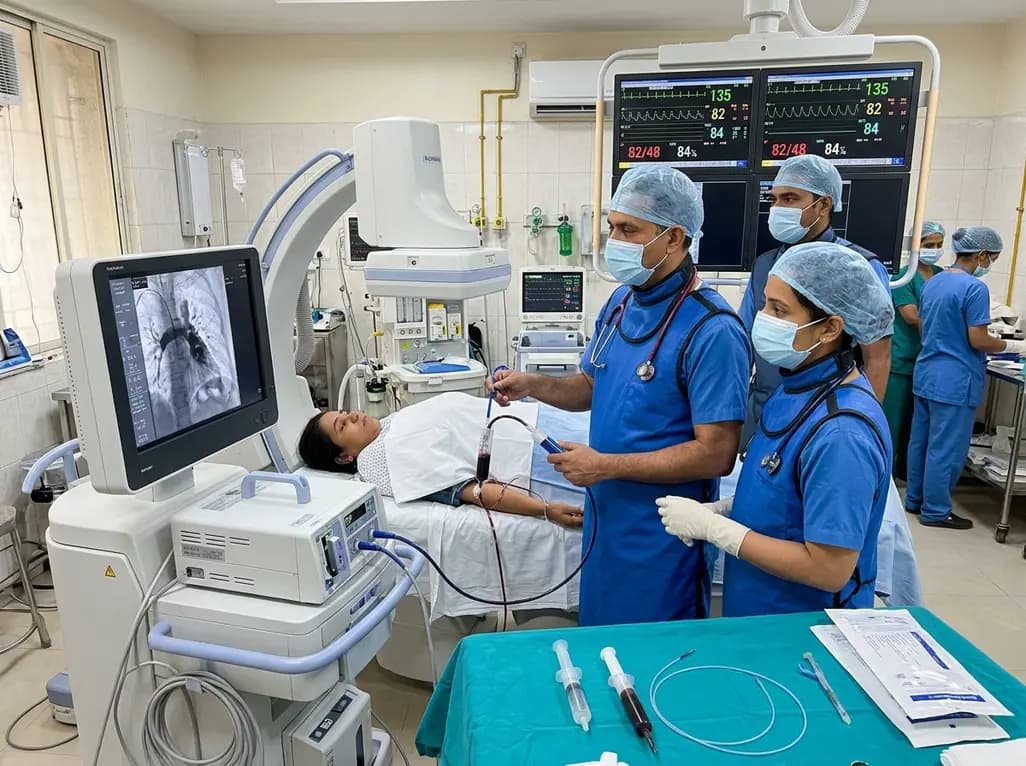
In high-risk pulmonary embolism complicated by severe anemia and active uterine bleeding, systemic thrombolysis is contraindicated. Large-bore aspiration thrombectomy provides rapid hemodynamic rescue without fibrinolysis, supported by inferior vena cava filter placement and multidisciplinary critical care.
Today
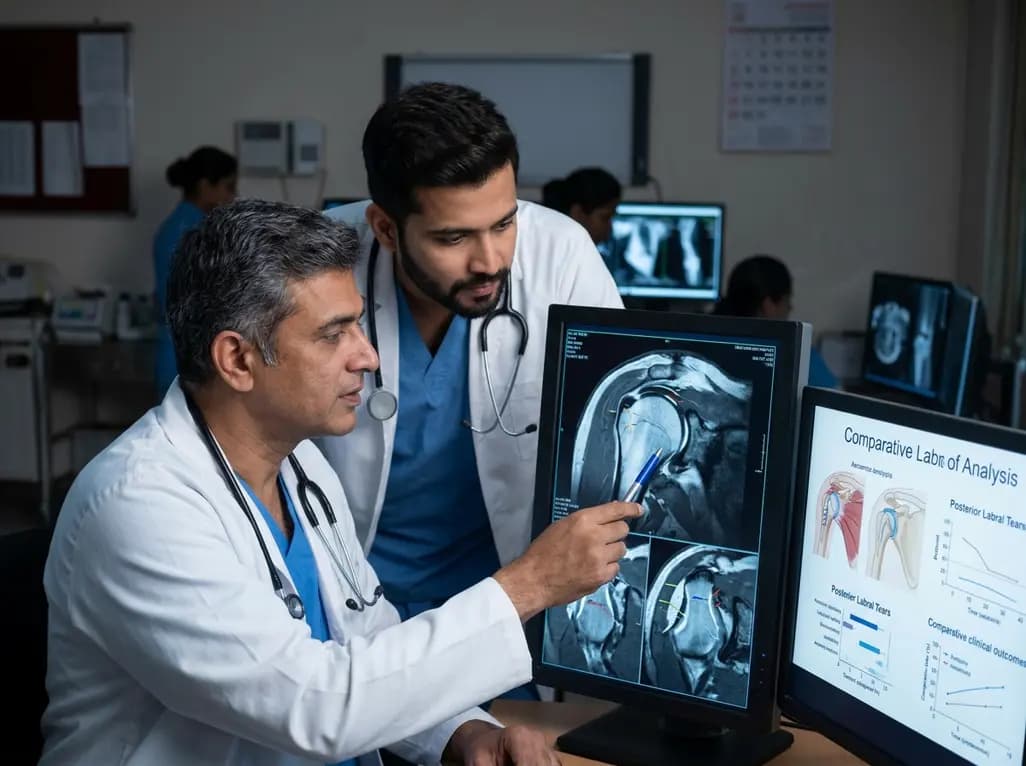
This comparative study evaluates posterior labral tears with and without glenohumeral instability, highlighting distinct demographic patterns, MRI underestimation in stable shoulders, and successful arthroscopic repair outcomes.
Today
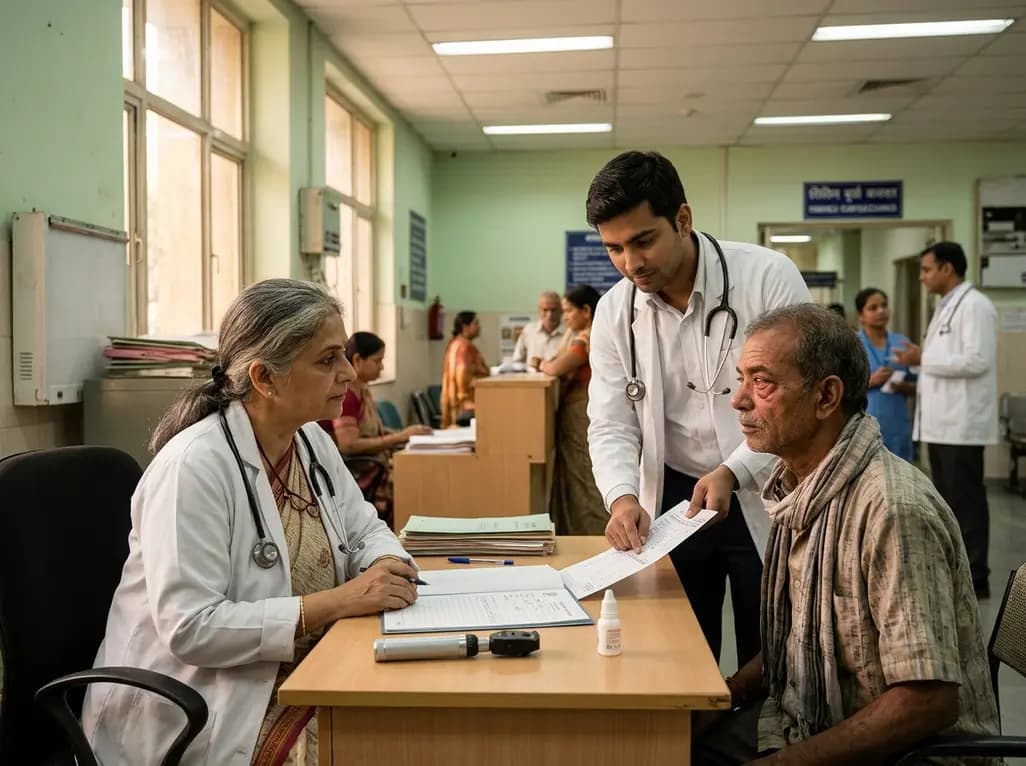
A clinical study demonstrates that early intervention with tocilizumab, either as monotherapy or bridged with corticosteroids, achieves significant proptosis reduction and resolves active inflammation in treatment-naive thyroid eye disease.
Today
