.webp&w=384&q=75)

Loading, please wait...
Loading, please wait...
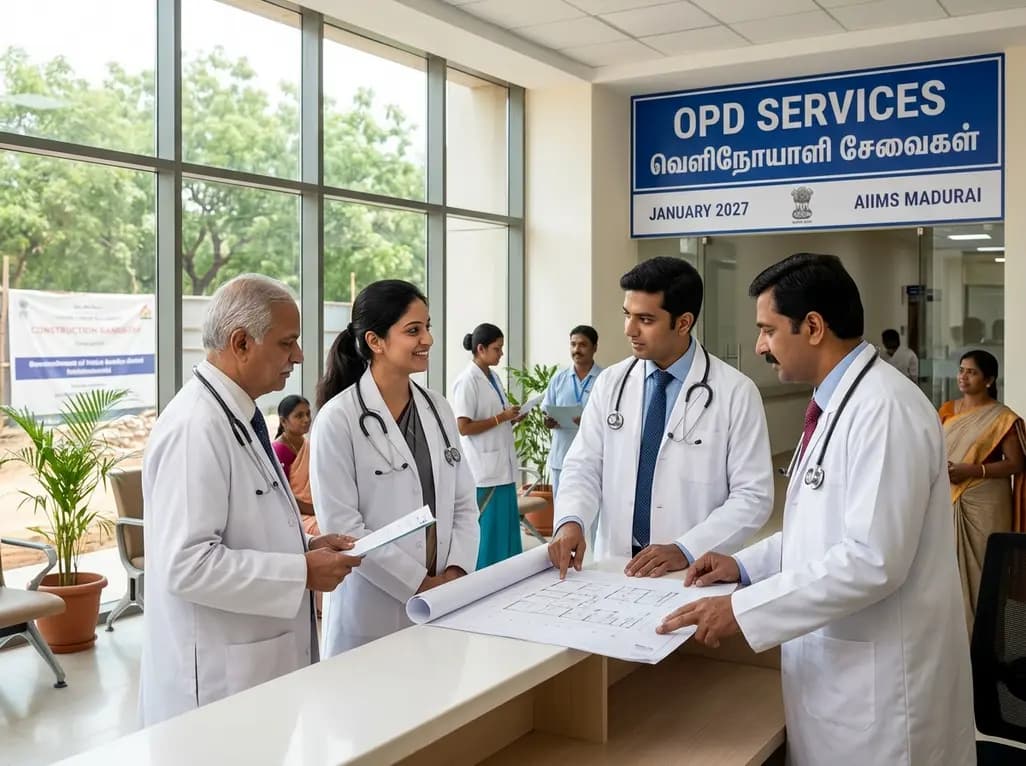
The Union Health Ministry has officially informed the Madras High Court that clinical consultations under the AIIMS Madurai OPD services framework will commence on January 1, 2027. This announcement brings immense clarity to clinicians and patients across southern Tamil Nadu. Furthermore, it marks a decisive milestone for this flagship tertiary healthcare project. Therefore, medical professionals can now anticipate structured clinical services and robust academic expansion at the permanent Thoppur campus.
A judicial division bench comprising Chief Justice Sushrut Arvind Dharmadhikari and Justice C. V. Karthikeyan reviewed a public interest litigation. Specifically, petitioner K. Pushpavanam highlighted significant administrative delays that impeded development at the Thoppur site. The petitioner noted that the Union Government sanctioned AIIMS Madurai and AIIMS Bibinagar concurrently in 2018. However, peer institutions in Bibinagar, Guwahati, Rajkot, and Samba established operational clinics and academic sessions much faster. In response, central government counsel presented an official communication confirming active preparations. The central authority affirmed that comprehensive outpatient consultations will commence on January 1, 2027. Consequently, the High Court bench recorded these formal assurances and closed the litigation. Officials explained that civil development is advancing rapidly across the two hundred and twenty acre site. For instance, workers have already finished over eighty-eight percent of Phase One civil contracts. In addition, secondary construction packages are progressing steadily toward scheduled operational milestones. Furthermore, this judicial closure reassures healthcare stakeholders that administrative hurdles are dissolving systematically. Thus, institutional leadership maintains direct accountability to national standards. As a result, clinicians and judicial authorities now hold a reliable roadmap for commissioning regional tertiary patient care.
Undergraduate medical education represents a foundational pillar of this national institute. Historically, five consecutive MBBS batches from 2021 through 2025 studied at a temporary campus within Government Ramanathapuram Medical College. However, administrators executed a major operational shift on August 31 by relocating all five student cohorts to Thoppur. Currently, these students reside in newly constructed hostel blocks situated directly on the permanent AIIMS campus. Meanwhile, students attend ongoing didactic lectures and specialized clinical training rotations at Government Rajaji Hospital in Madurai. This dual arrangement ensures academic continuity without compromising vital hands-on bedside learning. Moreover, residential relocation allows students to familiarize themselves with institutional infrastructure prior to hospital commissioning. Faculty members also benefit from consolidated departmental offices and modern learning environments. Consequently, clinical educators can deliver standardized modular curricula and advanced procedural simulations more effectively. Therefore, the campus transition demonstrates measurable physical progress on the ground. In addition, hosting undergraduate scholars on site fosters a dynamic academic culture before clinical outpatient services begin. Furthermore, local healthcare networks gain substantial clinical support as faculty and trainees collaborate across regional teaching hospitals. In summary, administrators have successfully overcome significant logistical challenges to house the future clinical workforce.
The impending rollout of AIIMS Madurai OPD services will significantly expand diagnostic and consultative bandwidth for southern Tamil Nadu. Initially, multidisciplinary outpatient clinics will deliver advanced consultations in internal medicine, general surgery, pediatrics, and obstetrics. Furthermore, specialized units will address growing burdens of cardiology, medical oncology, nephrology, and neurology disorders across regional populations. Notably, tertiary institutions must establish streamlined triage pathways to prevent clinical bottlenecks during initial rollout phases. As a result, healthcare administrators are implementing digital health records and automated scheduling protocols to optimize patient workflows. In addition, comprehensive laboratory facilities and advanced cross-sectional radiology suites will support clinical consultations directly on site. Consequently, regional practitioners can refer complex chronic pathologies without directing patients toward overcrowded metropolitan centers. Therefore, early disease detection will improve significantly across underserved semi-urban and rural demographics. However, smooth outpatient execution requires rigorous recruitment of seasoned specialists, nursing supervisors, and allied health staff. Ministry planners are actively sanctioning essential clinical posts to meet high operational standards. Thus, the emerging outpatient framework promises to elevate local healthcare benchmarks through structured, evidence-based specialty care. Moreover, ambulatory preventive clinics will offer dedicated screenings for hypertension, metabolic syndromes, and chronic kidney disease.
The central government established the Pradhan Mantri Swasthya Suraksha Yojana to rectify severe regional disparities in tertiary healthcare delivery. Under this nationwide mandate, modern AIIMS institutes decentralize specialized medical expertise, advanced research facilities, and medical education beyond traditional urban hubs. Historically, rural patients from southern Tamil Nadu traveled hundreds of kilometers to Chennai or Bengaluru for tertiary interventions. However, the operationalization of the Madurai institute fundamentally alters this referral pattern. In addition, the planned seven hundred and fifty bed facility provides specialized treatment capacity for complicated clinical cases. Furthermore, the institute includes dedicated isolated wards for emerging infectious diseases and high-containment intensive care units. Consequently, regional healthcare delivery systems will withstand public health crises and epidemic outbreaks far more resiliently. Meanwhile, neighboring primary health centers and district hospitals can leverage AIIMS faculty for complex case management and telemedicine tele-consultations. Therefore, the institution functions as both a clinical refuge and a regional supervisory hub. Moreover, government financial backing ensures subsidized consultations and affordable diagnostic evaluations for marginalized socioeconomic groups. Thus, the project actively embodies the fundamental constitutional right to accessible, equitable, and high-standard medical treatment for every citizen. In summary, PMSSY investments foster lasting healthcare equity across historically underserved geographies.
The integration of active outpatient services with medical education creates unparalleled training opportunities for doctors and allied professionals. First, medical students gain structured exposure to diverse disease presentations and ambulatory clinical decision-making. Furthermore, senior clinicians can mentor residents through hands-on patient interactions, diagnostic evaluation protocols, and multidisciplinary case conferences. In addition, the institute plans to establish a specialized nursing college and paramedic training modules on site. Consequently, multidisciplinary teams will train collaboratively, fostering effective interprofessional communication and patient safety cultures. Moreover, medical researchers can initiate rigorous epidemiological studies focusing on region-specific non-communicable diseases and vector-borne infections. Therefore, the hospital will generate valuable clinical data to guide regional preventative health policies. However, sustaining educational quality demands continuous technological integration, such as simulation laboratories and digital health libraries. In response, project authorities have allocated substantial budgetary resources toward world-class teaching tools and electronic clinical environments. Additionally, continuous medical education symposia will empower private practitioners and government medical officers throughout neighboring districts. As a result, future medical graduates will emerge well equipped to tackle contemporary clinical challenges across India. Thus, this transformative project elevates both local patient care and national clinical training standards.
Q1: When will full-fledged outpatient services officially commence at AIIMS Madurai?
The Central Government officially informed the Madras High Court that full-fledged outpatient department services will commence on January 1, 2027. Authorities are currently completing Phase One civil construction at Thoppur, installing diagnostic systems, and procuring medical equipment. Furthermore, administrative teams are actively recruiting faculty, resident doctors, and allied healthcare staff to ensure comprehensive ambulatory consultations operate seamlessly across multiple clinical specialties from opening day.
Q2: Where are AIIMS Madurai MBBS students currently accommodated and trained?
All five batches of MBBS students admitted between 2021 and 2025 were relocated to the permanent Thoppur campus on August 31. These students currently reside in newly completed on-site hostel buildings. However, because hospital commissioning remains ongoing, students attend daytime academic lectures and bedside clinical rotations at Government Rajaji Hospital in Madurai. Consequently, this collaborative arrangement maintains high educational standards and ensures hands-on patient exposure until institutional hospital facilities become operational.
Q3: How does the establishment of AIIMS Madurai benefit the regional healthcare ecosystem?
The establishment of AIIMS Madurai significantly enhances regional tertiary care by providing advanced super-specialty consultations and modern diagnostics directly to southern Tamil Nadu. Consequently, patients no longer need to travel extensive distances to capital cities for complex interventions. Moreover, the institute expands clinical research, trains future medical professionals, and supports peripheral primary health centers through telemedicine tele-consultations. Therefore, this public healthcare investment fosters long-term health equity across historically underserved communities.
Disclaimer: This content is for informational and educational purposes only. It does not constitute medical advice or replace professional judgment. Refer to the latest local and national guidelines for clinical practice.
References

Read summarized clinical updates, watch expert medical content, and earn CME certifications right from your smartphone.
Open your smartphone camera to scan and install.





The Union Government announced before the Madras High Court that full-fledged clinical outpatient consultations at AIIMS Madurai will officially start on January 1, 2027. This transition accelerates medical training, enhances regional tertiary infrastructure, and delivers high-level clinical care to southern Tamil Nadu.
Today
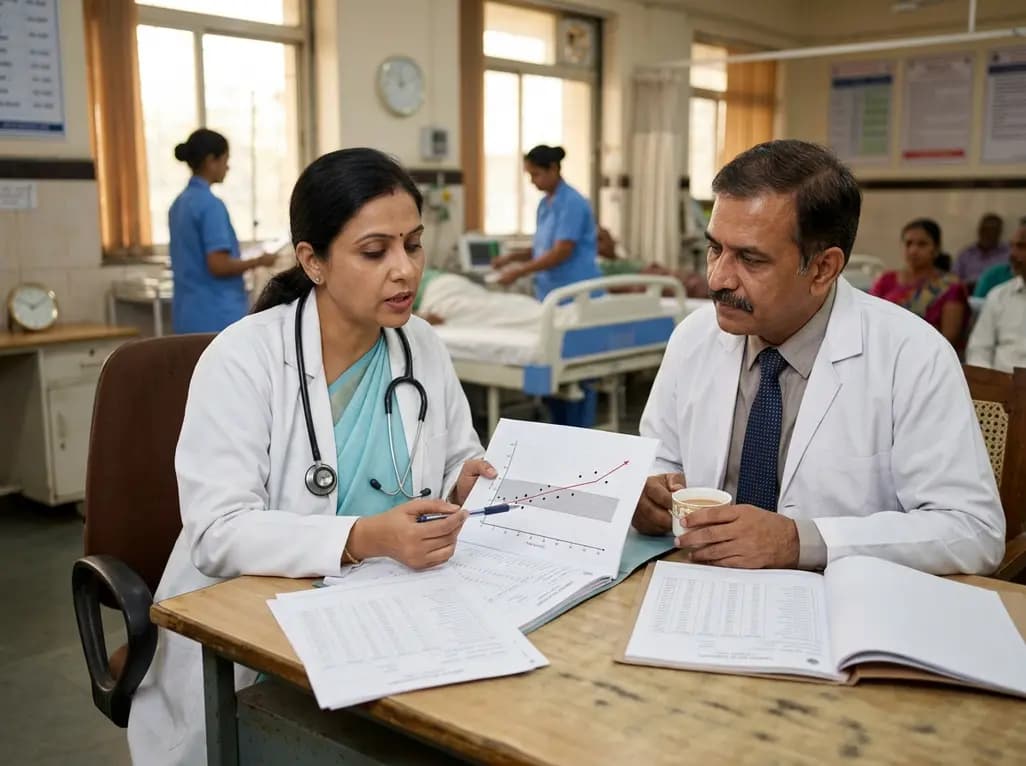
A large-scale study reveals that tracking longitudinal trends in routine blood tests, adjusted for age and sex, significantly improves early cancer detection in patients presenting with unexplained weight loss, outperforming traditional static laboratory reference cutoffs in primary care triage.
Today
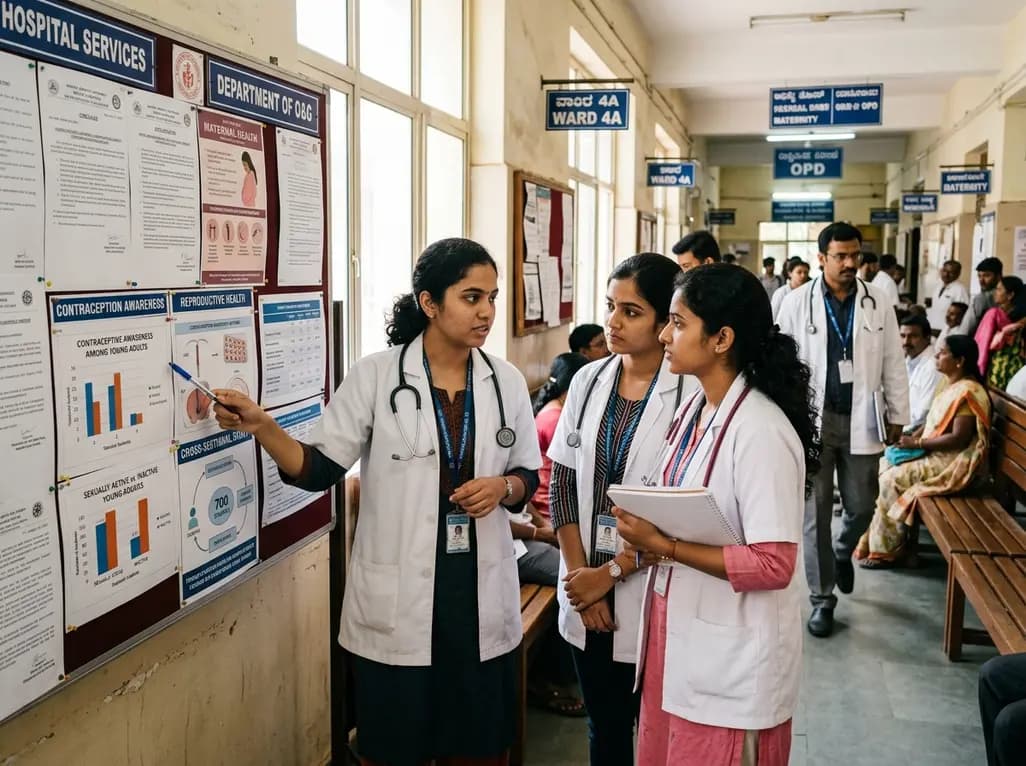
A cross-sectional study of 700 college students highlights significant contraceptive knowledge disparities between sexually active and inactive young adults. The findings demonstrate a critical need for proactive, comprehensive sexual health counseling before sexual debut.
Today
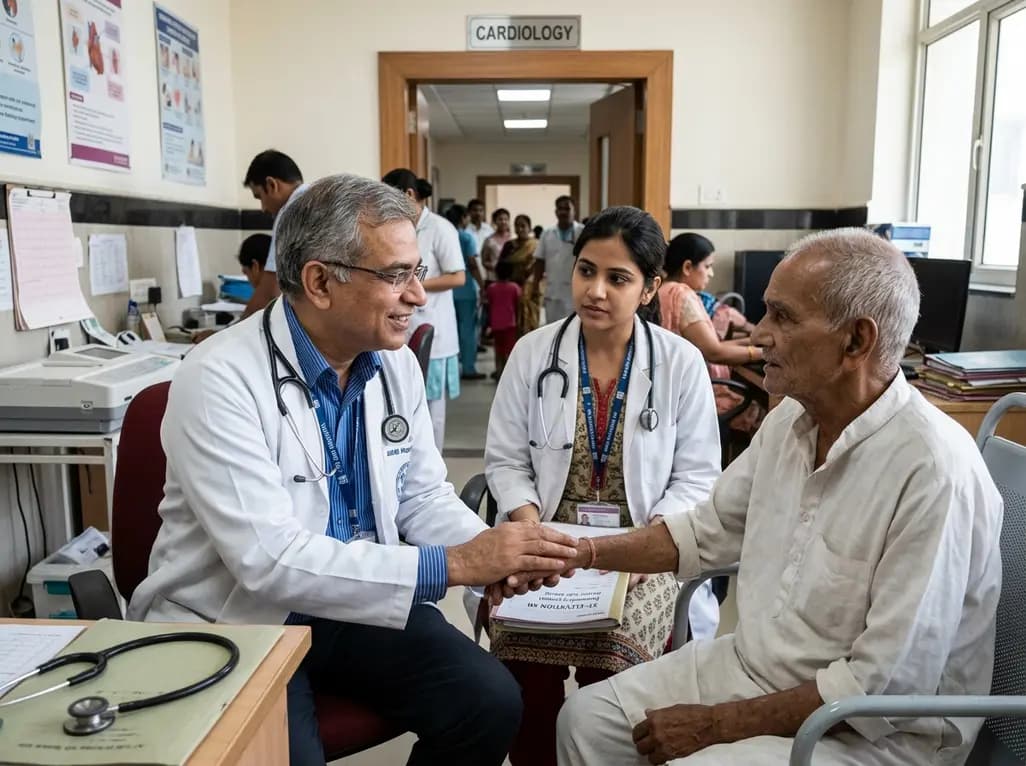
A landmark nationwide cohort study reveals that older adults with dementia who undergo cardiac catheterization for STEMI spend meaningful time alive at home, particularly community-dwelling individuals. Cognitive impairment alone should not preclude acute invasive revascularization.
Today

A 20-year Swiss registry analysis reveals that diagnosing axial spondyloarthritis within two years of symptom onset significantly lowers spinal structural damage over 10 to 15 years. Early detection protects against syndesmophyte formation, underscoring the critical need to shorten diagnostic delays.
Today
A randomized controlled trial demonstrates that theory-driven personalized mobile messaging reduces the risk of consecutive walking goal failures by 33 percent, highlighting the vital role of digital health tools in sustaining long-term exercise habits and chronic disease prevention.
Today
