

Loading, please wait...
Loading, please wait...
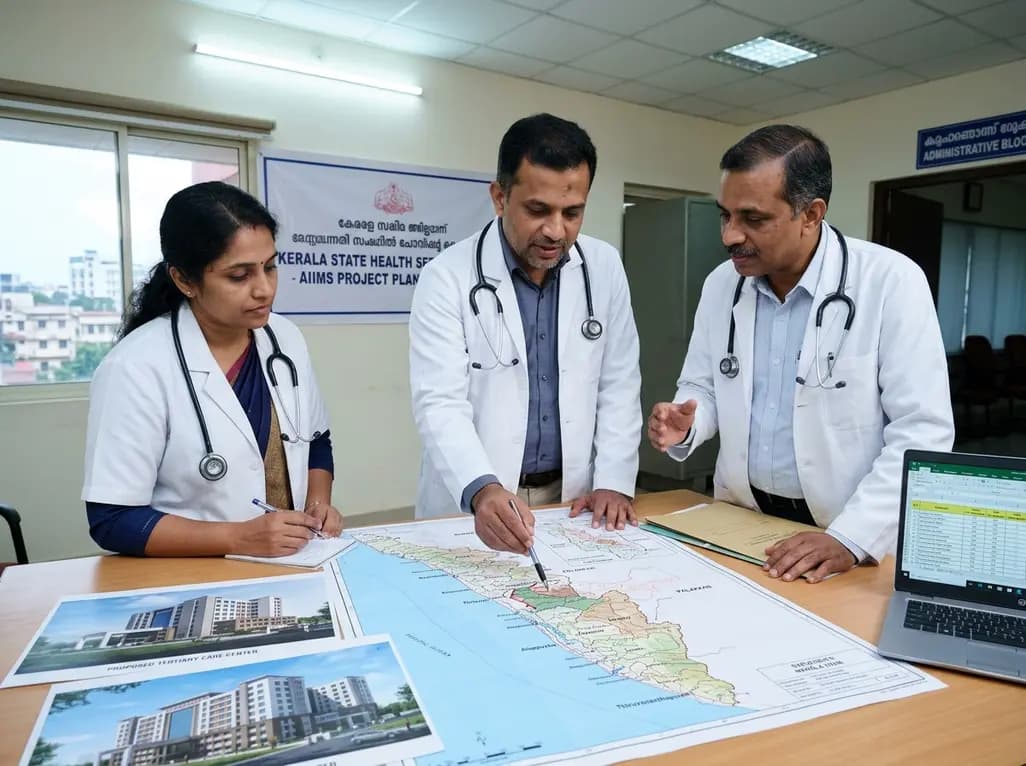
Establishing a prestigious AIIMS in Kerala represents a transformative leap for the regional public health ecosystem. Recently, state authorities accelerated high-level procedures to locate suitable land parcels capable of meeting stringent Central Government norms. The long-awaited initiative will deliver premier tertiary clinical care, cutting-edge biomedical research, and advanced postgraduate training. By submitting updated feasibility assessments to the Union Health Ministry, the state government aims to secure formal approvals promptly. Consequently, healthcare stakeholders across southern India anticipate significant improvements in patient referral pathways and regional medical pedagogy.
The Union Ministry of Health and Family Welfare enforces precise baseline specifications for setting up new apex institutes under the PMSSY framework. Most importantly, state authorities must provide at least two hundred acres of contiguous, unencumbered land free of cost. In addition to parcel size, central guidelines require robust physical connectivity to facilitate emergency transfers and medical logistics. Therefore, candidate locations must feature direct access to national highway corridors, broad-gauge railway stations, and commercial airports. Moreover, the host site requires reliable municipal infrastructure, including uninterrupted three-phase electricity and extensive water supply networks. Adequate ecological stability also plays a decisive role during site evaluations. Feasibility teams strictly evaluate local terrain characteristics to ensure seamless vertical and horizontal construction of massive hospital complexes. Furthermore, municipal authorities must guarantee that environmental clearances and civic drainage systems can support extensive biomedical operations. Establishing these essential civic services early prevents costly delays during subsequent phases of civil engineering. Consequently, state evaluators have closely audited civic topography, property rights, and transport grids before finalizing proposals. Additionally, local authorities must ensure that surrounding residential zones can accommodate extensive faculty housing, student hostels, and commercial support ecosystems. By aligning with these central standards, planners safeguard the long-term operational viability of the healthcare campus.
District administrations across Kerala have identified multiple candidate properties to satisfy central specifications. For example, revenue authorities in Kottayam district evaluated a sprawling 487-acre parcel owned by Kerala Paper Products Limited at Velloor. This expansive tract provides ample contiguous space for hospital blocks, academic colleges, and research facilities. Meanwhile, the Kasaragod district administration surveyed 274 acres managed by the Plantation Corporation in the Periya-Panayal corridor. This northern location could dramatically enhance tertiary healthcare accessibility for historically underserved rural populations. In Thrissur district, administrative teams proposed consolidating state-owned properties in Chalakudy taluk, including parcels from Koratty Government Hospital, Vaiga Threads, and the Government Press. Similarly, authorities in Thiruvananthapuram reviewed acreage near the Nettukaltheri open prison, which federal authorities previously considered favorable. However, previous land transfers to defense entities necessitate careful boundary verifications in that area. Furthermore, planners in Alappuzha are reviewing potential agricultural tracts at Purakkad and coastal plots in Pallippuram. Consequently, the state leadership is systematically weighing the logistical merits and developmental advantages of each regional contender. Each regional contender presents distinct strategic benefits for patient catchment and healthcare accessibility. Furthermore, district collectors continue to refine local feasibility dossiers to ensure every technical parameter aligns with central benchmarks.
The pursuit of an apex medical institute in the state spans more than a decade of administrative deliberation. In 2014, the Central Government requested state authorities to nominate prospective locations across southern and central districts. Consequently, state officials initially suggested four primary zones situated in Thiruvananthapuram, Kottayam, Ernakulam, and Kozhikode. By 2017, the state government prioritized land under the Kerala State Industrial Development Corporation at Kinaloor in Kozhikode district. Extensive social impact assessments and local public hearings subsequently demonstrated community readiness for healthcare-oriented land acquisition. In October 2024, the Union Health Ministry urged the Union Finance Ministry to grant crucial in-principle sanction. However, procedural transitions and updated administrative reviews in 2026 prompted state leadership to solicit renewed district-level reports. State health officials subsequently expanded their portfolio of viable choices to ten diverse locations. Therefore, continuous dialogue between state administrators and the Union Health Ministry remains vital for resolving site selection debates. Through persistent inter-governmental cooperation, both administrative tiers seek to expedite formal approvals and budget allocations without unnecessary delays. Moreover, legal reviews in the Kerala High Court have reinforced the necessity of prompt inter-ministerial decisions. Accordingly, state authorities are striving to fulfill every regulatory requirement to finalize the institutional allocation swiftly.
The eventual commissioning of an apex medical center will profoundly alter southern India's clinical referral patterns. Currently, government medical colleges shoulder enormous patient loads, often exceeding their intended clinical capacities. Therefore, adding a modern super-specialty hospital will significantly relieve pressure on existing district and tertiary healthcare facilities. In addition, an apex national institute introduces cutting-edge diagnostic technology, specialized surgical suites, and dedicated organ transplantation units. Such advanced resources will minimize the necessity for patients to seek unaffordable treatment at distant private conglomerates. Beyond patient care, the project will generate tremendous benefits for domestic medical education and academic research. The institute will offer undergraduate MBBS seats, postgraduate residency slots, and superspecialty doctoral fellowships. Furthermore, clinicians will obtain access to state-of-the-art laboratory facilities, fostering high-impact clinical trials and epidemiological studies. These expanded educational avenues will help retain exceptional medical talent within the state public healthcare sector. Consequently, the medical community strongly supports expediting the campus establishment to upgrade regional scientific standards and clinical care models. Additionally, allied health professionals, including nurses and diagnostic technicians, will benefit from structured national training programs. Ultimately, this comprehensive educational ecosystem will elevate care standards across primary, secondary, and tertiary health tiers.
Securing extensive, dispute-free land parcels in densely populated regions presents complex administrative challenges. Because private landholders and commercial entities often occupy candidate zones, authorities must execute humane and transparent resettlement plans. For instance, acquisition protocols require meticulous compliance with the Right to Fair Compensation and Transparency in Land Acquisition Act. In addition, planners must establish reliable ecological safeguards to prevent disruption to surrounding watersheds and agrarian ecosystems. Sustainable waste management and zero-discharge sewage systems must be designed into the foundational campus blue-prints. Furthermore, building massive hospital facilities requires substantial water reserves and dedicated multi-megawatt electrical substations. Municipal departments must therefore coordinate early to build high-capacity feeder lines and arterial road networks. State administrators are actively coordinating across revenue, public works, and power departments to synchronize these infrastructure investments. Consequently, providing fully equipped site packages reassures central inspection panels regarding project viability. By addressing these civil hurdles proactively, Kerala aims to secure final sanction and initiate construction expeditiously. Moreover, transparent stakeholder dialogues help alleviate local community concerns regarding civic displacement and environmental preservation. Therefore, active civic participation remains central to building sustainable medical infrastructure that serves future generations reliably.
Q1: Why is contiguous land essential for setting up an AIIMS?
Contiguous land parcels ensure uninterrupted spatial integration among multi-specialty inpatient wards, outpatient clinics, academic colleges, and research facilities. Furthermore, central guidelines mandate at least two hundred acres to accommodate future vertical expansions, faculty quarters, and student dormitories. When institutions secure unified tracts, civil planners can design efficient logistics, reduce internal transport friction, and implement centralized biomedical waste management systems effectively.
Q2: How does the new institute alter patient referral patterns in Kerala?
Existing state medical colleges frequently operate beyond their designed patient capacities. Consequently, the establishment of an apex healthcare institute will alleviate intense bed burdens by absorbing complicated tertiary and quaternary referrals. In addition, patients will gain local access to subsidized advanced therapeutics, advanced oncology care, and organ transplants, thereby reducing the financial hardship of traveling outside the state for treatment.
Q3: What role does the Central Government play in approving the proposed sites?
The Central Government evaluates site feasibility based on connectivity, environmental stability, and contiguous land availability under the PMSSY scheme. Furthermore, an expert inspection committee conducts field assessments to determine whether regional transport infrastructure adequately supports emergency transport and logistics. Once the Union Health Ministry and Union Finance Ministry approve a recommended parcel, federal budget allocations and construction timelines are officially sanctioned.
Disclaimer: This content is for informational and educational purposes only. It does not constitute medical advice or replace professional judgment. Refer to the latest local and national guidelines for clinical practice.
References

Read summarized clinical updates, watch expert medical content, and earn CME certifications right from your smartphone.
Open your smartphone camera to scan and install.





State authorities are actively evaluating potential land parcels across multiple districts to establish an apex medical institute. Feasibility assessments focus on infrastructure prerequisites, contiguous land availability, and enhanced tertiary healthcare delivery across the region.
Today
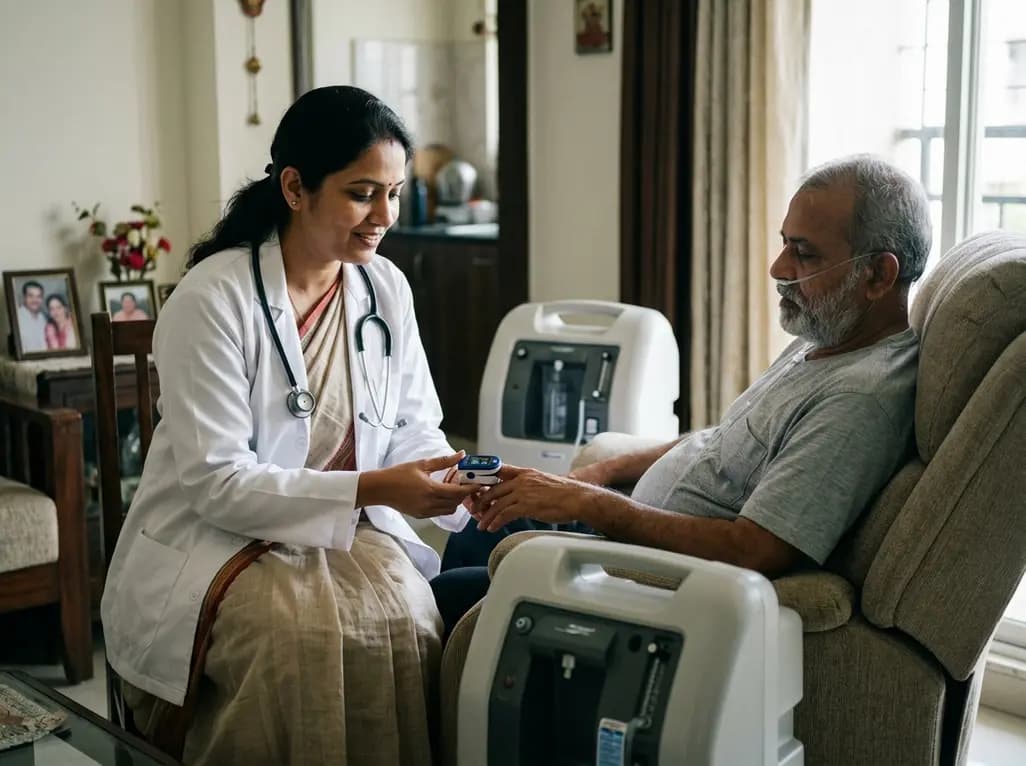
Chronic respiratory conditions like COPD pose an escalating health burden in India. As advanced stationary concentrators enter domestic healthcare, clinicians must evaluate hypoxaemic thresholds, reinforce daily adherence protocols, and balance device ergonomics to improve long-term outcomes and patient survival.
Today
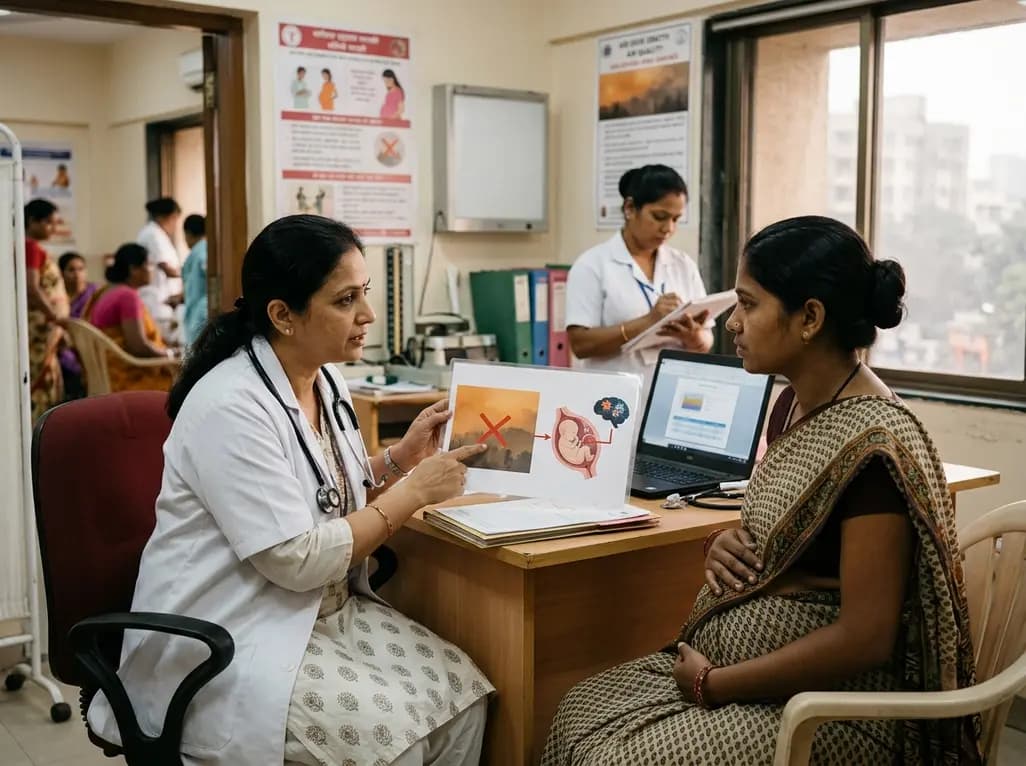
A nationwide cohort study published in JAMA Pediatrics reveals that maternal exposure to wildfire fine particulate matter, especially in late pregnancy, is linked to an elevated risk of childhood autism. Clinicians should evaluate ambient air quality risks and provide proactive protective counseling to mothers.
Yesterday
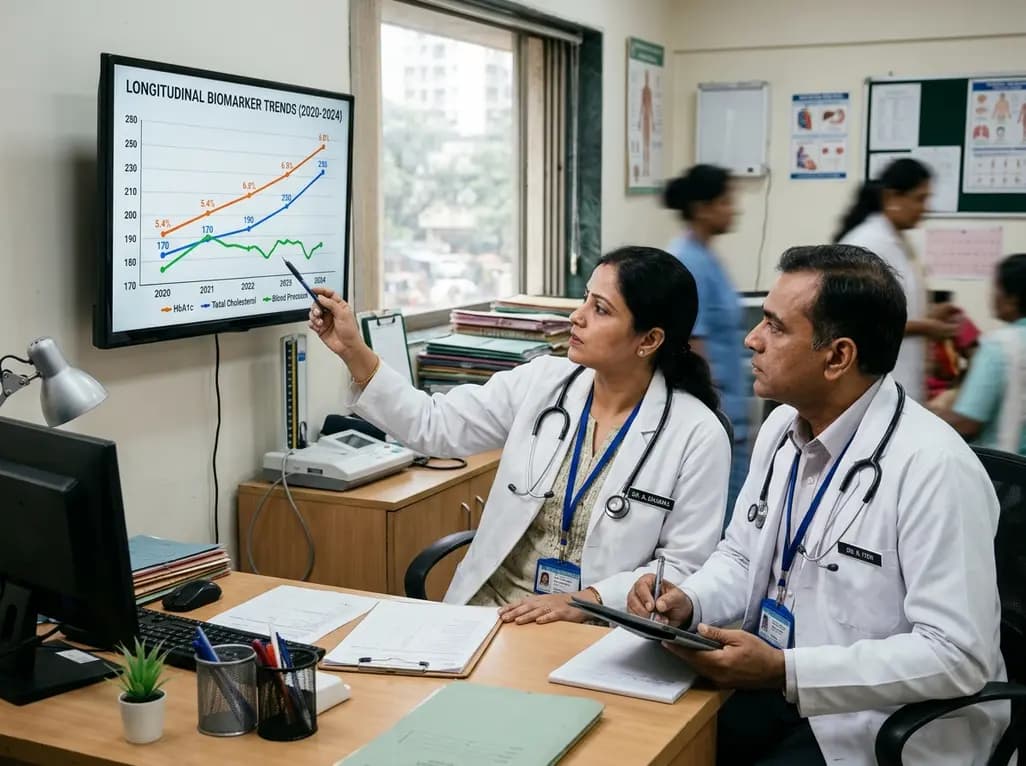
Annual health checks only offer static snapshots. Real-world evidence from 2.1 million insured Indians reveals that tracking dynamic biomarker trends over time enables clinicians to spot evolving cardiometabolic risks early, reverse borderline pathology, and deliver tailored preventive interventions.
Yesterday
Modern 3D anthropometry reveals that pediatric leg growth ceases years before spinal elongation, exposing the clinical illusion of the classical Anderson-Green model. Learn how segmental growth dissociation improves surgical timing for epiphysiodesis in adolescent leg length discrepancy.
3 days back
With packaged goods giant HUL backing FSSAI's proposed front-of-pack red warning labels for foods high in fat, sugar, and salt, India takes a major step toward curbing non-communicable diseases. Learn how clearer nutrition disclosures empower clinicians, inform consumer choices, and drive dietary reform.
Yesterday
