

Loading, please wait...
Loading, please wait...
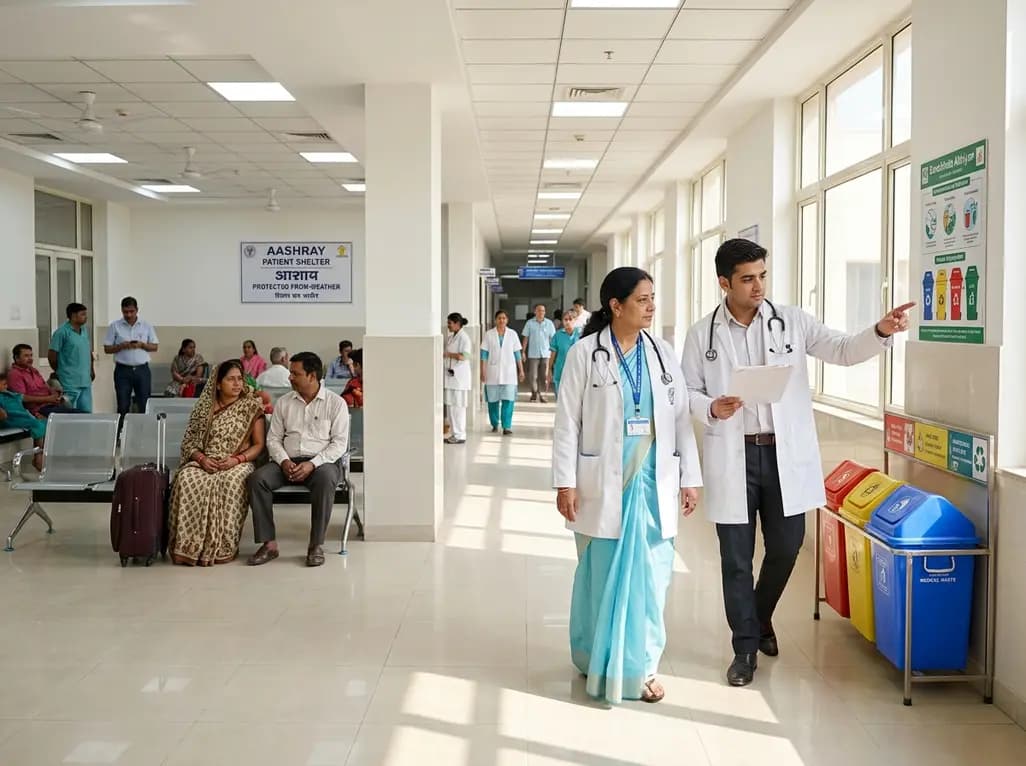
Hospital hygiene and patient amenities remain foundational to delivering dignified public healthcare across India. Recently, Union Health Minister J. P. Nadda evaluated ongoing sanitation and infrastructure reforms at the All India Institute of Medical Sciences in New Delhi. This high-level AIIMS cleanliness drive reinforces institutional commitments under the national Swachhata Abhiyan. Furthermore, the leadership inspected advanced facilities designed to enhance environmental quality and clinical safety.
During the institutional visit, the minister inspected the newly developed waiting lounge at the AIIMS Trauma Centre extension campus. Bharat Electronics Limited constructed this expansive facility under its corporate social responsibility initiative. The 2,970 square metre complex serves as a dedicated Aashray shelter. Specifically, it offers safe, weather-protected accommodation for up to 897 patients and their accompanying caregivers. Most beneficiaries travel long distances from economically weaker backgrounds to access tertiary medical consultations in New Delhi.
Previously, many vulnerable families had to depend on temporary canvas tents or sleep in open hospital corridors. Consequently, exposure to extreme weather created substantial health hazards and increased secondary infection risks. This permanent facility resolves these chronic difficulties by providing primary waiting zones, secondary lounges, accessible ramps, and modern sanitation blocks. In addition, the sheltered structure guarantees physical security and humane living conditions for families during protracted diagnostic and therapeutic interventions. Ultimately, hospital administrators recognise that safeguarding caregiver health directly supports patient recovery trajectories and reduces emergency room overcrowding.
The ongoing AIIMS cleanliness drive establishes comprehensive operational protocols to maintain superior sanitary benchmarks across all clinical zones. Historically, massive patient footfalls have placed intense pressure on hospital housekeeping infrastructure. To resolve this challenge, administrators introduced high-efficiency mechanised scrubbing machines and round-the-clock monitoring frameworks. Furthermore, the institute deployed dedicated sanitation attendants to maintain emergency suites and outpatient department washrooms without interruption.
Moreover, hospital teams execute intensive end-of-day decontamination cycles across high-traffic clinical corridors and consultation rooms. Sanitation personnel receive continuous technical training regarding chemical dilution, surface contact time, and personal protective equipment protocols. Importantly, the administrative team conducts rigorous inventory audits to prevent supply shortages of medical-grade disinfectants and cleaning hardware. Healthcare leaders also addressed worker welfare directly by ensuring fair, punctual wage disbursements for all sanitation personnel. During his visit, the minister personally acknowledged these frontline hygiene professionals for their indispensable contributions to disease control. Therefore, this structured approach elevates hospital sanitation from routine manual labor into a vital component of clinical quality assurance.
Rigorous hospital sanitation directly correlates with decreased rates of healthcare-associated infections in high-volume public facilities. At AIIMS, environmental cleanliness serves as the primary barrier against antimicrobial-resistant pathogens and opportunistic surface cross-contamination. Consequently, strict adherence to national biomedical waste management guidelines safeguards both immunocompromised patients and clinical staff. Hospital teams systematically segregate infectious materials, sharps, and general municipal solid waste right at the generation point.
Additionally, standard operating procedures dictate proper colour-coded container usage, puncture-proof disposal boxes, and secure intermediate storage areas. Standardised waste tracking mitigates biological hazards across the complex hospital campus. Clinicians understand that substandard waste disposal compromises patient safety and invites regulatory sanctions. However, systematic staff education ensures complete compliance with current environmental safety laws. Furthermore, mechanized deep-cleaning regimens target hidden reservoirs of persistent pathogens in surgical recovery units and high-acuity wards. By integrating strict surface disinfection with regulated waste workflows, the institute successfully limits nosocomial transmission pathways. As a result, clinical outcomes improve while overall inpatient morbidity drops significantly across specialized care departments.
Modern healthcare administration demands a harmonious balance between sterile clinical environments and environmental sustainability. Demonstrating this balance, AIIMS operationalised eleven advanced wastewater treatment plants across its main premises. These smart facilities treat and reuse approximately 19.6 lakh litres of wastewater daily for horticulture and campus upkeep. Online monitoring systems and digital meters track effluent quality to ensure strict regulatory compliance. Thus, the campus significantly reduces municipal water consumption while preserving local subterranean aquifers.
Simultaneously, the administration implemented strategic energy conservation interventions across major hospital blocks. Engineers recalibrated air-conditioning chillers, optimised thermal zones, and enforced scheduled equipment shutdowns in non-essential areas. Consequently, electricity consumption dropped by 7.68 lakh units, reflecting an impressive 10.5 percent reduction. Between January and October 2025, the hospital lowered power expenditures by approximately Rs 1.98 crore compared to 2024. In addition to energy reductions, the campus promotes sustainable mobility by operating 40 complimentary electric shuttle vehicles for patients. The facility installed 30 electric chargers and 114 charging ports to support this green fleet. Therefore, the hospital creates a replicable template for eco-conscious healthcare infrastructure.
The comprehensive modernisation at AIIMS provides actionable operational models for secondary and tertiary healthcare facilities across India. Frequently, district hospitals and regional medical colleges encounter severe space constraints, hygiene deficits, and inadequate caregiver accommodations. Adopting corporate social responsibility partnerships, similar to the BEL collaboration, offers a viable funding mechanism for capital-intensive public infrastructure projects. Furthermore, institutional leaders must prioritise basic caregiver amenities to ensure holistic clinical delivery.
Moreover, hospital administrators should view sanitation investments through the lens of long-term economic efficiency. Mechanised sanitation workflows, structured staff training, and rigorous resource audits yield measurable financial savings alongside improved clinical indicators. Implementing closed-loop wastewater recycling and intelligent energy controls proves that public institutions can achieve substantial ecological gains without compromising clinical standards. Importantly, national benchmarks such as the Kayakalp guidelines require consistent institutional leadership and active community involvement. By standardising these multifaceted administrative practices, Indian healthcare institutions can enhance patient satisfaction, minimise nosocomial hazards, and rebuild widespread community trust in public health delivery systems.
Q1: What specific amenities does the new Aashray shelter at AIIMS provide for patients and caregivers?
The newly constructed Aashray shelter covers 2,970 square metres and accommodates up to 897 patients and their attendants. It provides primary and secondary covered waiting lounges, accessible mobility ramps, and dedicated sanitation facilities. Furthermore, the permanent complex eliminates the need for families to sleep in open hospital areas or temporary tents. Consequently, it delivers weather protection, privacy, and essential hygiene for underprivileged families visiting New Delhi for tertiary healthcare.
Q2: How does the AIIMS sanitation strategy improve hospital-acquired infection control?
The institute implements mechanised cleaning technologies, round-the-clock attendants in high-footfall toilets, and intensive end-of-day decontamination routines across all outpatient departments. In addition, workers receive formal training regarding disinfectant contact times and biomedical waste segregation at the point of origin. Therefore, these synchronized protocols eliminate persistent microbial reservoirs, reduce opportunistic cross-contamination risks, and reinforce overall clinical safety for immunocompromised patients across inpatient and outpatient care areas.
Q3: What ecological and financial benefits have AIIMS achieved through recent sustainability measures?
AIIMS reuses approximately 19.6 lakh litres of treated wastewater daily from 11 on-site treatment plants for campus horticulture. Additionally, energy-saving initiatives, including optimised air-conditioning and scheduled power shutdowns, reduced electricity consumption by 10.5 percent, saving 7.68 lakh units. Consequently, the hospital lowered power utility expenditures by Rs 1.98 crore between January and October 2025, while deploying 40 free electric shuttles for patient transit.
Disclaimer: This content is for informational and educational purposes only. It does not constitute medical advice or replace professional judgment. Refer to the latest local and national guidelines for clinical practice.
References

Read summarized clinical updates, watch expert medical content, and earn CME certifications right from your smartphone.
Open your smartphone camera to scan and install.





During a comprehensive review at AIIMS Delhi, the Union Health Ministry examined hospital sanitation, sustainability projects, and waste management under the Swachhata Abhiyan. The inspection also covered a 2,970 sq m Aashray shelter built to protect nearly 900 travelling patients and families from harsh weather.
Today
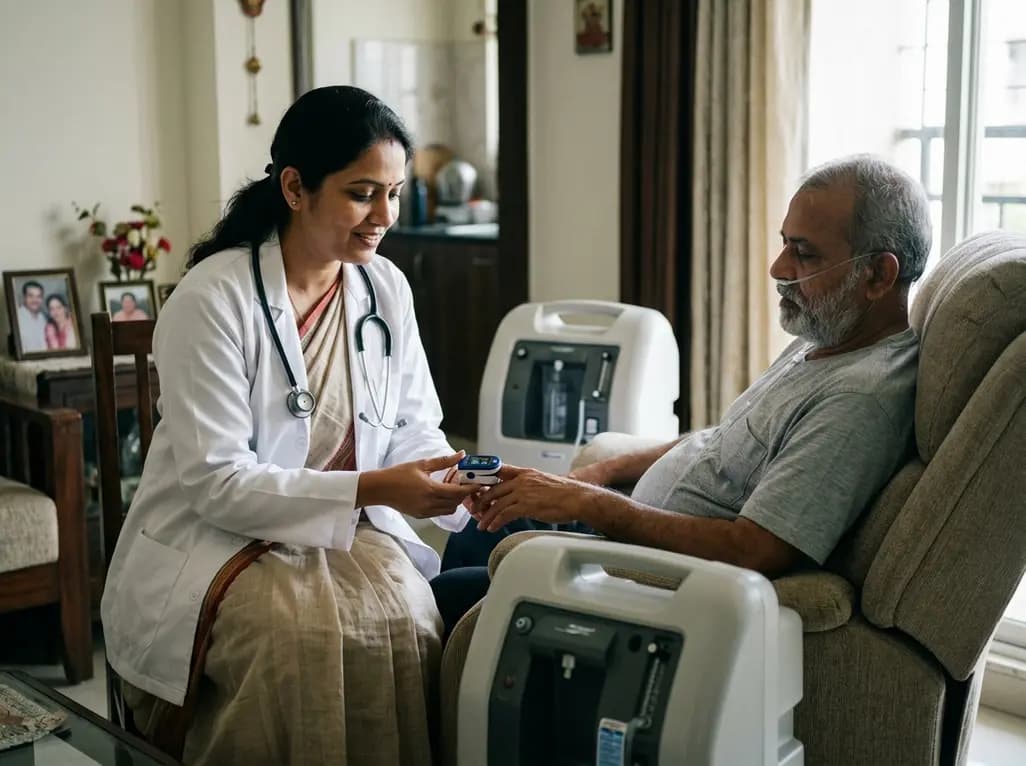
Chronic respiratory conditions like COPD pose an escalating health burden in India. As advanced stationary concentrators enter domestic healthcare, clinicians must evaluate hypoxaemic thresholds, reinforce daily adherence protocols, and balance device ergonomics to improve long-term outcomes and patient survival.
Today
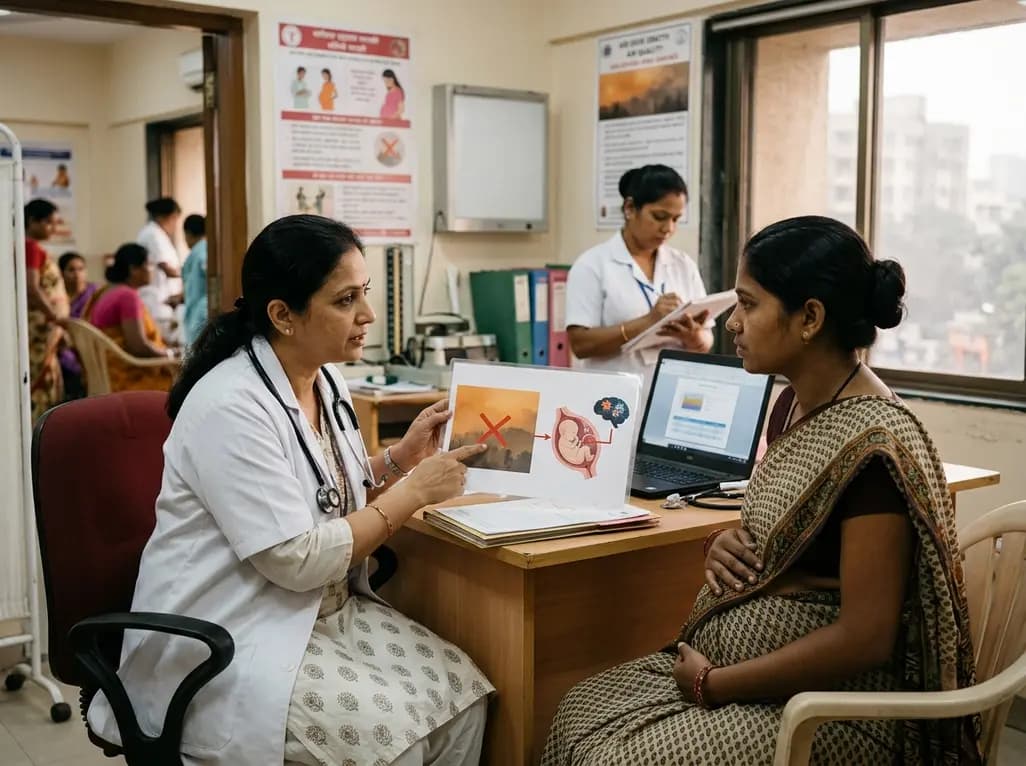
A nationwide cohort study published in JAMA Pediatrics reveals that maternal exposure to wildfire fine particulate matter, especially in late pregnancy, is linked to an elevated risk of childhood autism. Clinicians should evaluate ambient air quality risks and provide proactive protective counseling to mothers.
Yesterday
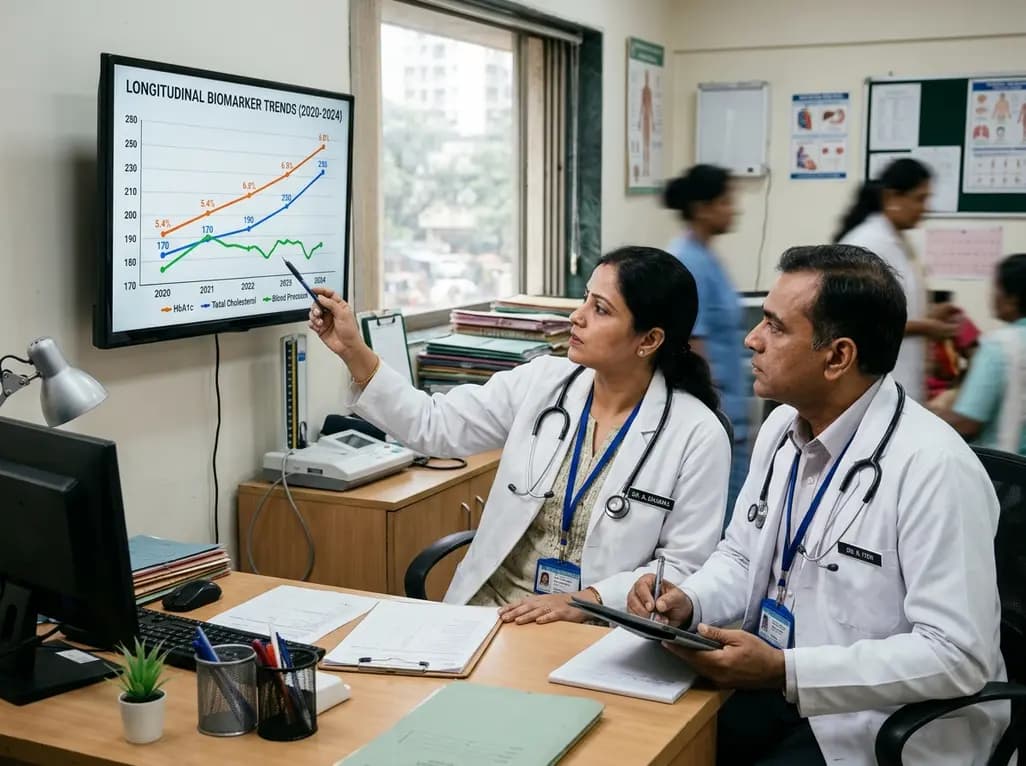
Annual health checks only offer static snapshots. Real-world evidence from 2.1 million insured Indians reveals that tracking dynamic biomarker trends over time enables clinicians to spot evolving cardiometabolic risks early, reverse borderline pathology, and deliver tailored preventive interventions.
Yesterday
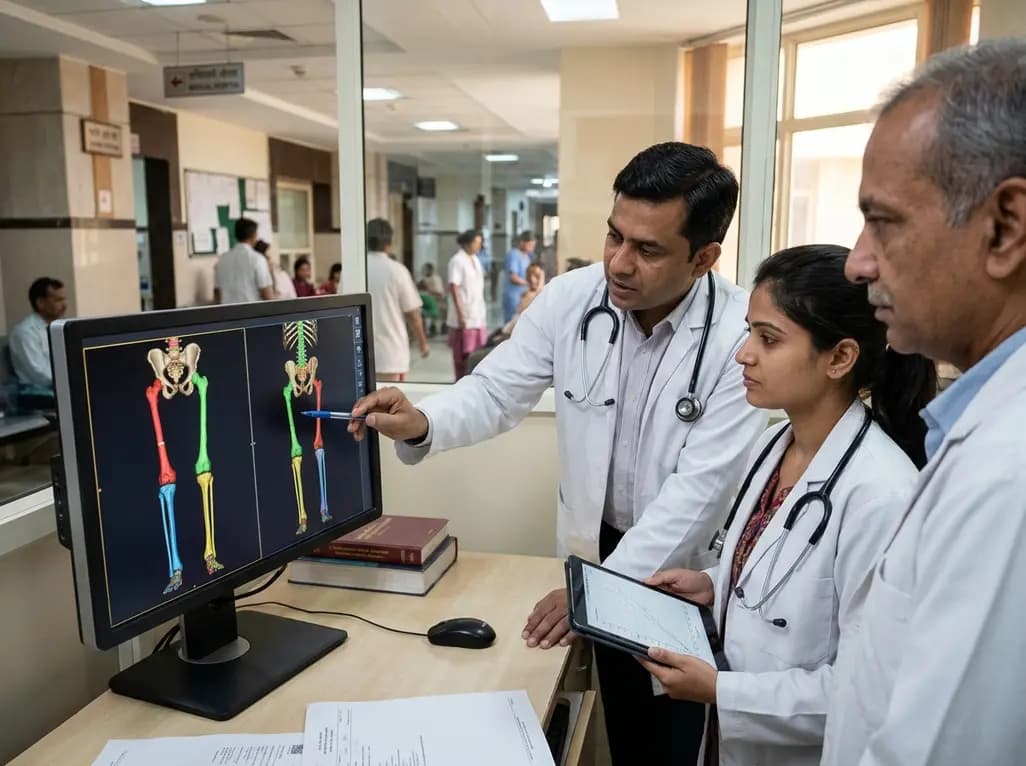
Modern 3D anthropometry reveals that pediatric leg growth ceases years before spinal elongation, exposing the clinical illusion of the classical Anderson-Green model. Learn how segmental growth dissociation improves surgical timing for epiphysiodesis in adolescent leg length discrepancy.
3 days back
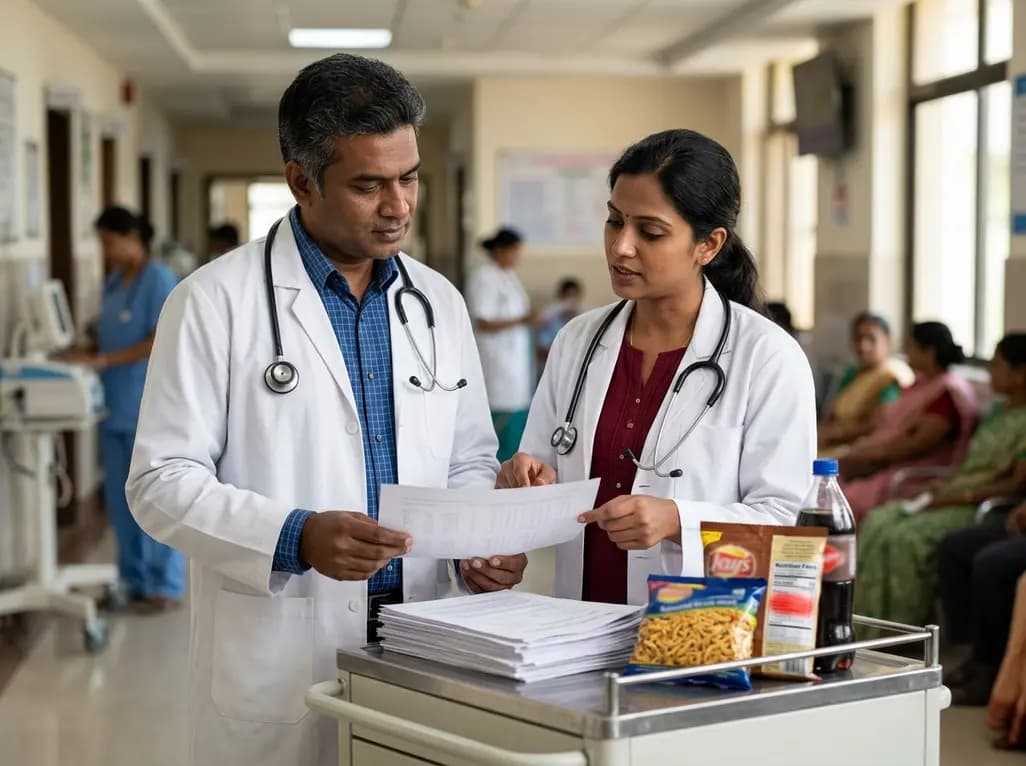
With packaged goods giant HUL backing FSSAI's proposed front-of-pack red warning labels for foods high in fat, sugar, and salt, India takes a major step toward curbing non-communicable diseases. Learn how clearer nutrition disclosures empower clinicians, inform consumer choices, and drive dietary reform.
Yesterday
