

Loading, please wait...
Loading, please wait...
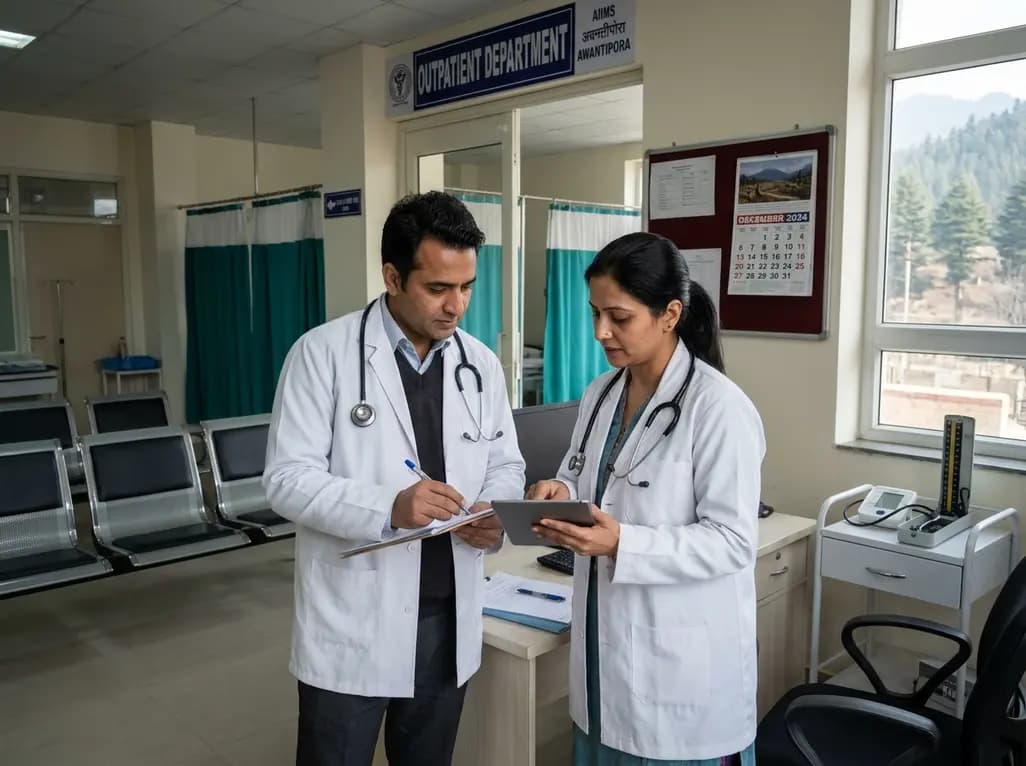
The upcoming launch of AIIMS Awantipora OPD services marks a significant leap for healthcare accessibility in Jammu and Kashmir. Union Health Minister J. P. Nadda recently concluded an extensive on-site review to evaluate operational readiness. During his visit, the minister directed implementing agencies to inaugurate clinical consultations before December. Furthermore, this landmark healthcare facility promises to alleviate immense pressure on existing tertiary referral centres across the Kashmir Valley. Consequently, patients will soon receive specialised diagnostic and therapeutic evaluations closer to home.
Health authorities are prioritizing the immediate operationalisation of outpatient departments across diverse medical specialties. Consequently, Union Health Minister J. P. Nadda instructed executing agencies to complete all preliminary clinical workflows before December. The Phase-I structural envelope includes a dedicated OPD block and an expansive registration hall. In addition, administrative teams are executing rigorous inventory verification to ensure seamless patient triage from day one. Technical experts from HLL Infra Tech Services Limited are coordinating directly with the institute's Executive Director. Meanwhile, engineers are resolving remaining logistical issues regarding clinical power distribution and hospital sanitation. Because patient numbers will surge rapidly, authorities are setting up automated queue tokens and digital check-in counters. Furthermore, initial outpatient sessions will encompass general medicine, paediatrics, obstetrics, dermatology, and general surgery. Therefore, thousands of rural residents will avoid lengthy and costly travel to Srinagar for specialty care. In fact, this phased launch provides an operational testbed for broader hospital processes ahead of full completion. Ultimately, the expedited launch underscores an unwavering dedication to regional healthcare welfare. Additionally, dedicated public transport links will connect rural commuters directly to the OPD registration gates.
The apex healthcare facility represents a transformative central government investment under the Pradhan Mantri Swasthya Suraksha Yojana. During the review, ministry representatives confirmed that contractors have completed all primary structural frames. However, challenging mountain weather and complex topography historically presented demanding engineering obstacles during foundation works. Fortunately, dedicated executing agencies maintained continuous momentum to finish more than eighty percent of overall construction. The Union Minister explicitly established March 2027 as the binding deadline for all remaining physical works. Meanwhile, inpatient hospital operations are slated to commence formally in July 2027. This 750-bed tertiary facility will feature modular operation theatres, intensive care suites, and advanced recovery units. Furthermore, contractors are finalizing dedicated residential quarters and comfortable hostels for doctors and nursing staff. Central Public Works Department teams are supervising architectural finishes and internal roadway installations on campus. Consequently, the project remains on a steady trajectory toward comprehensive physical and operational readiness. Moreover, modern drainage systems and waste management plants will ensure strict environmental compliance throughout the campus. Therefore, the hospital will operate as an advanced healthcare sanctuary even during severe winter conditions. Thus, this robust infrastructure will anchor specialized critical care for generations of residents.
Cutting-edge medical technology forms the foundational core of modern tertiary patient treatment. Therefore, the Union Health Ministry conveyed administrative sanction for 180 critical medical equipment packages worth Rs 59.41 crore. Notably, procurement authorities have already issued official Notices of Award for 140 of these vital machinery items. These high-end procurements encompass advanced digital radiography, point-of-care ultrasound machines, and automated clinical chemistry analysers. Additionally, specialized diagnostic tools for ophthalmology, otolaryngology, and dental clinics are arriving at the site. Technical committees are also inspecting specialized clinical laboratory furniture and administrative workstations to guarantee ergonomic standards. In addition, the ministry directed hospital management to verify calibration protocols before patient intake begins. Seamless diagnostic facilities will permit clinicians to deliver rapid, evidence-based management decisions during initial patient evaluations. Furthermore, robust hospital information management systems will digitise patient charts, diagnostic imaging, and pharmacy dispensations. Consequently, clinicians will retrieve electronic medical records effortlessly, eliminating redundant paperwork and minimizing diagnostic delays. Moreover, prompt laboratory turnaround times will accelerate ambulatory therapy and mitigate unnecessary hospital referrals. Ultimately, this sophisticated biomedical framework ensures exceptional safety standards across all diagnostic departments.
Providing world-class medical care requires an accomplished, motivated workforce of clinical specialists and allied health personnel. To achieve this objective, the central ministry approved the immediate engagement of 652 essential human resource positions. This approved workforce covers medical officers, specialized nursing officers, laboratory technologists, and 150 dedicated security professionals. Meanwhile, the institute leadership has fast-tracked the recruitment protocol for senior faculty positions across diverse specialties. Notably, over one thousand qualified medical doctors applied for prestigious academic and clinical posts at the institute. The selection committees are conducting rigorous merit-based evaluations to secure seasoned medical professors and researchers. In addition, comprehensive orientation programs will familiarize incoming clinicians with the institute’s clinical governance models. Cross-departmental coordination between local administrative authorities and hospital management will ensure secure transportation and campus housing. Furthermore, continuous training modules will update nursing personnel on modern patient safety and infection control protocols. As a result, the healthcare facility will maintain optimal nurse-to-patient ratios even during peak seasonal outbreaks. Moreover, dedicated administrative coordinators will handle emergency logistics and patient assistance around the clock. Consequently, this strategic talent acquisition guarantees seamless clinical delivery from the moment outpatient consultations commence.
The operationalisation of AIIMS Awantipora will profoundly alter the healthcare delivery landscape of the Kashmir Valley. Historically, complex oncological, neurological, and cardiovascular cases required extensive travel to major medical centres in northern India. However, the presence of an autonomous, apex tertiary institute will provide cutting-edge clinical management right within the valley. Beyond patient care, the institution serves as a premier hub for undergraduate and postgraduate medical education. In fact, authorities confirmed that the MBBS intake will expand to 100 students for the upcoming academic session. Therefore, aspiring doctors will receive world-class didactic training and practical clinical exposure in advanced regional pathology. Academic activities will officially launch for the 2027–28 academic session beginning around mid-2027. Furthermore, the institute plans to foster collaborative biomedical research focusing on endemic health conditions affecting Himalayan populations. Local primary care physicians and district hospitals will also benefit through structured tele-consultation and academic referral linkages. Additionally, continuous medical education programs will empower local general practitioners with updated evidence-based guidelines and clinical protocols. Consequently, this dual focus on clinical excellence and academic training will uplift regional healthcare capacity substantially. Ultimately, the institution aligns with national goals to democratize access to equitable, affordable, and high-quality health services.
Q1: What clinical services will be available during the initial launch phase?
The initial phase focuses exclusively on outpatient department consultations across essential specialties, including internal medicine, paediatrics, dermatology, general surgery, and orthopaedics. Support units like basic clinical laboratories, digital radiography, point-of-care ultrasonography, and computerized pharmacy dispensing will function simultaneously. However, advanced inpatient admissions, round-the-clock emergency surgical theatres, and complex intensive care units will become fully operational in July 2027 as remaining building works conclude.
Q2: How many medical students will AIIMS Awantipora admit for its first academic batch?
The Union Health Ministry has officially expanded the initial intake to admit 100 MBBS students for the inaugural academic session. Academic classes and didactic curriculum will commence during the 2027–28 academic calendar, beginning in June or July 2027. Consequently, medical undergraduates will train directly under expert academic faculty within state-of-the-art simulation labs, modern dissection halls, and specialized clinical wards across the new tertiary teaching hospital.
Q3: When will full inpatient and emergency services commence at the facility?
Inpatient department services and specialized emergency critical care are scheduled to start in July 2027 following comprehensive infrastructural handover. The ministry has established March 2027 as the firm completion target for all remaining hospital structures, operation theatre suites, and specialized intensive care wards. Meanwhile, technical agencies will finalize equipment installation, clinical safety trials, and staff deployment to guarantee completely safe patient admissions from day one.
Disclaimer: This content is for informational and educational purposes only. It does not constitute medical advice or replace professional judgment. Refer to the latest local and national guidelines for clinical practice.
References

Read summarized clinical updates, watch expert medical content, and earn CME certifications right from your smartphone.
Open your smartphone camera to scan and install.





Union Health Minister J. P. Nadda has directed authorities to operationalise outpatient care at AIIMS Awantipora before December. The 750-bed apex institution will complete inpatient departments and commence MBBS training by mid-2027, transforming tertiary care access across Jammu and Kashmir.
Today
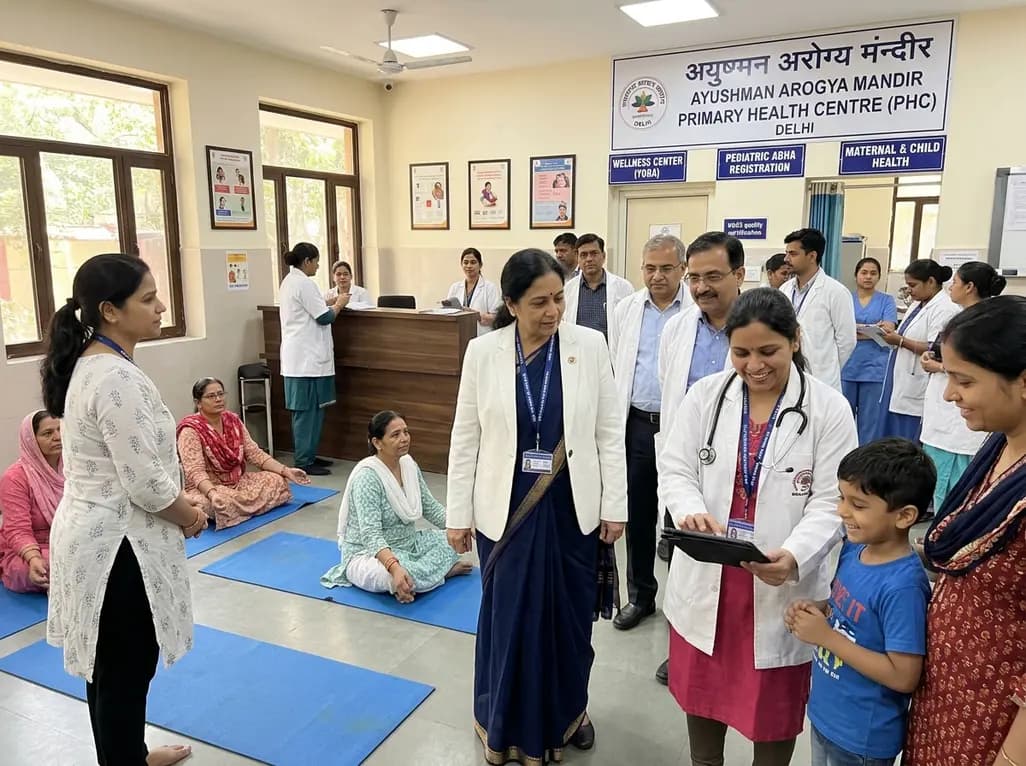
Union Health Secretary Punya Salila Srivastava recently inspected primary healthcare facilities in Delhi, mandating weekly yoga sessions, Baal ABHA digital IDs for pediatric cohorts, and NQAS quality certification for urban centers to strengthen preventive clinical workflows and early chronic disease management.
Today
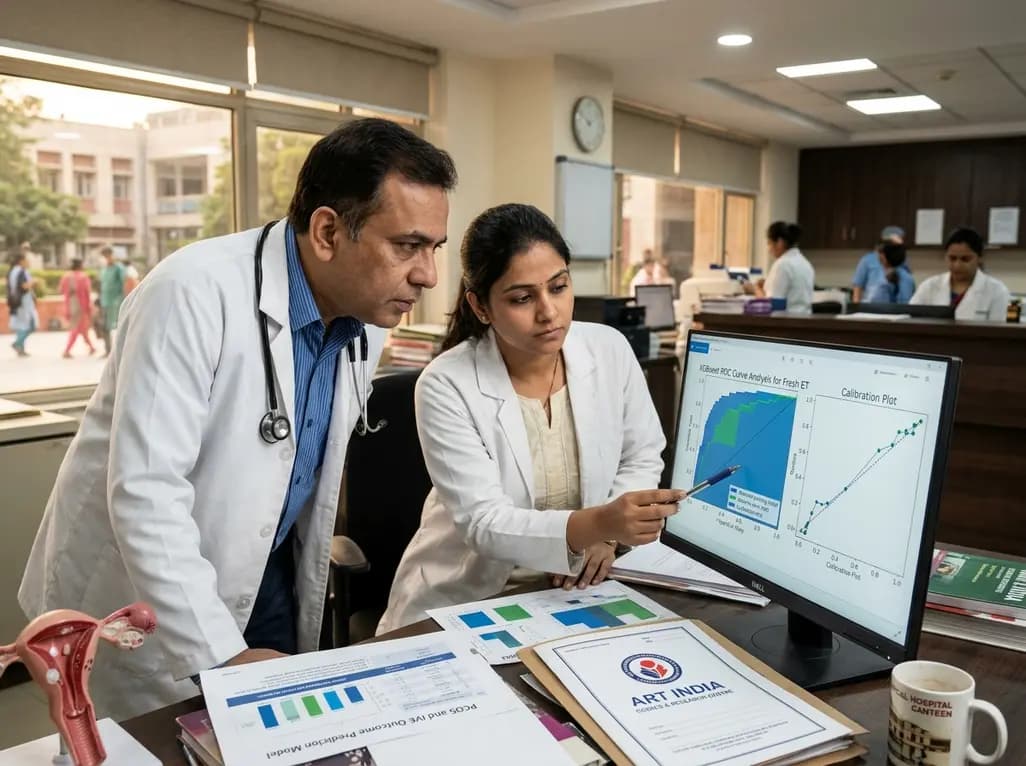
A multicenter study evaluates an XGBoost machine learning model to predict miscarriage risk in PCOS after fresh embryo transfer. While discrimination was strong internally, cross-cohort calibration drift emphasizes its role as a risk-ranking tool rather than a standalone diagnostic instrument.
Today
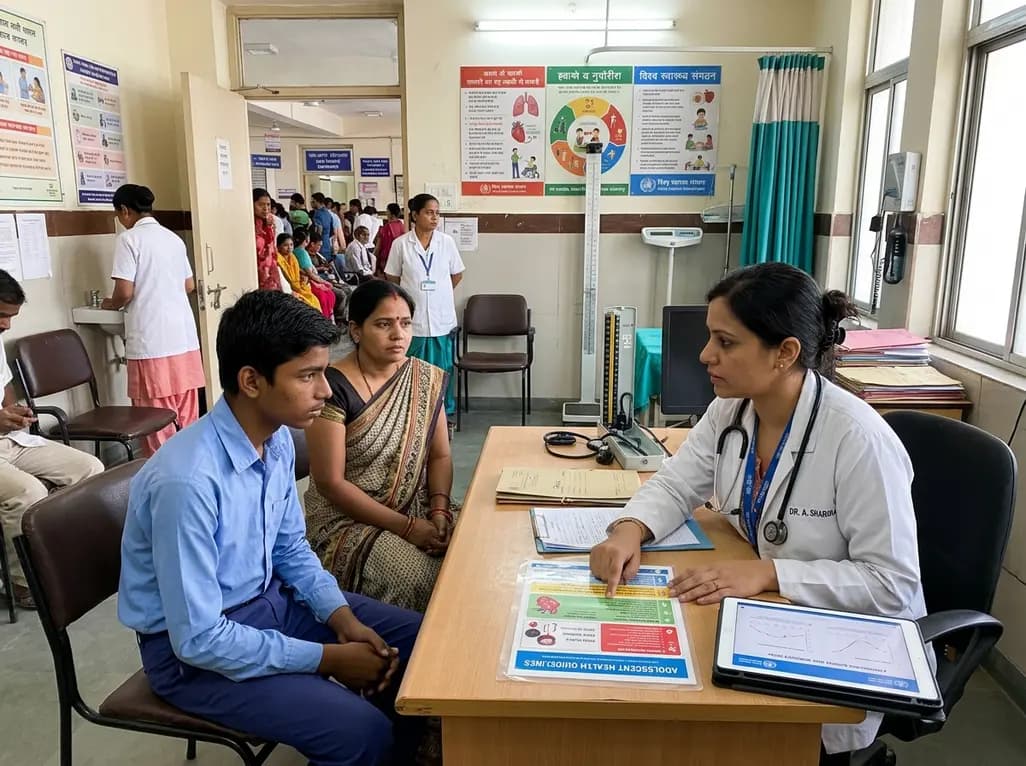
A major World Health Organization study reveals that one in four teenagers globally records zero active days per week. Discover the epidemiological data, cardiometabolic consequences of adolescent sedentary behavior, and practical guidance for clinicians to promote healthy lifestyle habits among youth.
Today
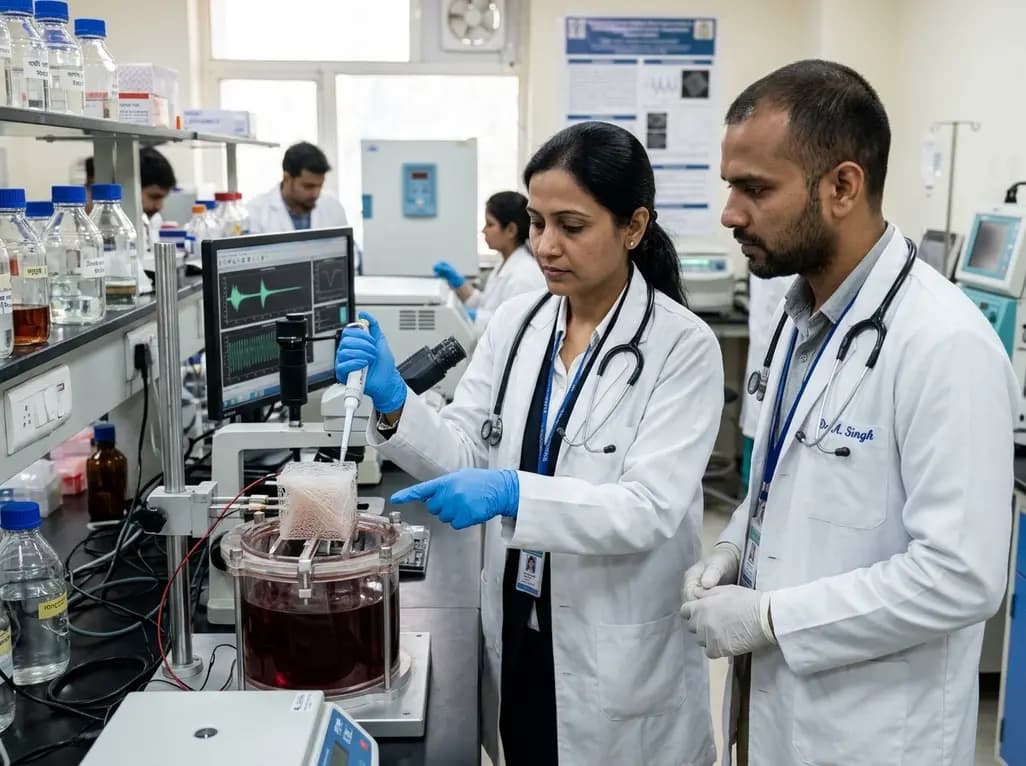
Engineered 3D piezoelectric PHBV scaffolds generate electrical charges during mechanical strain, mimicking native muscle electromechanics to promote cellular alignment, myogenic differentiation, and functional tissue repair in severe volumetric muscle loss.
Today
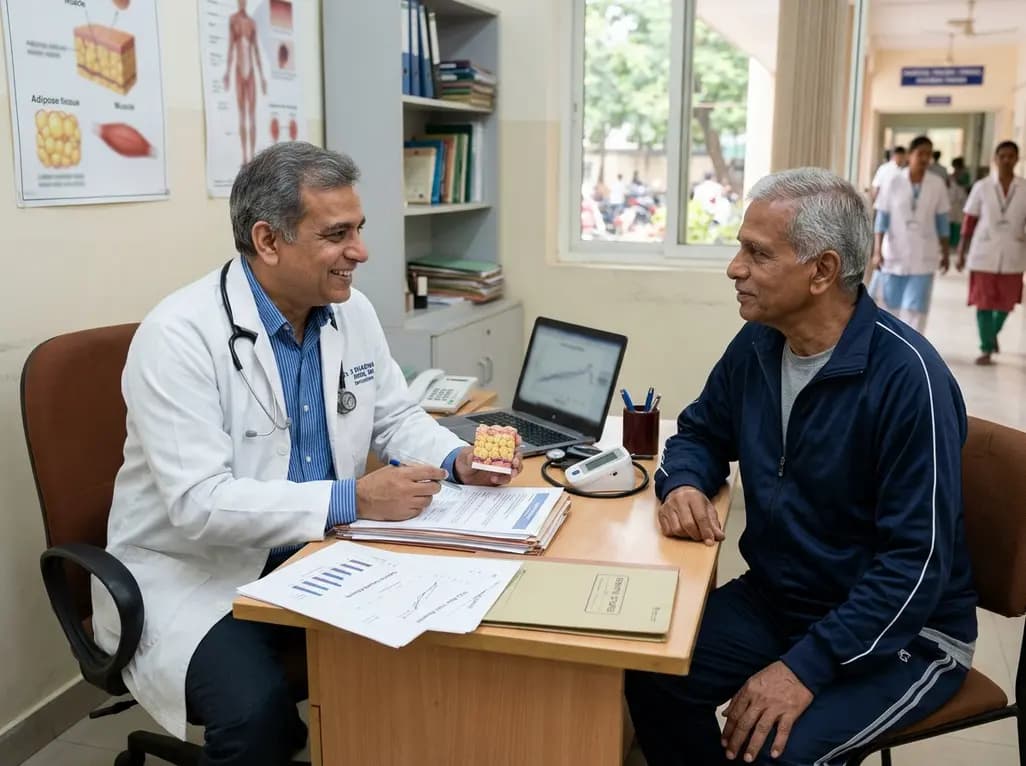
A study in aged rats reveals that caloric restriction broadly upregulates adipose macrophage genes, whereas concurrent endurance training buffers this response. Despite these tissue-level transcriptional changes, systemic glycemic and lipid markers remain unchanged, highlighting the complexity of geriatric metabolism.
Today
