

Loading, please wait...
Loading, please wait...
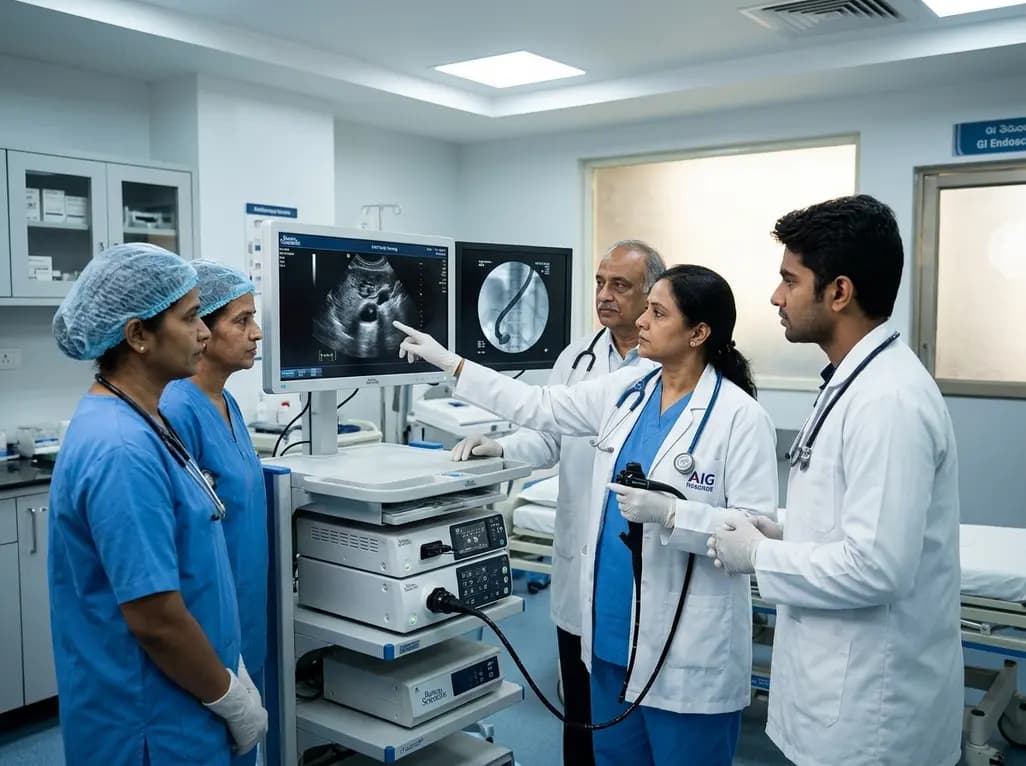
Therapeutic endoscopy has revolutionized gastrointestinal care by replacing invasive surgeries with minimally invasive procedures. However, access to specialized expertise remains unevenly distributed across India. To bridge this significant gap, AIG Hospitals in Hyderabad has partnered with Boston Scientific to establish a Centre of Excellence. Furthermore, this collaborative initiative prioritizes structured therapeutic endoscopy training for clinicians nationwide. Consequently, patients outside major urban centers will receive timely, high-quality interventions locally.
Complex digestive diseases demand precise interventional techniques to minimize patient trauma and accelerate clinical recovery. Nevertheless, state-of-the-art endoscopic devices cannot improve patient outcomes without skilled hands to manipulate them safely. Physicians must acquire refined technical proficiencies and sound clinical judgment through structured therapeutic endoscopy training. Unfortunately, standard postgraduate programs often offer limited direct exposure to advanced biliary and luminal procedures. As a result, early-career specialists encounter substantial hurdles when transitioning into independent interventional practice.
The new Centre of Excellence directly resolves this educational disparity through standardized simulation modules. Furthermore, expert faculty will guide trainees through real-time anatomical challenges and advanced device selections. Master endoscopists demonstrate nuanced maneuvers, helping learners navigate complex biliary cannulations and mucosal resections. In addition, participants study clinical decision-making protocols to avoid procedural errors. Therefore, this platform creates a dependable pathway for young gastroenterologists to gain technical mastery. Moreover, healthcare institutions benefit significantly when junior doctors manage acute gastrointestinal emergencies with confidence. For example, prompt endoscopic control of severe bleeding or acute cholangitis saves lives. Ultimately, structured hands-on curricula elevate procedural safety and lower complication rates across hospitals nationwide.
Historically, advanced therapeutic endoscopy has remained concentrated within premier hospitals in major Indian metropolitan centers. Consequently, patients residing in tier-2 and tier-3 cities encounter severe logistical hurdles when requiring complex care. Families must travel hundreds of kilometers to obtain biliary stenting or endoscopic stone removals. Furthermore, transit delays often worsen acute conditions, leading to preventable clinical complications. Therefore, decentralizing advanced gastrointestinal capabilities represents a pressing national healthcare priority.
This collaborative initiative specifically recruits and trains clinical teams serving non-metro communities. In doing so, the program establishes capable interventional teams within regional hospital systems. Moreover, local clinicians gain the requisite confidence to treat complicated disorders directly within their communities. As a result, regional facilities can reduce emergency medical transfers and ease financial burdens on patients. In addition, semi-urban populations receive rapid diagnostic and therapeutic interventions close to home. Thus, democratizing procedural expertise promotes healthcare equity across India. Over time, this regional capacity-building model will enhance the diagnostic resilience of local healthcare networks. Consequently, community medical centers can deliver tertiary-level interventions safely and independently. Furthermore, local procedural availability minimizes lost workdays for vulnerable patient populations.
Specifically, the training curriculum highlights Endoscopic Retrograde Cholangiopancreatography for complex biliary and pancreatic disorders. Trainees learn selective cannulation strategies, guidewire manipulation, and stricture dilation protocols. Furthermore, the coursework incorporates direct cholangioscopy for high-resolution visual assessment and targeted lithotripsy. This advanced optical evaluation allows endoscopists to differentiate indeterminate biliary strictures and fragment difficult stones.
Additionally, the curriculum offers extensive hands-on instruction in diagnostic and interventional Endoscopic Ultrasound. Clinicians master echoendoscope manipulation, fine-needle tissue acquisition, and transluminal fluid collection drainage. Moreover, the program introduces cutting-edge endoluminal surgeries, including endoscopic submucosal dissection and peroral myotomy. These organ-sparing techniques allow specialists to resect early gastrointestinal neoplasms without invasive open surgery. As a result, participating physicians acquire modern technical tools to manage demanding clinical scenarios. AIG faculty members conduct live demonstrations to show nuanced anatomical troubleshooting. In addition, trainers emphasize complication avoidance protocols to ensure patient safety. Consequently, participants assimilate practical problem-solving strategies alongside theoretical principles. Furthermore, faculty members demonstrate advanced hemostatic techniques to control sudden procedural bleeding effectively. For example, trainees practice deploying endoscopic clips, thermal coagulation devices, and topical hemostatic agents. Thus, endoscopists master both therapeutic interventions and proactive rescue strategies.
Successful interventional endoscopy depends entirely on a synchronized and competent multidisciplinary clinical team. Therefore, this collaborative program extends comprehensive instruction beyond physicians to endoscopy nurses and technical assistants. Endoscopy technicians master device preparation, electrosurgical unit settings, and meticulous accessory handling. Furthermore, technicians learn specialized reprocessing protocols for delicate flexible endoscopes and reusable accessories. Proper equipment handling prevents intraoperative device failures and reduces procedure times.
Similarly, nursing professionals receive dedicated training in patient positioning, conscious sedation monitoring, and emergency management. Endoscopy nurses track vital physiological parameters closely during complex procedures to prevent adverse sedation events. In addition, nursing modules prioritize stringent infection prevention standards and sterile suite maintenance. Adhering to validated reprocessing protocols eliminates pathogen transmission risks between consecutive endoscopic cases. Consequently, the entire procedural suite operates with heightened clinical efficiency and impeccable safety. Moreover, structured team communication minimizes human errors during high-stress interventional procedures. Thus, by educating support personnel, the Centre elevates overall operational standards across Indian endoscopy units. Ultimately, trained allied professionals foster safer procedural environments for all patients. Furthermore, interdisciplinary simulation drills train teams to respond swiftly during acute cardio-respiratory events. For instance, staff rehearse oxygenation protocols and immediate pharmacological reversals. As a result, allied personnel become confident partners during difficult endoluminal procedures.
The training model extends beyond intermittent on-site workshops through continuous virtual engagement and institutional mentorship. Specifically, the collaboration integrates interactive digital learning modules and case-based webinars for ongoing clinician education. Physicians can review recorded procedural techniques and diagnostic algorithms at their own convenience. Furthermore, the platform establishes structured clinical observerships for physicians desiring intensive observational immersion. During these observerships, visiting specialists witness high-volume clinical workflows and rare case management firsthand.
In addition, the Centre pairs trainees with experienced academic mentors for ongoing remote clinical guidance. When doctors encounter challenging cases in their local hospitals, they can consult senior faculty directly. This tele-mentoring network helps physicians analyze complex imaging studies and select suitable interventional strategies. Consequently, practitioners feel supported as they launch advanced therapeutic services in their communities. Moreover, regular peer case reviews reinforce adherence to evidence-based clinical practice guidelines. Therefore, this blended educational model bridges the critical gap between supervised training and independent practice. In the long run, ongoing mentorship ensures sustained procedural competency and excellent clinical outcomes. Furthermore, digital discussion boards allow endoscopists to share unexpected clinical findings and review difficult management decisions collaboratively. Thus, physicians engage in continuous peer learning long after finishing their initial training modules.
Q1: What are the primary objectives of the AIG Hospitals and Boston Scientific collaboration?
The collaboration primarily aims to establish a Centre of Excellence dedicated to minimally invasive gastrointestinal therapies in Hyderabad. Furthermore, the three-year initiative provides structured clinical training in advanced therapeutic endoscopy for doctors, endoscopy nurses, and technicians across India. Consequently, the program democratizes complex interventional expertise. As a result, patients residing in non-metropolitan regions can access advanced gastrointestinal interventions locally without enduring long journeys to major urban hospitals.
Q2: Which endoscopic procedures are included in the training curriculum?
The curriculum covers four major advanced endoscopic procedures: Endoscopic Retrograde Cholangiopancreatography, cholangioscopy, Endoscopic Ultrasound, and endoluminal surgeries. In addition, trainees gain hands-on proficiency in diagnostic tissue acquisition, stone lithotripsy, and luminal resection techniques like endoscopic submucosal dissection. Furthermore, the modules incorporate comprehensive didactic sessions, simulation skill laboratories, and live case observations. Consequently, participating clinicians acquire the necessary technical competence to manage complex pancreatobiliary and gastrointestinal pathologies safely.
Q3: Why is multidisciplinary training essential for therapeutic endoscopy suites?
Therapeutic endoscopy involves complex technical maneuvers that demand cohesive teamwork among doctors, nurses, and technical assistants. Therefore, training endoscopy technicians in device handling and equipment sterilization prevents procedural delays and device malfunction. Similarly, specialized nursing instruction in sedation monitoring, patient safety, and infection control reduces intraoperative adverse events. As a result, synchronized multidisciplinary teams enhance procedural precision, ensure patient comfort, and significantly improve overall clinical outcomes during demanding therapeutic interventions.
Disclaimer: This content is for informational and educational purposes only. It does not constitute medical advice or replace professional judgment. Refer to the latest local and national guidelines for clinical practice.
References

Read summarized clinical updates, watch expert medical content, and earn CME certifications right from your smartphone.
Open your smartphone camera to scan and install.





A three-year collaboration between AIG Hospitals and Boston Scientific establishes a Centre of Excellence in Hyderabad. The initiative offers structured medical training in ERCP, cholangioscopy, and EUS to clinicians and allied teams, expanding access to minimally invasive gastrointestinal care across India.
Today

A cross-sectional study evaluates physician knowledge and counseling practices regarding e-cigarettes. Discover how these clinical insights align with India's prohibition framework under PECA 2019 and evidence-based tobacco cessation strategies.
Today
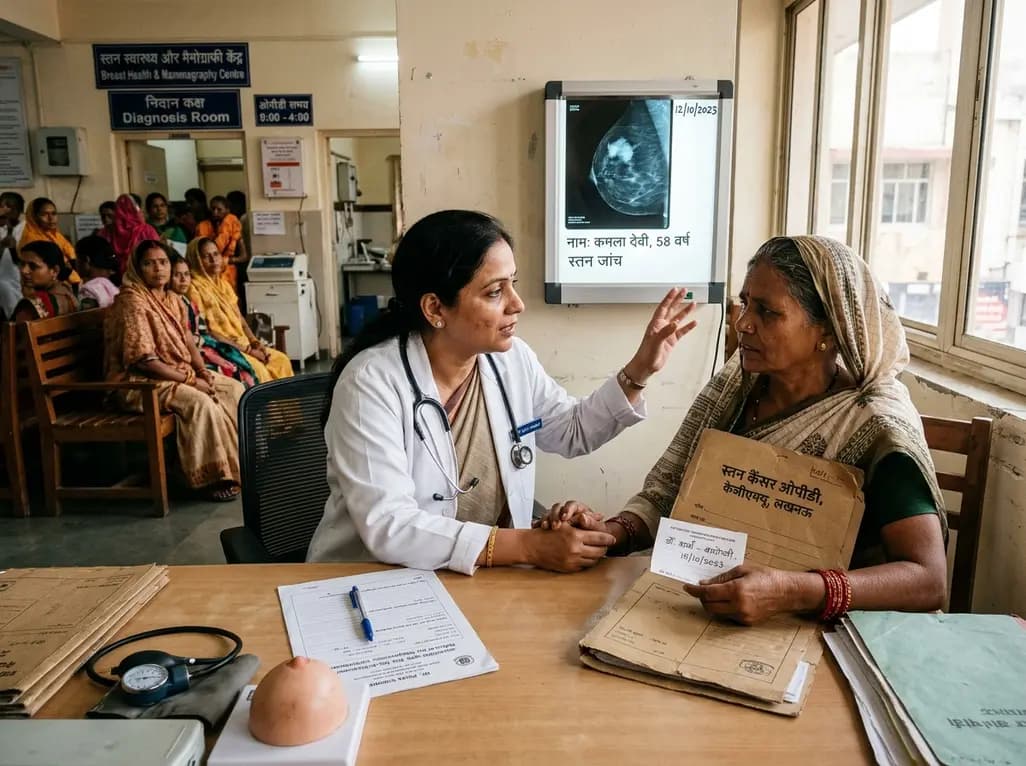
A KGMU study reveals over half of women with breast abnormalities fail to undergo diagnostic confirmation, leading to advanced-stage detection. Discover the socio-cultural barriers, clinical risks of incomplete resection, and community-level solutions needed to bridge the critical screening-to-diagnosis gap in India.
Today
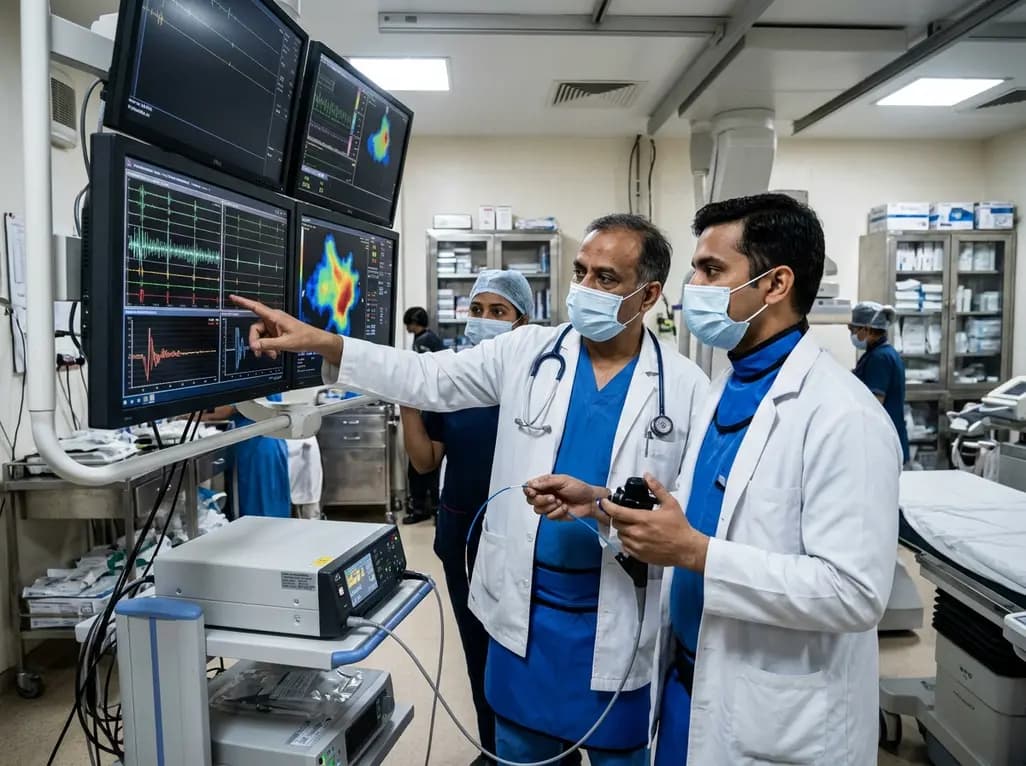
A comparative non-contact study reveals that high-power radiofrequency delivery with the QDOT MICRO catheter induces an artifactual contact force rise. Electrophysiologists must understand this power-dependent thermal and electrical phenomenon to avoid inadvertent catheter withdrawal and ineffective ablation.
Today
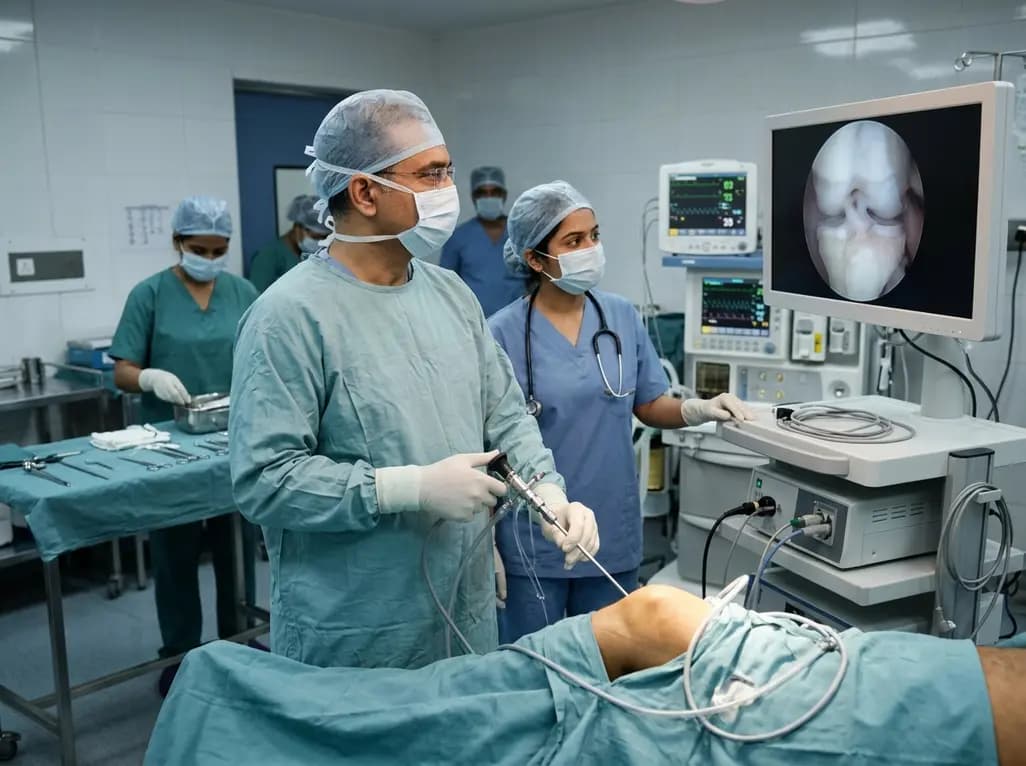
Healthium Medtech has transitioned its arthroscopy vertical into SIRONIX Orthopedics, aiming to capture key segments of the global joint care market. The strategic shift introduces dedicated portfolios in sports medicine, joint regeneration, surgical reconstruction, and digital operating technologies.
Today
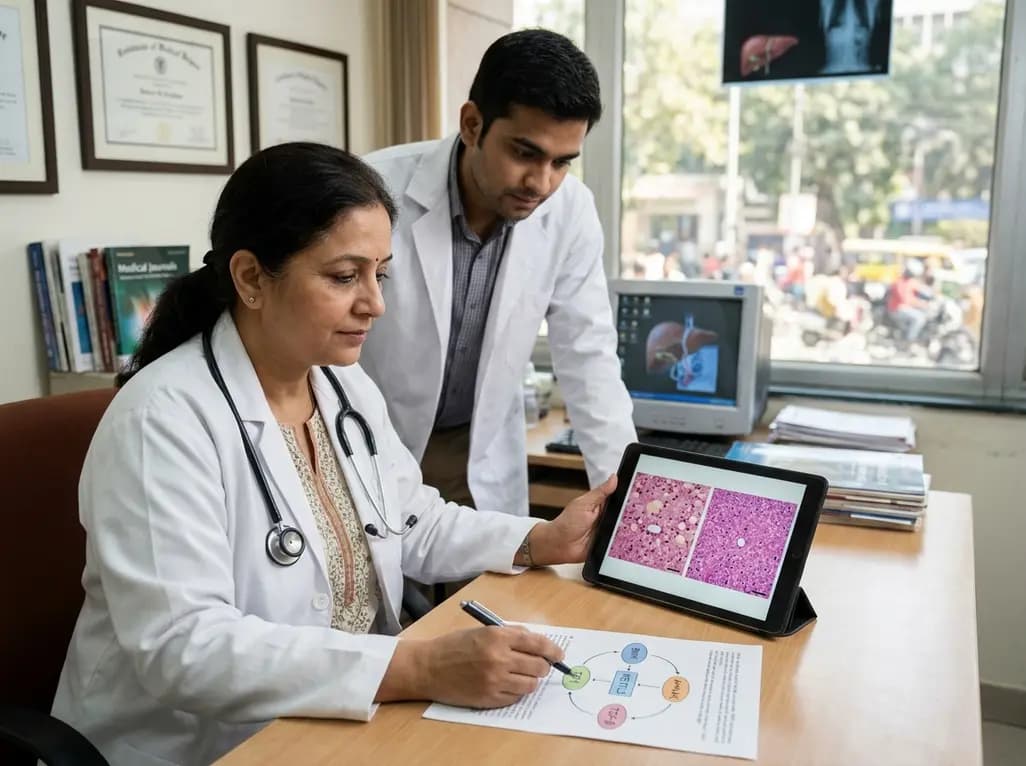
Preclinical research demonstrates that BMI1 overexpression alleviates metabolic syndrome-related liver injury. By triggering ubiquitin-mediated METTL3 degradation, BMI1 prevents AHNAK m6A methylation and suppresses fibrogenic TGF-β/SMAD signaling, significantly improving hepatic steatosis and insulin resistance.
Today
