

Loading, please wait...
Loading, please wait...
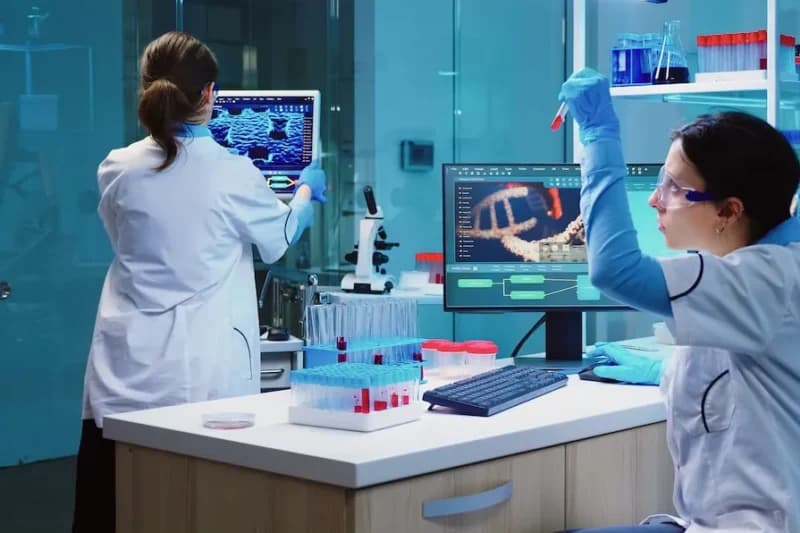
Effective clinician-patient dialogue represents the bedrock of medical practice and diagnostic accuracy. However, undergraduate medical curricula frequently face logistical constraints in delivering scalable, repetitive bedside practice. Integrating artificial intelligence platforms into clinical communication skills training offers a promising avenue to address these educational bottlenecks. Recent randomized evidence evaluated whether longitudinal conversational artificial intelligence can meaningfully enhance early learner competence compared with traditional teaching paradigms.
Undergraduate medical institutions encounter substantial barriers when organizing consistent patient interaction for junior students. Historically, medical educators rely on standardized patients, peer role-playing, and bedside clinical encounters. Although highly effective, human standardized patients require substantial financial investment, complex scheduling logistics, and extensive faculty oversight. Furthermore, expanding cohort sizes in medical colleges strain existing hospital placement capacity. Consequently, junior students frequently experience limited opportunities for deliberate practice before entering clinical examinations. Generative conversational tools provide an interactive digital alternative that students can access asynchronously. However, educators must evaluate whether simulated dialogue translates into genuine diagnostic rapport and clinical interview proficiency. Medical trainees must learn to navigate ambiguous narratives, emotional distress, and sensitive disclosures. Therefore, determining the exact pedagogical value of automated simulators remains essential for forward-thinking academic curricula.
To examine the pedagogical utility of virtual dialogue, researchers introduced SimPatient, a web-accessible patient-simulator chatbot powered by generative artificial intelligence. The technical architecture incorporated curated clinical scenarios designed to mimic real-world general practice consultations. Developers addressed common large language model limitations, such as factual hallucination and demographic bias, by fine-tuning models on authentic medical consultation transcripts. Additionally, the development team engineered demographic balance engines to reflect diverse patient presentations accurately. Medical students in the intervention cohort interacted with the conversational interface throughout a full academic year. Trainees could take detailed medical histories, probe presenting complaints, and practice structured communication models within a psychologically safe environment. The interface responded dynamically to open-ended and closed questions, allowing learners to refine their diagnostic enquiry repeatedly without risking real patient discomfort.
Investigators structured the study as a prospective, nonblinded randomized controlled trial conducted across an entire academic year at a medical school in the United Kingdom. Researchers randomized fifty medical students into an active intervention group utilizing the artificial intelligence simulator or a control group receiving standard institutional communication instruction. To measure educational outcomes rigorously, faculty assessed participant performance using standardized Objective Structured Clinical Examination stations. Evaluators scored history-taking accuracy, empathy, structured communication, and diagnostic rapport relative to predetermined institutional pass marks across multiple testing intervals. Beyond examination metrics, investigators deployed difference-in-differences statistical calculations and latent change score modeling. These statistical models examined longitudinal skill acquisition alongside psychological parameters, including intrinsic motivation, behavioral learning engagement, and student attitudes toward artificial intelligence. Furthermore, computational sentiment analysis evaluated over six thousand recorded student-avatar conversational exchanges.
The randomized trial revealed nuanced results regarding technical simulation efficacy. Over the academic year, students in both cohorts showed measurable progress in their clinical interview abilities. Trainees assigned to the artificial intelligence cohort demonstrated greater descriptive gains in standardized examination metrics than control peers. However, the difference-in-differences analysis confirmed that between-group differences did not reach statistical significance. Instead, latent change score modeling demonstrated that gains in intrinsic motivation and proactive behavioral engagement served as the primary drivers of clinical skill acquisition across all participants. Sentiment analysis revealed that consultations trending toward collaborative clinical resolution correlated with superior student performance. Interestingly, excessive baseline student confidence in artificial intelligence negatively correlated with ultimate skill gains, suggesting that over-reliance on automated tools might diminish critical self-reflection.
The trial findings indicate that generative conversational systems provide valuable foundational scaffolding rather than a total replacement for human instruction. Virtual simulators offer high-volume rehearsal opportunities, helping early learners master history-taking flow and basic interview phrasing. Moreover, trainees reported strong overall satisfaction, appreciating the low-stakes environment to experiment with conversational phrasing. Nevertheless, current software algorithms struggle to recreate authentic human vulnerability, spontaneous nonverbal cues, and profound emotional complexity. Academic departments must therefore utilize artificial intelligence as an adjunct within blended educational models. Faculty-led debriefs, bedside teaching, and actor-led standardized patient sessions remain indispensable for cultivating empathy and nuanced ethical reasoning. As medical education evolves globally, structured technological integration will empower students to build core competencies efficiently while preserving human-centered clinical care.
Clinical communication skills training teaches healthcare students structured techniques for taking medical histories, demonstrating empathy, sharing diagnoses, and navigating complex patient conversations. Educators employ role-playing, standardized patients, and simulated scenarios to prepare trainees for real-world bedside interactions, ensuring patient safety and diagnostic precision.
The randomized controlled trial showed that the artificial intelligence simulator produced greater descriptive score increases than control teaching, but the difference did not reach statistical significance. Trainee improvement across both groups was primarily driven by personal intrinsic motivation and active behavioral engagement rather than the specific simulation medium.
AI simulators excel at basic history-taking but struggle to replicate nonverbal cues, genuine human vulnerability, emotional distress, and unpredictable narrative shifts seen in real clinical practice. Consequently, medical educators view artificial intelligence tools as supplementary rehearsal platforms rather than complete replacements for supervised human clinical encounters.
Disclaimer: This content is for informational and educational purposes only and should not be construed as medical advice. Always seek the advice of a qualified physician or other licensed healthcare professional regarding any medical questions or clinical decisions. Refer to the latest local and national guidelines for clinical practice.
References
Wang X et al. Evaluating an AI-Powered Patient Simulator for Communication Skills Training: One-Year Randomized Controlled Trial. J Med Internet Res. 2026 Nov 05. doi: 10.2196/91886. PMID: 42987316.
McCarrick C, Cahill R. Impact of simulation training on communication skills and informed consent practices in medical students- a randomised controlled trial. BMC Med Educ. 2025;25:7671.
O'Malley A, et al. An AI-powered patient simulator (SimPatient) for communication skills education – safety-informed design and randomised controlled trial. St Andrews Res. 2026.

Read summarized clinical updates, watch expert medical content, and earn CME certifications right from your smartphone.
Open your smartphone camera to scan and install.





A one-year randomized controlled trial evaluated an AI patient simulator for clinical communication skills training. While AI practice boosted student motivation and baseline competency, it did not significantly outperform conventional training in OSCE scores, highlighting AI's role as a supportive tool.
Today

A study in aged rats reveals that caloric restriction broadly upregulates adipose macrophage genes, whereas concurrent endurance training buffers this response. Despite these tissue-level transcriptional changes, systemic glycemic and lipid markers remain unchanged, highlighting the complexity of geriatric metabolism.
Today
A multicenter study evaluates an XGBoost machine learning model to predict miscarriage risk in PCOS after fresh embryo transfer. While discrimination was strong internally, cross-cohort calibration drift emphasizes its role as a risk-ranking tool rather than a standalone diagnostic instrument.
Today
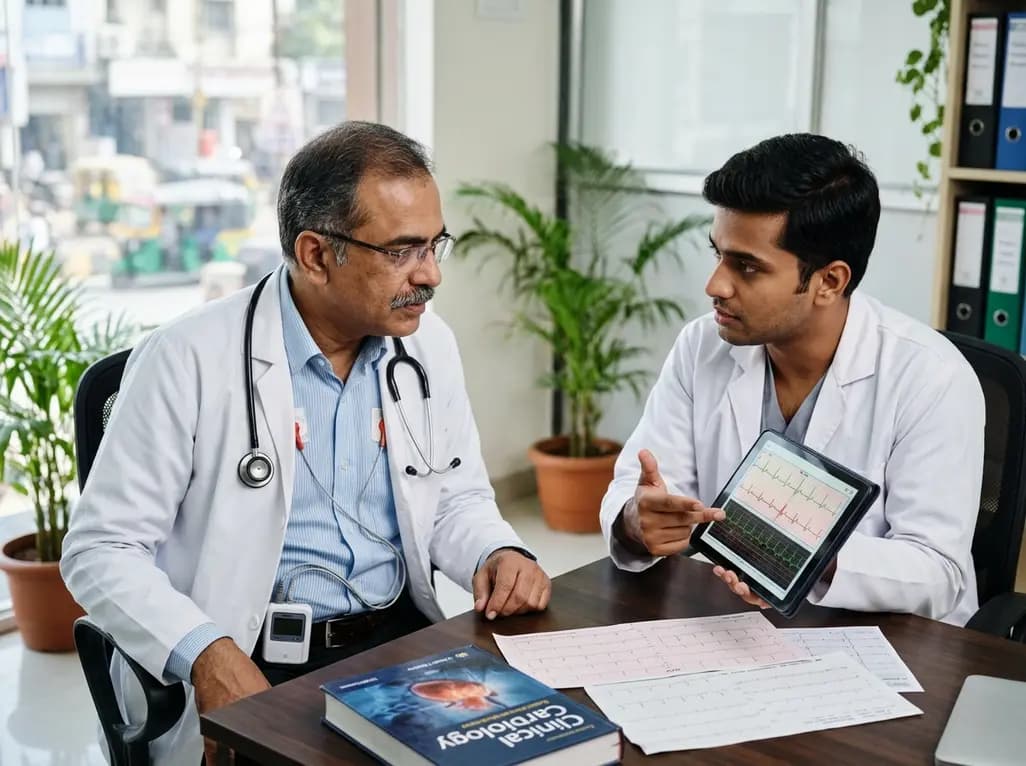
A landmark study reveals structured variation in daily emotional experiences using mobile cardiac monitoring and machine learning. Uncovering a many-to-many mapping between autonomic states and feelings, this research offers key insights for managing psychosomatic and psychiatric conditions in clinical practice.
Today
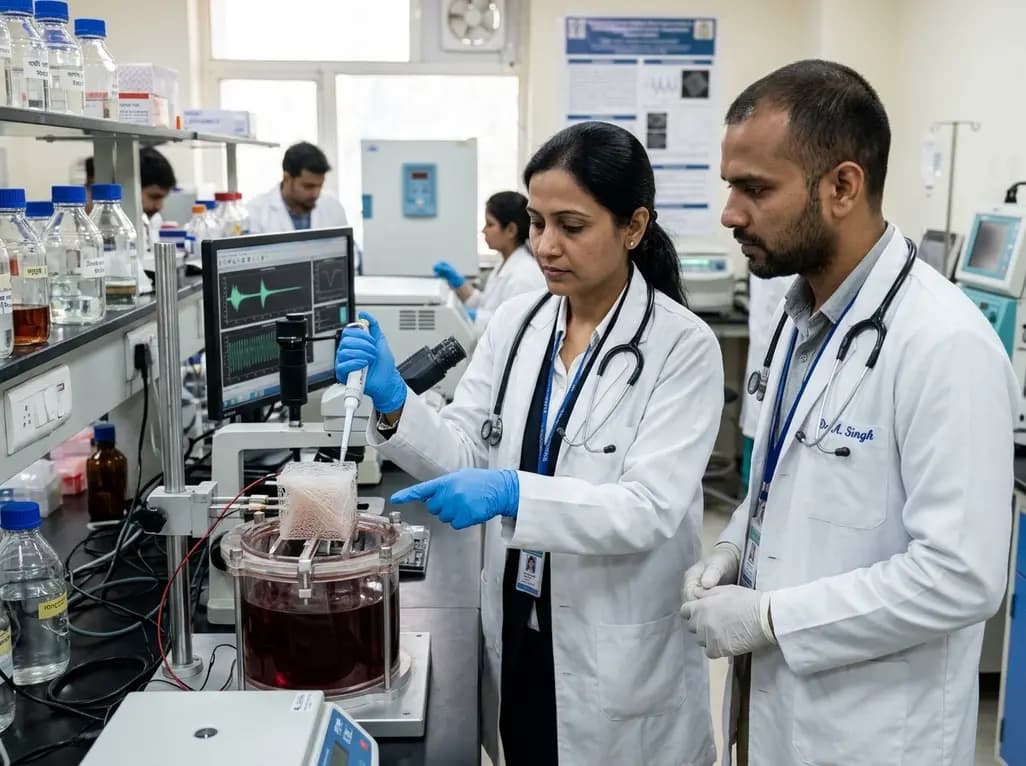
Engineered 3D piezoelectric PHBV scaffolds generate electrical charges during mechanical strain, mimicking native muscle electromechanics to promote cellular alignment, myogenic differentiation, and functional tissue repair in severe volumetric muscle loss.
Today
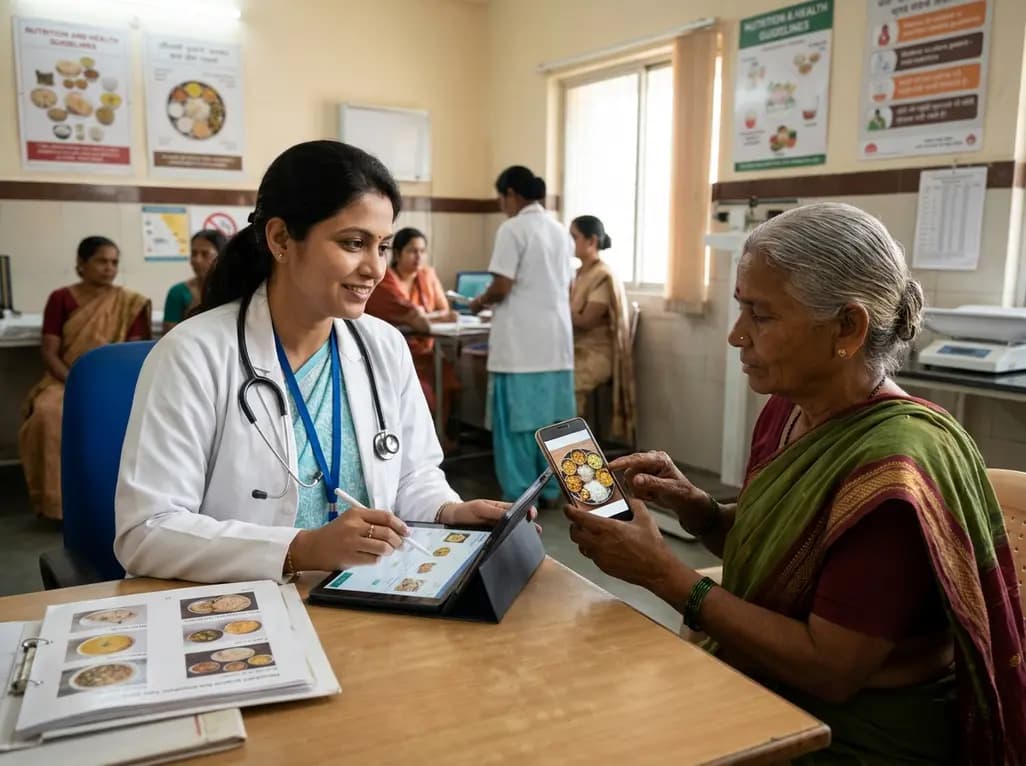
A recent study highlights that pairing photograph-assisted 24-hour recalls with regional food databases significantly boosts dietary assessment accuracy. This methodology reduces cultural bias and strengthens nutrient tracking, offering crucial lessons for clinicians managing nutritional care in diverse populations.
Today
