.webp&w=384&q=75)

Loading, please wait...
Loading, please wait...
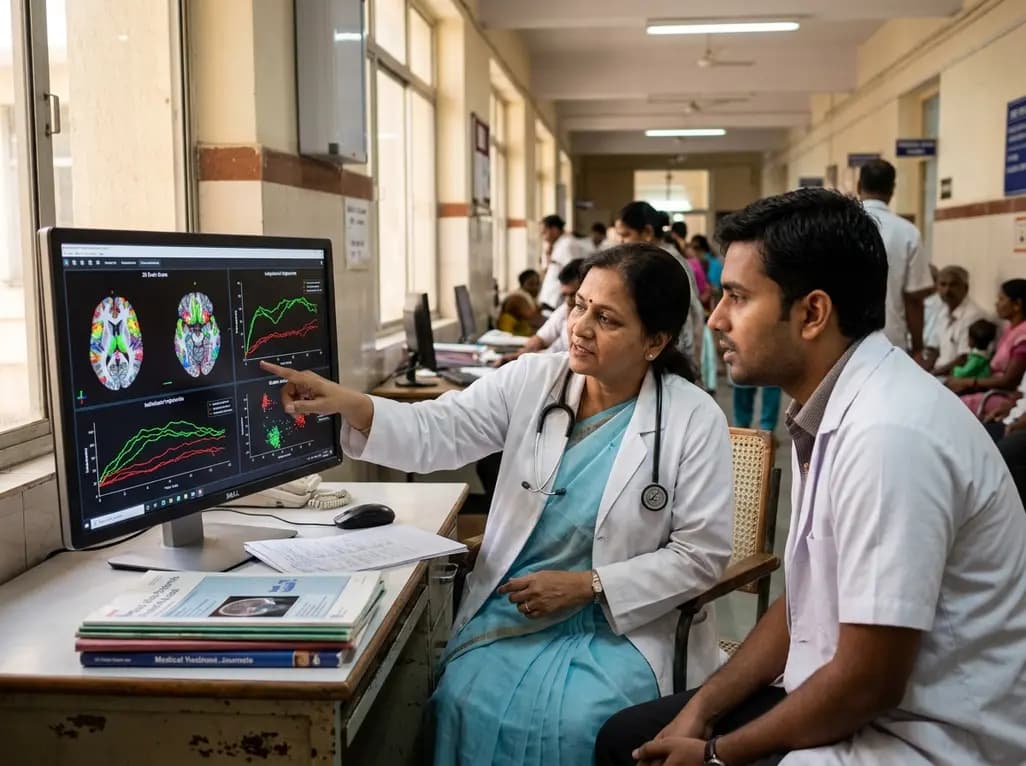
Modern mental healthcare faces an enduring challenge when translating epidemiological evidence into individual patient management. Diagnostic manuals group patients under broad syndromic labels that obscure distinct biological and psychological mechanisms. Consequently, implementing AI in precision psychiatry provides an innovative roadmap to close this clinical divide. Computational systems can now evaluate complex health parameters to uncover subtle patterns of disease vulnerability. By capturing individualized profiles, clinicians can transition from static symptom checklists to dynamic, personalized psychiatric interventions.
Traditional psychiatric classifications rely almost entirely on descriptive symptom criteria and subjective clinical interviews. Consequently, two individuals diagnosed with major depressive disorder may exhibit completely distinct biological, cognitive, and longitudinal profiles. This pronounced clinical heterogeneity frequently leads to diagnostic delays, recurrent relapses, and prolonged trial-and-error pharmacotherapy. Therefore, adopting AI in precision psychiatry addresses these systemic limitations by systematically bridging aggregate medical research and individual patient care. Modern algorithmic systems can evaluate vast clinical datasets simultaneously without relying exclusively on rigid pre-existing assumptions. Furthermore, advanced computational models identify subtle predictive markers that busy practitioners may inadvertently overlook during standard diagnostic interviews. By synthesizing historical psychiatric records, environmental exposures, and real-time symptom severity, machine learning tools assist clinicians in establishing precise diagnostic classifications. In addition, these technologies help physicians detect early indicators of treatment resistance well before secondary complications arise. Clinicians can subsequently initiate targeted pharmacological or psychotherapeutic protocols at earlier disease stages. Ultimately, algorithmic frameworks empower medical professionals to deliver individualized psychiatric care that respects unique biological vulnerabilities.
Different computational learning paradigms address distinct psychiatric challenges with remarkable algorithmic specificity. For instance, supervised learning algorithms excel at prognostic risk stratification and therapeutic response forecasting. Clinicians can utilize these supervised models to predict whether an individual will achieve clinical remission with specific antidepressant regimens. Conversely, unsupervised learning architectures analyze unlabeled patient data to uncover previously unrecognized clinical subcategories. These clustering methods delineate distinct biological subtypes across conventional diagnostic boundaries, thereby illuminating novel transdiagnostic phenotypes. Meanwhile, self-supervised and deep learning neural networks extract rich representations directly from unstructured clinical notes, electrophysiological recordings, and functional neuroimaging scans. Reinforcement learning algorithms further assist psychiatric workflows by computing optimal, sequential treatment adjustments over extended therapeutic courses. However, medical professionals must remember that standard algorithms identify statistical associations rather than direct causal biological relationships. Thus, clinicians must always maintain sound contextual judgment when evaluating predictive algorithm recommendations. When psychiatric teams combine these computational methods thoughtfully, they substantially refine diagnostic precision across intricate patient presentations.
No single diagnostic biomarker can fully capture the multifaceted reality of psychiatric pathology. Therefore, successful precision medicine requires the harmonious integration of multiple disparate information streams. Clinicians gather valuable insights by combining electronic health records, genomic data, neuroimaging scans, and continuous electrophysiological assessments. In addition, digital phenotyping provides active behavioral metrics through smartphone interactions, wearable sensors, and speech pattern analytics. These mobile tools track sleep architecture, daily motor activity, social communication, and psychomotor speed in real time. Consequently, computational models transform static clinical impressions into dynamic, high-resolution longitudinal disease trajectories. Advanced transfer learning techniques enable researchers to overcome limited local sample sizes by adapting knowledge from broader reference datasets. Furthermore, federated learning frameworks permit collaborative algorithm training across distributed hospital systems while preserving patient privacy. Nevertheless, successful implementation strictly depends on data completeness, software interoperability, and rigorous standardization across diverse clinical environments. Combining objective biological variables with continuous behavioral metrics ultimately provides clinicians with an unparalleled perspective on patient health.
The convergence of predictive modeling and generative computing has catalyzed the development of psychiatric digital twins. These advanced computational constructs serve as dynamic, in-silico representations of individual patients over longitudinal treatment courses. By incorporating real-time physiological inputs and biological data, a digital twin can simulate prospective disease trajectories. Consequently, clinicians can project how a patient might respond to novel medication combinations or intensive neuromodulation therapies. Furthermore, these virtual models allow multidisciplinary teams to simulate alternate therapeutic choices before implementing high-risk interventions in clinical reality. World models simulate environmental stressors, social factors, and behavioral shifts to forecast symptom exacerbations accurately. Thus, psychiatric teams can proactively adjust pharmacological dosages before overt clinical relapses manifest. In addition, continuous model recalibration guarantees that the virtual counterpart accurately mirrors the patient's evolving neurobiological state. This proactive simulation framework shifts psychiatric practice from retrospective reaction toward preventative, precision-guided clinical intervention. Ultimately, digital twins provide invaluable clinical decision support that helps clinicians optimize long-term psychiatric outcomes.
Despite extraordinary algorithmic capabilities, the integration of artificial intelligence into daily psychiatric practice faces substantial conceptual hurdles. For example, simply accumulating larger volumes of patient data does not automatically guarantee superior clinical accuracy. If algorithms learn from historically biased diagnostic labels, they inadvertently reproduce and amplify existing diagnostic flaws. Therefore, researchers must anchor computational architectures within sound neurobiological and psychopathological theories. Moreover, clinicians must clearly differentiate between statistical prediction, biological causality, and genuine clinical relevance. High predictive accuracy on historical datasets does not necessarily translate into superior patient outcomes in prospective practice. Additionally, healthcare institutions must actively resolve critical challenges concerning algorithmic explainability, patient data privacy, and cultural portability. In countries with diverse populations, models must undergo thorough local validation to ensure equitable diagnostic reliability. Clinicians must always retain ultimate decision-making authority, utilizing artificial intelligence as an assistive collaborator rather than an autonomous decision-maker. Through rigorous governance and ethical design, psychiatric medicine can safely realize the vast potential of algorithmic care.
Artificial intelligence enhances diagnostic precision by integrating diverse patient data, including clinical records, neuroimaging, genetic profiles, and continuous digital phenotyping metrics. Rather than relying solely on subjective diagnostic manuals, algorithms uncover subtle biological and behavioral patterns. Consequently, clinicians can identify distinct transdiagnostic biotypes, detect early risk markers for severe psychiatric conditions, and minimize diagnostic errors, thereby personalizing initial treatment choices much more effectively than traditional observational methods allow.
Digital twins serve as dynamic, computationally modeled replicas of an individual's unique neurobiology and clinical trajectory. By continuously incorporating real-time physiological, behavioral, and pharmacological parameters, these virtual models can simulate expected therapeutic responses. Clinicians can test prospective drug interventions or neuromodulation protocols in silico before real-world administration. This proactive forecasting minimizes adverse medication reactions, accelerates successful symptom remission, and substantially reduces trial-and-error prescribing in complex clinical cases.
Algorithmic models frequently falter across distinct healthcare environments due to dataset shift, cultural variability, and institutional differences in clinical documentation. If training cohorts lack geographic or ethnic diversity, models fail to recognize divergent psychopathological expressions. Furthermore, variations in electronic health record standards and diagnostic criteria impair model transferability. Clinicians must ensure models undergo rigorous prospective multisite validation before clinical deployment to avoid algorithmic biases and compromised patient care.
Disclaimer: This content is for informational and educational purposes only... Refer to the latest local and national guidelines for clinical practice.
References
Frileux S et al. [Tailoring care to the mind: The emerging role of artificial intelligence in precision psychiatry. Part I: Understanding, measuring and modelling clinical singularity]. Encephale. 2026 Sep 19. doi: undefined. PMID: 42763257.
Chen ZS, Zhang Y, et al. Modern views of machine learning for precision psychiatry. Patterns (N Y). 2022;3(11):100602.
Chekroud AM, Bondar J, Delgadillo J, et al. The promise of machine learning in predicting treatment outcomes in psychiatry. World Psychiatry. 2021;20(2):154-170.

Read summarized clinical updates, watch expert medical content, and earn CME certifications right from your smartphone.
Open your smartphone camera to scan and install.





Artificial intelligence offers a transformative framework for precision psychiatry by bridging population-level evidence with individual patient care. By integrating multimodal biomarkers, AI models clinical singularity and personalizes diagnostic, prognostic, and therapeutic trajectories.
Today

A prospective multicentre study validates actionable risk stratification thresholds for the prehospital mSOFA score. The 5-tier classification reliably predicts two-day mortality and guides early critical care interventions.
Today
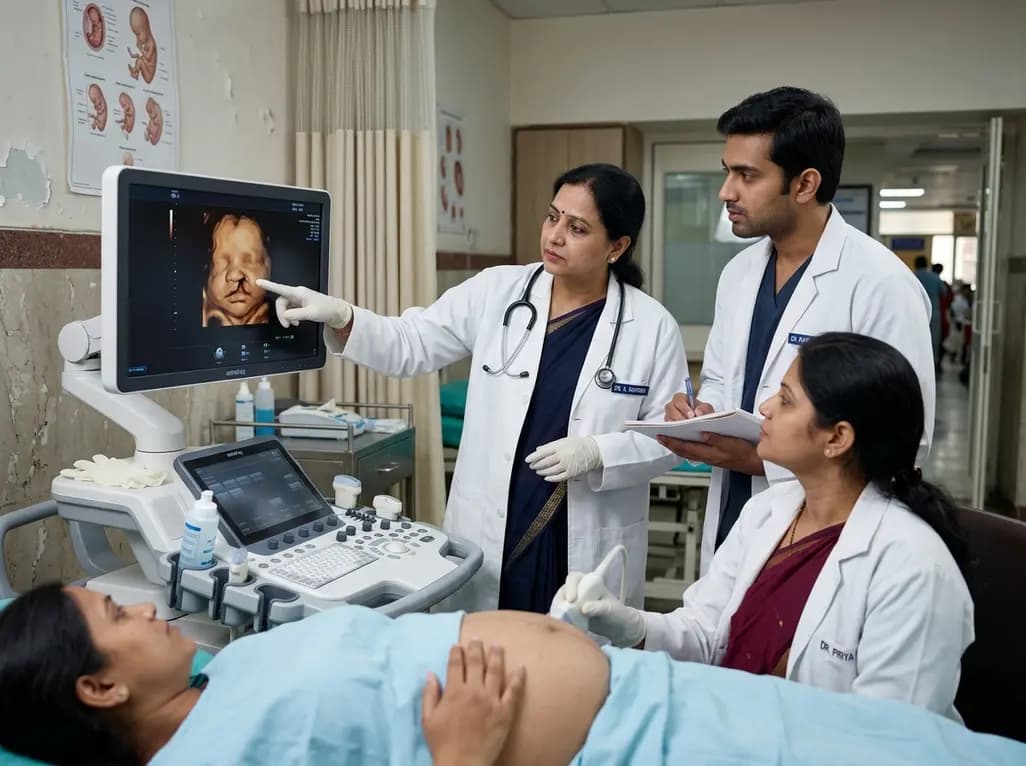
A 5-year retrospective study evaluates prenatal ultrasound detection of fetal cleft lip and palate. While overall detection reached 87%, accuracy varied from 99.3% in combined clefts to 50% in isolated cases. Combined defects showed elevated risks of concurrent structural anomalies and chromosomal abnormalities.
Today

An updated systematic review and meta-analysis of 7,875 patients reveals that routine microaxial left ventricular support during nonemergent high-risk PCI does not reduce mortality or ischemic complications, while significantly increasing major bleeding events.
Yesterday

Following Cyclone Chido, a WHO EMT-2 field hospital performed 268 surgeries in Mayotte. While acute trauma is expected initially, 98% of cases were septic wounds of the extremities requiring secondary intention healing, revealing crucial operational insights for disaster surgical preparedness.
Today
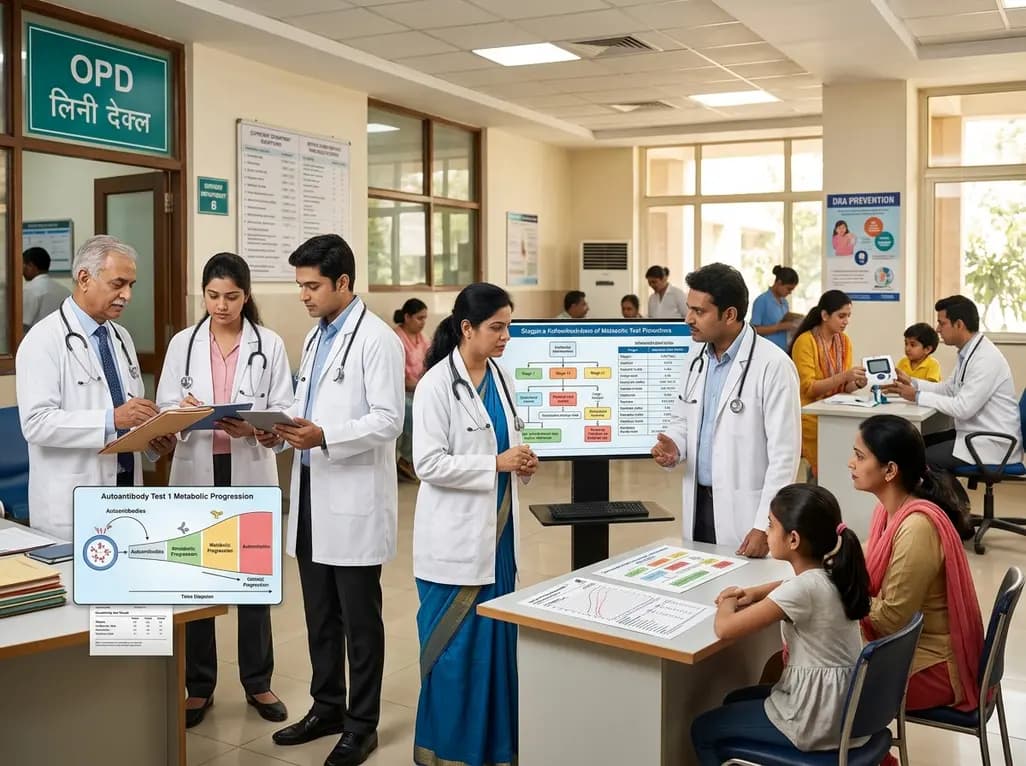
The SED-SEEN-SEEP consensus outlines an Integrated Care Pathway for preclinical type 1 diabetes, structuring target screening, autoantibody confirmation, metabolic staging, and proactive follow-up to prevent diabetic ketoacidosis and facilitate early disease-modifying intervention.
Yesterday
