.webp&w=384&q=75)

Loading, please wait...
Loading, please wait...

Artificial intelligence is rapidly reshaping modern medicine. Consequently, the field of AI in lymphedema research has experienced a significant surge in interest over the last decade. This evolving landscape utilizes machine learning to address long-standing challenges in vascular and oncological care. Recent bibliometric and altmetric analyses highlight how these technologies are moving from theoretical frameworks into practical clinical applications.
Researchers recently evaluated 43 key articles published between 1975 and 2025 to map the trajectory of this field. Specifically, the findings reveal that the United States and China are leading the global output. Most of these high-quality studies appear in Q1 and Q2 journals, such as Scientific Reports. Moreover, the research focuses heavily on two primary domains: risk prediction and early diagnosis. By identifying subtle physiological changes before clinical symptoms appear, machine learning models offer a window for early intervention. Therefore, clinicians can potentially prevent the progression of chronic swelling in high-risk patients.
Interestingly, a moderate positive correlation exists between academic citations and altmetric scores. This indicates that high-impact research also gains significant visibility across social media and news platforms. Such transparency encourages interdisciplinary collaborations between data scientists and medical professionals. Furthermore, clinical studies comprise the majority of original research, reflecting a strong shift toward patient-centered outcomes. Additionally, researchers have identified that risk prediction models are becoming increasingly sophisticated, incorporating multimodal data to enhance accuracy. However, practitioners must still validate these tools within diverse clinical environments to ensure reliability.
In summary, the integration of AI provides a transformative approach to managing lymphedema. These insights guide future methodological frameworks, allowing for more precise treatment pathways. As global interest continues to rise, the focus will likely shift toward real-time monitoring and personalized therapy. Notably, the synergy between technology and clinical expertise remains the cornerstone of this emerging field.
AI algorithms analyze clinical data and imaging to detect subtle fluid changes that the human eye might miss. This allows for intervention before the condition reaches advanced stages.
The United States and China currently lead in publication output, producing the highest volume of high-impact studies in this domain.
Research shows a moderate correlation, suggesting that scientifically significant papers often receive substantial attention on social media and digital news platforms.
Disclaimer: This content is for informational and educational purposes only... Refer to the latest local and national guidelines for clinical practice.
References
Taş N et al. Emerging trends in artificial intelligence research in lymphedema: An evaluation in light of bibliometric and altmetric data. Phlebology. 2026 May 16. doi: 10.1177/02683555261453763. PMID: 42141908.
Atiaa AG et al. Technology-enhanced compression and AI-integrated lymphedema care: a narrative review. Ir J Med Sci. 2025 Dec;194(6):1957-1976. doi: 10.1007/s11845-025-04101-4.
Notash et al. Artificial intelligence and lymphedema: State of the art. AccScience Publishing. 2022. doi: 10.36922/aihc.v1i1.125.
"
Read summarized clinical updates, watch expert medical content, and earn CME certifications right from your smartphone.
Open your smartphone camera to scan and install.





An evaluation of the current landscape of AI and machine learning in lymphedema research, highlighting global trends, risk prediction, and diagnostic breakt...
5 months ago

Following regulatory scrutiny from FSSAI regarding promotional representations and lean muscle preservation claims, Dr. Reddy's Laboratories and Nestlé Health Science are currently reviewing the branding and marketing strategy for their joint nutritional supplement Celevida GLP+.
Today
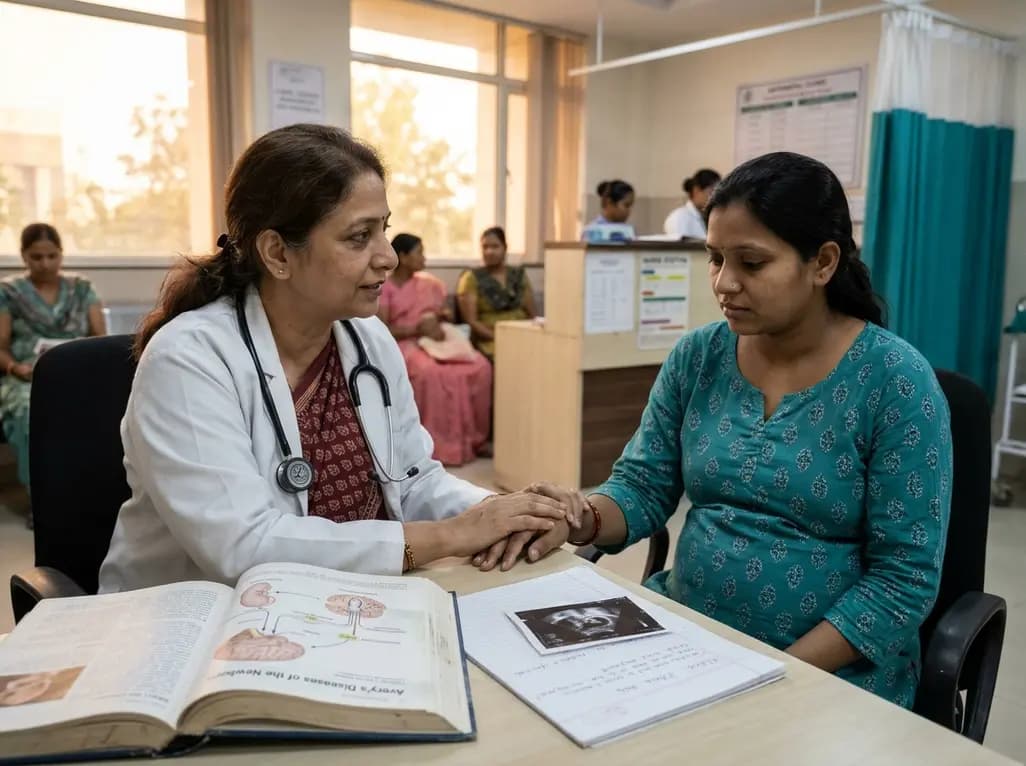
A comprehensive scoping review synthesises evidence linking prenatal maternal mental health to long-term offspring neurodevelopment, evaluating neuroendocrine, inflammatory, and epigenetic pathways while highlighting clinical screening and future research priorities.
Today

The Directorate General of Health Services directs Indian states to halt the hazardous reuse and reprocessing of single-use medical devices. Discover regulatory implications under the Drugs and Cosmetics Act, critical infection risks, legal liabilities, and operational changes required across clinical specialties.
Today
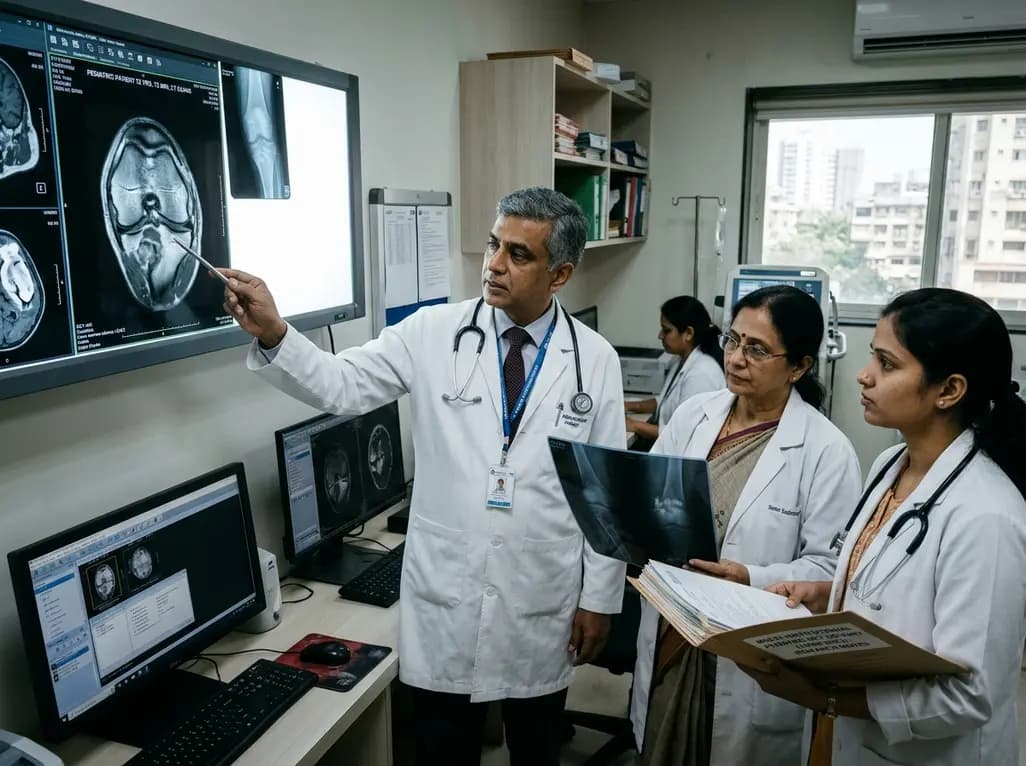
A 25-year multi-institutional cohort reveals high recurrence rates in pediatric giant cell tumor of bone, particularly in patients with open physes and bone marrow edema on preoperative MRI. Early surveillance and careful balance between growth plate preservation and tumor clearance are essential.
Today

India is advancing preventive healthcare by integrating genomics, artificial intelligence, and quantum technologies. With the SANGAM programme sequencing one million Indian genomes, clinicians can unlock personalized therapies, detect cardiometabolic risks early, and curb the burden of diabetes and heart disease.
Today
