.webp&w=384&q=75)

Loading, please wait...
Loading, please wait...

AI in healthcare India represents a transformative opportunity for the global medical community. At the recent AI India Summit, Royal Philips CEO Roy Jakobs highlighted how local innovations could reform international care models. Consequently, the intersection of talent and digital infrastructure positions the nation as a global engine for medical technology. The foundation for big data and unique health ideas creates possibilities for continuous care at a massive scale.
India\'s digital initiatives, specifically the Ayushman Bharat Digital Mission, provide a robust foundation for interoperable health records. These systems enable longitudinal patient data, which is essential for modern predictive medicine. Furthermore, the complexity of India’s urban and rural settings serves as a unique testbed for creating resilient solutions. Therefore, the shift from reactive to proactive care is becoming a reality for billions of people.
Philips has invested significantly in research and development through its Bengaluru and Pune innovation centers. These facilities focus on advanced imaging, patient monitoring, and connected care systems. Importantly, AI algorithms validated with diverse Indian datasets improve clinical robustness across various geographies. Moreover, co-creating clinical workflows with local partners ensures that these designs can scale effectively on a worldwide stage.
Currently, global healthcare systems face immense pressure from rising demand and chronic diseases. Stretched workforces and high patient expectations accelerate the need for data-driven innovation. However, Jakobs cautioned that technology must align with clinical needs to be truly effective. Specifically, solutions built for local constraints often provide the most valuable insights for global healthcare reform.
While innovation is vital, AI must be built on a foundation of trust and transparency. Clinicians need to understand how systems arrive at specific recommendations to ensure patient safety. Additionally, regulators must monitor safety and efficacy continuously rather than granting a single, one-time approval. In fact, trust determines the ultimate speed of adoption for any new medical technology.
Patients also require confidence that their personal data remains protected within these digital frameworks. Ultimately, if governance and technology move in alignment, adoption will accelerate across the entire sector. Innovation and safety must advance together to reshape the health of future generations.
Q1: How does India contribute to global AI healthcare models?
India serves as an unparalleled testbed for AI due to its scale and complexity, allowing for the validation of diverse datasets that improve algorithm robustness across different global geographies.
Q2: What role does the Ayushman Bharat Digital Mission play in healthcare AI?
The mission establishes the digital infrastructure needed for interoperable health records and longitudinal patient data, which are the essential building blocks for predictive AI systems.
Q3: Why is continuous validation necessary for AI in medicine?
Unlike traditional tools, AI systems evolve; therefore, continuous validation ensures that the technology remains safe, transparent, and effective throughout its clinical lifecycle.
Disclaimer: This content is for informational and educational purposes only. It does not constitute medical advice or replace professional judgment. Refer to the latest local and national guidelines for clinical practice.
References

Read summarized clinical updates, watch expert medical content, and earn CME certifications right from your smartphone.
Open your smartphone camera to scan and install.





Royal Philips CEO Roy Jakobs highlights India's role as a global innovation engine for AI healthcare solutions and the importance of trust in technology....
8 months ago

Following regulatory scrutiny from FSSAI regarding promotional representations and lean muscle preservation claims, Dr. Reddy's Laboratories and Nestlé Health Science are currently reviewing the branding and marketing strategy for their joint nutritional supplement Celevida GLP+.
Today
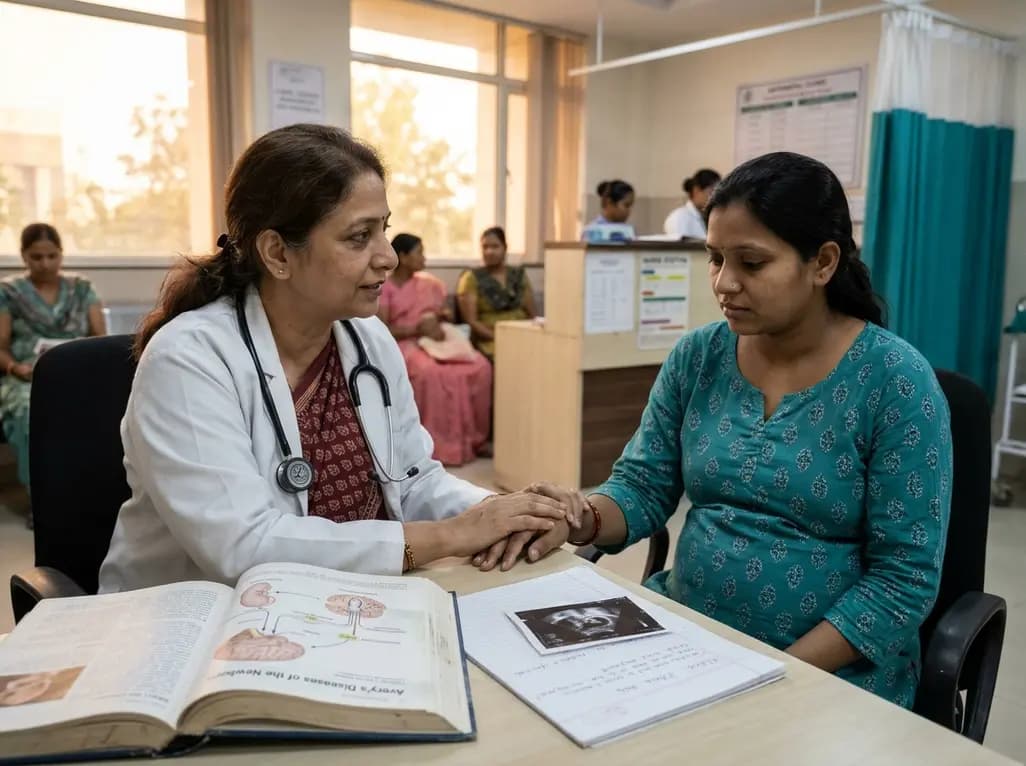
A comprehensive scoping review synthesises evidence linking prenatal maternal mental health to long-term offspring neurodevelopment, evaluating neuroendocrine, inflammatory, and epigenetic pathways while highlighting clinical screening and future research priorities.
Today

The Directorate General of Health Services directs Indian states to halt the hazardous reuse and reprocessing of single-use medical devices. Discover regulatory implications under the Drugs and Cosmetics Act, critical infection risks, legal liabilities, and operational changes required across clinical specialties.
Today
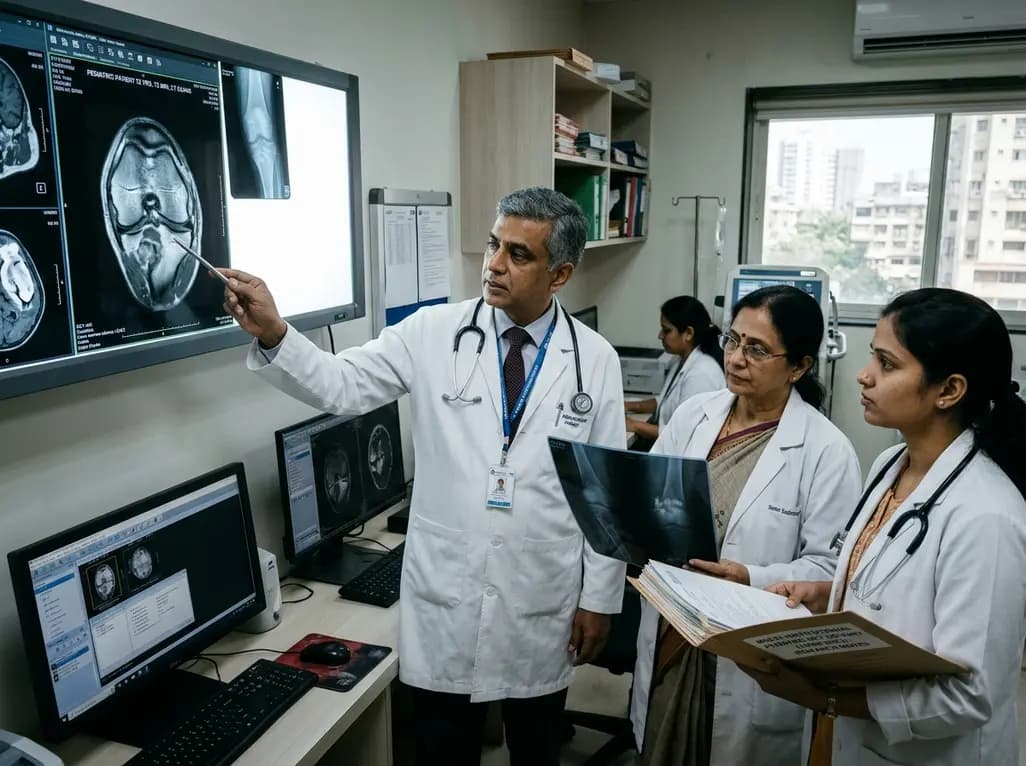
A 25-year multi-institutional cohort reveals high recurrence rates in pediatric giant cell tumor of bone, particularly in patients with open physes and bone marrow edema on preoperative MRI. Early surveillance and careful balance between growth plate preservation and tumor clearance are essential.
Today

India is advancing preventive healthcare by integrating genomics, artificial intelligence, and quantum technologies. With the SANGAM programme sequencing one million Indian genomes, clinicians can unlock personalized therapies, detect cardiometabolic risks early, and curb the burden of diabetes and heart disease.
Today
