.webp&w=384&q=75)

Loading, please wait...
Loading, please wait...

Neurological disorders such as stroke, Parkinson's disease, and multiple sclerosis represent major causes of severe motor impairment and long-term disability worldwide. For clinicians and physical therapists, restoring functional mobility and stability remains a fundamental therapeutic objective. Recently, the integration of AI in neurological rehabilitation has gained substantial momentum as engineering teams collaborate closely with neurorehabilitation specialists. Advanced computer algorithms offer remarkable potential to analyze intricate biomechanical signals, evaluate motor impairments, and assist therapeutic decision-making. However, while innovative software platforms emerge rapidly, medical professionals must carefully evaluate their real-world clinical validity. Understanding how algorithmic tools evaluate gait and balance ensures that physicians apply digital health solutions safely and effectively in everyday clinical practice.
A landmark scoping review by Pegorini and colleagues mapped the evolving applications of machine intelligence for gait and balance rehabilitation across stroke, Parkinson's disease, and multiple sclerosis cohorts. The investigators analyzed studies published between 2009 and 2025 across major global databases. Interestingly, half of all published investigations originated in Asia, demonstrating significant regional leadership in developing digital health frameworks. Furthermore, stroke survivors constituted the predominant patient demographic, representing nearly eighty percent of the literature. In contrast, researchers have examined Parkinson's disease and multiple sclerosis far less frequently, leaving notable clinical evidence gaps.
Clinicians frequently observe that post-stroke hemiparesis creates asymmetric walking dynamics, altered step cadence, and significant instability. Machine learning algorithms excel at capturing these subtle spatiotemporal anomalies through digital sensors and kinematic recordings. Consequently, early research efforts concentrated heavily on post-stroke gait restoration. Nevertheless, neurodegenerative pathologies like Parkinson's disease produce fluctuating movement patterns, including debilitating freezing of gait episodes. Similarly, multiple sclerosis generates variable cerebellar and sensory ataxia. Therefore, clinical researchers must broaden their investigative focus to include these underrepresented populations in future algorithmic evaluation protocols.
Artificial intelligence serves distinct clinical functions across patient care pathways, primarily categorizing into prognostic forecasting and diagnostic evaluation. According to recent systematic mapping, prognostic applications represent over seventy percent of the published rehabilitation studies. Specifically, computational tools predict post-stroke gait recovery trajectories, forecast fall likelihood, and estimate individual responsiveness to intensive physical therapy regimens. By identifying subtle kinematic alterations early, prognostic software helps clinicians tailor personalized intervention schedules for high-risk patients.
Meanwhile, diagnostic applications represent approximately one-third of the identified literature. Diagnostic algorithms process sensor-derived kinematic coordinates to detect movement pathology, quantify baseline disease severity, and differentiate specific clinical gait phenotypes. For example, inertial measurement units capture acceleration and angular velocity during standard clinical walking tests. Machine models then interpret these complex multidimensional datasets far faster than traditional observational ratings. In addition, these computational systems minimize subjective inter-rater variability during physical evaluations. Consequently, clinicians obtain standardized, reproducible metrics to track recovery over extended rehabilitation periods. Understanding these dual capabilities helps therapists identify patients who benefit most from predictive mobility assessments.
Modern neurorehabilitation predominantly leverages classical machine learning architectures rather than complex deep neural networks. Nearly ninety percent of current rehabilitation studies implement traditional supervised learning algorithms to evaluate functional mobility. Among these, Random Forest models, Support Vector Machines, logistic regression classifiers, and eXtreme Gradient Boosting represent the most widely utilized computational tools. These established models provide distinct advantages for clinical translation, including robust performance on modest sample sizes and lower computational requirements.
Furthermore, algorithms like Random Forest and logistic regression offer superior explainability compared to intricate deep learning architectures. In clinical environments, neurologists and physical therapists must understand how an algorithmic system reaches a specific prognostic conclusion. For instance, knowing which kinematic variables—such as ankle dorsiflexion angle or stride time variability—drive a fall-risk prediction empowers clinicians to design targeted corrective exercises. Conversely, opaque deep neural networks often obscure feature relationships, creating interpretability barriers that hinder physician adoption. Therefore, shallow machine learning models maintain strong utility in biomechanical laboratories, providing transparent classifications that directly align with established pathophysiological principles.
Despite encouraging analytical capabilities, current algorithmic frameworks face substantial methodological limitations that delay widespread hospital adoption. Most critically, the scoping review revealed that none of the analyzed studies conducted prospective clinical validation or external testing on independent datasets. Instead, researchers almost universally trained and tested their algorithms on homogeneous, retrospective cohorts using internal cross-validation techniques. Consequently, these models carry significant risk of algorithmic overfitting and overestimating clinical accuracy.
When researchers do not validate algorithms across diverse external cohorts, model performance frequently deteriorates in everyday healthcare settings. Real-world clinics treat heterogeneous patient populations with diverse comorbidities, variable disease severities, and distinct walking environments. Furthermore, sensor placement variability, patient fatigue, and environmental distractions introduce real-world data noise that internal laboratory datasets cannot capture. In addition, small sample sizes in initial feasibility trials restrict the statistical generalizability of reported findings. Therefore, until researchers perform robust multicenter prospective validations, clinicians must interpret predictive outputs cautiously. Establishing rigorous external validation standards remains imperative before artificial intelligence guides everyday rehabilitation decisions.
Overcoming current translational barriers requires a fundamental paradigm shift in neurorehabilitation engineering and clinical study design. Interdisciplinary collaborations between software developers, clinical neurologists, and physical therapists must guide the creation of future analytical tools. Specifically, development teams must prioritize usability, real-time feedback mechanisms, and seamless integration into electronic health records. Wearable sensors, such as unobtrusive smart insoles and synchronized inertial trackers, offer practical opportunities for continuous monitoring in community environments.
Moreover, future clinical trials must evaluate whether algorithmic guidance actually improves functional patient outcomes compared to standard clinical care. Demonstrating high mathematical accuracy is no longer sufficient for regulatory approval and clinical integration. Instead, researchers must prove that algorithm-driven therapy adjustments directly reduce hospital readmissions, decrease catastrophic fall rates, and accelerate motor independence. Additionally, investigators must address regulatory compliance, patient data privacy, and ethical equity across socioeconomic groups. Addressing these requirements through clinical trials will transform promising computational concepts into reliable bedside rehabilitation companions.
Machine learning models analyze spatiotemporal data collected from wearable inertial sensors or motion-capture cameras. By evaluating subtle gait asymmetries, irregular stride time variability, and postural sway deviations, algorithms identify hidden instability patterns. These predictive models alert clinicians to elevated fall risks, allowing therapists to implement targeted balance interventions proactively.
External validation tests algorithms on new patient datasets collected across different medical centers and testing conditions. Without independent validation, computational models risk overfitting to laboratory-specific data, leading to inflated accuracy metrics. Successful external testing ensures that predictive systems perform reliably and safely across diverse clinical demographics and noisy real-world environments.
Stroke survivors currently represent the most thoroughly studied cohort in algorithmic gait rehabilitation, accounting for nearly eighty percent of published investigations. Machine learning tools effectively track post-stroke hemiparetic gait asymmetries and predict functional recovery trajectories. However, emerging research increasingly focuses on Parkinson's disease freezing detection and multiple sclerosis ataxia monitoring.
Disclaimer: This content is for informational and educational purposes only and should not be considered medical advice. Always consult a qualified healthcare professional regarding any medical condition or treatment. Refer to the latest local and national guidelines for clinical practice.
References
Pegorini C et al. Artificial intelligence for gait and balance in neurological disorders: a scoping review of clinical applications and technologies. J Neurol. 2026 May 28. doi: 10.1007/s00415-026-13828-8. PMID: 42209881.
Barbieri FA, et al. Machine learning to diagnose Parkinson's disease through gait analysis. Front Bioeng Biotechnol. 2022;10:826194.
Skvortsov D, et al. Digital and intelligent rehabilitation technologies in stroke and neurological disorders: A systematic review. Bioengineering. 2026;13(2):195.

Read summarized clinical updates, watch expert medical content, and earn CME certifications right from your smartphone.
Open your smartphone camera to scan and install.





A scoping review reveals AI tools predominantly predict fall risk and functional recovery in stroke and Parkinson's disease, but external clinical validation remains a critical barrier.
Today
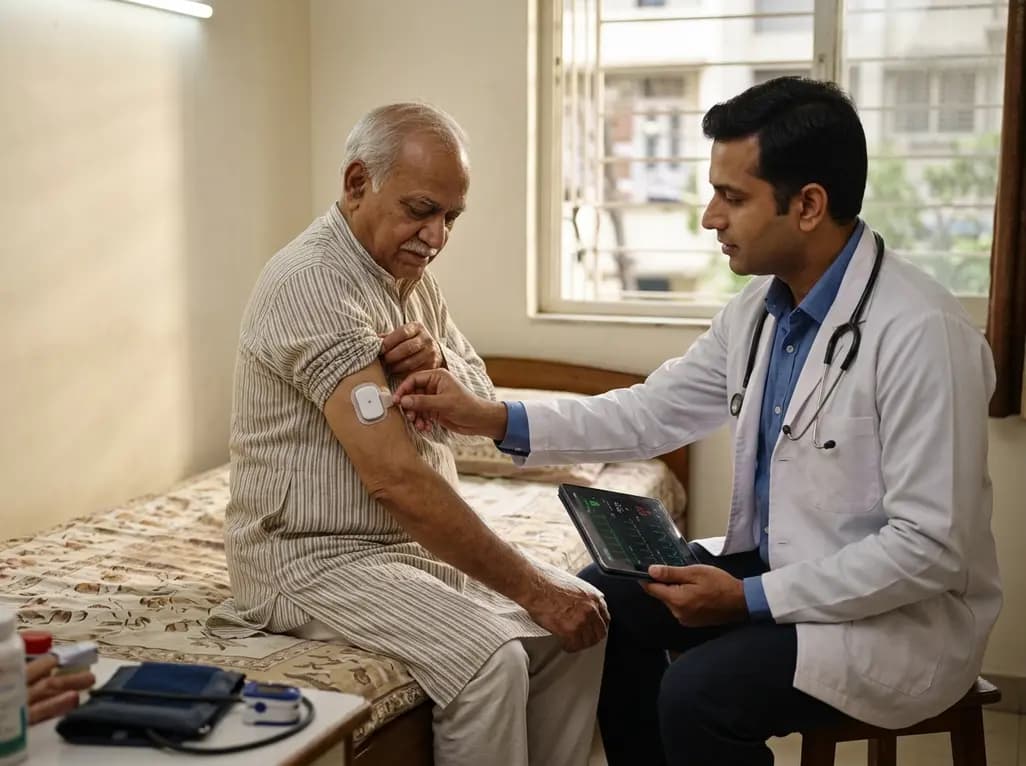
A feasibility study evaluates remote vital sign monitoring in acute hospital at home patients. Continuous wearable patches captured heart rate and respiratory rate with high adherence (89% and 75%), significantly exceeding manual spot checks for blood pressure, oxygen saturation, and temperature.
Today
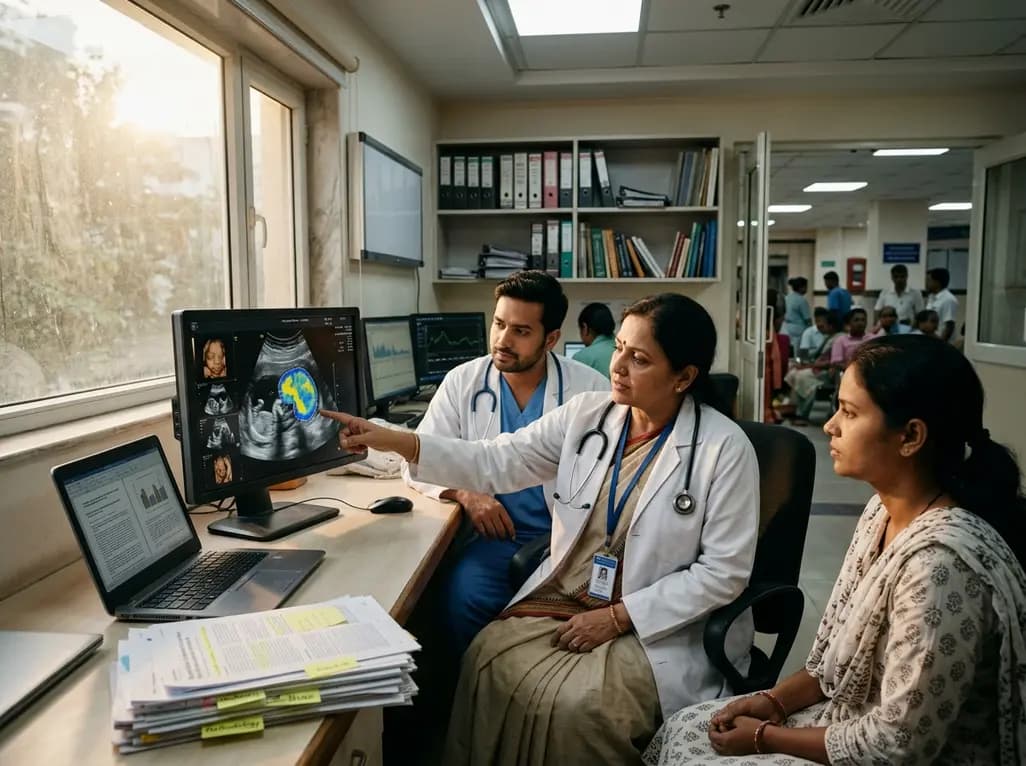
A scoping review evaluates 116 studies on AI in women's reproductive health, finding that 83.6% carry high risk of bias. While ensemble models show promise, disparities and lack of validation hinder LMIC deployment.
Today
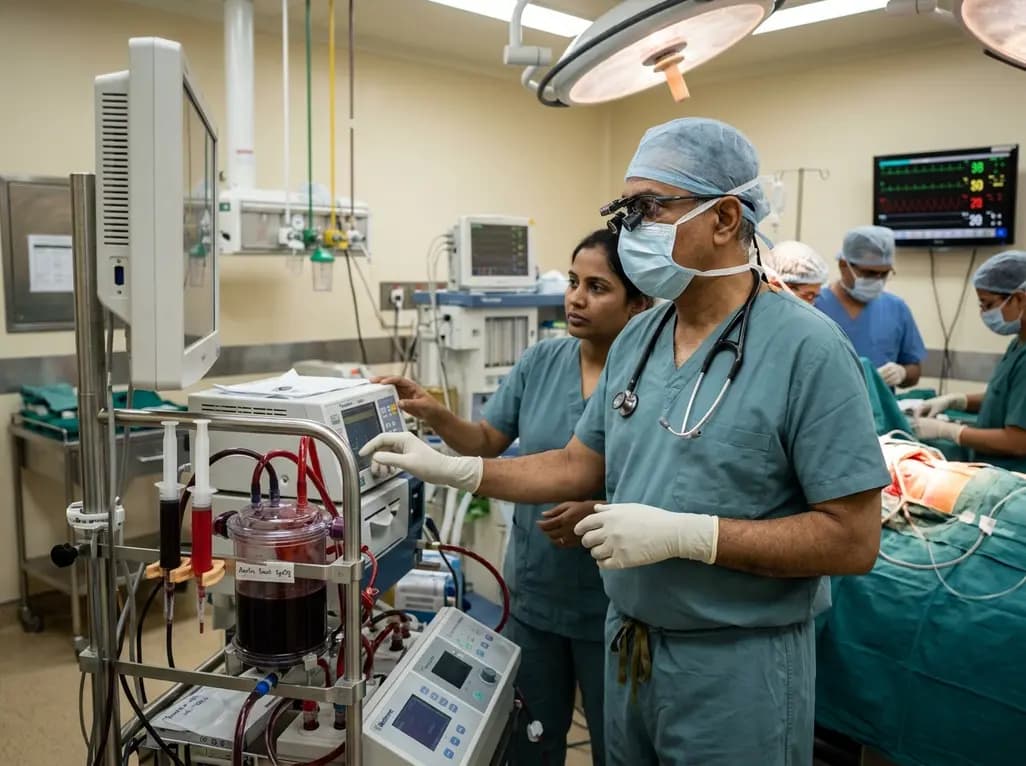
Differential oxygenation during peripheral TA-NRP can cause undetected coronary hypoxemia due to arch vessel clamping. A novel circuit with continuous aortic root monitoring detects desaturation early, facilitating left ventricular unloading and preventing allograft dysfunction and unnecessary heart discard.
Today
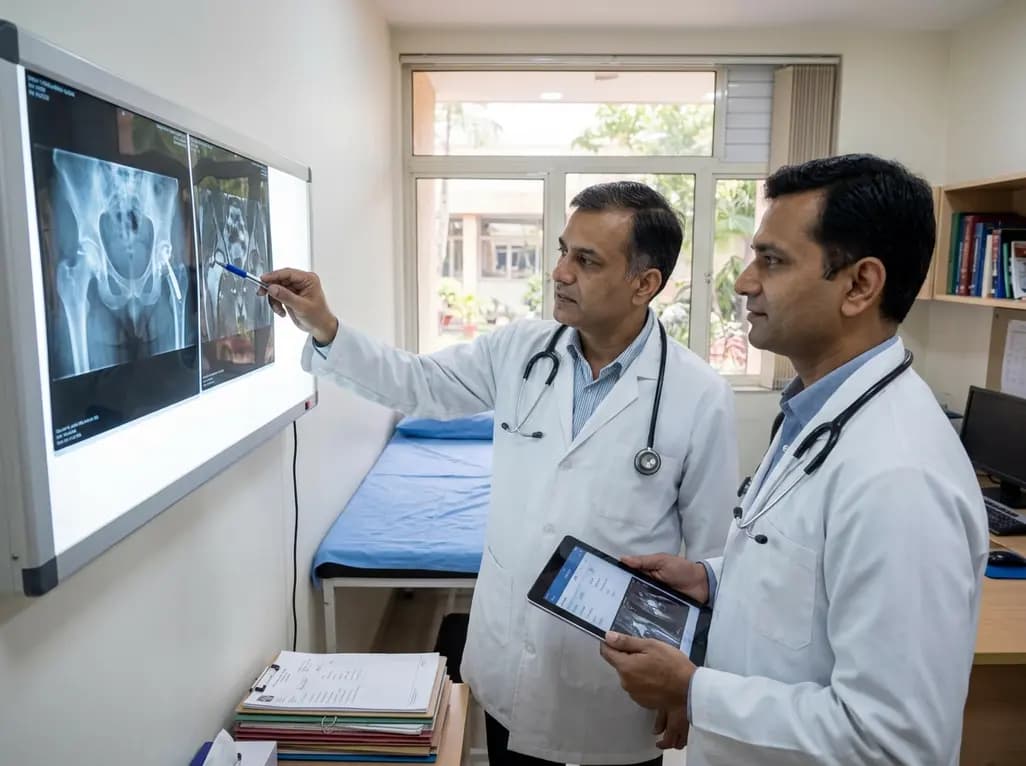
A longitudinal study reveals that patients undergoing staged bilateral hip arthroscopy experience progressive contralateral labral deterioration during surgical intervals. However, structural degradation does not compromise 2-year postoperative clinical outcomes or patient-reported satisfaction scores.
Today
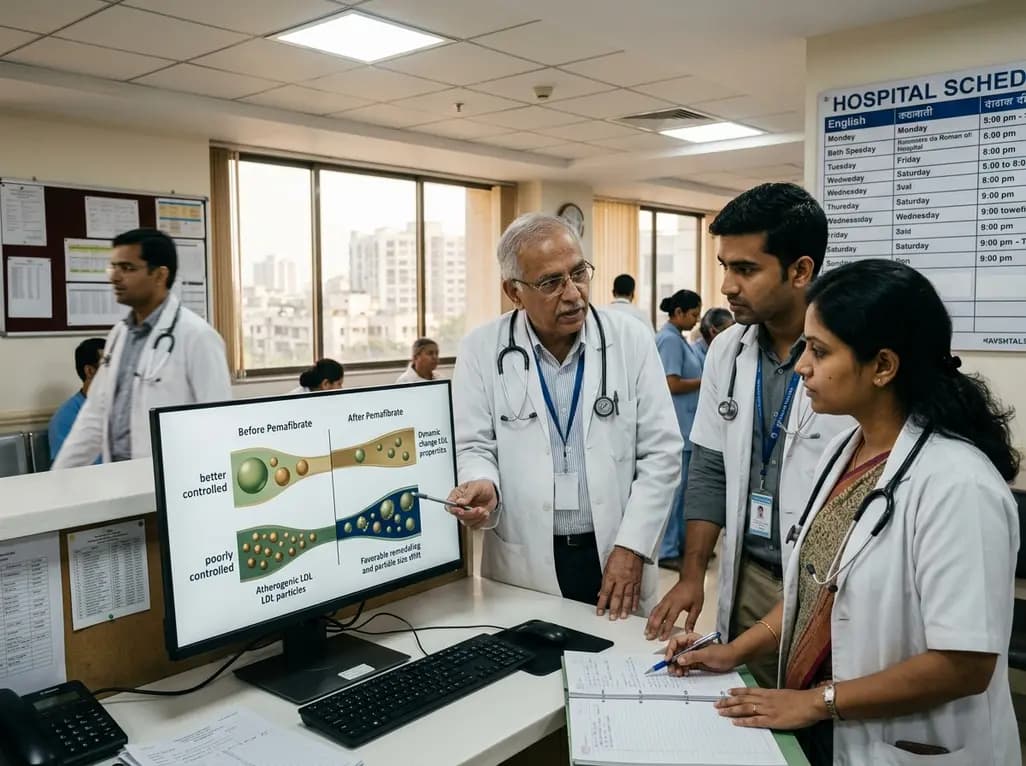
A post hoc analysis of the PARM-T2D study shows pemafibrate exerts baseline-dependent effects on LDL-C and particle size in type 2 diabetes and hypertriglyceridemia. It lowers triglycerides and remnants while favorably remodeling atherogenic LDL particles based on initial lipid control status.
Today
