.webp&w=384&q=75)

Loading, please wait...
Loading, please wait...

Breast cancer remains the most prevalent malignancy among women globally, including in India, where late-stage diagnosis frequently hinders treatment outcomes. Early identification is the cornerstone of effective management, yet traditional diagnostic workflows often face challenges due to human error and imaging limitations. Modern AI breast cancer detection technology has emerged as a transformative force in oncology, offering the potential to identify subtle abnormalities that may elude the human eye. The development of the Eel and Grouper Lyrebird Optimizer-based Fractal Deep Spiking Residual Network (EGLOFDSRN) represents a significant leap forward in this domain. This innovative model utilizes advanced computational frameworks to analyze mammogram images with unprecedented precision. By integrating bio-inspired optimization with deep spiking neural networks, researchers are paving the way for more reliable screening protocols. Consequently, this shift toward automated diagnostic assistance could drastically improve survival rates by facilitating earlier intervention. Furthermore, the integration of these AI systems into the clinical infrastructure of India could address the shortage of specialized radiologists in rural and semi-urban regions, ensuring that life-saving screenings are accessible to a broader demographic of women across the country.
Mammography is widely regarded as the gold standard for early breast cancer screening, but it is not without its technical hurdles. One of the primary obstacles in interpreting mammograms (MG) is the inherent difficulty of visualizing lesions in dense breast tissue. Often, breast cancer in its beginning stages presents with poor visibility and low contrast, making it nearly indistinguishable from healthy glandular tissue. These imaging artifacts are frequently exacerbated by suboptimal image acquisition or noise. To address these issues, the EGLOFDSRN framework employs the Wiener filter during the initial pre-processing stage. The Wiener filter is highly effective at reducing additive noise while simultaneously deblurring the image, which restores the structural integrity of the mammographic data. Furthermore, the segmentation of the cancer region is handled by U-Next, a specialized architecture designed to isolate pathological areas with high accuracy. This precise segmentation ensures that subsequent feature extraction focuses solely on the relevant tissue, thereby reducing the likelihood of false negatives. By overcoming these visibility challenges, the system provides a clearer diagnostic picture, which is essential for clinicians who must make high-stakes decisions regarding biopsies and surgical interventions. Enhanced contrast and clarity are particularly vital in the Indian context, where diagnostic resources must be utilized with maximum efficiency.
The technical architecture of the EGLOFDSRN model is a sophisticated fusion of several cutting-edge deep learning paradigms. At its core, the system utilizes the Fractal Deep Spiking Residual Network (FDSRN), which is a hybrid of FractalNet and Spiking ResNet (S-ResNet). Spiking neural networks are biologically inspired models that process information in a manner similar to human neurons, which allows for greater computational efficiency and improved temporal data handling. By combining this with the recursive, self-similar patterns of FractalNet, the FDSRN can extract complex hierarchies of features from mammogram images. Moreover, image augmentation techniques are applied after segmentation to broaden the dataset, ensuring the model remains robust against various imaging conditions and anatomical variations. This architectural complexity is necessary because breast cancer features are often non-linear and highly variable. The model effectively learns to distinguish between benign calcifications and malignant masses by analyzing these fractal patterns. Consequently, the network achieves a level of diagnostic depth that surpasses traditional linear convolutional neural networks. This advancement is particularly relevant for AI breast cancer detection because it allows for the detection of micro-calcifications that are often the earliest signs of malignancy, yet are frequently missed during routine manual screenings.
Training a deep spiking residual network requires highly efficient optimization to ensure the model converges on the most accurate diagnostic parameters. The EGLOFDSRN model introduces the Eel and Grouper Lyrebird Optimizer (EGLO), a novel meta-heuristic algorithm that merges the Eel and Grouper Optimizer (EGO) with the Lyrebird Optimization Algorithm (LOA). These bio-inspired algorithms simulate the natural foraging and survival strategies found in the wild. For instance, the EGO component mimics the symbiotic hunting interactions between eels and groupers, which facilitates a comprehensive search for global optima. Meanwhile, the LOA component simulates the sophisticated mimicry and escape strategies of the lyrebird, providing the exploitation capabilities needed to refine the model's accuracy. By incorporating these natural behaviors into the mathematical training process, the EGLO ensures that the FDSRN is not only fast but also highly precise in its classification tasks. This dual approach to optimization prevents the model from getting stuck in local minima, which is a common failure point in traditional AI training. For the medical educator, this demonstrates how cross-disciplinary research between biology and computer science can lead to breakthroughs that directly enhance patient care and diagnostic confidence.
The performance of any AI-driven diagnostic tool must be validated through rigorous statistical metrics before it can be integrated into clinical practice. In the case of the EGLOFDSRN model, the outcomes are exceptionally promising. The system achieved an overall accuracy of 91.780%, coupled with a sensitivity of 90.689% and a specificity of 91.610%. For a radiologist, high sensitivity is crucial as it indicates the model's ability to correctly identify women who truly have breast cancer, thereby minimizing missed diagnoses. Conversely, high specificity ensures that fewer women are subjected to the psychological and physical stress of unnecessary follow-up procedures due to false positives. These metrics suggest that the model can serve as a reliable "second opinion" in the radiology suite. In many clinical settings across India, where the volume of screenings can be overwhelming, having an AI tool that operates with over 90% accuracy can significantly reduce the cognitive load on physicians. Furthermore, the model’s ability to maintain high specificity while identifying early-stage lesions could redefine the standard of care for screening programs. These results underscore the viability of implementing such bio-inspired frameworks within national health programs to standardize screening quality regardless of geographic location.
Looking ahead, the successful deployment of the EGLOFDSRN model represents just the beginning of a new era in Indian radiology. The scalability of such AI frameworks allows for their integration into cloud-based screening platforms, which could link rural health centers with urban cancer institutes. This would enable real-time diagnostic support in areas where specialized oncologists are scarce. Moreover, the low computational overhead associated with spiking neural networks makes these models suitable for edge computing, where processing occurs directly on diagnostic hardware. Future research should focus on validating these algorithms across diverse Indian populations to account for variations in breast density and genetic predispositions. Additionally, the regulatory environment in India is evolving to accommodate AI in healthcare, emphasizing the need for transparent and explainable models. As clinicians become more familiar with AI breast cancer detection tools, the emphasis will likely shift from simple detection to predictive risk assessment. This transition could lead to more personalized screening intervals based on an individual’s specific risk profile. Ultimately, the synergy between human expertise and bio-inspired artificial intelligence will be the key to reducing the breast cancer mortality rate and improving the quality of life for millions of women.
The EGLOFDSRN model improves accuracy by utilizing a Wiener filter to remove noise and a specialized U-Next architecture for precise tumor segmentation. It further employs a Fractal Deep Spiking Residual Network that mimics biological neural processing to identify subtle, early-stage cancerous features. By using the bio-inspired EGLO optimizer, the model refines its detection capabilities to achieve an impressive 91.78% accuracy, significantly outperforming many traditional automated systems.
Bio-inspired optimization, such as the Eel and Grouper Lyrebird Optimizer, allows AI models to find the most accurate diagnostic patterns more efficiently. These algorithms simulate natural strategies to avoid common computational errors, ensuring the model is highly sensitive to real malignancies while maintaining high specificity. For clinicians, this means a more reliable diagnostic tool that reduces the rate of false positives and ensures that early-stage cancers are not overlooked during routine screenings.
High sensitivity is vital because it ensures that the majority of actual cancer cases are detected early, which is critical for successful treatment. High specificity is equally important because it reduces false alarms, saving patients from the anxiety and potential harm of unnecessary biopsies. The EGLOFDSRN model’s balance of approximately 90.69% sensitivity and 91.61% specificity provides a dependable clinical baseline that enhances diagnostic confidence while optimizing the use of healthcare resources.
Disclaimer: This content is for informational and educational purposes only and does not constitute medical advice, diagnosis, or treatment. Always seek the advice of a qualified healthcare provider with any questions regarding a medical condition. The use of AI in diagnostics should be considered a supportive tool for clinical decision-making by trained professionals. Refer to the latest local and national guidelines for clinical practice.
References
Urabinahatti SA et al. Eel and grouper lyrebird optimizer based fractal deep spiking residual network for breast cancer detection using mammogram images. Sci Rep. 2026 Jun 30. doi: 10.1038/s41598-026-58156-z. PMID: 42380370.
Sidney Andre et al. Enhancing breast cancer detection with AI for early diagnosis and recurrence prediction. Oncoscience. 2026;13. doi: 10.18632/oncoscience.598.
Liu Y et al. Use of an AI score combining cancer signs, masking, and risk to select patients for supplemental breast cancer screening. Radiology. 2024;311(1):e231521.

Read summarized clinical updates, watch expert medical content, and earn CME certifications right from your smartphone.
Open your smartphone camera to scan and install.





A new study introduces the EGLOFDSRN model, a bio-inspired AI framework that achieves over 91% accuracy in detecting breast cancer from mammogram images. This breakthrough combines FractalNet and Spiking ResNet to overcome imaging challenges like low contrast and visibility.
3 months ago
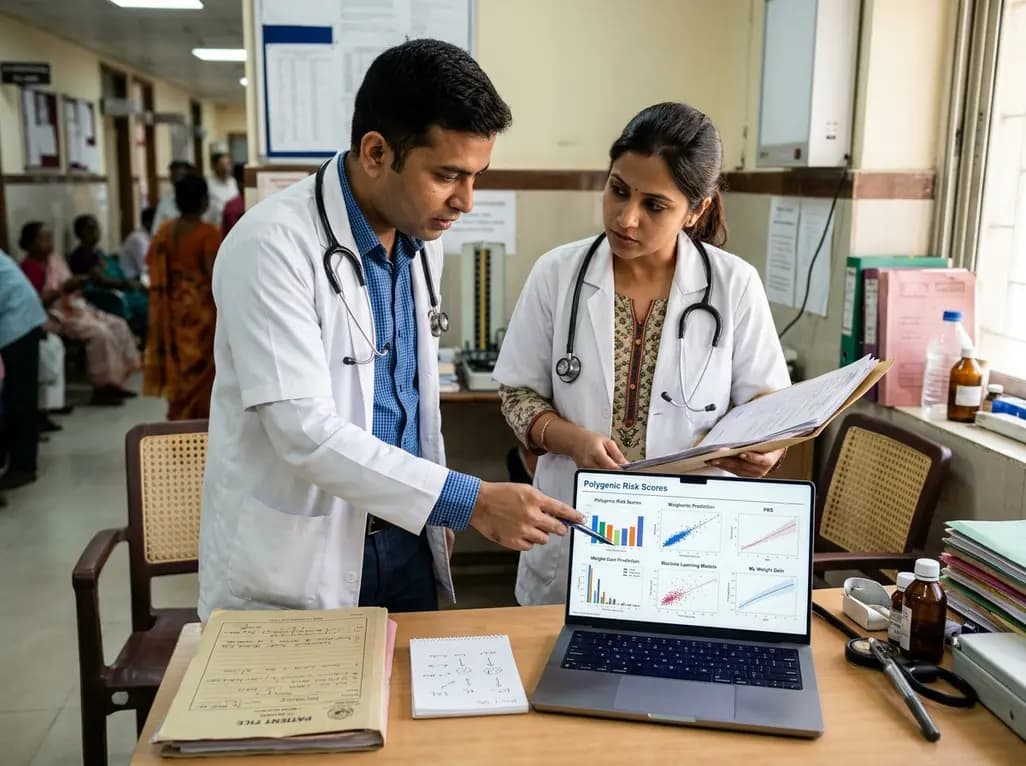
An observational study from the NIH All of Us Research Program reveals that adding a multi-ancestry polygenic risk score to machine learning models provides only modest improvements in predicting adult weight gain, underscoring the enduring significance of routine clinical and lifestyle factors.
Today

A study in JAMIA Open shows lightweight open-source reasoning LLMs achieve up to 95% sensitivity and accelerate evidence synthesis screening by nearly twentyfold, presenting a cost-effective, scalable AI solution for biomedical research and systematic reviews.
Today
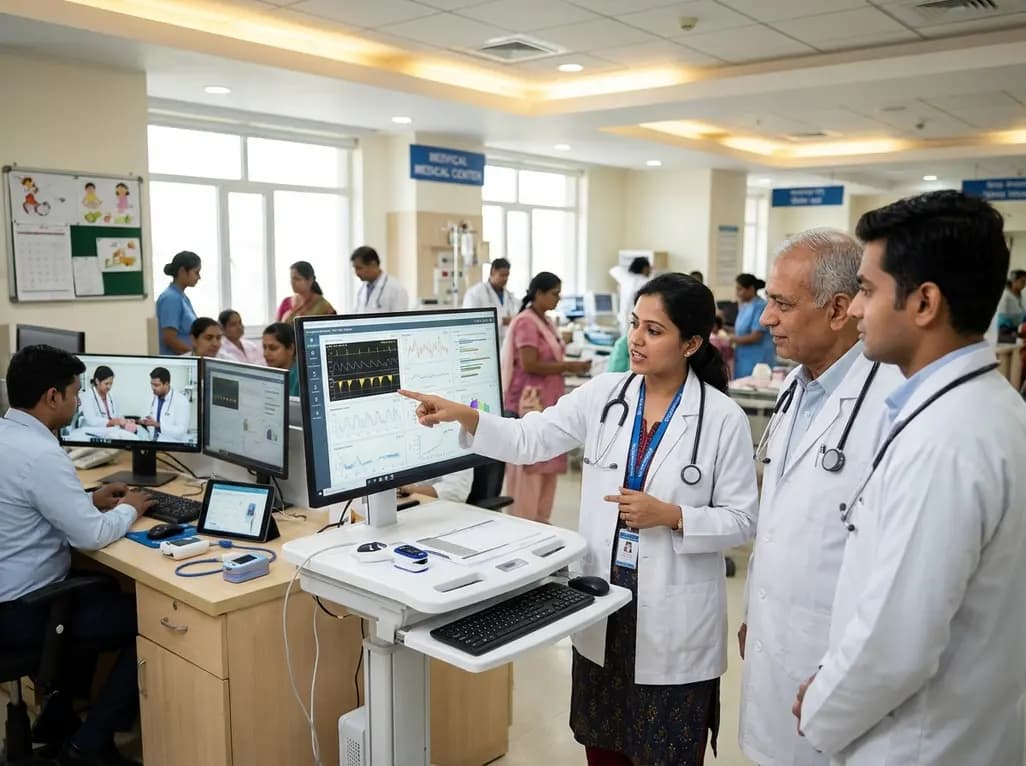
A landmark study details how an enterprise pediatric remote patient management model expanded from a single cardiology pilot to 16 diverse specialty programs by combining centralized digital operations with specialty clinical leadership.
Today
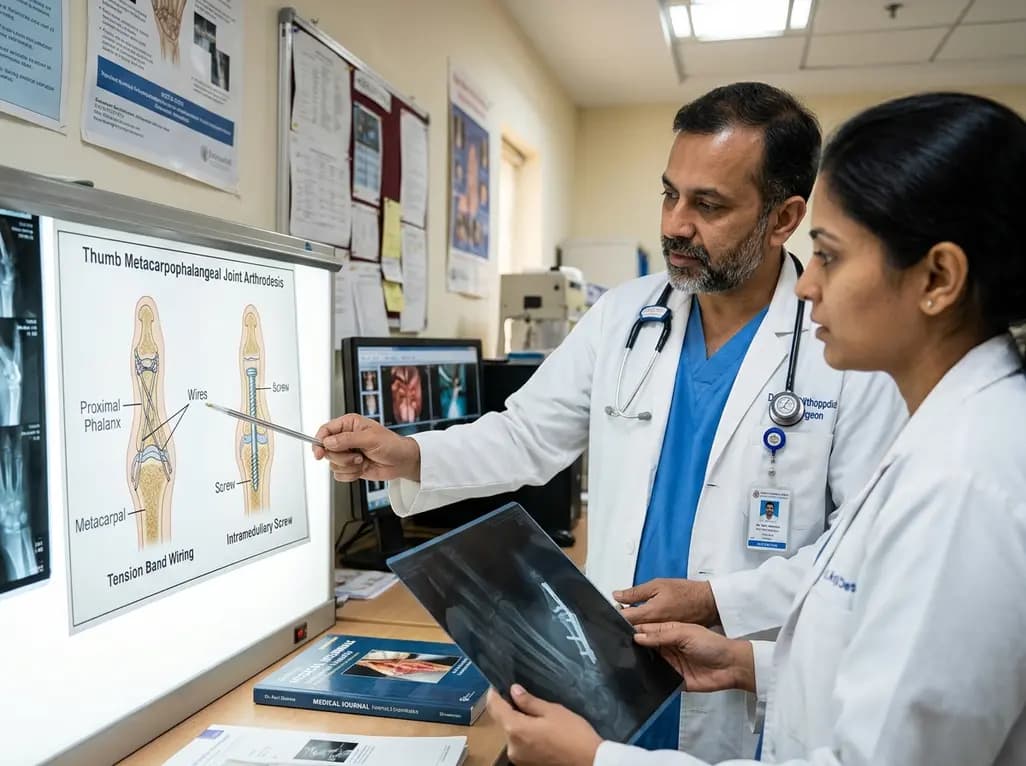
A comparative review of tension band wiring and intramedullary screw fixation in thumb metacarpophalangeal arthrodesis, evaluating union rates, hardware complications, and clinical outcomes.
Yesterday
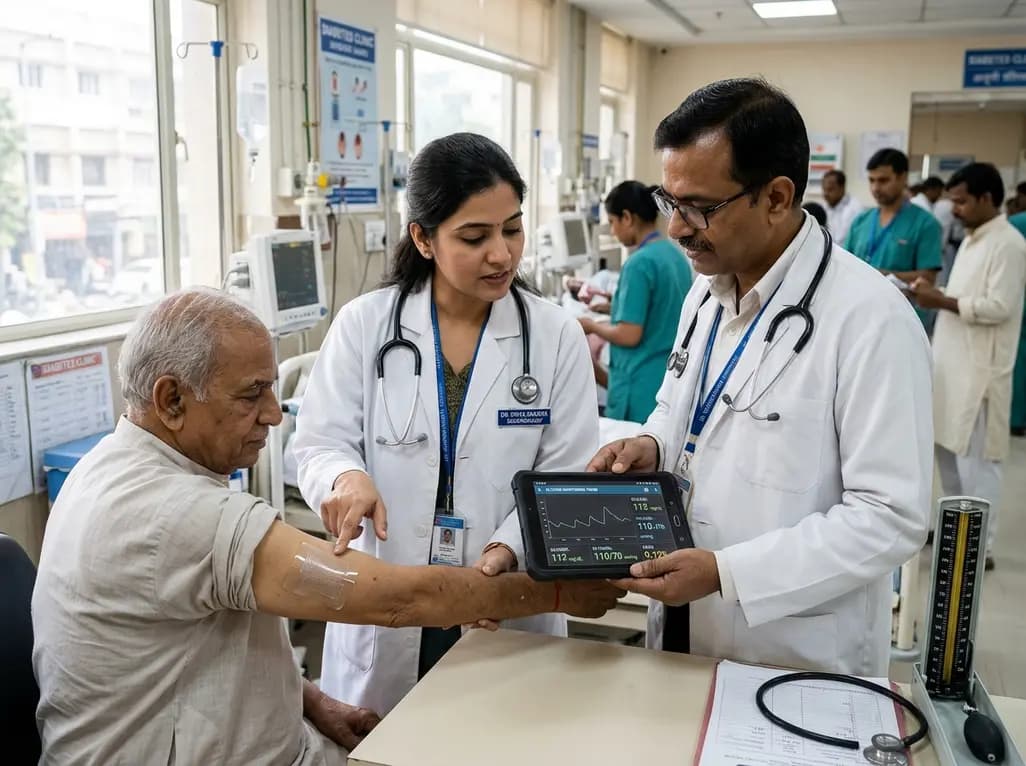
A breakthrough ultrathin multimodal sensor decouples physical hemodynamic monitoring from disposable electrochemical calibration, achieving long-term wearable glucose prediction with 81.36% accuracy and a 9.12% MARD. This offers a robust, drift-free solution for outpatient metabolic surveillance.
Yesterday
