.webp&w=384&q=75)

Loading, please wait...
Loading, please wait...
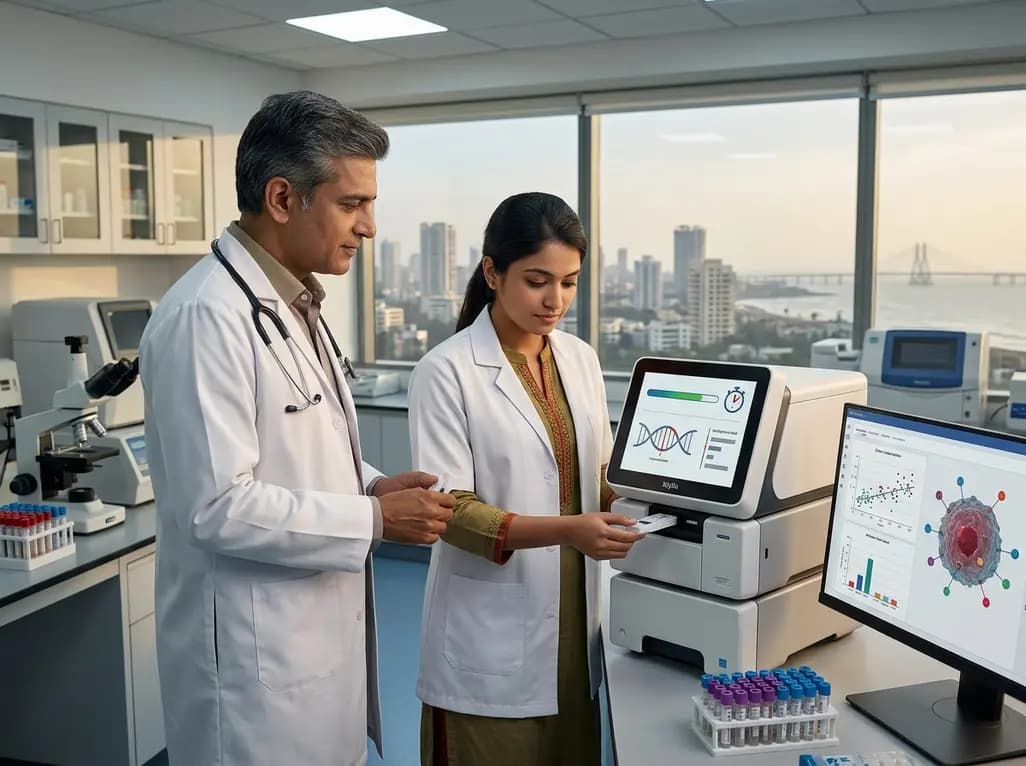
Agilus Diagnostics has launched the automated Idylla system at its Goregaon laboratory in Mumbai. This advanced platform revolutionizes clinical workflows by delivering rapid cancer mutation testing in just 2.5 to 3 hours. Consequently, clinicians can now bypass conventional testing methods that typically take several days to process.
Furthermore, this technology allows oncologists to make timely, biomarker-driven treatment decisions during critical windows. Because of this speed, patients can begin targeted therapies without unnecessary delays.
The cartridge-based Idylla platform fully automates the testing process. Specifically, it integrates sample processing, nucleic acid extraction, amplification, and detection into a single workflow. Therefore, it minimizes manual intervention and reduces pre-analytical variability. This automation ensures highly accurate and reproducible results.
Additionally, the system detects critical genetic mutations across various cancer types. For instance, it identifies EGFR mutations, which frequently occur in lung cancer patients within Indian and Asian populations. It also screens for KRAS and NRAS mutations, which are crucial biomarkers in colorectal and pancreatic cancers. Moreover, it detects BRAF mutations found in melanoma and colorectal cancers.
Beyond these standard markers, the platform supports testing for emerging biomarkers. These include Microsatellite Instability (MSI) and IDH1/IDH2 mutations. Consequently, clinicians can better determine patient eligibility for advanced immunotherapies and targeted treatments.
Oncologists often face limited tissue samples in advanced cases. Therefore, the ability to obtain reliable genomic insights quickly is invaluable. The platform's high analytical performance helps optimize clinical outcomes when time is of the essence. As a result, India is taking a major step forward in expanding access to precision medicine.
Q1: What is the main advantage of the Idylla molecular diagnostics system?
The system delivers highly accurate genetic mutation results within 2.5 to 3 hours. Consequently, it is significantly faster than traditional molecular tests that require several days.
Q2: Which cancer biomarkers can this platform detect?
The platform identifies key mutations such as EGFR, KRAS, NRAS, and BRAF. Additionally, it supports testing for emerging markers like MSI and IDH1/IDH2.
Disclaimer: This content is for informational and educational purposes only. It does not constitute medical advice or replace professional judgment. Refer to the latest local and national guidelines for clinical practice.
References

Read summarized clinical updates, watch expert medical content, and earn CME certifications right from your smartphone.
Open your smartphone camera to scan and install.





Agilus Diagnostics has launched the cartridge-based Idylla molecular diagnostics system in Mumbai. The automated platform reduces cancer mutation testing times to 2.5–3 hours, enabling clinicians to identify key genetic biomarkers and initiate targeted therapies much faster than conventional methods.
4 months ago
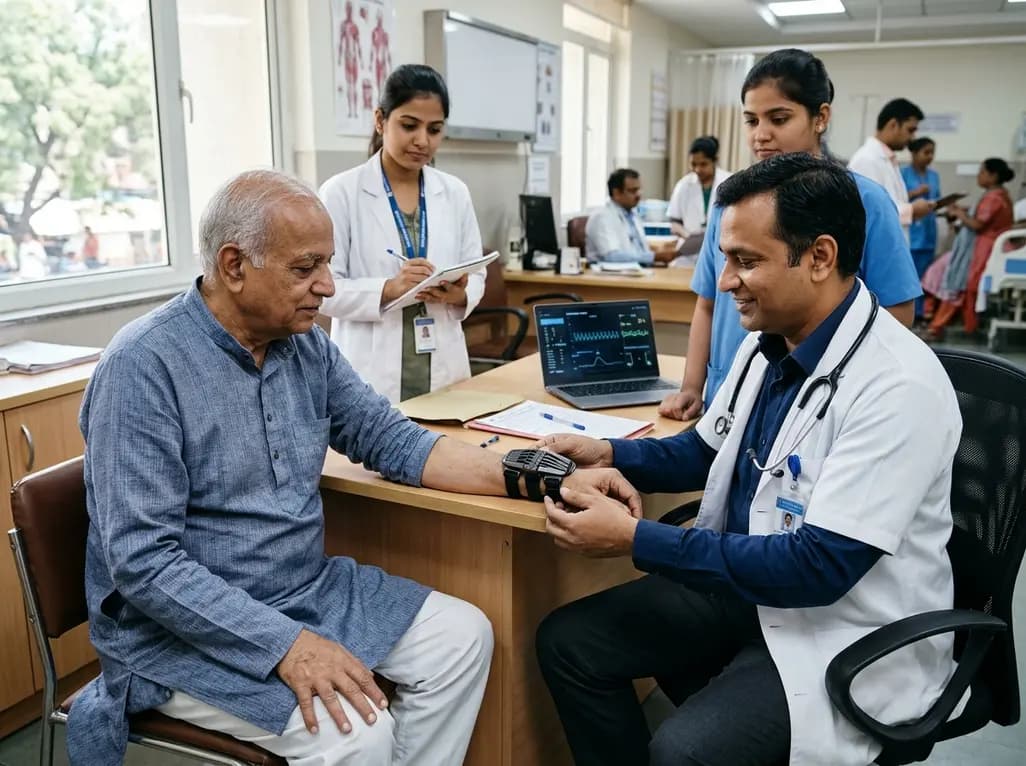
The TREM-AB open-label pilot study evaluated a wearable passive nonlinear vibration absorber for essential tremor. The Nonlinear Energy Sink bracelet reduced clinical Fahn-Tolosa-Marin tremor scores by 32.1% and electrophysiological tremor power by 49.2% with no adverse effects reported.
Today
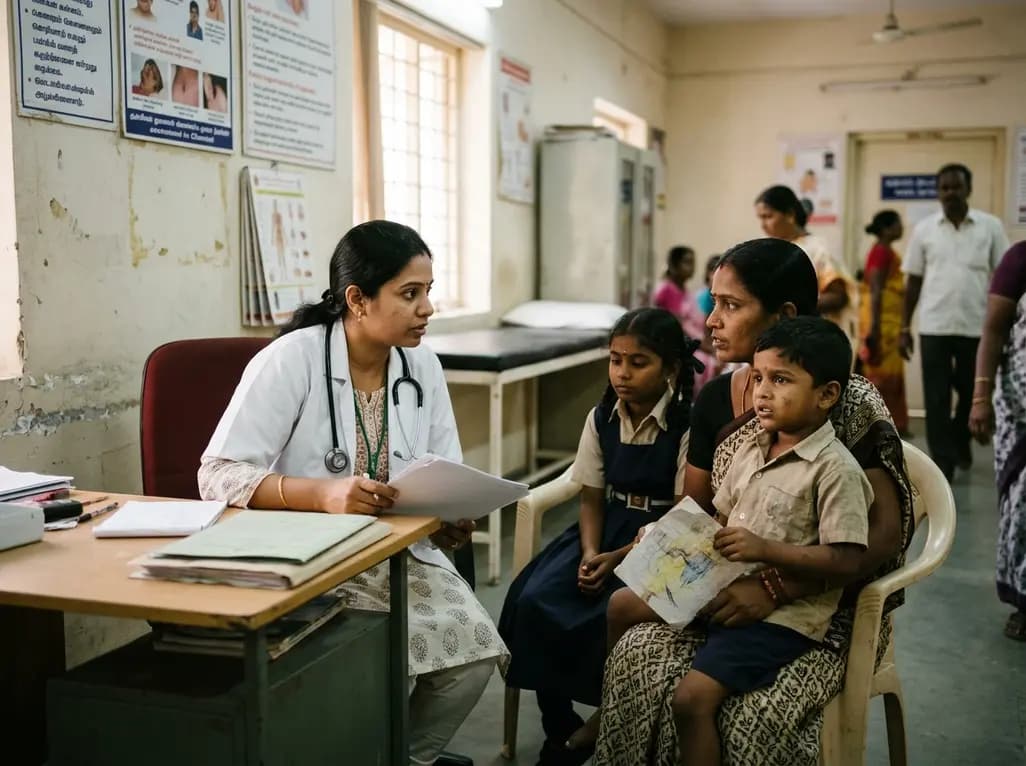
A population-based study of 20,928 children reveals that small vulnerable newborns face sex-divergent mental capital outcomes at ages 6-7: term SGA girls show higher behavioral difficulties and lower resilience, while preterm non-SGA boys experience increased behavioral problems.
Today
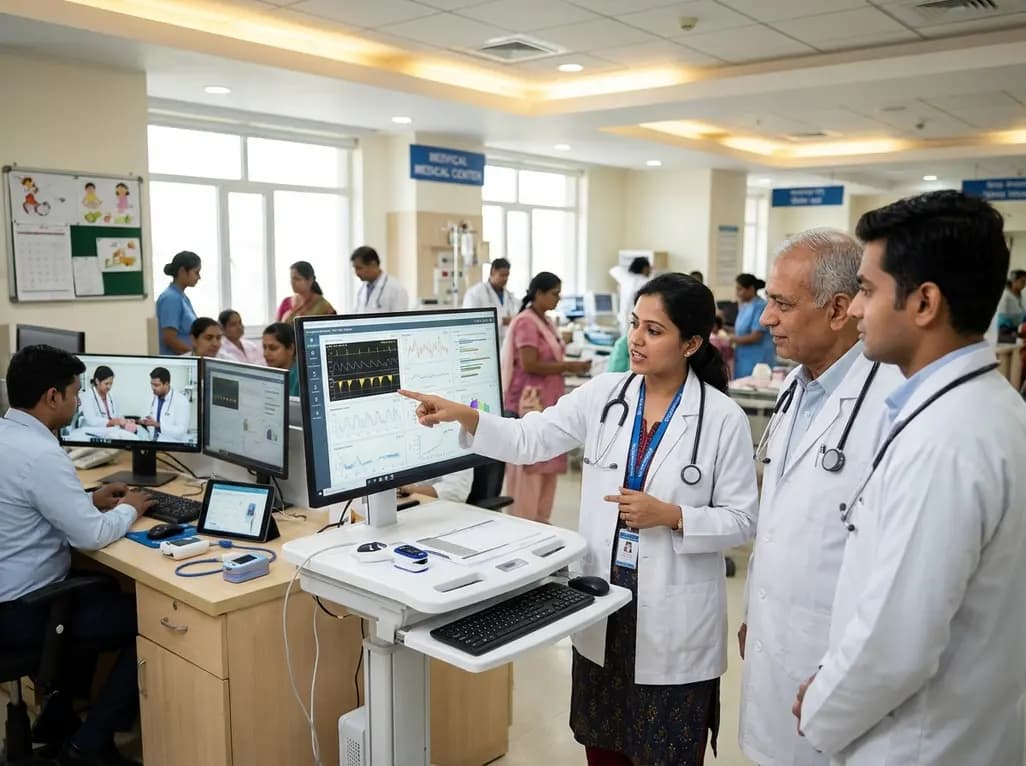
A landmark study details how an enterprise pediatric remote patient management model expanded from a single cardiology pilot to 16 diverse specialty programs by combining centralized digital operations with specialty clinical leadership.
Today
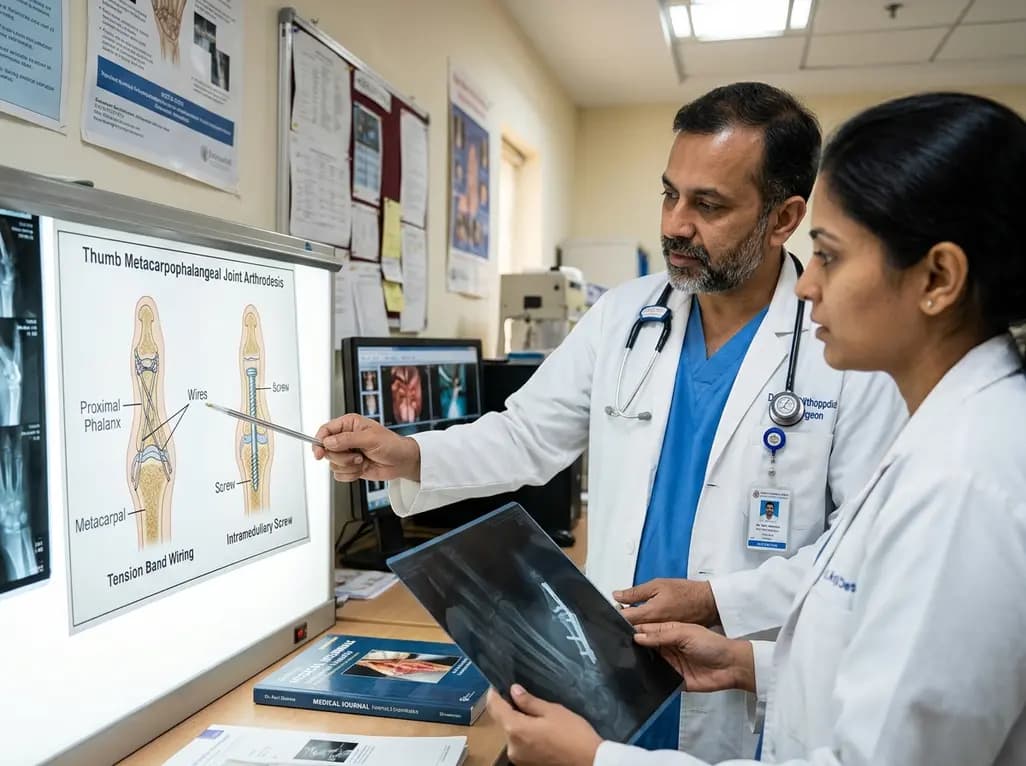
A comparative review of tension band wiring and intramedullary screw fixation in thumb metacarpophalangeal arthrodesis, evaluating union rates, hardware complications, and clinical outcomes.
Today
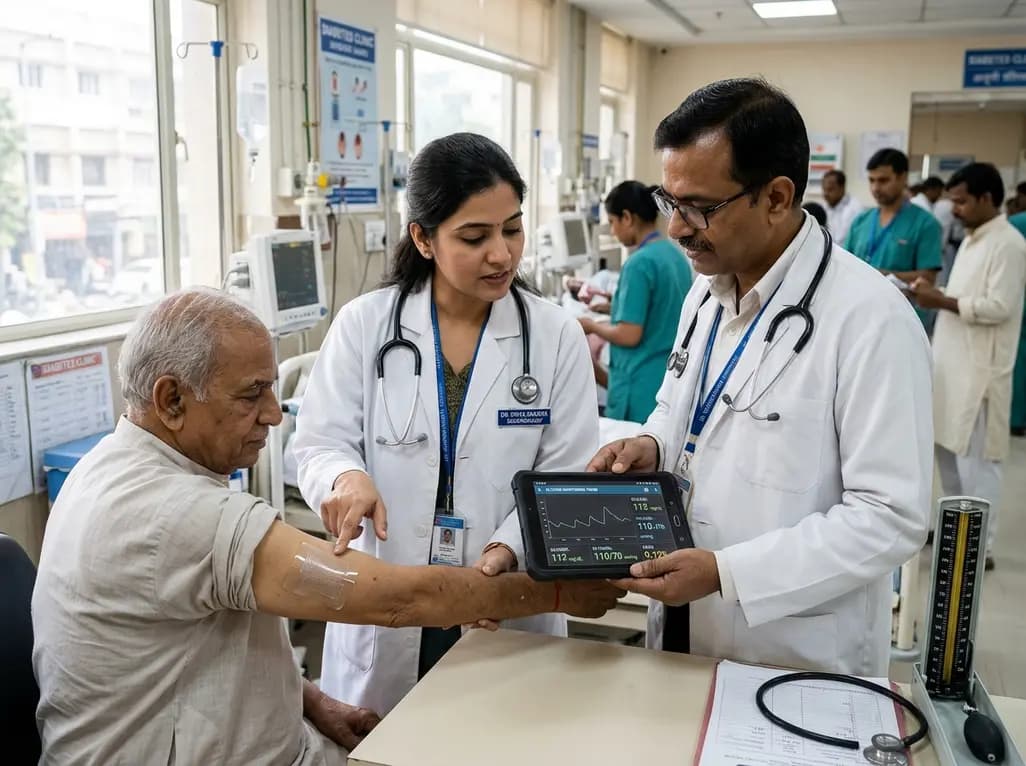
A breakthrough ultrathin multimodal sensor decouples physical hemodynamic monitoring from disposable electrochemical calibration, achieving long-term wearable glucose prediction with 81.36% accuracy and a 9.12% MARD. This offers a robust, drift-free solution for outpatient metabolic surveillance.
Today
