.webp&w=384&q=75)

Loading, please wait...
Loading, please wait...
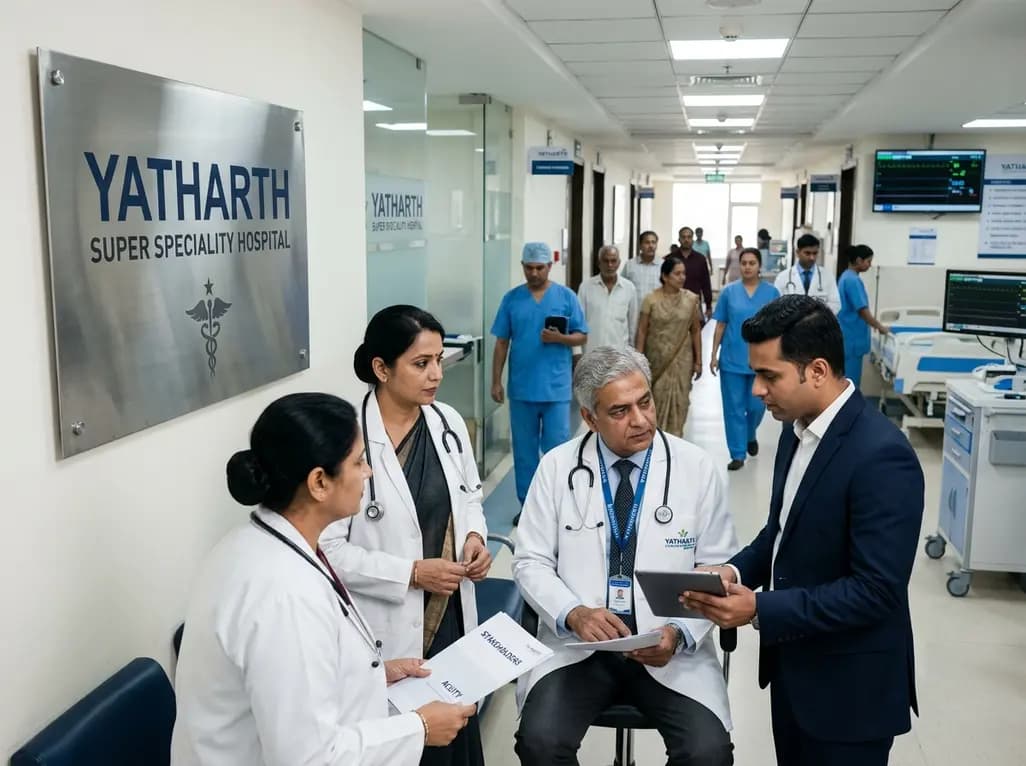
The rapid expansion of private equity in healthcare continues to transform the medical landscape across India. Recently, global investment firm Advent International entered a definitive agreement with Yatharth Hospital and Trauma Care Services. Under this pact, Advent will invest ₹3,150 crore of primary growth capital for a 24.9% equity stake. Consequently, this landmark transaction represents one of the largest primary funding rounds in the domestic healthcare delivery market. Moreover, the substantial capital infusion highlights strong institutional confidence in regional hospital networks that provide high-quality tertiary medical care.
The investment transaction brings critical growth equity directly into the operational balance sheet of Yatharth Hospitals. Specifically, the transaction involves the issuance of new equity shares alongside convertible share warrants. Through this mechanism, Advent secures a 24.9% minority stake upon complete conversion. Meanwhile, the founding Tyagi family will remain the company’s largest shareholder, maintaining operational leadership alongside professional management teams. Furthermore, the investor will gain non-executive board representation to support strategic governance.
Historically, large private equity deals in the hospital sector often involved secondary buyouts of existing promoters. In contrast, this agreement prioritizes primary capital deployment to fund physical capacity additions and medical technology procurement. Consequently, the hospital network gains immediate liquidity to accelerate hospital acquisitions and brownfield expansions. Institutional investors favor this approach because fresh equity directly strengthens clinical infrastructure and diagnostic capabilities. As a result, the healthcare provider can rapidly scale regional operations without burdening its balance sheet with excessive debt. Therefore, this transaction provides a sustainable blueprint for funding modern hospital growth in fast-growing urban medical corridors. In addition, the arrangement aligns corporate governance standards with international healthcare benchmarks.
Regional hospital platforms have emerged as prime focal points for healthcare investors across India. Yatharth Hospitals currently operates nine advanced multi-specialty hospitals with approximately 2,800 operational beds across North India. Furthermore, the healthcare group has announced plans to expand its total bed capacity beyond 3,250 beds in the near future. The network maintains a strong operational presence across key National Capital Region locations, including Noida, Greater Noida, New Delhi, Faridabad, and Gurugram. Additionally, the group operates healthcare facilities in Tier-II markets like Jhansi-Orchha in Madhya Pradesh and Agra in Uttar Pradesh.
Because demand for quality clinical care continues to rise outside metro hubs, expanding into regional corridors delivers strong clinical value. Private capital enables hospital networks to acquire regional assets and standardize medical delivery systems efficiently. Consequently, local patient populations receive specialized emergency, surgical, and intensive care without needing to travel long distances. Moreover, strategic regional clusters allow hospital administrators to centralize clinical laboratory services and supply chain logistics. Therefore, regional expansion models generate operational efficiencies while simultaneously improving community healthcare access. These robust operational fundamentals explain why institutional funds actively pursue multi-city hospital partnerships.
Multiple macroeconomic and structural catalysts continue to propel private investments in Indian hospitals. According to sector findings by EY-Parthenon, revenue and operating earnings across major hospital operators expanded by more than 15% annually. In addition, hospitals maintained healthy bed occupancy levels ranging consistently between 60% and 75%. Healthcare providers also recorded substantial gains in average revenue per occupied bed through better clinical case management.
At the same time, expanding health insurance penetration serves as a decisive growth driver for organized medical networks. Private health insurance policies and government insurance schemes now cover millions of previously uninsured families. Consequently, patients actively choose accredited corporate hospitals for complex surgical procedures and acute medical admissions. Furthermore, the national deficit in hospital beds creates immense runway for continuous capital deployment. India currently maintains approximately 1.3 hospital beds per 1,000 citizens, which falls well below international standards. Therefore, investors recognize that long-term capacity additions remain essential to meet escalating public healthcare needs. In response, private funds provide the necessary financial muscle to close this nationwide infrastructure gap. Meanwhile, favorable demographic shifts and rising lifestyle disease burdens continue to accelerate patient volumes across tertiary centers.
A notable trend within modern hospital operations involves the rapid growth of high-acuity medical specialties. Clinical domains such as cardiology, oncology, neurosurgery, and advanced orthopedics have demonstrated revenue growth exceeding 15% year-on-year. Because high-acuity care requires sophisticated clinical expertise and advanced infrastructure, it significantly boosts hospital realizations. For instance, comprehensive cancer centers require multi-million-dollar linear accelerators, dedicated surgical suites, and specialized medical oncology wards.
Similarly, modern cardiac centers rely heavily on digital catheterization laboratories and advanced mechanical circulatory support systems. Private capital investments allow hospitals to procure these cutting-edge medical technologies without delay. Consequently, clinicians gain access to precision surgical instruments, hybrid operating rooms, and modern diagnostic platforms. Furthermore, high-end infrastructure attracts skilled medical specialists who seek robust multidisciplinary environments for complex patient management. In turn, enhanced clinical capabilities improve treatment success rates for critically ill patients. Thus, institutional capital directly reinforces tertiary clinical standards across participating medical centers. Ultimately, this technological upgrade bridges the gap between domestic clinical facilities and global healthcare standards. Moreover, hospital chains can now establish specialized organ transplant programs and accredited trauma units that serve surrounding regional communities.
While private equity infusions unlock rapid physical expansion, maintaining rigorous clinical governance remains essential. Medical professionals often express valid concerns regarding profit pressures in institutionalized healthcare environments. However, sustainable value creation in medicine depends primarily on delivering superior patient outcomes and clinical safety. When financial sponsors partner with clinician-led platforms, clinical decision-making stays firmly with medical professionals.
Importantly, Advent International brings extensive global healthcare investing experience across more than 55 healthcare enterprises. In India, its diverse portfolio includes Apollo 24/7, Bharat Serums and Vaccines, and Cohance Lifesciences. Because experienced healthcare investors understand medical complexities, they generally respect medical autonomy and ethical care pathways. In addition, institutional backing standardizes hospital safety protocols, infection control programs, and clinical audit mechanisms. Consequently, hospital networks achieve accreditation from national and international healthcare quality bodies. Furthermore, transparent pricing policies and standardized clinical pathways help preserve patient trust amid rapid corporate growth. Therefore, effective collaboration between healthcare investors and clinical leaders can elevate regional medical standards while preserving physician integrity. Ultimately, maintaining strong clinical ethics ensures that business expansion directly enhances community health outcomes rather than compromising bedside patient care.
Q1: What are the key details of Advent International's investment in Yatharth Hospitals?
Advent International signed a definitive agreement to invest ₹3,150 crore of primary growth capital into Yatharth Hospital and Trauma Care Services. Through this agreement, Advent acquires a 24.9% equity stake upon full conversion of shares and warrants. Meanwhile, the founding Tyagi family will remain the single largest shareholder and lead day-to-day operations. Furthermore, this landmark investment ranks among the largest primary private equity funding rounds in the Indian private healthcare delivery sector.
Q2: Why are private equity investors actively targeting hospital chains across India?
Private equity firms are aggressively investing in Indian hospitals due to strong structural growth drivers. India currently faces a substantial shortfall in hospital bed density compared to global benchmarks. In addition, rising personal incomes and expanding health insurance schemes are boosting demand for quality tertiary healthcare. Consequently, hospital operators demonstrate consistent revenue growth exceeding 15% annually. Investors recognize that well-capitalized hospital networks can achieve profitable expansion while fulfilling urgent regional healthcare demands.
Q3: How does hospital capital infusion impact clinical practitioners and patient care?
Substantial capital infusion enables hospitals to upgrade medical technology, including robotic surgical consoles, modern catheterization laboratories, and advanced radiotherapy suites. As a result, medical specialists obtain the sophisticated tools needed to deliver complex high-acuity interventions safely. Furthermore, institutional investment improves hospital infrastructure, nursing staff ratios, and diagnostic support systems. Consequently, patient safety standards improve markedly. In addition, structured hospital networks offer practicing clinicians better professional development opportunities and clear clinical governance protocols.
Disclaimer: This content is for informational and educational purposes only. It does not constitute medical advice or replace professional judgment. Refer to the latest local and national guidelines for clinical practice.
References

Read summarized clinical updates, watch expert medical content, and earn CME certifications right from your smartphone.
Open your smartphone camera to scan and install.





Advent International agreed to acquire a 24.9% stake in Yatharth Hospitals for ₹3,150 crore. This primary capital infusion highlights rising investor confidence in regional clinical networks, modern medical technology, and the ongoing expansion of high-acuity specialty care for patients across Northern India.
Today
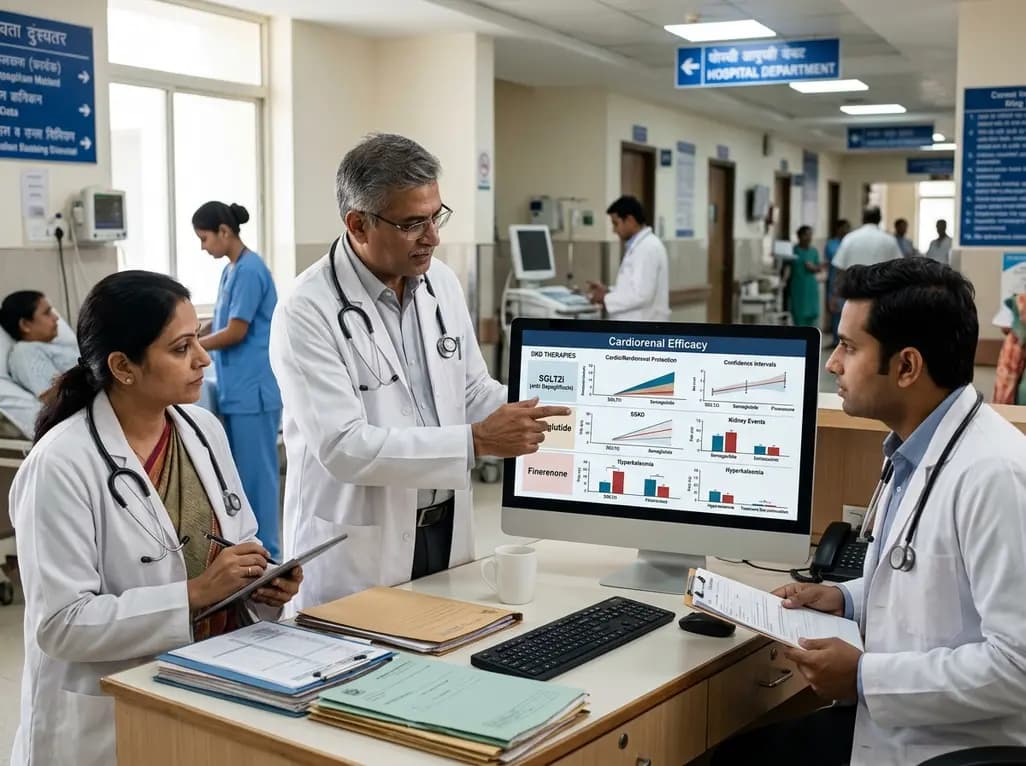
A network meta-analysis of 10 RCTs comprising 37,923 patients reveals that SGLT2 inhibitors offer the broadest cardiorenal protection in diabetic kidney disease. Dapagliflozin reduced kidney outcomes more than semaglutide, while finerenone increased hyperkalaemia and treatment discontinuation rates.
Today

Surgical robotics is redefining modern operating theaters by replacing extensive open incisions with micro-dexterity and stereoscopic 3D vision. Multi-specialty surgeons highlight how robotic platforms mitigate tissue trauma, enhance functional organ preservation, and shorten postoperative hospital recovery.
Today
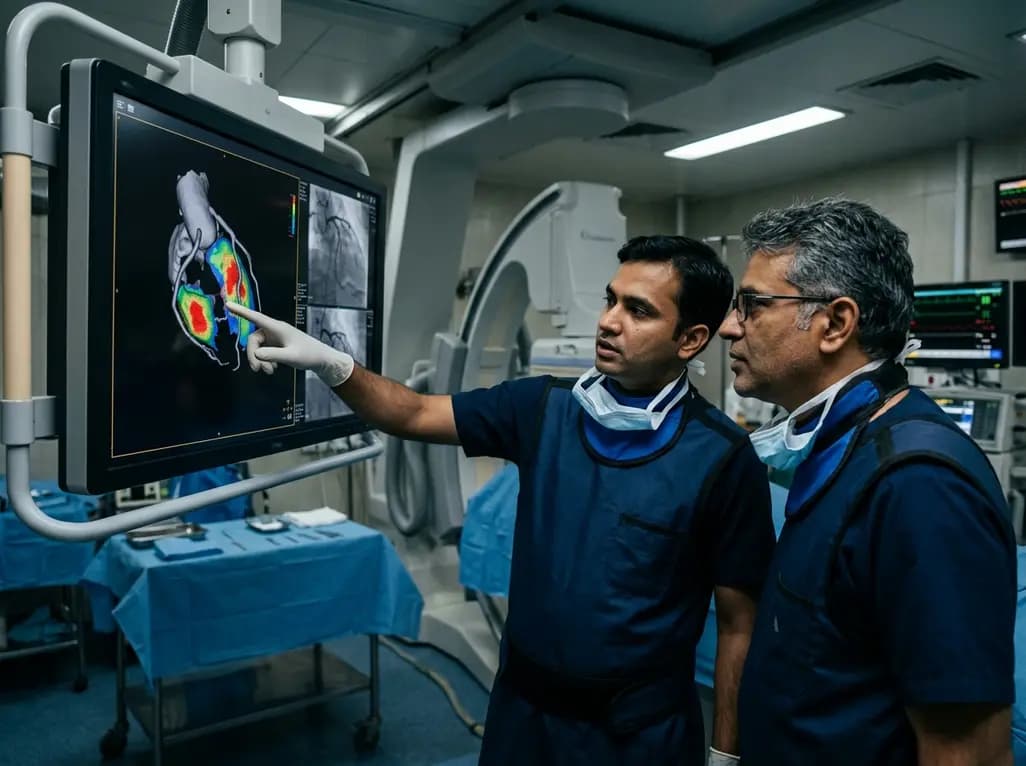
A groundbreaking study demonstrates that coronary angiography-derived radial wall strain reflects plaque morphology, predicting future rupture and erosion.
Today
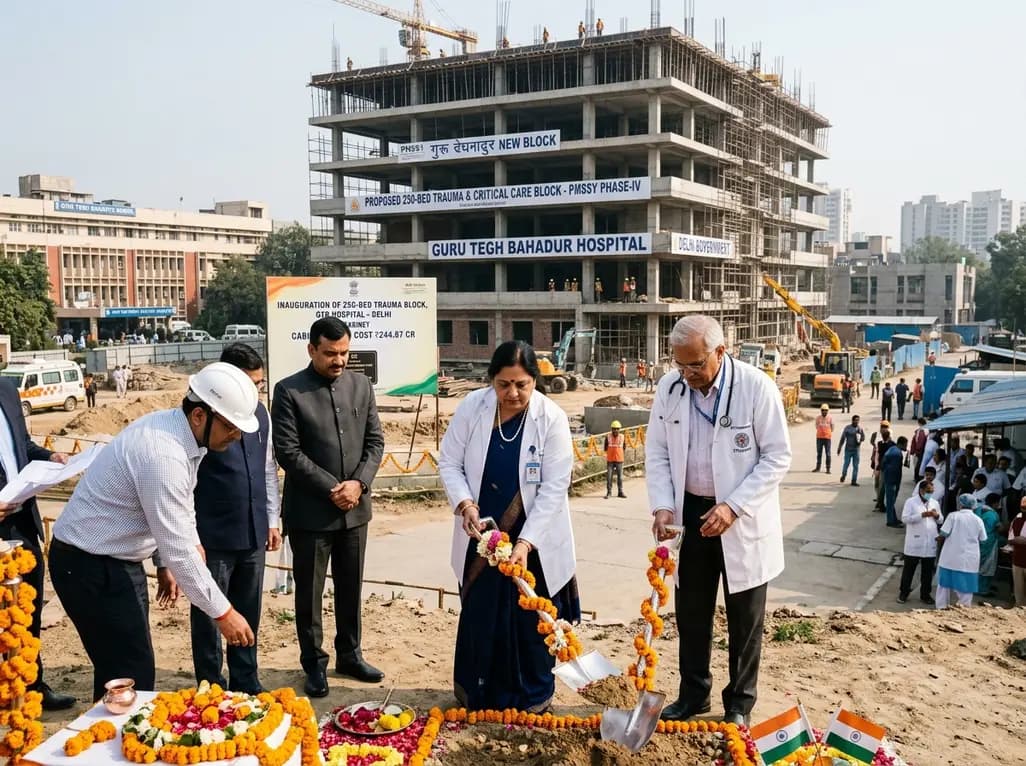
The Delhi Cabinet has cleared an advanced seven-storey critical care expansion at Guru Tegh Bahadur Hospital under PMSSY Phase-IV. Costing Rs 244.87 crore, the new wing features 250 beds, specialized intensive care units, modern operation theatres, and round-the-clock emergency diagnostics for East Delhi.
Today
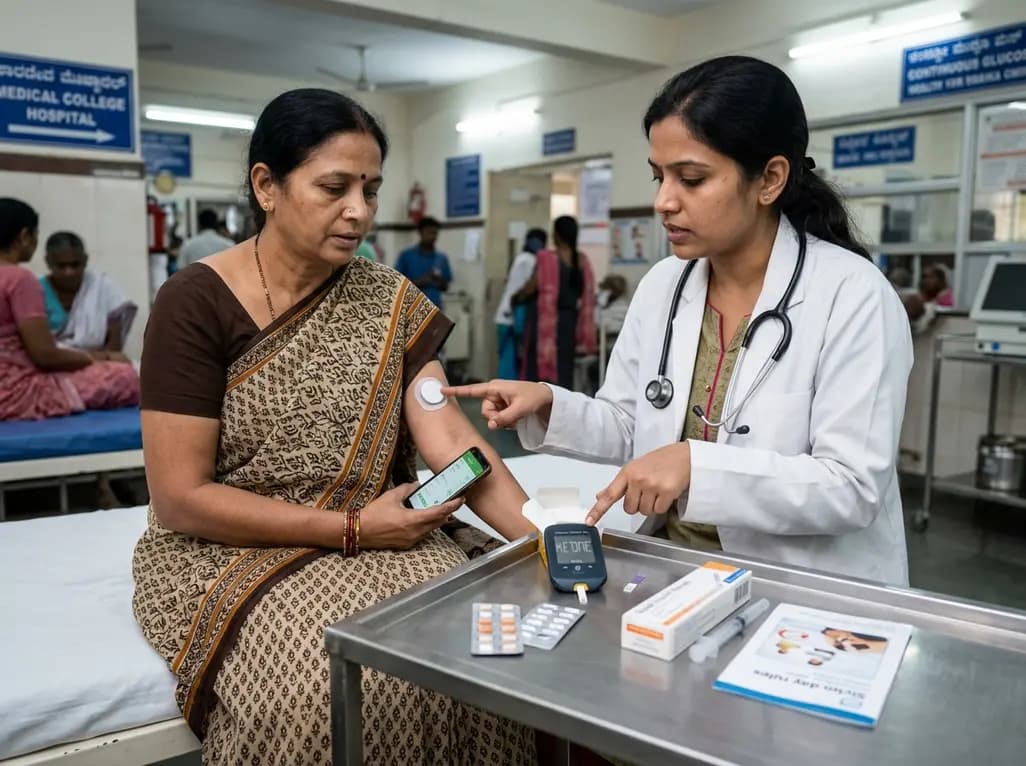
A landmark case demonstrates that favorable continuous glucose monitoring metrics cannot rule out SGLT2 inhibitor-associated euglycemic diabetic ketoacidosis. Clinicians must educate patients on symptom-based sick-day rules, uninterrupted basal insulin therapy, and proactive blood ketone testing.
Today
