

Loading, please wait...
Loading, please wait...
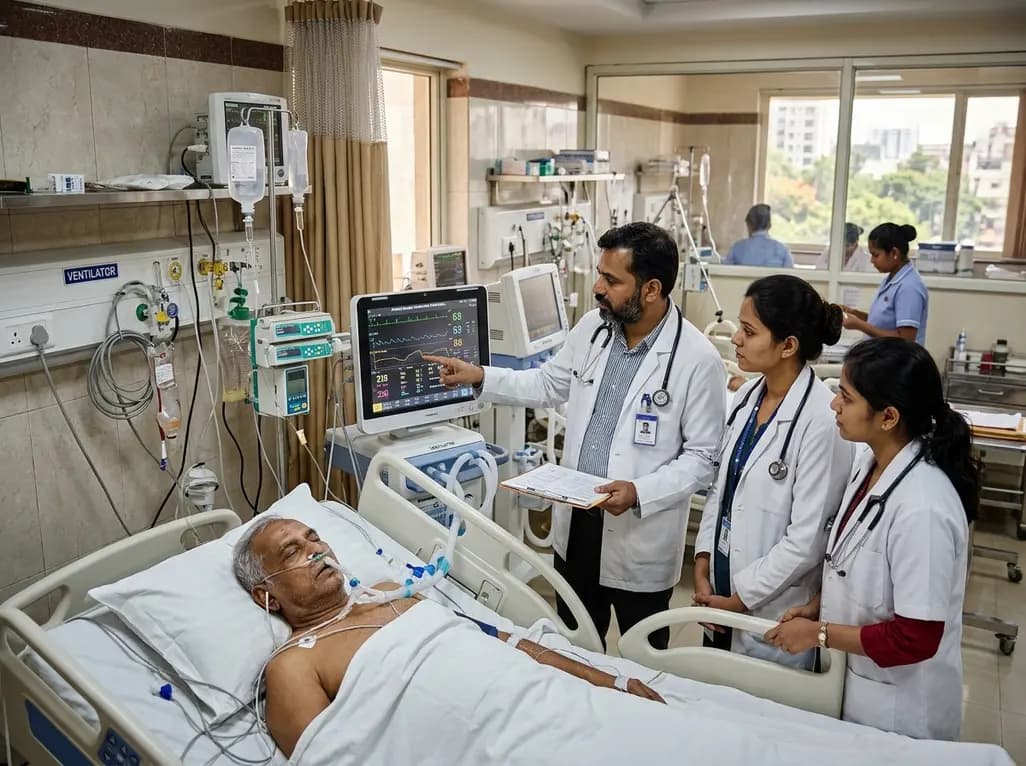
Modern intensive care medicine is undergoing a profound conceptual shift regarding metabolic support. Historically, clinicians viewed critical care nutrition as an aggressive race to prevent muscle wasting through rapid caloric escalation. However, emerging physiological insights demonstrate that acute critical illness radically alters substrate metabolism. During the initial shock and hyperinflammatory phase, the body actively prioritizes endogenous substrate mobilization. Hepatic gluconeogenesis and lipolysis proceed uncontrollably despite exogenous nutrient provision. Consequently, forcing early full caloric and high protein intake often leads to metabolic overload, autophagy suppression, and cellular toxicity. Furthermore, recent landmark clinical trials have dismantled the traditional assumption that more calories and earlier protein delivery guarantee superior patient outcomes. Instead, contemporary experts recommend moving decisively away from uniform nutrient targets. Critical care practitioners now advocate for phase-guided, phenotype-specific, and response-guided nutritional strategies. Therefore, intensive care teams must learn to distinguish the early acute phase from the stabilized post-acute and recovery phases. By synchronizing feeding intensity with patient metabolic tolerance, clinicians can effectively prevent overfeeding toxicity while safeguarding patients against progressive starvation.
For decades, nutritional protocols emphasized aggressive early macronutrient delivery to counteract hypercatabolism. However, recent large-scale randomized controlled trials fail to demonstrate any clinical benefit from routine early full-dose feeding in unselected critically ill patients. On the contrary, several high-dose protein and caloric strategies have generated concerning safety signals. In particular, trials evaluating early augmented protein delivery observed increased organ dysfunction and adverse metabolic profiles in unstable patients. This apparent paradox stems from profound anabolic resistance during the early acute phase. Exogenous amino acids cannot overcome cytokine-driven catabolism; instead, excess circulating amino acids undergo hepatic ureagenesis, increasing renal work and blood urea nitrogen levels. Moreover, excessive early enteral or parenteral delivery inhibits cellular autophagy. Because autophagy serves as an essential quality-control mechanism that clears damaged organelles and pathogens, suppressing this process can impair recovery. Consequently, international guidelines increasingly endorse hypocaloric or trophic enteral feeding during the initial 48 to 72 hours of shock. Clinicians must recognize that early restraint protects cellular integrity, whereas indiscriminate dose escalation exacerbates acute metabolic stress.
Determining true energy requirements remains a formidable challenge in critical care. While predictive equations remain widely accessible, they frequently produce significant underestimation or overestimation of caloric targets. Therefore, clinicians increasingly utilize indirect calorimetry as the preferred gold standard for measuring resting energy expenditure. However, measured energy expenditure is not synonymous with the actual nutrient dose that teams should immediately deliver. In the early acute phase, endogenous energy production already contributes significantly to total metabolic turnover. Consequently, matching early intake to full measured expenditure directly precipitates overfeeding. Clinicians must instead look toward dynamic physiological biomarkers to determine metabolic readiness. In particular, early serum phosphate trajectories provide indispensable clinical insight. A precipitous decline in serum phosphate upon initiating feeding signifies refeeding physiology and heightened cellular uptake. When refeeding hypophosphatemia develops, clinicians must promptly restrict caloric delivery and replace electrolytes. Unfortunately, validated real-time bedside markers of substrate oxidation remain limited. Thus, intensivists must integrate indirect calorimetry data with clinical judgment, fluid tolerance, glycemic variability, and serum phosphate trends.
Micronutrient therapy in the intensive care unit has recently witnessed dramatic reassessment. Historically, high-dose intravenous antioxidant regimens garnered enthusiasm as potential therapeutic countermeasures against systemic inflammation. In particular, pharmacological intravenous vitamin C gained widespread popularity following early observational reports. However, definitive multicenter randomized controlled trials, such as the LOVIT trial, revealed that high-dose vitamin C yields no benefit in septic shock and generates recurring harm signals, including worsened organ failure and mortality. Therefore, clinicians must firmly separate physiological supplementation from pharmacological megadosing. Critically ill individuals routinely experience trace element and water-soluble vitamin deficits due to dilution, losses, and heightened demand. Consequently, restoring physiological baseline requirements and correcting documented deficiencies remains vital for wound healing and immune competence. In contrast, treating micronutrients as pharmacotherapy with supra-physiological dosing carries clear bioenergetic hazards. Medical teams should provide balanced physiological micronutrient formulations without pursuing excessive monotherapies. Ultimately, evidence urges clinicians to avoid therapeutic megadoses while diligently meeting daily micronutrient baselines throughout acute illness.
The journey of metabolic recovery extends far beyond the intensive care unit. As patients stabilize and transition from the acute phase to prolonged recovery, their metabolic priorities change substantially. While acute-phase caution prevents overfeeding, persistent underfeeding during the post-acute and rehabilitation phases accelerates physical deconditioning. Unfortunately, spontaneous dietary intake falls precipitously after extubation and transfer to general medical wards. Multiple factors drive this vulnerability, including post-extubation dysphagia, anorexia, altered taste, gastrointestinal dysmotility, and frequent procedural fasting. As a result, patients frequently consume less than half of their estimated protein and energy requirements. Recent proof-of-concept studies demonstrate that structured intake-guided protocols and oral nutritional supplements can successfully preserve nutritional adequacy. Furthermore, combining targeted protein provision with active physical rehabilitation stimulates genuine muscle protein synthesis. Multidisciplinary teams, including clinical dietitians and speech therapists, must maintain continuous nutritional surveillance across transitional care settings. Ensuring nutritional continuity after ICU discharge empowers patients to rebuild functional stamina, enhances muscle mass, and reduces long-term post-intensive care morbidity.
Early high-dose protein delivery fails to prevent muscle catabolism because critically ill patients experience severe anabolic resistance. Furthermore, trials show that early high amino acid administration increases blood urea nitrogen, burdens renal clearance, and suppresses autophagy. Consequently, guidelines advise starting with modest protein doses, typically under 1.0 to 1.2 grams per kilogram daily, gradually escalating intake only after hemodynamic stabilization and metabolic recovery occur.
Serum phosphate monitoring serves as a sensitive clinical marker for refeeding syndrome and cellular metabolic readiness. Specifically, initiating nutrition induces an insulin surge that drives phosphate into cells for adenosine triphosphate synthesis. A rapid decline in serum phosphate indicates metabolic distress and intracellular shifting. Therefore, identifying early hypophosphatemia prompts immediate caloric restriction, cautious feeding advancement, and aggressive electrolyte replacement to prevent severe cardiopulmonary complications.
Rigorous multicenter clinical trials demonstrate that pharmacological high-dose intravenous vitamin C does not improve survival or organ dysfunction in septic shock. Instead, large studies revealed recurring safety signals, including increased organ failure and potential nephrotoxicity from oxalate accumulation. Consequently, critical care guidelines strongly advise against therapeutic megadoses of vitamin C, recommending that clinicians restrict micronutrient provision strictly to physiological baseline replacement and documented deficiency correction.
Disclaimer: This content is for informational and educational purposes only, and does not substitute professional medical advice, diagnosis, or treatment. Always seek the advice of your physician or other qualified healthcare provider with any questions you may have regarding a medical condition. Refer to the latest local and national guidelines for clinical practice.
References

Read summarized clinical updates, watch expert medical content, and earn CME certifications right from your smartphone.
Open your smartphone camera to scan and install.





Critical care nutrition is moving away from uniform early high-dose feeding toward phase-guided and response-guided metabolic therapy. Recent trials highlight the hazards of early overfeeding and pharmacological micronutrients, underscoring metabolic monitoring and post-ICU nutritional continuity.
Today

Good's syndrome links thymoma with severe humoral and cellular immunodeficiency. While autoantibodies against cytokines like IL-12 and interferons drive pathology, early diagnosis and prompt immunoglobulin replacement therapy have elevated 20-year survival rates above 60%.
Today

A KGMU study reveals over half of women with breast abnormalities fail to undergo diagnostic confirmation, leading to advanced-stage detection. Discover the socio-cultural barriers, clinical risks of incomplete resection, and community-level solutions needed to bridge the critical screening-to-diagnosis gap in India.
Today

A meta-analysis of 18 studies reveals that bariatric surgery does not significantly alter circulating homocysteine levels, regardless of follow-up duration. Clinicians must maintain vigilance over post-surgical micronutrient supplementation to prevent hyperhomocysteinemia.
Today

Researchers have engineered a self-powered Zn/C micro-galvanic electrospun membrane that couples sustained zinc release with endogenous microcurrents. This bioelectric scaffold stimulates M2 macrophage polarization and accelerates bone deposition to achieve robust cranial defect regeneration.
Today

A nationwide UK Cystic Fibrosis Registry study demonstrates that higher updated mean HbA1c levels correlate with a graded, significant increase in all-cause mortality among individuals with cystic fibrosis-related diabetes, reinforcing the critical need for proactive glycemic monitoring and intervention.
Today
