.webp&w=384&q=75)

Loading, please wait...
Loading, please wait...

Scientists have developed a promising new material for advanced antimicrobial wound dressings by combining polycaprolactone (PCL) fibers with zinc oxide (ZnO) nanoparticles and immobilized chlorhexidine (CHX). This innovative approach uses plasma-functionalized carboxyl groups to covalently bond CHX via carbodiimide chemistry. Consequently, the resulting PCL-3%ZnO-CHX membranes provide a robust barrier against infection while supporting rapid tissue repair.
Research indicates that these membranes achieve an impressive 6-log reduction against a wide spectrum of pathogens, including S. aureus, E. coli, and C. auris. Furthermore, the material exhibits a high tensile strength of 18.6 MPa, ensuring durability during clinical use. Because the ZnO nanoparticles promote charge transfer, they enhance the matrix's ability to retain antimicrobial agents. Additionally, the membranes function as a potent hemostatic agent. In animal models, they reduced blood loss by 6.6-fold and shortened bleeding time by 1.5-fold compared to standard controls.
Patient safety is paramount in the development of new wound care materials. Fortunately, in vitro studies confirm that these dressings maintain excellent cytocompatibility with human dermal fibroblasts and keratinocytes. Cell viability consistently remained above 93% throughout the evaluation. Moreover, histological evaluations showed no signs of chronic inflammation, necrosis, or foreign body reactions. Therefore, these dressings represent a safe and effective solution for both surgical and chronic wound management.
These dressings show broad-spectrum activity, achieving a 6-log reduction against bacteria and fungi such as S. aureus, E. faecium, E. coli, A. baumannii, and C. auris.
The PCL-3%ZnO-CHX membranes possess significant hemostatic properties. They have been shown to reduce blood loss by 6.6-fold in amputation models, making them highly effective for trauma and surgical settings.
Yes, the membranes are highly biocompatible. Tests on human T-lymphocytes and skin cells show over 93% viability, with no long-term inflammatory response observed in tissue studies.
Disclaimer: This content is for informational and educational purposes only. It is not a substitute for professional medical advice, diagnosis, or treatment. Always seek the advice of your physician or other qualified health provider with any questions you may have regarding a medical condition. Refer to the latest local and national guidelines for clinical practice.
References
Makarets YA et al. Chlorhexidine Surface-Immobilized via a Carboxylated Polymer Layer on ZnO Nanoparticle-Containing Polycaprolactone Fibers for Wound Dressings. ACS Appl Mater Interfaces. 2026 Jun 12. doi: 10.1021/acsami.6c10639. PMID: 42283160.

Read summarized clinical updates, watch expert medical content, and earn CME certifications right from your smartphone.
Open your smartphone camera to scan and install.





Researchers have developed PCL-3%ZnO-CHX membranes that offer a 6-log reduction in major pathogens and significantly reduce bleeding time. These advanced antimicrobial wound dressings combine mechanical strength with high biocompatibility, making them ideal for complex wound care and tissue engineering.
4 months ago

A breakthrough ultrathin multimodal sensor decouples physical hemodynamic monitoring from disposable electrochemical calibration, achieving long-term wearable glucose prediction with 81.36% accuracy and a 9.12% MARD. This offers a robust, drift-free solution for outpatient metabolic surveillance.
Today

Demanding exhaustive hormonal profiling can inadvertently discourage clinical studies involving females. Methodological standards must align with the specific scientific question to expand, not restrict, equitable evidence for women.
Today

Co-administering antiseizure medications and DOACs frequently causes pharmacokinetic interactions, subtherapeutic drug levels, and thromboembolic failures. This review highlights enzyme induction risks, unpredictable outcomes with levetiracetam, and the vital role of therapeutic drug monitoring.
Today
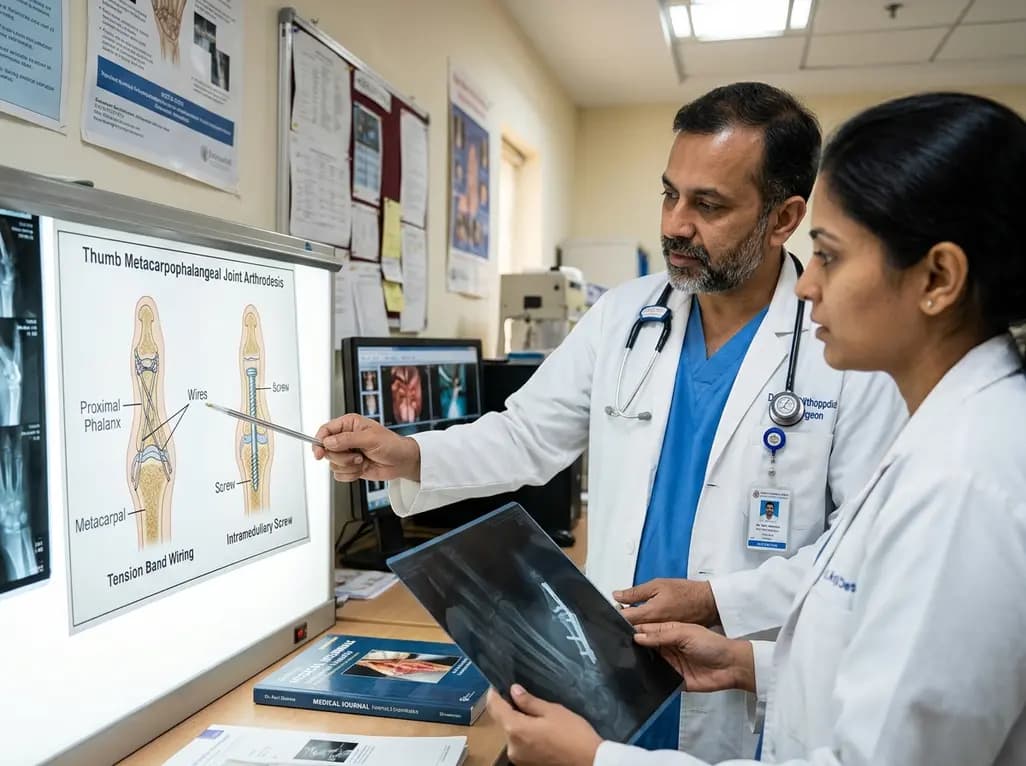
A comparative review of tension band wiring and intramedullary screw fixation in thumb metacarpophalangeal arthrodesis, evaluating union rates, hardware complications, and clinical outcomes.
Today

Following regulatory scrutiny from FSSAI regarding promotional representations and lean muscle preservation claims, Dr. Reddy's Laboratories and Nestlé Health Science are currently reviewing the branding and marketing strategy for their joint nutritional supplement Celevida GLP+.
Today
