.webp&w=384&q=75)

Loading, please wait...
Loading, please wait...

Adolescent sexual health promotion remains a critical priority for healthcare providers, especially in the wake of the COVID-19 pandemic. Recent findings from the QuaranTeen Health study indicate a fascinating link between pandemic-related safety habits and reproductive health choices. Specifically, teenagers who adopted protective behaviors against COVID-19 were significantly more likely to practice safe sex. This overlap suggests that health-conscious attitudes often span across different domains of a young person’s life.
The research analyzed data from 1,803 adolescents between the ages of 13 and 17. Investigators found that friend and family norms played a pivotal role in shaping behavior. For example, if a teenager’s social circle encouraged masking and vaccination, that individual was more likely to follow those guidelines. Furthermore, these same adolescents demonstrated higher rates of condom and hormonal contraception use during their most recent sexual encounters. Consequently, social influence serves as a powerful tool for promoting overall safety.
Moreover, the study utilized weighted logistic regression models to establish these associations. The results showed that increased norms for COVID-19 protection were strongly associated with participant masking and vaccination status. However, the impact extended beyond the virus. By fostering a collective sense of responsibility, families and peers can inadvertently bolster sexual health outcomes. Therefore, health educators should leverage these existing social structures to improve adolescent outcomes.
In addition, the data highlights the importance of longitudinal surveys in understanding shifting health landscapes. Since the study spanned from 2022 to 2023, it captures the transition period of the pandemic. This timing is crucial because it shows how established habits can influence future health decisions. Ultimately, reinforcing one type of protective behavior may provide a gateway for discussions on others, such as STI prevention and reproductive autonomy.
The study found that adolescents who practiced COVID-19-protective behaviors, such as masking and vaccination, were also more likely to use condoms or contraception. This suggests a correlation between different types of health-protective actions driven by social norms.
Friend and family norms are significant predictors of behavior. When social circles prioritize health safety, adolescents are more likely to adopt those same protective measures in both pandemic-related and sexual health contexts.
Disclaimer: This content is for informational and educational purposes only. It is not intended as a substitute for professional medical advice, diagnosis, or treatment. Always seek the advice of your physician or other qualified healthcare provider with any questions you may have regarding a medical condition. Refer to the latest local and national guidelines for clinical practice.
References
Nelson KM et al. Gathering Insights About Sexual Health Promotion From Adolescents' Adoption of COVID-19-Protective Behaviors. Health Educ Behav. 2026 Mar 22. doi: 10.1177/10901981261426309. PMID: 41865297.
Kantor L et al. Adolescents' Sexual Health During the COVID-19 Outbreak: A Systematic Review. NIH. 2025.
Center for Innovative Public Health Research. QuaranTeen Health: Impact of the COVID-19 Pandemic on Adolescent Sexual Health. 2024.

Read summarized clinical updates, watch expert medical content, and earn CME certifications right from your smartphone.
Open your smartphone camera to scan and install.





A study of 1,803 adolescents shows that COVID-19 protective behaviors and peer norms are strongly linked to safer sexual health practices and contraception ...
7 months ago
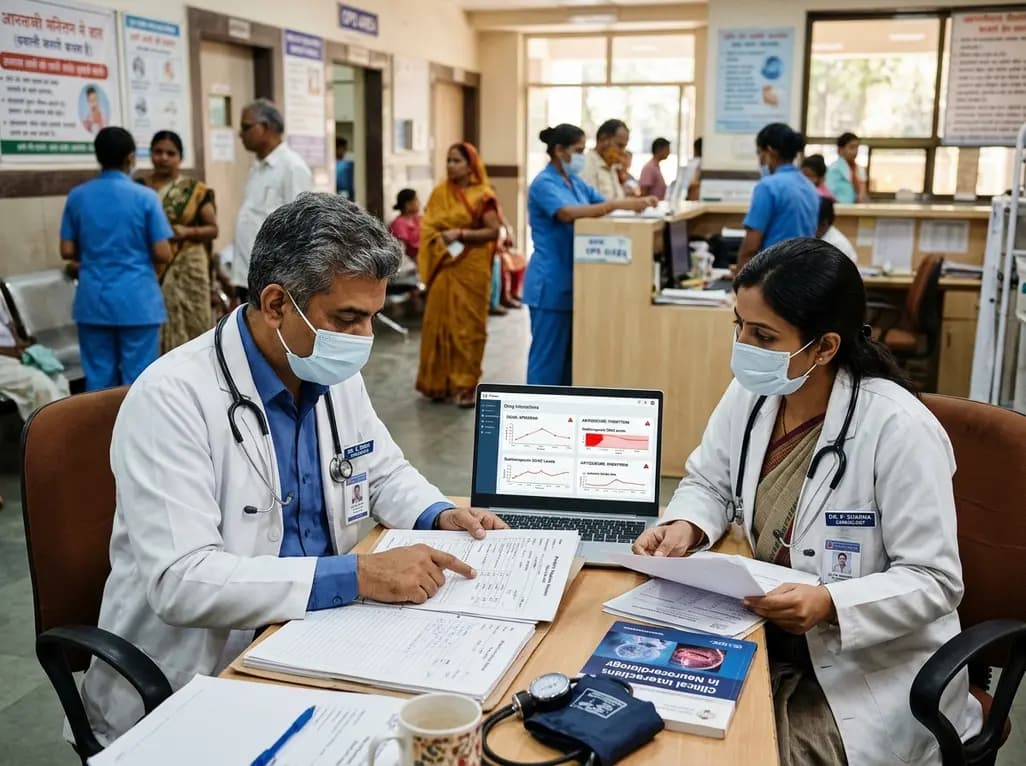
Co-administering antiseizure medications and DOACs frequently causes pharmacokinetic interactions, subtherapeutic drug levels, and thromboembolic failures. This review highlights enzyme induction risks, unpredictable outcomes with levetiracetam, and the vital role of therapeutic drug monitoring.
Today
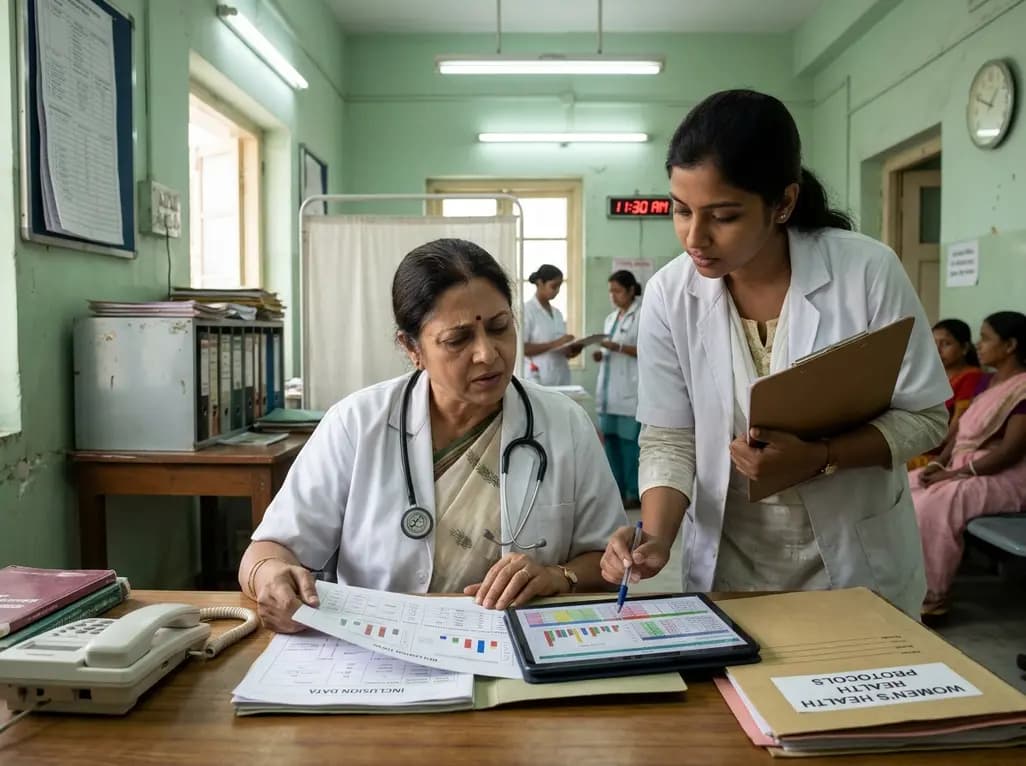
Demanding exhaustive hormonal profiling can inadvertently discourage clinical studies involving females. Methodological standards must align with the specific scientific question to expand, not restrict, equitable evidence for women.
Today
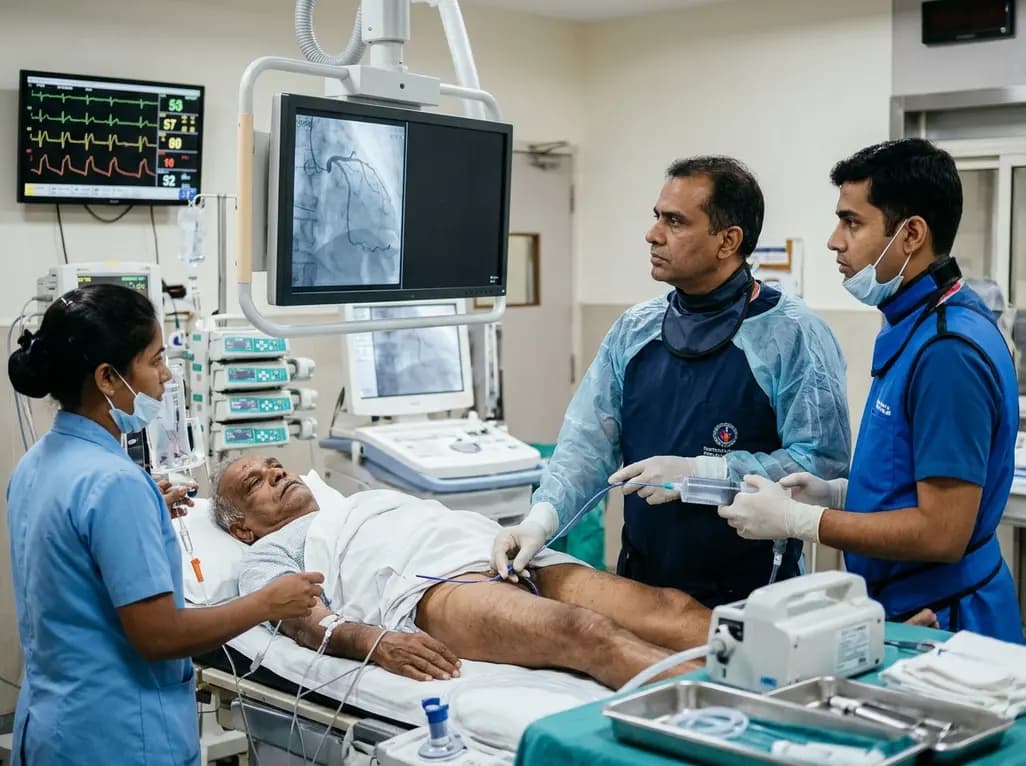
An elderly man with partially repaired Tetralogy of Fallot presented with STEMI caused by coronary embolism rather than atherosclerosis. Successful treatment with sustained mechanical aspiration thrombectomy underscores the vital need for high clinical vigilance in adult congenital heart disease.
Today

A comparative review of tension band wiring and intramedullary screw fixation in thumb metacarpophalangeal arthrodesis, evaluating union rates, hardware complications, and clinical outcomes.
Today

Following regulatory scrutiny from FSSAI regarding promotional representations and lean muscle preservation claims, Dr. Reddy's Laboratories and Nestlé Health Science are currently reviewing the branding and marketing strategy for their joint nutritional supplement Celevida GLP+.
Today
