.webp&w=384&q=75)

Loading, please wait...
Loading, please wait...

Adolescent marriage remains a significant global concern, particularly regarding its profound impact on the psychological well-being of young women. Recent research published in the International Journal of Social Psychiatry has shed light on the complex interplay between anxiety, loneliness, and suicidal thoughts within this demographic. The study identifies adolescent marriage mental health as a critical area for clinical intervention, focusing on how early marital transitions disrupt emotional stability. By examining 608 married girls aged 16 to 20, researchers found that trait anxiety serves as a potent predictor of internal distress. This anxiety often stems from the sudden imposition of adult responsibilities, social isolation, and the loss of educational opportunities. Furthermore, the transition into marriage at a young age frequently occurs without the emotional maturity required to navigate complex interpersonal dynamics. Consequently, these young women face a heightened risk of developing long-term psychiatric conditions. Healthcare providers must recognize that the psychological burden of early marriage extends far beyond immediate domestic adjustments. Therefore, understanding these mediation pathways is essential for developing effective screening and support strategies.
One of the most significant findings of the research is the serial mediating role that loneliness and life satisfaction play in the relationship between anxiety and suicide risk. When adolescent girls experience high levels of trait anxiety, they are more likely to report intense feelings of loneliness. This loneliness often arises because marriage frequently separates them from their peer groups and natal families. Moreover, the lack of a supportive social network exacerbates the emotional strain of their new roles. Significantly, increased loneliness directly leads to a marked reduction in life satisfaction. When an individual feels isolated and overwhelmed, their overall perception of their quality of life diminishes rapidly. This decline in satisfaction then acts as a direct precursor to increased suicidal probability. The study emphasizes that loneliness is not merely a symptom but a critical bridge that connects anxiety to more severe outcomes. Physicians should therefore assess social support systems when evaluating the mental health of married adolescents.
Trait anxiety serves as the foundational element in the development of suicidal ideation among married adolescents. The study utilized the State-Trait Anxiety Inventory for Children to quantify these levels, discovering a strong positive correlation with suicide risk scores. High trait anxiety predisposes individuals to perceive their environment as more threatening or stressful than it actually is. In the context of adolescent marriage mental health, this manifests as a constant state of apprehension regarding domestic performance and social expectations. Additionally, the researchers found that anxiety does not only lead to suicide risk directly but also operates through the aforementioned psychological states. This complex pathway suggests that managing anxiety early could potentially disrupt the entire chain leading to suicidal thoughts. However, if left unaddressed, chronic anxiety erodes the individual's coping mechanisms over time. Consequently, the probability of self-harm increases as the young woman begins to view her situation as inescapable and devoid of hope.
In India, the prevalence of adolescent marriage, though declining, remains a major public health challenge according to the National Family Health Survey (NFHS-5). Approximately 23.3% of women aged 20-24 were married before the legal age of 18. This cultural context adds layers of complexity to the findings of global studies. For instance, the UDAYA study conducted in Bihar and Uttar Pradesh highlighted that depressive symptoms often both precede and follow early marriage. Indian healthcare providers frequently encounter young married women presenting with vague psychosomatic complaints that mask underlying anxiety and loneliness. Furthermore, the social stigma surrounding mental health in rural areas often prevents these girls from seeking help until a crisis occurs. Therefore, clinicians must adopt a high index of suspicion when treating this population. Integrating mental health screening into routine maternal and reproductive health visits is a vital strategy. By identifying early signs of distress, doctors can intervene before the mediation chain reaches the level of suicidal ideation.
Effective intervention requires the use of validated tools to identify those at the highest risk. The research highlights the utility of measures like the UCLA Loneliness Scale and the Suicide Probability Scale in clinical settings. Physicians should consider incorporating brief versions of these tools when evaluating young married women. Additionally, counseling sessions should focus on rebuilding the patient's sense of autonomy and social connection. Improving life satisfaction may involve helping the patient re-engage with educational or vocational goals, which are often abandoned after marriage. Moreover, involving the spouse and family in psychoeducation can help create a more supportive domestic environment. Nevertheless, the primary focus must remain on the individual's safety and emotional regulation. If a high risk of suicide is identified, immediate referral to a psychiatrist or a specialized mental health facility is mandatory. Early intervention not only addresses current distress but also prevents the consolidation of chronic mental health disorders in adulthood.
Beyond the clinic, a multi-sectoral approach is necessary to address the root causes of adolescent marriage and its mental health consequences. Community-based programs that provide life skills training and peer support can significantly reduce feelings of loneliness among married girls. Furthermore, legal advocacy and social awareness campaigns are essential to dismantle the norms that perpetuate child marriage. Healthcare providers can play a pivotal role as advocates by educating families on the severe psychological risks associated with early unions. Additionally, digital health platforms and helplines can offer a confidential space for adolescents to seek guidance without fear of judgment. Significantly, when a girl feels empowered and connected, her life satisfaction increases, providing a robust buffer against suicidal thoughts. Therefore, the medical community must collaborate with social workers, educators, and policy makers to create a comprehensive safety net. Ultimately, protecting the mental health of married adolescents requires a combination of clinical vigilance and broad social change to ensure every young woman has the opportunity to thrive.
Anxiety in married adolescents creates a state of constant emotional distress, making them more vulnerable to overwhelming stress. Research indicates that this anxiety often leads to feelings of loneliness and a significant reduction in life satisfaction. When these psychological states combine, they form a serial mediation model that increases the probability of suicidal ideation. Essentially, anxiety acts as a trigger that destabilizes the young woman's emotional foundation, leading to a sense of hopelessness.
Loneliness is a critical mediator because adolescent marriage often results in social dislocation. Young brides are frequently removed from their school environments and friend groups, leading to profound isolation. This lack of social support makes it difficult for them to process the stressors of their new marital roles. The resulting loneliness erodes their mental resilience and directly contributes to lower life satisfaction, which the study identifies as a major step toward suicidal risk.
Indian doctors should look for signs of high trait anxiety, such as persistent worry, sleep disturbances, and psychosomatic symptoms. It is also important to assess the patient's level of social isolation and her overall satisfaction with her current life circumstances. Using standardized scales like the UCLA Loneliness Scale or the Suicide Probability Scale can provide objective data. Additionally, any history of domestic conflict or restricted autonomy should be viewed as a significant red flag for mental distress.
Disclaimer: This content is for informational and educational purposes only. It is not a substitute for professional medical advice, diagnosis, or treatment. Always seek the advice of your physician or other qualified health provider with any questions you may have regarding a medical condition. Refer to the latest local and national guidelines for clinical practice.
References
Düken RK et al. Relationships Between Anxiety, Suicidal Thoughts, Life Satisfaction, and Loneliness: A Series of Mediation Models on Adolescent Marriages. Int J Soc Psychiatry. 2026 Jun 28. doi: 10.1177/00207640261460417. PMID: 42365443.
International Institute for Population Sciences (IIPS) and ICF. 2021. National Family Health Survey (NFHS-5), 2019-21. India Report. Mumbai: IIPS.
Mudunna C, et al. Child marriage and the mental health of adolescent girls: a longitudinal cohort study from Uttar Pradesh and Bihar, India. PMC. 2022. doi: 10.1016/j.lansea.2022.100095.
"
Read summarized clinical updates, watch expert medical content, and earn CME certifications right from your smartphone.
Open your smartphone camera to scan and install.





A new study explores how anxiety in married adolescent girls leads to loneliness and reduced life satisfaction, ultimately increasing suicide risk. Discover clinical insights and mediation models to help identify and support at-risk young women in clinical practice.
3 months ago

A breakthrough ultrathin multimodal sensor decouples physical hemodynamic monitoring from disposable electrochemical calibration, achieving long-term wearable glucose prediction with 81.36% accuracy and a 9.12% MARD. This offers a robust, drift-free solution for outpatient metabolic surveillance.
Today
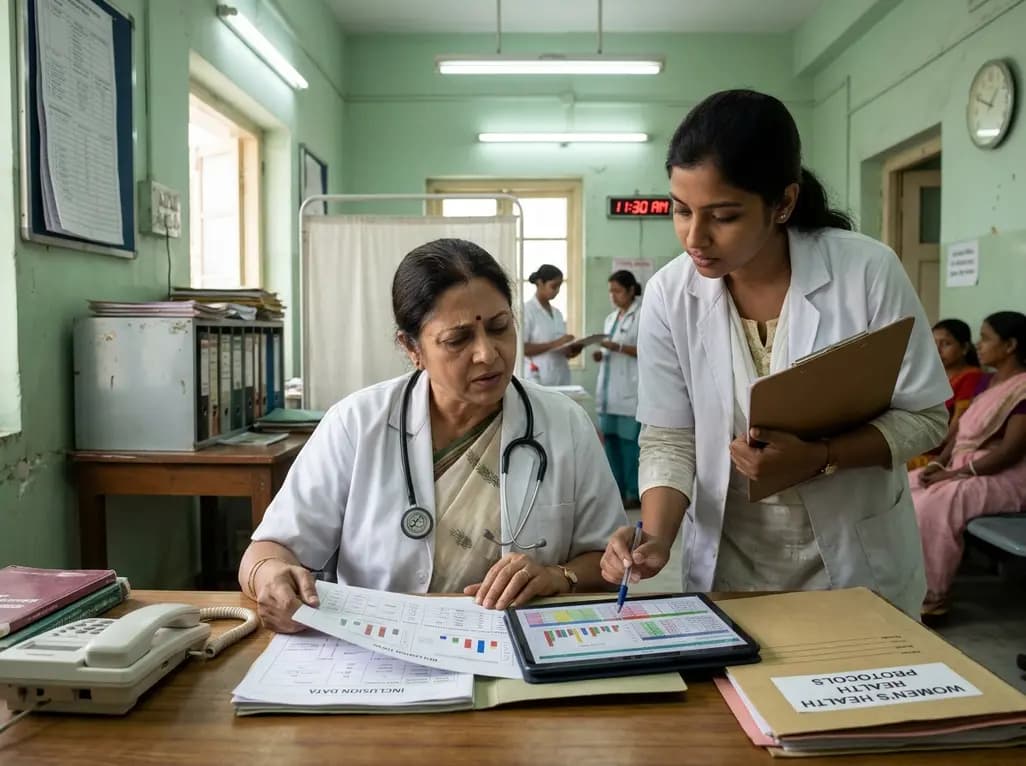
Demanding exhaustive hormonal profiling can inadvertently discourage clinical studies involving females. Methodological standards must align with the specific scientific question to expand, not restrict, equitable evidence for women.
Today
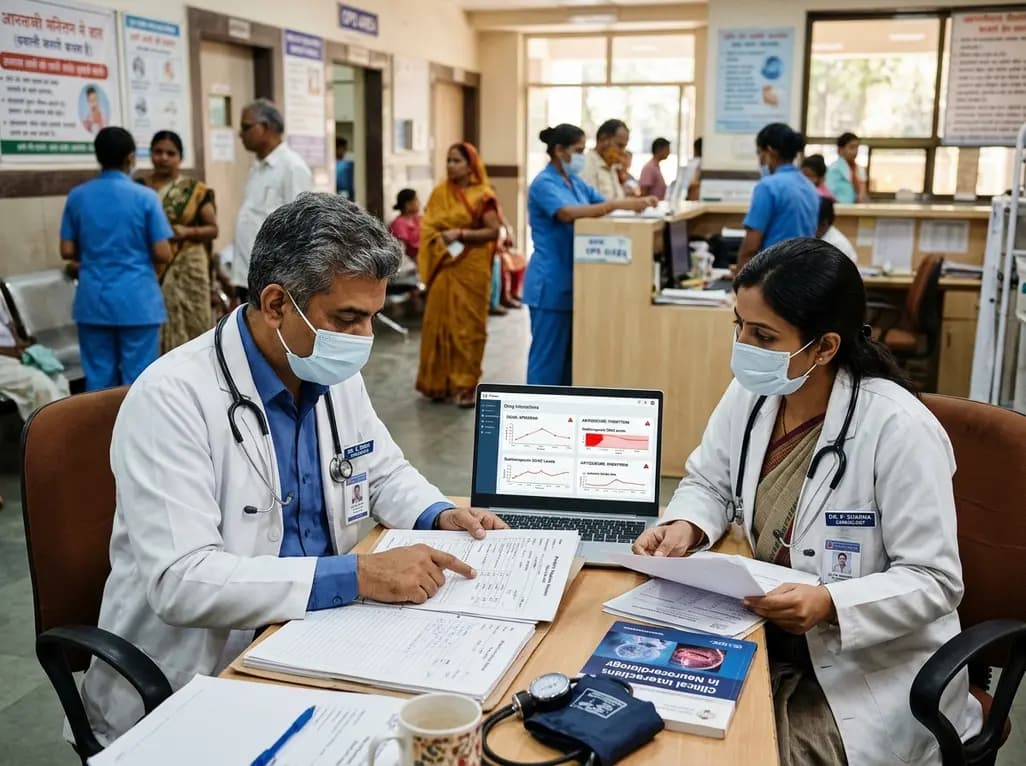
Co-administering antiseizure medications and DOACs frequently causes pharmacokinetic interactions, subtherapeutic drug levels, and thromboembolic failures. This review highlights enzyme induction risks, unpredictable outcomes with levetiracetam, and the vital role of therapeutic drug monitoring.
Today

A comparative review of tension band wiring and intramedullary screw fixation in thumb metacarpophalangeal arthrodesis, evaluating union rates, hardware complications, and clinical outcomes.
Today
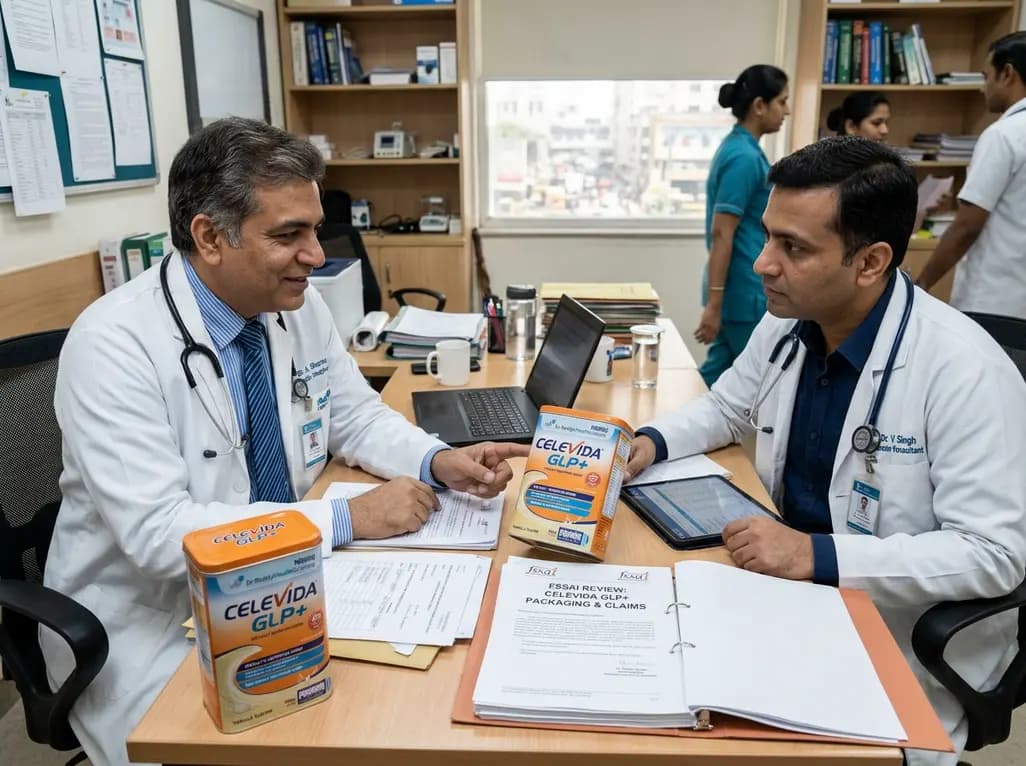
Following regulatory scrutiny from FSSAI regarding promotional representations and lean muscle preservation claims, Dr. Reddy's Laboratories and Nestlé Health Science are currently reviewing the branding and marketing strategy for their joint nutritional supplement Celevida GLP+.
Today
