.webp&w=384&q=75)

Loading, please wait...
Loading, please wait...

Rapid economic modernization and cultural change continue to transform family dynamics across urban India. Consequently, understanding adolescent identity development has emerged as a fundamental priority for pediatricians, psychiatrists, and family physicians. During the second decade of life, young people establish foundational values that guide health choices, social behaviors, and emotional coping mechanisms. In globalizing environments, youth frequently navigate a delicate balance between collective family heritage and modern individualistic aspirations. Recent diachronic research now provides clear empirical evidence regarding how these evolving social identities influence psychological well-being. Healthcare professionals must examine these shifting cultural patterns to deliver empathetic, effective, and contextually grounded care.
Over the past two decades, socioeconomic liberalization has reshaped everyday life for urban Indian youth. Specifically, cross-temporal research comparing school cohorts between 2005 and 2017 highlights clear shifts in adolescent values and social practices. Middle-class adolescents now place an elevated emphasis on autonomy, personal pleasure, and hedonistic pursuits. In addition, rapid digital expansion has accelerated consumerist habits across urban centers. Therefore, contemporary teenagers encounter diverse lifestyle models that diverge significantly from traditional norms.
However, these shifting priorities do not indicate an abandonment of indigenous cultural roots. Instead, young individuals actively negotiate dual identity systems within their daily environments. For example, adolescents frequently endorse personal aspirations for wealth while maintaining profound emotional loyalty to their parents. As a result, modern adolescent identity development represents a nuanced bicultural synthesis rather than a simple Westernization process. Clinicians who understand these complex identity negotiations can better identify emotional stressors and guide families through challenging developmental transitions.
Furthermore, shifting societal expectations have created distinct developmental trajectories across genders in modern India. Between 2005 and 2017, adolescent girls demonstrated marked increases in endorsing personal freedom, self-determination, and financial wealth. Historically, rigid socio-cultural frameworks often limited female autonomy within traditional household structures. Today, however, greater educational access and national gender initiatives empower girls to pursue ambitious career goals boldly. Consequently, modern adolescent females express unprecedented desire for economic self-reliance and social agency.
Nevertheless, these heightened personal aspirations can generate profound psychological friction within home and community settings. Although young women actively seek independence, conservative family attitudes regarding domestic roles often persist unchanged. As a consequence, many adolescent girls experience intense emotional distress and family conflict. Pediatric clinicians and mental health specialists must recognize this growing vulnerability during routine health screenings. Specifically, by validating these unique developmental tensions, doctors can offer supportive spaces that promote emotional resilience.
Interestingly, longitudinal findings highlight the enduring protective role of traditional identities against emotional disorders. Despite widespread secularization and reduced religious practice, adolescents continue to place immense value on family harmony and service. In fact, research demonstrates that adolescents who retain strong traditional affiliations consistently experience greater happiness and life satisfaction. Familial solidarity provides a reliable emotional anchor that shields young minds from the turbulence of rapid modernization.
Moreover, active involvement in community service cultivates a meaningful sense of belonging and existential purpose. When teenagers devote time to assisting relatives or supporting communal endeavors, they develop robust psychological resilience. Furthermore, these protective relational practices help teenagers process difficult emotions constructively. Conversely, adolescents who abandon these collective commitments frequently report feelings of isolation and alienation. Therefore, family physicians and pediatricians should evaluate family functioning and social connection during adolescent evaluations. Encouraging families to preserve meaningful communal rituals can significantly fortify adolescent mental health against modern psychosocial stressors.
In contrast to protective family values, rampant commercialization creates clear psychological hazards for contemporary youth. Over the observed decade, Indian adolescents demonstrated marked increases in consumer behaviors, fueled by aggressive retail marketing. Additionally, ubiquitous smartphone usage constantly exposes youth to curated peer displays and pervasive commercial advertisements. Consequently, less traditional identity profiles strongly correlate with excessive consumption habits and heightened social comparison.
Furthermore, pervasive consumerism often breeds chronic dissatisfaction and emotional instability among adolescents. When young people tie self-esteem to material acquisitions or transient digital validation, their psychological well-being declines rapidly. This relentless focus on material gratification can trigger sleep deprivation, severe anxiety, and depressive manifestations. Similarly, discussing realistic financial expectations helps young patients develop grounded self-perceptions. Medical practitioners must understand that compulsive buying often represents a maladaptive coping mechanism for unresolved emotional pain. Therefore, clinicians should screen adolescent patients for lifestyle distress and encourage intrinsic pursuits that foster authentic self-worth.
Because adolescent development unfolds within a dynamic cultural matrix, medical interventions must account for these environmental factors. Physicians cannot treat adolescent psychiatric conditions effectively without addressing family relationships and cultural identity. Instead, healthcare providers should incorporate culturally sensitive assessment protocols that evaluate personal values, family dynamics, and peer pressures. When teenagers present with unexplained mood instability, doctors should explore potential conflicts between personal aspirations and family expectations.
Moreover, clinicians can utilize traditional cultural assets as powerful therapeutic tools. Rather than framing cultural heritage as an outdated constraint, practitioners can encourage adolescents to rediscover family rituals and communal service. Collaborating with parents to establish open, non-judgmental communication enables teenagers to explore personal autonomy safely. In addition, promoting balanced lifestyles that limit excessive commercial exposure protects mental health. Consequently, comprehensive cultural assessments strengthen patient trust and enhance clinical treatment adherence. Ultimately, helping adolescents integrate personal freedom with collective family roots ensures optimal psychological growth and long-term emotional well-being.
Globalization significantly alters how young individuals perceive themselves and their life goals. As Western media and consumer products permeate daily life, teenagers increasingly embrace individualistic ideals, personal ambition, and leisure activities. However, Indian adolescents rarely abandon their heritage entirely. Instead, they actively blend traditional familial duties with modern aspirations. Clinicians observe that this dynamic cultural negotiation can sometimes trigger interpersonal strain, though it also fosters adaptable social identities when supported by empathetic family environments.
Traditional cultural values emphasize familial unity, intergenerational support, and selfless community service. These practices provide adolescents with a stable sense of belonging and unconditional emotional security during turbulent developmental periods. Furthermore, participating in collective family rituals reduces feelings of loneliness and existential distress. Research shows that youth anchored in traditional values handle academic stress and consumerist peer pressure more effectively, resulting in superior subjective happiness and diminished risk for common depressive symptoms.
Clinicians should routinely explore digital habits, lifestyle expectations, and consumerist pressures during clinical consultations. When teenagers report persistent anxiety or low mood, healthcare providers should assess whether unfulfilled materialistic aspirations contribute to their distress. Doctors can encourage healthy behavioral modifications, including mindful digital detoxes and regular participation in prosocial community activities. Involving parents to foster intrinsic values, emotional openness, and realistic financial perspectives significantly mitigates status-driven stress and enhances overall psychological resilience.
Disclaimer: This content is for informational and educational purposes only... Refer to the latest local and national guidelines for clinical practice.
References

Read summarized clinical updates, watch expert medical content, and earn CME certifications right from your smartphone.
Open your smartphone camera to scan and install.





A diachronic cross-temporal study highlights shifts in Indian adolescent values from 2005 to 2017. While consumerism and personal autonomy rose, traditional family connections and community service remained protective anchors for youth subjective well-being and psychological resilience.
Today
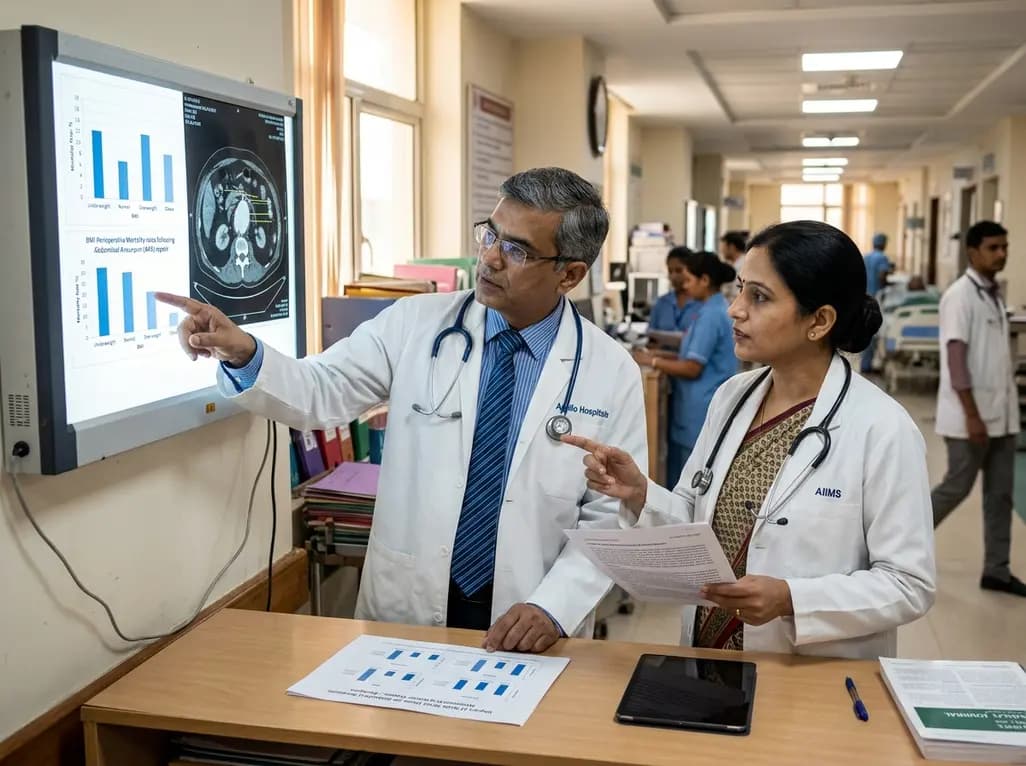
A comprehensive meta-analysis evaluates the association between Body Mass Index and outcomes following abdominal aortic aneurysm repair. Discover how overweight and obesity correlate with lower mortality while underweight status confers heightened risk, challenging conventional preoperative risk stratification.
Today
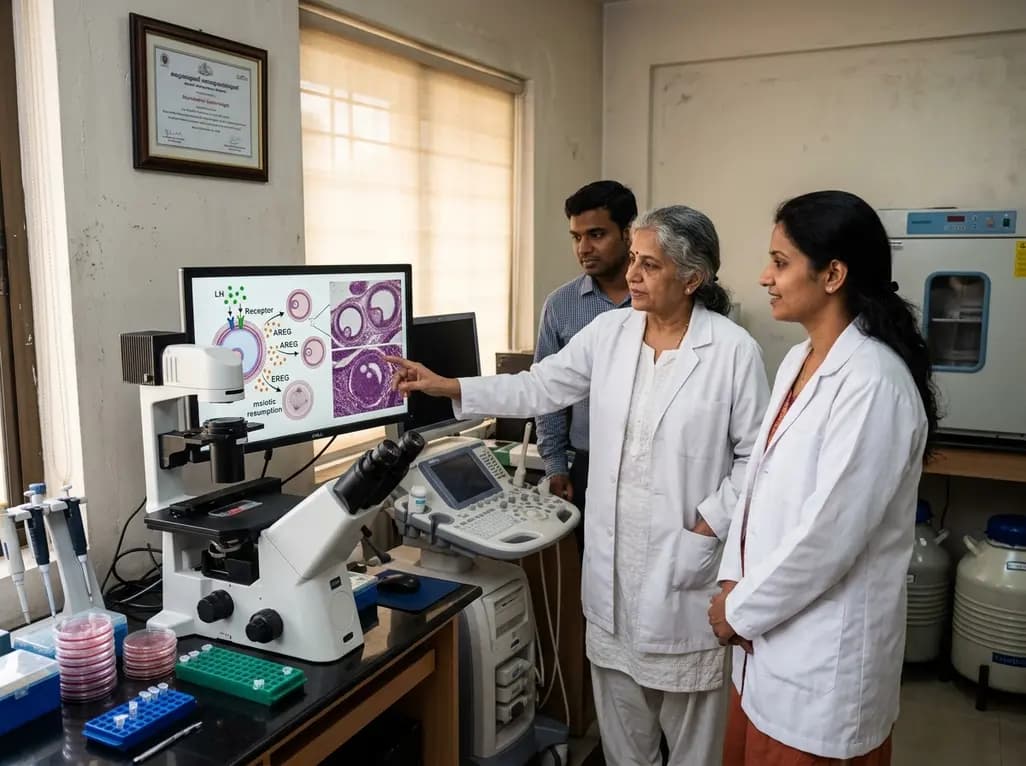
New research reveals that preovulatory follicles communicate via LH-induced paracrine signaling. Diffusible EGF ligands epiregulin and amphiregulin coordinate oocyte meiotic resumption across neighboring follicles, challenging traditional concepts of follicular autonomy.
Today
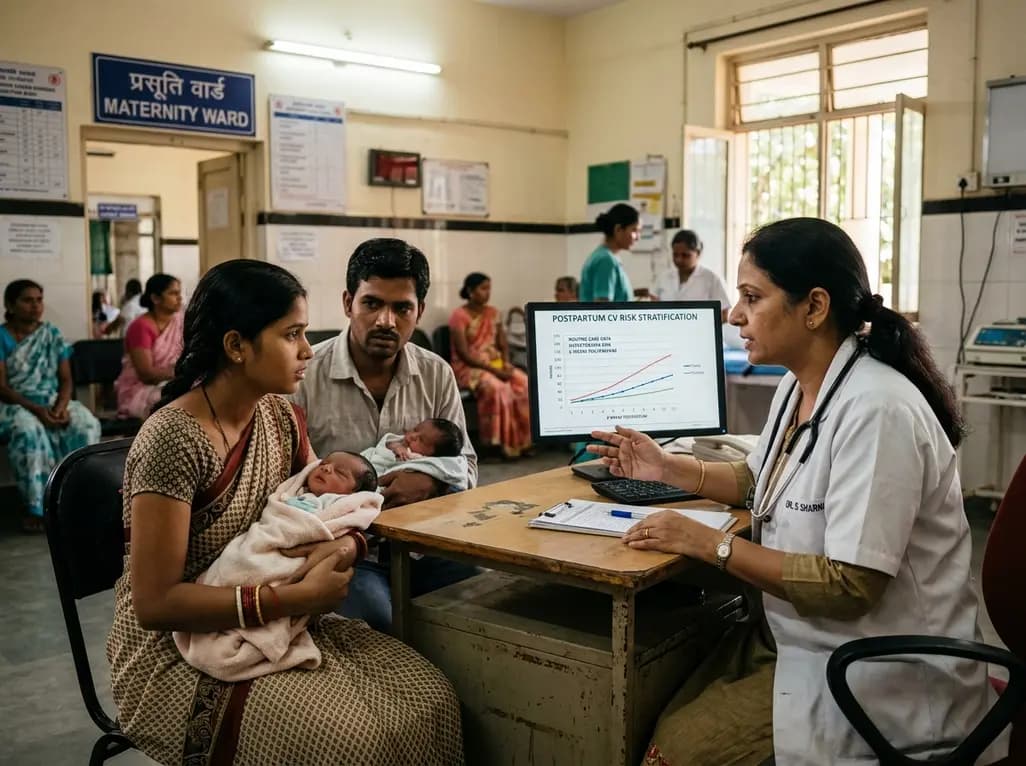
A nationwide Dutch study of over 737,000 women reveals that a multistate model accurately stratifies postpartum cardiovascular risk as early as six weeks after birth. Hypertensive disorders, preterm delivery, and low socioeconomic status strongly drive premature hypertension and cardiovascular disease.
Today
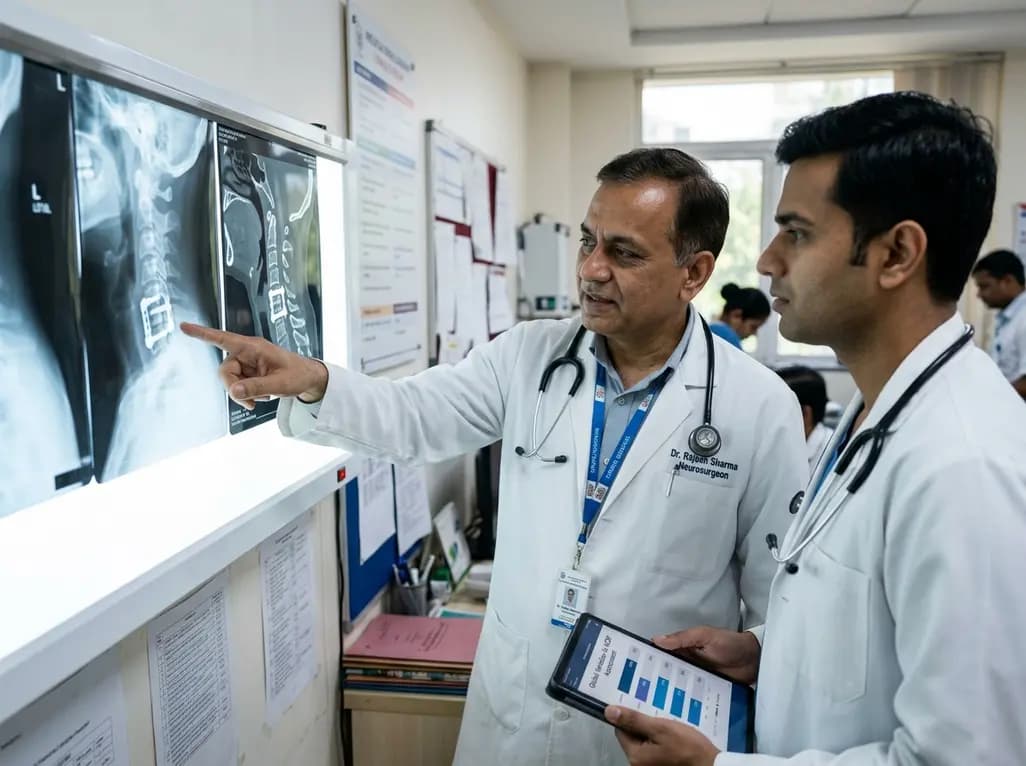
A global cross-sectional survey of cervical spine experts reveals significant variation in ACDF fusion assessment practices, imaging modalities, and fixation preferences, underscoring the need for standardized post-surgical protocols.
Today
A multicenter real-world prospective study in Taiwan demonstrates that liraglutide effectively reduces body weight and BMI standard deviation score in adolescents with obesity. The therapy shows a favorable safety profile with mild gastrointestinal adverse events and zero treatment discontinuations due to intolerance.
Today
