.webp&w=384&q=75)

Loading, please wait...
Loading, please wait...

Substance use patterns among teenagers have undergone profound shifts over the past two decades. Epidemiological data demonstrate that adolescent cannabis use presents evolving challenges for healthcare providers. Historically, clinicians viewed cannabis experimentation as a widespread social behavior among youth. However, contemporary market changes and shifting consumption patterns demand a thorough reassessment of associated psychiatric risks. While fewer adolescents report regular consumption today compared to previous decades, those who do consume cannabis experience substantially higher rates of psychiatric morbidity. Consequently, clinicians must update their screening paradigms and diagnostic frameworks to address these complex vulnerabilities effectively.
Comprehensive population data illustrate a significant decline in overall consumption rates among teenagers. A pivotal multi-wave study spanning 15 years evaluated more than 150,000 seventeen-year-old participants to track these changes. Between 2008 and 2022, regular cannabis consumption dropped from 7.4% to 3.8% across the surveyed cohorts. Therefore, public health campaigns and changing adolescent social dynamics have successfully curbed recreational initiation. Nevertheless, this positive trend coincides with an alarming escalation in reported adolescent psychological distress. Specifically, national registries document marked increases in mood disorders, self-harm, and severe anxiety across the same timeframe. Because the prevalence of consumption declined while emotional distress escalated, the clinical profile of the typical consumer shifted dramatically. Regular consumers no longer represent a broad cross-section of curious teenagers. Instead, they increasingly represent a highly concentrated subset of vulnerable youth. Thus, primary care physicians and pediatricians cannot assume that declining population use equates to reduced clinical burden.
The neurobiological impact of cannabis depends directly upon the molecular potency of available products. Over the past fifteen years, the concentration of Δ9-tetrahydrocannabinol in commercial and illicit cannabis rose precipitously. Earlier generations consumed herbal preparations containing modest psychoactive concentrations. In contrast, modern strains, concentrates, and vaping oils frequently contain extraordinarily high concentrations of psychoactive cannabinoids. Consequently, an adolescent experimenting with cannabis today receives a significantly higher neurochemical insult than a peer did fifteen years ago. The adolescent brain remains in a dynamic state of neurodevelopment characterized by active synaptic pruning and myelination. Moreover, the endogenous endocannabinoid system directs critical aspects of prefrontal cortical maturation and emotional regulation. When high-potency exogenous cannabinoids flood these sensitive neural circuits, they disrupt normal neurodevelopmental signaling. As a result, regular exposure during this developmental window elevates the risk of persistent executive dysfunction, affective dysregulation, and substance dependency. Clinicians must therefore understand that modern cannabis exposure carries far greater neurological potency than historical baselines indicated.
Epidemiological surveillance shows an intriguing divergence between consumption numbers and adverse psychiatric outcomes. Between 2017 and 2022, statistical associations between regular cannabis use and poor mental health grew substantially stronger. Multivariable regression models controlling for gender, socioeconomic status, and concurrent substance use confirm this intensifying relationship. Although fewer teenagers consumed the substance regularly, those who used cannabis exhibited markedly higher odds of severe depressive symptoms and suicidal behavior. Furthermore, longitudinal analyses confirm that regular consumption frequently precedes formal psychiatric diagnoses by several years. For instance, large cohort studies show that adolescent consumers face twice the risk of developing psychotic and bipolar disorders compared to abstainers. Additionally, these teenagers display a 34% higher risk of incident major depression and a 24% higher risk of clinical anxiety disorders. These robust statistical relationships persist even after rigorous adjustments for baseline psychological status. Therefore, the contemporary adolescent cannabis consumer presents with a clinical risk profile far more severe than historical cohorts demonstrated.
The impact of regular substance use is not uniform across all adolescent demographics. Sociodemographic analysis highlights critical differences across gender, underlying psychological resilience, and socioeconomic backgrounds. Historically, adolescent boys dominated regular usage statistics by substantial margins. However, recent data reveal that adolescent girls now experience an accelerated escalation in emotional distress and self-medication behaviors. Moreover, teenage girls who consume cannabis regularly show particularly steep increases in affective disorders and suicidal ideation. Similarly, adolescents living with preexisting neurodevelopmental conditions face heightened vulnerability to adverse substance-related outcomes. Youth with untreated attention-deficit/hyperactivity disorder or adverse childhood experiences frequently initiate substance use as a maladaptive coping mechanism. Consequently, cannabis consumption compounds underlying affective instability rather than alleviating it. Because vulnerable adolescents increasingly gravitate toward high-potency products for emotional relief, they enter a debilitating cycle of dependence and psychological decompensation. Clinicians must recognize these distinct subpopulation trajectories during regular health maintenance assessments.
The evolving association between substance exposure and psychiatric illness requires decisive clinical action. Pediatricians, general practitioners, and psychiatrists must integrate validated screening tools into routine consultations. Brief conversational interventions often fail to identify covert regular use among adolescents presenting with vague psychosomatic symptoms. Therefore, providers should adopt standardized questionnaires such as the CRAFFT screening tool during annual physical examinations. When an adolescent discloses regular use, physicians must immediately screen for concurrent mood, anxiety, and trauma-related disorders. Furthermore, clinicians must communicate clearly with patients and families regarding the cognitive risks of high-potency cannabinoids. Many parents and teenagers mistakenly view cannabis as a harmless, natural remedy for chronic anxiety and sleep disruption. Medical practitioners must proactively dispel this misconception by presenting clear, objective scientific evidence. Early identification of substance use provides an invaluable window for timely psychotherapeutic intervention, thereby preventing long-term psychiatric morbidity.
Addressing this dual crisis of substance use and adolescent mental health requires integrated therapeutic pathways. Fragmented care delivery frequently leaves struggling adolescents without appropriate psychiatric or addiction support. Healthcare systems must establish cohesive referral pipelines connecting primary care clinics, adolescent psychiatry departments, and community resources. In addition, cognitive behavioral therapy and motivational interviewing demonstrate robust efficacy in reducing adolescent substance use. Clinicians should prioritize these evidence-based modalities over passive observation or punitive approaches. Furthermore, family-based interventions help parents establish supportive boundaries and monitor behavioral changes effectively. Beyond individual clinical encounters, physicians have a responsibility to advocate for stringent public health policies. Regulatory measures must restrict youth-targeted marketing, enforce age restrictions, and establish potency caps on commercial cannabis formulations. By combining compassionate clinical screening with systemic advocacy, healthcare professionals can mitigate the psychiatric fallout associated with modern cannabis exposure.
High-potency cannabis floods the adolescent endocannabinoid system with intense levels of tetrahydrocannabinol. This exposure disrupts critical synaptic pruning and prefrontal cortex maturation. Consequently, regular consumption impairs executive function, memory formation, and emotional regulation, leaving adolescents vulnerable to severe cognitive deficits and long-term psychiatric illness.
Although overall consumption rates dropped, today's regular consumers represent a concentrated, vulnerable population facing significant psychosocial distress. In addition, contemporary cannabis products contain much higher tetrahydrocannabinol concentrations than older formulations. These pharmacological and epidemiological factors combined to intensify the statistical association with psychiatric disorders over time.
Clinicians should implement validated instruments such as the CRAFFT screening tool during routine adolescent visits. This standardized questionnaire identifies alcohol and drug use risks efficiently. If an adolescent screens positive, providers should promptly conduct thorough diagnostic evaluations for concurrent depressive, anxiety, or psychotic disorders.
Disclaimer: This content is for informational and educational purposes only... Refer to the latest local and national guidelines for clinical practice.
References

Read summarized clinical updates, watch expert medical content, and earn CME certifications right from your smartphone.
Open your smartphone camera to scan and install.





A 15-year nationwide study reveals that while adolescent cannabis use declined overall, its association with severe mental health issues intensified. Clinicians must address rising THC potency and evolving psychiatric vulnerabilities in adolescents.
Today
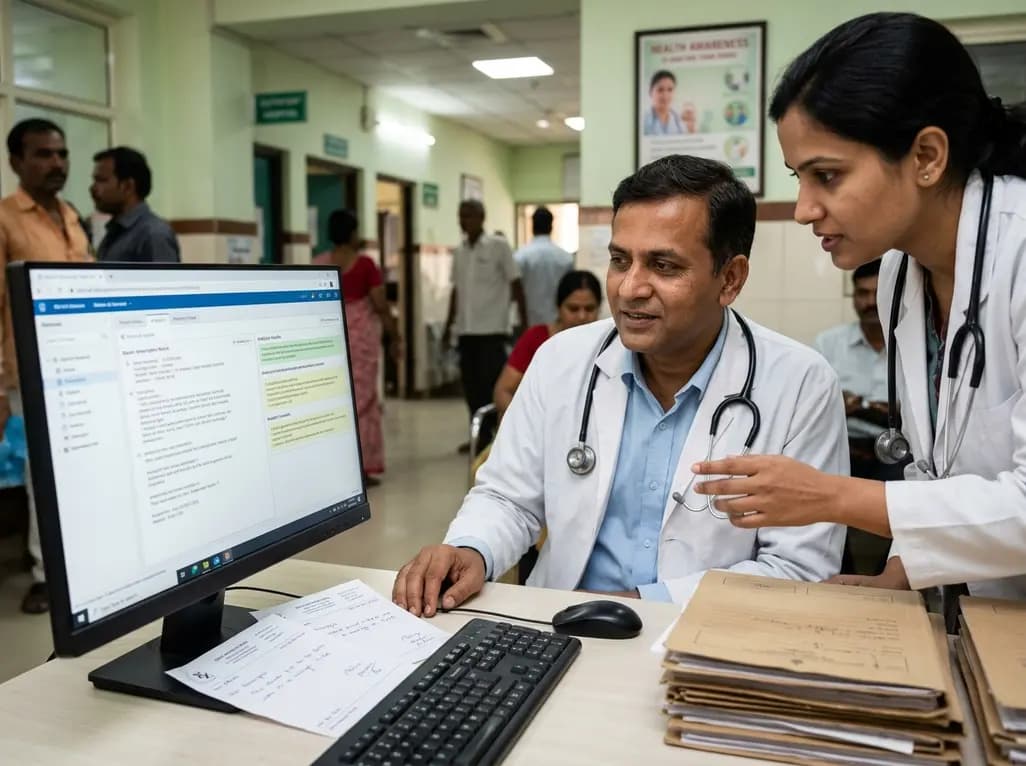
A crossover study demonstrates that locally deployed large language models with exact-match knowledge augmentation significantly elevate outpatient prescription review accuracy to 97.2%, curbing hallucinations and securing patient data without requiring complex cloud infrastructure.
Today
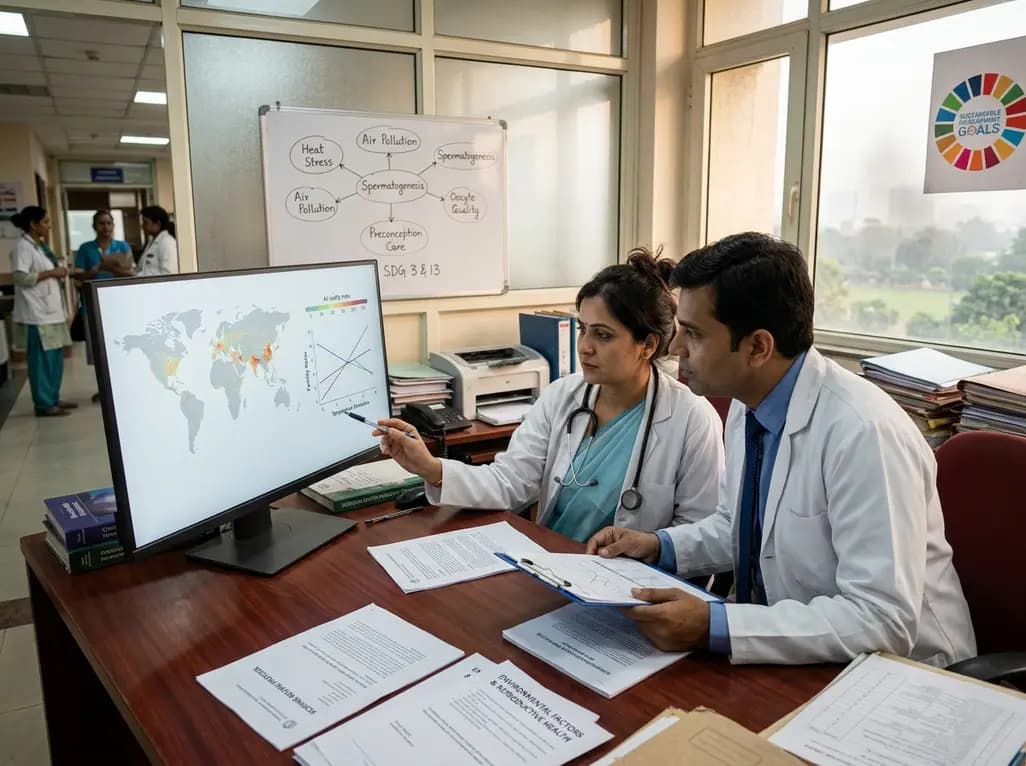
A new scoping review protocol systematically maps global evidence on how climatic shifts, ambient heat, and pollution impact human fertility. Discover key physiological mechanisms, clinical preconception strategies, and critical public health alignments under Sustainable Development Goals 3 and 13.
Today
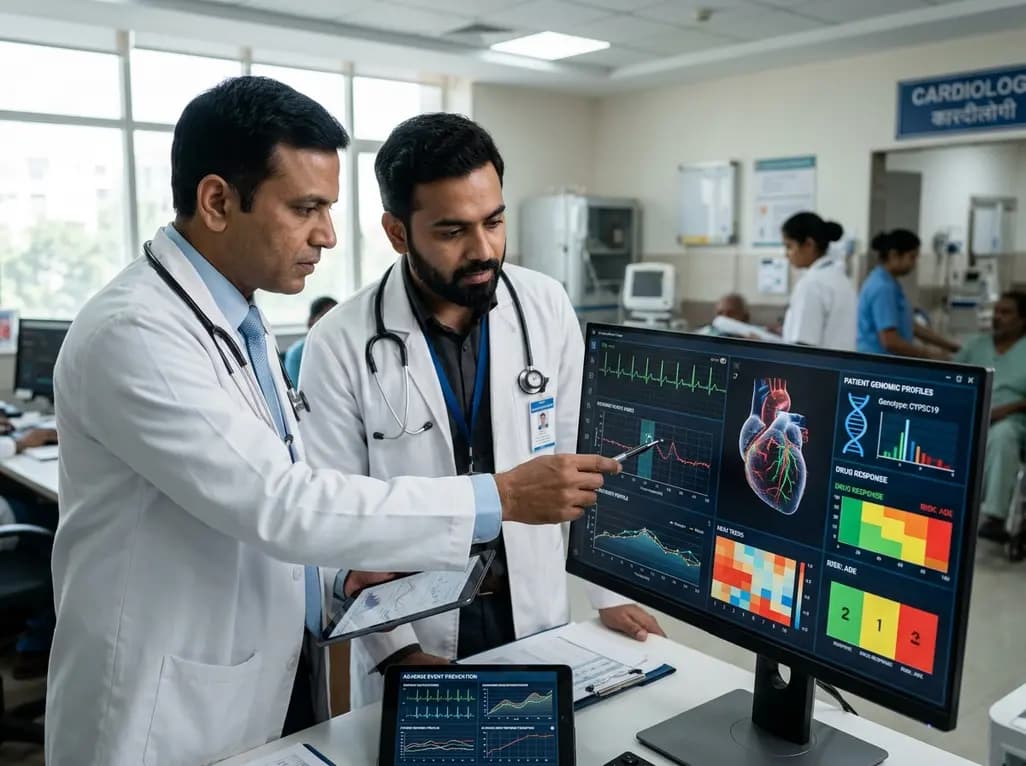
Pharmacogenomics and artificial intelligence are revolutionizing cardiology by tailoring therapies to individual genetic profiles and clinical data, reducing adverse drug events, and improving cardiovascular patient outcomes.
Today
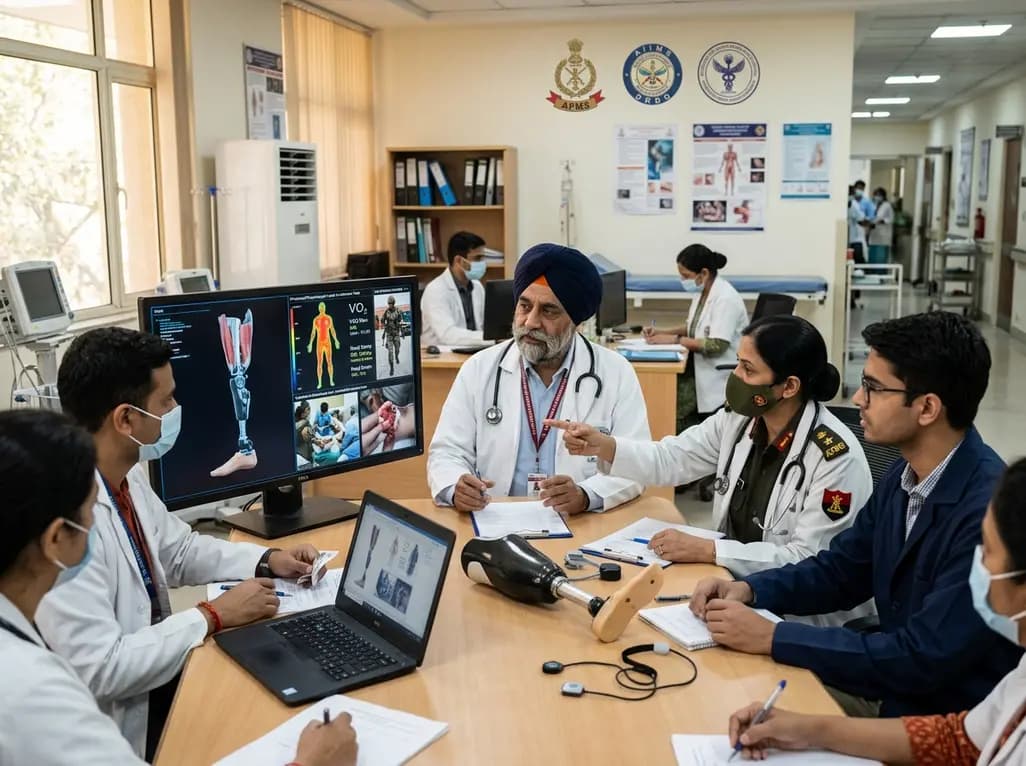
India's premier scientific bodies have joined the Armed Forces Medical Services to solve unique physiological and operational challenges faced by soldiers. The national collaboration covers combat casualty care, artificial intelligence diagnostics, bionic prosthetics, and extreme-environment physiological resilience.
Today
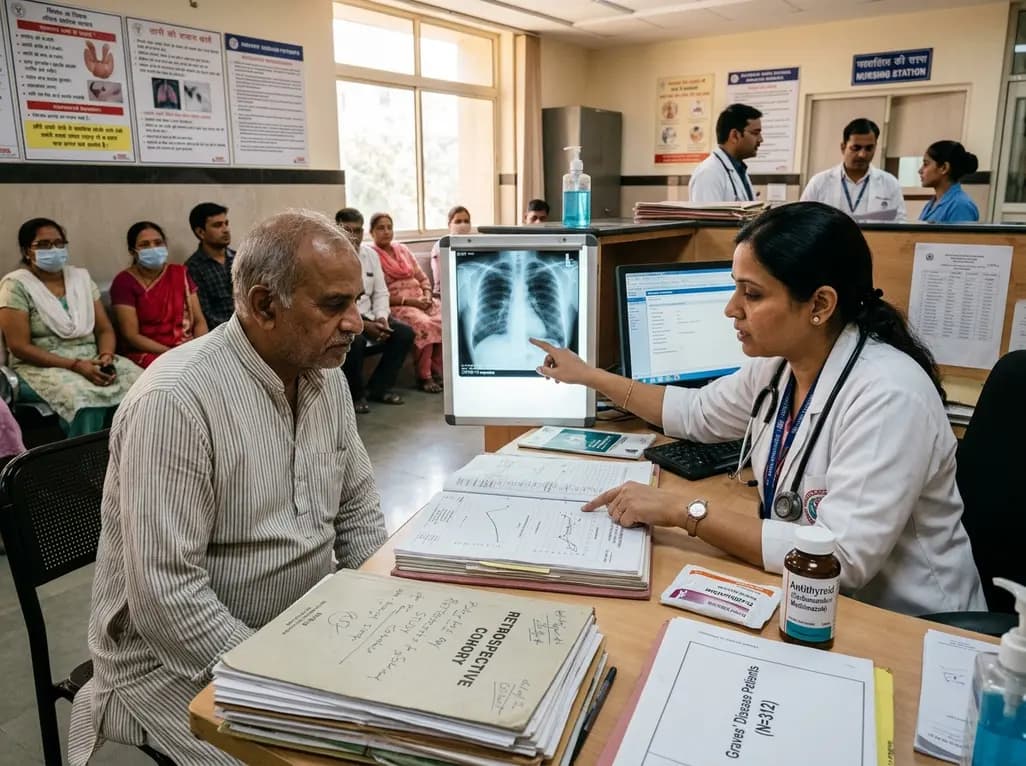
A retrospective cohort study evaluates the short- and long-term impacts of SARS-CoV-2 infection on patients with Graves' disease receiving antithyroid drug therapy, highlighting thyroid status destabilization, clinical symptom exacerbations, and post-viral sequelae.
Today
