.webp&w=384&q=75)

Loading, please wait...
Loading, please wait...
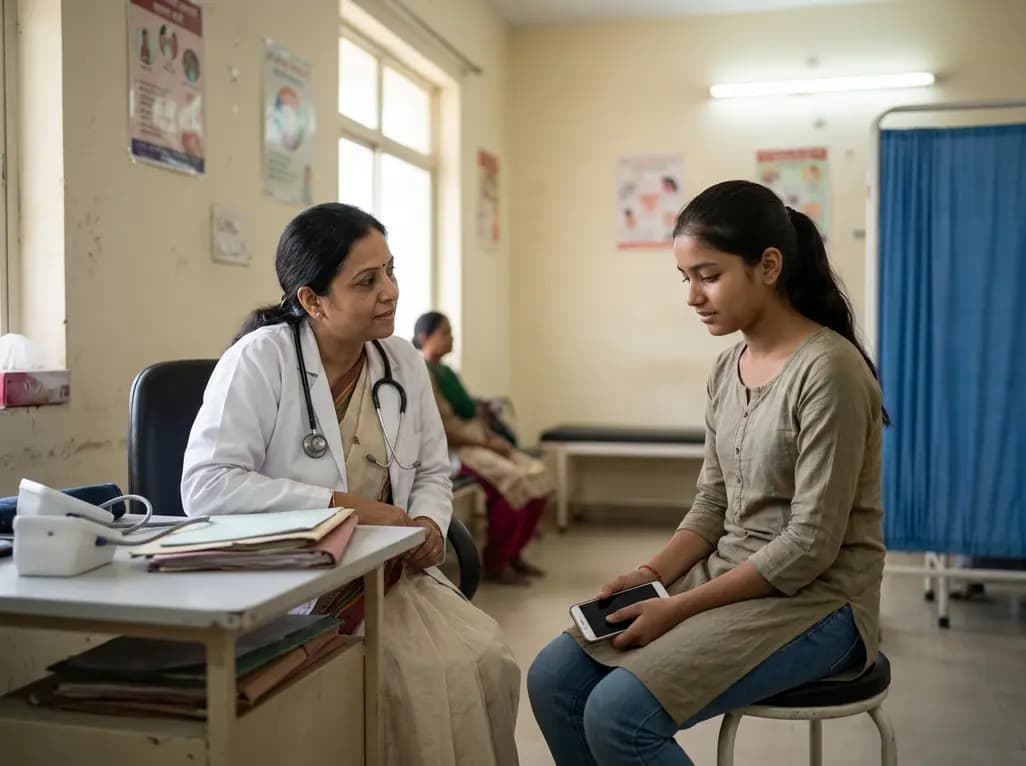
Adolescent body image dissatisfaction has emerged as a significant public health concern globally. Recent research, including a cross-sectional study by Woldetinsae L et al., highlights how youth perceive their bodies during critical developmental years. This study, conducted with over 800 participants aged 13 to 18, reveals a troubling trend where only a minority of adolescents report a positive body image. Body image is not merely about physical appearance; it involves a complex interplay of emotional, cognitive, and social factors. When youth misinterpret their size or shape, it often leads to low self-esteem and poor mental health outcomes. Furthermore, these negative perceptions are frequently linked to unhealthy behaviors, such as disordered eating and excessive exercise. Consequently, healthcare providers must understand the unique drivers of these perceptions to offer effective support. While social influences have always existed, the digital age has intensified the pressure on young individuals to conform to narrow beauty standards. Therefore, investigating the individual and social explanations for this dissatisfaction is essential for modern clinical practice and adolescent wellness programs.
The study highlights a stark contrast in how different genders experience adolescent body image dissatisfaction. Findings indicate that approximately 43% of boys rated their body image positively, which is significantly higher than the 23% of girls who felt the same. Even more concerning is the data regarding non-binary youth, where only 13% reported a positive perception of their bodies. These disparities suggest that the pressures to conform to specific ideals vary greatly depending on gender identity. For girls, the societal emphasis often leans toward a "thin ideal," whereas boys frequently face pressure to achieve a muscular or athletic physique. Nevertheless, both groups experience dissatisfaction when they feel they do not meet these often unattainable standards. This gendered experience of body image is not unique to Western contexts. Studies in India have similarly shown that adolescent girls are particularly vulnerable to body shaming and internalized thinness ideals. These findings underscore the necessity for gender-sensitive approaches in pediatric and psychiatric care to address the specific anxieties faced by different youth populations effectively.
To better understand the roots of adolescent body image dissatisfaction, researchers utilized Principal Component Analysis (PCA) to categorize various influences. This analysis identified three primary domains: social relationships, personal behaviors, and media comparison. Social relationships encompass the feedback and interactions youth have with peers and family members. Positive reinforcement from these circles can buffer against dissatisfaction, whereas negative comments or bullying can exacerbate it. Personal behaviors, such as physical activity levels and dietary habits, also play a significant role in how youth view their bodies. For many boys in the study, a sense of self-identity was closely tied to fitness and physical capability. In contrast, girls were more likely to be influenced by social comparisons. This multidimensional framework demonstrates that body image is shaped by more than just what a child sees in the mirror. It is a narrative constructed through daily interactions and lifestyle choices. Clinicians should therefore look beyond BMI when assessing adolescent health, focusing instead on these broader psychosocial domains to gain a comprehensive understanding of a patient's well-being.
Digital environments have become a dominant force in shaping adolescent body image dissatisfaction. The study found that media comparison is a critical factor, particularly for girls who often engage in upward social comparisons with influencers and celebrities. Social media platforms provide a constant stream of curated and filtered images, which can lead youth to believe that these artificial standards are the norm. This constant exposure creates a "digital mirror" that is frequently distorted and unforgiving. Research suggests that the more time adolescents spend on visual-heavy platforms, the more likely they are to report dissatisfaction with their own appearance. Moreover, the interactive nature of social media, including likes and comments, adds a layer of social validation that can be damaging if not managed carefully. While some youth possess high media literacy, many still struggle to separate reality from digital manipulation. For Indian adolescents, who represent one of the largest groups of social media users globally, these digital pressures are increasingly relevant. Educators and healthcare providers must promote digital resilience to help youth navigate these environments without compromising their self-esteem.
Recognizing the factors that drive adolescent body image dissatisfaction is the first step toward developing effective interventions. Healthcare providers, particularly in family medicine and pediatrics, are in a unique position to screen for body image issues during routine check-ups. Instead of focusing solely on weight-related metrics, clinicians should ask open-ended questions about how youth feel about their bodies and their social media habits. Tailored interventions might include cognitive-behavioral strategies to challenge negative thought patterns or family-based counseling to improve the social environment. Furthermore, school-based programs that emphasize body positivity and health over appearance have shown promise in reducing dissatisfaction rates. In the Indian context, where cultural expectations regarding appearance can be intense, providing a safe space for adolescents to discuss these pressures is vital. By addressing the interplay of social, behavioral, and environmental factors, providers can help youth build a more resilient and positive sense of self. Ultimately, the goal is to shift the focus from achieving an "ideal" body to fostering a healthy relationship with one's physical and mental self.
Promoting a positive body image requires a collaborative effort between parents, schools, and healthcare professionals. One effective strategy is to encourage "body neutrality," which focuses on what the body can do rather than how it looks. This approach helps reduce the obsession with aesthetic perfection and promotes gratitude for physical health and functionality. Additionally, fostering strong, supportive social relationships can serve as a protective factor against the negative effects of media comparison. Parents should be encouraged to model healthy body image behaviors, as children often mirror their caregivers' attitudes toward weight and dieting. Educational programs that teach media literacy are also essential, helping youth understand how images are manipulated and why they should not be used as a benchmark for self-worth. In clinical settings, identifying early signs of body dissatisfaction can prevent the development of more severe psychiatric conditions like anorexia or bulimia. By implementing these multifaceted strategies, we can create a more supportive environment that empowers adolescents to value their unique identities and navigate the challenges of growing up in a high-pressure society.
Common indicators include frequent negative comments about their appearance, excessive mirror checking, and an obsession with weighing themselves. Adolescents may also begin to withdraw from social activities where their bodies are on display, such as swimming or sports. Changes in eating habits, like skipping meals or secretive eating, are also red flags. Clinicians should monitor these behavioral shifts as they often signal underlying psychological distress related to their self-perception.
While both genders experience dissatisfaction, the focus typically differs. Girls are more likely to strive for thinness and may engage in restrictive eating or social media comparison. Boys, however, often pursue a more muscular physique, which can lead to excessive weightlifting or the use of supplements. Understanding these gender-specific goals allows healthcare providers to tailor their screening questions and interventions to address the specific pressures each group faces in today's society.
Yes, social media can be a tool for positivity if youth are taught to curate their feeds carefully. Following accounts that promote body diversity, body neutrality, and realistic health standards can help counteract the negative effects of thin-ideal content. Digital literacy training is essential to help adolescents recognize the role of filters and lighting. When used mindfully, social media can provide a community of support and foster a more inclusive understanding of beauty.
Disclaimer: This content is for informational and educational purposes only and does not constitute medical advice. It is not intended to be a substitute for professional medical advice, diagnosis, or treatment. Always seek the advice of your physician or other qualified health provider with any questions you may have regarding a medical condition. Refer to the latest local and national guidelines for clinical practice.
References
Woldetinsae L et al. When adolescents look at their bodies: Individual and social explanations for the dissatisfaction with what they see-A cross-sectional study. Can J Public Health. 2026 Jul 09. doi: 10.17269/s41997-026-01229-3. PMID: 42426549.
Vasudeva B. Body Image Dissatisfaction in The Youth of India: And the Effects on Self-Esteem. The International Journal of Indian Psychology. 2021;9(3). DOI: 10.25215/0903.058.
Paria B, Dwivedi M, Roy SK. A Cross-sectional Study on Body Image Perception and Self-Esteem among Adolescent Girls in Urban and Rural Areas of Kolkata, West Bengal, India. J Clin Diagn Res. 2023;17(11). DOI: 10.7860/JCDR/2023/62667.18697.

Read summarized clinical updates, watch expert medical content, and earn CME certifications right from your smartphone.
Open your smartphone camera to scan and install.





A cross-sectional study highlights that adolescent body image dissatisfaction is widespread, particularly among girls and non-binary youth. Factors like social media comparison and personal behaviors play a key role. Understanding these influences is essential for developing tailored clinical interventions.
3 months ago

Following regulatory scrutiny from FSSAI regarding promotional representations and lean muscle preservation claims, Dr. Reddy's Laboratories and Nestlé Health Science are currently reviewing the branding and marketing strategy for their joint nutritional supplement Celevida GLP+.
Today

Demanding exhaustive hormonal profiling can inadvertently discourage clinical studies involving females. Methodological standards must align with the specific scientific question to expand, not restrict, equitable evidence for women.
Today

The Directorate General of Health Services directs Indian states to halt the hazardous reuse and reprocessing of single-use medical devices. Discover regulatory implications under the Drugs and Cosmetics Act, critical infection risks, legal liabilities, and operational changes required across clinical specialties.
Today
A novel calcium polyphosphate coacervate enables injectable bone implants with in situ hierarchical porosity via phase separation and gas foaming, significantly enhancing cell proliferation, energy metabolism, and osteogenic differentiation for minimally invasive bone defect repair.
Today

India is advancing preventive healthcare by integrating genomics, artificial intelligence, and quantum technologies. With the SANGAM programme sequencing one million Indian genomes, clinicians can unlock personalized therapies, detect cardiometabolic risks early, and curb the burden of diabetes and heart disease.
Today
