.webp&w=384&q=75)

Loading, please wait...
Loading, please wait...
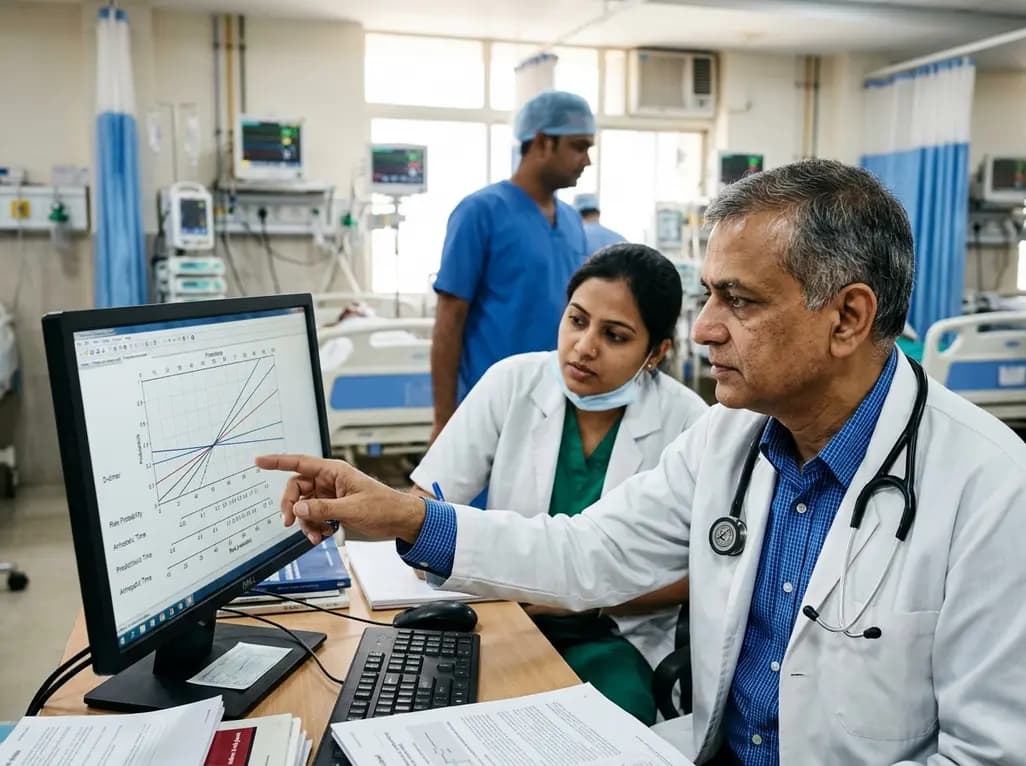
Acute kidney injury liver transplantation remains a frequent, severe complication that significantly increases perioperative morbidity and graft failure. Although intensive care teams monitor graft perfusion continuously, clinicians often struggle to predict early renal deterioration within the first postoperative hours. Recently, investigators published a machine learning-based nomogram that forecasts acute renal compromise using clinical parameters collected within one hour after graft reperfusion. Consequently, this innovation equips intensivists with early objective data, facilitating timely organ-protective interventions.
Postoperative renal dysfunction occurs in a substantial proportion of transplant recipients, often complicating immediate critical care management. Furthermore, systemic hemodynamic fluctuations, ischemia-reperfusion injury, and preexisting portal hypertension collectively impair renal microcirculation during surgery. Therefore, renal tubules sustain significant ischemic and inflammatory insults before the patient arrives in the intensive care unit. In addition, exposure to high-dose calcineurin inhibitors soon after surgery can induce profound afferent arteriolar vasoconstriction. This cascade dramatically reduces glomerular filtration and accelerates nephron injury. When clinicians fail to identify renal vulnerability promptly, recipients face extended mechanical ventilation, prolonged intensive care stays, and higher rates of graft dysfunction. Moreover, progressive renal failure drastically escalates hospital costs and resource utilization. Traditional monitoring relies predominantly on serial serum creatinine measurements and hourly urine output records. However, serum creatinine is a delayed surrogate marker, particularly in cirrhotic patients with sarcopenia and reduced hepatic creatine production. Consequently, creatinine alterations often lag behind actual parenchymal injury by twenty-four to forty-eight hours. As a result, critical therapeutic windows close before medical teams detect overt renal shutdown. Early predictive scoring systems thus address an urgent unmet need in postoperative liver transplant care.
The investigative team analyzed one hundred twenty-seven adult liver transplant recipients, applying LASSO regression to isolate the most robust predictors. Specifically, the final predictive model selected preoperative estimated glomerular filtration rate, anhepatic phase time, postoperative natural logarithm-transformed D-dimer, and postoperative alanine aminotransferase. Multivariable logistic regression subsequently confirmed that lower baseline glomerular filtration and prolonged anhepatic phase duration served as independent risk factors for postoperative nephropathy. Preoperative renal reserve directly determines how well nephrons withstand major perioperative hemodynamic disturbances. Thus, recipients with diminished baseline filtration rapidly succumb to acute tubular damage when exposed to surgical stress. Similarly, an extended anhepatic phase exacerbates systemic venous congestion, metabolic acidosis, and profound endotoxemia. As cross-clamping of the inferior vena cava reduces venous return, renal venous hypertension develops alongside impaired renal perfusion. Furthermore, elevated postoperative alanine aminotransferase reflects acute graft ischemia-reperfusion injury, which releases excessive inflammatory cytokines into systemic circulation. Meanwhile, elevated D-dimer levels mirror widespread systemic microvascular thrombosis and fibrinolysis. Consequently, these combined variables quantify both systemic hemodynamic instability and inflammatory endothelial injury. Together, they create a clear pathophysiological snapshot of postoperative renal risk.
To build an accurate yet interpretable bedside tool, the researchers rigorously trained and internally validated five distinct machine learning algorithms. Among the candidate algorithms, the support vector machine demonstrated exceptional predictive discrimination, yielding a validation area under the receiver operating characteristic curve of 0.846. Meanwhile, the logistic regression-based nomogram achieved an impressive area under the curve of 0.861 in the training cohort and 0.761 in the validation cohort. In addition, the team implemented five-fold cross-validation and bootstrap resampling to evaluate model stability and avoid algorithmic optimism. Furthermore, the investigators applied Shapley additive explanations to break open the black-box nature of the machine learning algorithms. This analysis identified preoperative estimated glomerular filtration rate as the single most influential predictor across all cohorts. Because the nomogram integrates objective variables into a transparent graphical scoring instrument, clinicians can compute personalized risk probabilities at the bedside within minutes. Therefore, transplant teams avoid cumbersome computational requirements while preserving machine learning accuracy. Such interpretability remains essential for clinical adoption, as critical care specialists require actionable rationale before changing clinical therapy. Consequently, this model bridges high-performance data science and bedside transplant management.
Early risk stratification allows intensivists to transition from reactive management to proactive renal protection. Specifically, when the nomogram predicts high risk for acute kidney injury, clinicians can immediately implement kidney-sparing protocols in the intensive care unit. For example, bedside physicians can delay calcineurin inhibitor initiation or introduce alternative induction strategies such as basiliximab. Furthermore, intensive care teams can avoid nephrotoxic antimicrobial agents and synthetic colloids, choosing alternative regimens that preserve renal parenchymal integrity. Hemodynamic stabilization also demands meticulous attention. Clinicians must maintain adequate mean arterial pressure and cardiac output using rational vasopressor support rather than aggressive fluid boluses. Because excessive fluid loading elevates central venous pressure and worsens renal interstitial congestion, precise fluid titration is critical. In addition, high-risk recipients benefit from continuous physiological monitoring, including serial arterial blood gas analyses, frequent electrolyte assessments, and real-time hemodynamic profiling. If progressive oliguria or severe metabolic acidosis develops, early continuous kidney replacement therapy can stabilize internal homeostasis before multi-organ failure ensues. Consequently, early risk identification transforms clinical care, improving graft survival and decreasing overall morbidity.
Liver transplantation activity across India has grown exponentially, driven by rising rates of decompensated cirrhosis and metabolic dysfunction-associated steatohepatitis. However, living donor liver transplantation constitutes the vast majority of procedures in Indian centers, contrasting with deceased donor paradigms prevalent in Western cohorts. Therefore, clinical teams must carefully evaluate how graft types and surgical nuances influence model applicability. Living donor operations involve partial liver grafts, which may alter anhepatic phase dynamics and ischemia-reperfusion profiles. In addition, Indian patients frequently present with severe malnutrition, advanced sarcopenia, and significant baseline portal hypertension, which distort creatinine-based filtration estimates. Consequently, external validation within Indian transplant centers remains an indispensable step before widespread clinical integration. Indian clinical protocols must also weigh the feasibility of standardized early postoperative biomarker testing. Rapid automated D-dimer and enzymatic assays are widely available across major Indian transplant hubs, facilitating rapid computation within sixty minutes post-surgery. Nonetheless, multi-center prospective registries in Indian hospital networks should validate whether this nomogram retains high discrimination in diverse demographic groups. Ultimately, adapting validated machine learning algorithms will strengthen personalized perioperative medicine across evolving transplant centers.
Standard diagnostic criteria rely on changes in serum creatinine and hourly urine output, which often manifest several days after initial parenchymal damage. In contrast, this machine learning nomogram utilizes clinical variables collected within one hour after surgery. By evaluating baseline filtration, anhepatic phase time, D-dimer, and liver transaminases, the model accurately identifies vulnerable patients long before creatinine rises, enabling proactive renal-protective interventions during the most crucial postoperative window.
The anhepatic phase causes profound hemodynamic perturbations due to inferior vena cava clamping or systemic venous pooling. Consequently, renal venous congestion develops while effective renal arterial perfusion substantially drops. Additionally, prolonged absence of hepatic function leads to progressive metabolic acidosis, endotoxin accumulation, and systemic inflammation. Therefore, extended anhepatic duration directly inflicts acute ischemic and toxic tubular insults, dramatically increasing the patient's susceptibility to severe postoperative renal failure.
When the nomogram signals high risk, intensivists should immediately modify immunosuppression regimens by delaying or reducing nephrotoxic calcineurin inhibitors. Furthermore, clinicians must avoid nephrotoxic antibiotics, radio-contrast agents, and aggressive crystalloid over-resuscitation that worsens renal venous hypertension. Instead, teams should implement continuous physiological monitoring, optimize mean arterial pressure with balanced vasopressors, and prepare for early continuous renal replacement therapy if severe oliguria or refractory metabolic acidosis appears.
Disclaimer: This content is for informational and educational purposes only and should not be considered as medical advice or used for treatment or diagnosis. Refer to the latest local and national guidelines for clinical practice.
References

Read summarized clinical updates, watch expert medical content, and earn CME certifications right from your smartphone.
Open your smartphone camera to scan and install.





A machine learning-based nomogram accurately predicts acute kidney injury after liver transplantation within one hour of surgery. Key predictors include eGFR, anhepatic phase time, D-dimer, and ALT, offering clinicians an actionable tool to guide early renal-protective strategies in critical care.
Today
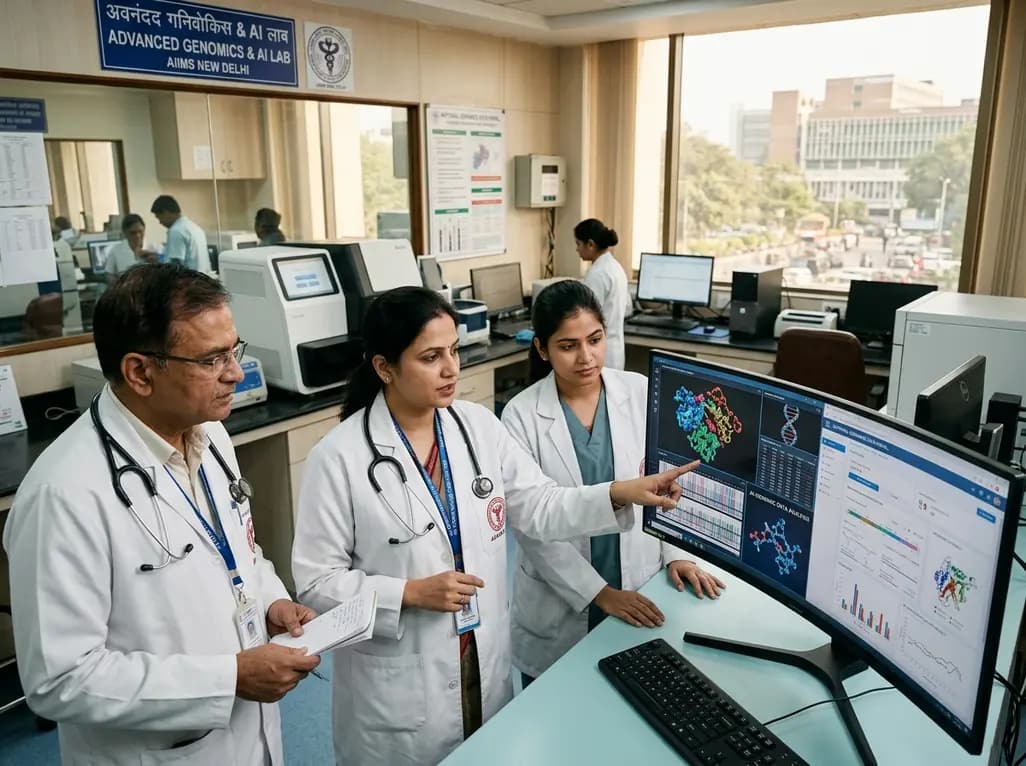
India is advancing biomedical frontiers by integrating AI, genomics, and nanomedicine under supportive national policies like BioE3. Union Minister Jitendra Singh urges clinicians to balance cutting-edge innovations with bedside clinical acumen to preserve patient trust and deliver equitable precision healthcare.
Today
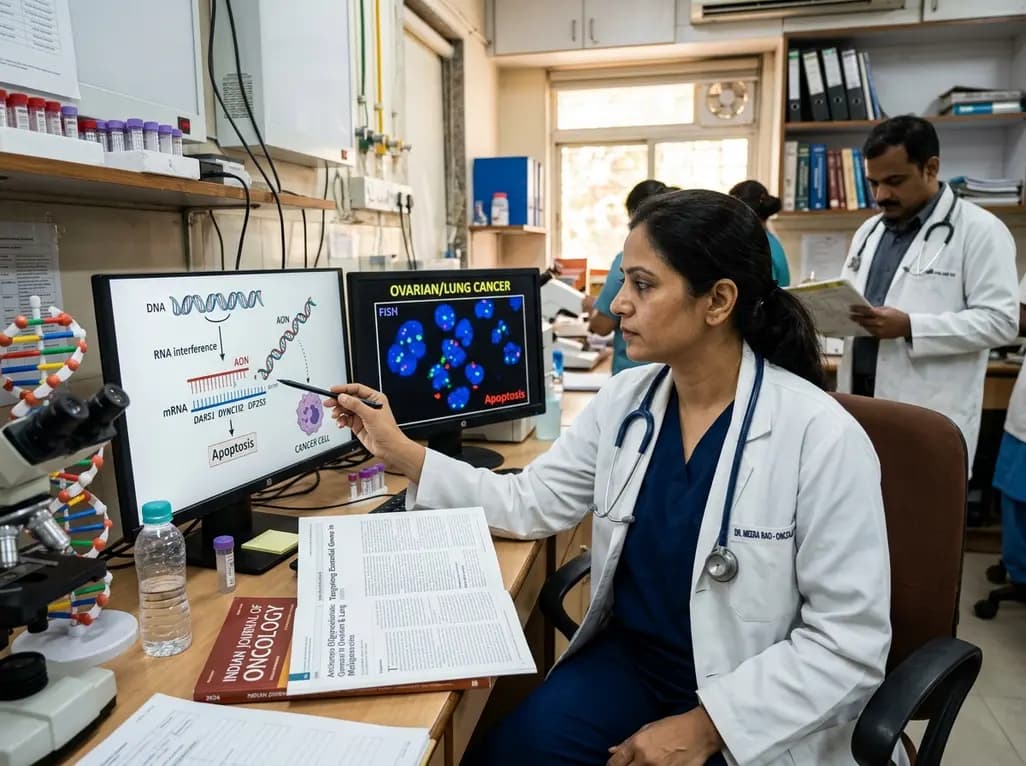
Novel preclinical research demonstrates that antisense oligonucleotides targeting essential genes such as DARS1, DYNC1I2, and EIF2S3 selectively induce apoptosis in ovarian and lung cancer cells. Conditional biomarker activation provides a viable strategy to spare normal tissue while overcoming therapy resistance.
Today
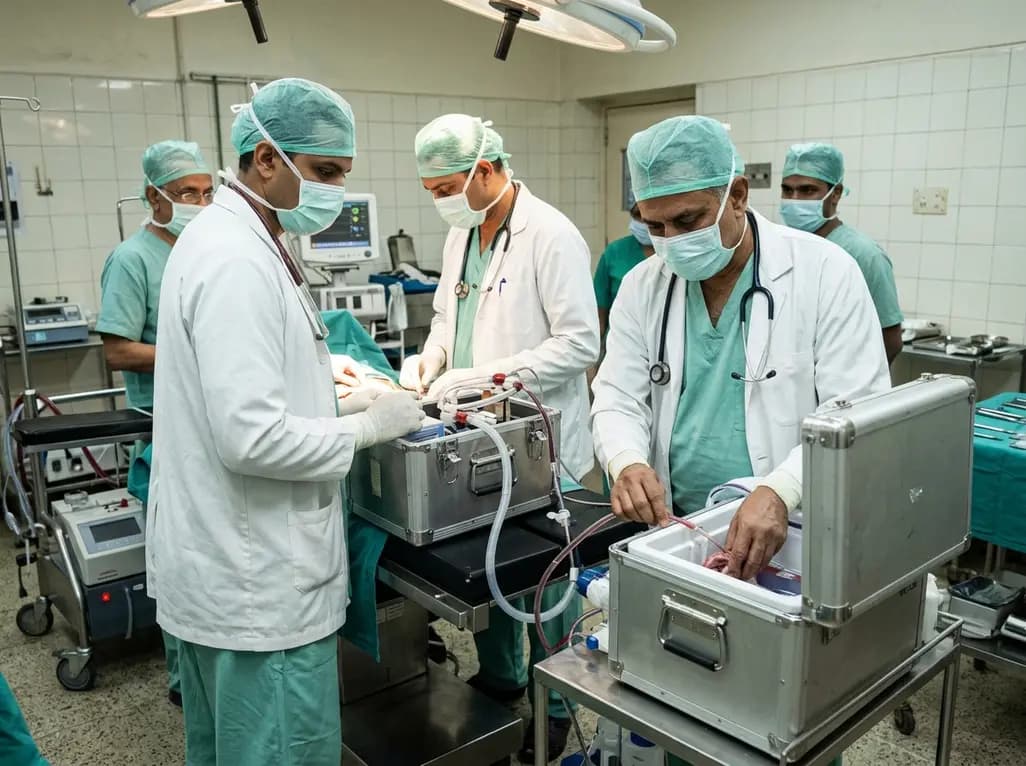
A pioneering Italian case series demonstrates that mobile heart teams can successfully implement TA-NRP heart procurement in peripheral noncardiac hospitals. Despite a mandatory 20-minute no-touch period and prolonged warm ischemia, 89.5% of hearts were transplanted with zero primary graft dysfunction.
Today
DOORS-GHF is a newly validated operative risk scoring system for geriatric hip fracture patients. Outperforming legacy tools like P-POSSUM, it accurately predicts 30-day postoperative complications and mortality, enhancing perioperative triage, clinical decision-making, and individualized orthogeriatric care.
Today
A systematic review evaluates the feasibility and safety of thyroidectomy after thermal ablation for thyroid nodules. Although procedures encounter significant fibrosis and surgical adhesions, permanent complication rates remain remarkably low in experienced centers.
Today
