.webp&w=384&q=75)

Loading, please wait...
Loading, please wait...
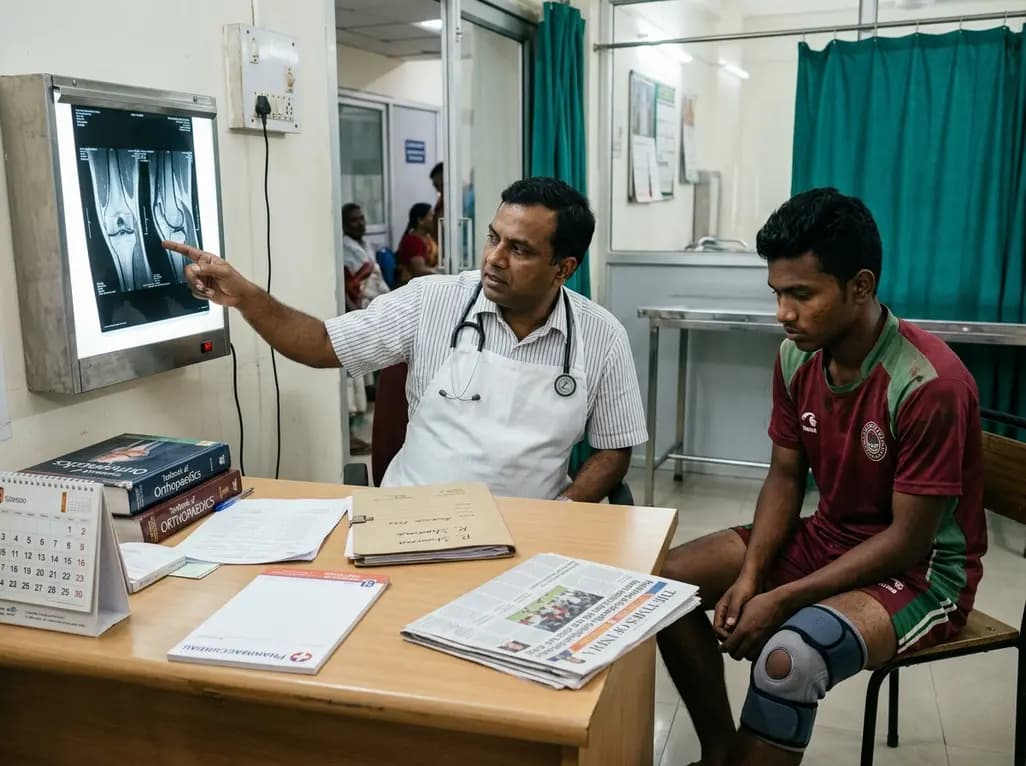
Anterior cruciate ligament (ACL) ruptures remain one of the most debilitating injuries for professional athletes. Beyond the physical pain, the ACL injury recovery costs and long-term career implications are substantial for both players and clubs. A recent retrospective study analyzed 211 professional male footballers in Europe to quantify these economic and professional burdens. The findings provide a stark reminder of the gravity of this injury in the modern sports landscape.
The research revealed that the average recovery period for these athletes was approximately 256.6 days. While the median recovery sat at 241 days, some players faced up to 674 days away from competitive play. Consequently, the time spent in rehabilitation represents a significant loss of productivity for clubs. Moreover, this lengthy absence directly correlates with immediate and indirect financial losses, as clubs must continue paying salaries while the asset remains unavailable for selection.
One of the most critical aspects of the study was the impact on a player's transfer market valuation. Specifically, an ACL rupture was associated with a mean market value depreciation of approximately 2.5%. Therefore, even if an athlete successfully returns to the pitch, their perceived value in the global market often suffers a permanent or long-term dip. This Value Drop Ratio highlights how medical vulnerability translates into tangible financial penalties for football organizations.
Furthermore, the study identified that player age and the profile of the coaching staff might influence these financial outcomes. Interestingly, older head coaches were linked to higher financial losses during a player's injury period. This suggests that squad management and the integration of returning players are vital components of mitigating the economic fallout of severe orthopedic injuries.
While most professional players eventually return to sport, the trajectory of their careers often shifts. Recovery is not just about returning to the field; it is about reaching pre-injury performance levels. However, the data suggests that many players struggle to maintain their previous market value or career momentum. Similarly, the statistical power of this research underscores that ACL injuries are a primary driver of career shortening in professional football.
The average recovery time is approximately 256.6 days, though it can range from 109 to over 674 days depending on individual factors and concomitant injuries.
On average, professional footballers experience a 2.5% drop in their transfer market value following an ACL rupture, as measured by the Value Drop Ratio (VDR).
Disclaimer: This content is for informational and educational purposes only. It does not constitute professional medical advice, diagnosis, or treatment. Always seek the advice of your physician or other qualified healthcare provider with any questions you may have regarding a medical condition. Refer to the latest local and national guidelines for clinical practice.
References
Karaman T et al. From injury to financial loss: Quantifying the economic and career consequences of anterior crucial ligament ruptures in European professional football. Knee Surg Sports Traumatol Arthrosc. 2026 Jun 04. doi: 10.1002/ksa.70470. PMID: 42241013.
Forsythe B et al. The Impact of ACL Injuries on Major League Soccer Players' Performance. Rush Orthopedics Research Database.
Secrist ES et al. The Financial and Professional Impact of Anterior Cruciate Ligament Injuries in National Football League Athletes. Jefferson Digital Commons.
"
Read summarized clinical updates, watch expert medical content, and earn CME certifications right from your smartphone.
Open your smartphone camera to scan and install.





A study on 211 professional footballers quantifies the financial and career impacts of ACL ruptures, highlighting recovery times and market value depreciati...
4 months ago

Review how tailored exercise programs benefit frail older patients with heart failure. Explore pathophysiological mechanisms, individualized training prescriptions, and strategies to overcome adherence barriers in clinical practice.
Today

Leucine Rich Bio has introduced South Asia's first comprehensive vaginal microbiome test, BugSpeaks. By profiling microbial dysbiosis, pathogens, and antimicrobial resistance, this next-generation diagnostic platform provides clinicians with deeper insights into recurrent infections, fertility, and reproductive health.
Today

In high-risk pulmonary embolism complicated by severe anemia and active uterine bleeding, systemic thrombolysis is contraindicated. Large-bore aspiration thrombectomy provides rapid hemodynamic rescue without fibrinolysis, supported by inferior vena cava filter placement and multidisciplinary critical care.
Today

This comparative study evaluates posterior labral tears with and without glenohumeral instability, highlighting distinct demographic patterns, MRI underestimation in stable shoulders, and successful arthroscopic repair outcomes.
Today

A clinical study demonstrates that early intervention with tocilizumab, either as monotherapy or bridged with corticosteroids, achieves significant proptosis reduction and resolves active inflammation in treatment-naive thyroid eye disease.
Today
