.webp&w=384&q=75)

Loading, please wait...
Loading, please wait...

Youth social media addiction remains a critical concern for medical professionals and regulators worldwide. Specifically, Meta CEO Mark Zuckerberg is currently testifying in a California court regarding Instagram's impact on adolescent mental health. Furthermore, this landmark trial represents a potential turning point for Big Tech's longstanding legal immunity. Consequently, healthcare providers must understand the evolving landscape of digital wellness and user harm.
Many nations are already implementing strict controls to mitigate risks for younger users. For instance, Australia and Spain recently prohibited social media access for individuals under the age of 16. Similarly, Florida has banned companies from allowing children under 14 to join these platforms. However, industry trade groups continue to challenge these laws in various courts. Therefore, the regulatory environment remains highly volatile as governments seek to address digital health concerns.
The current lawsuit involves a woman who claims Instagram and YouTube fueled her severe depression. Moreover, she alleges that these applications led to suicidal ideation during her childhood. Meta and Google consistently deny these claims. Instead, they highlight their safety features and point to research from the National Academies of Sciences. Nevertheless, thousands of school districts and families have filed similar lawsuits across the United States. Indeed, the outcome of this test case will significantly influence future litigation.
Adam Mosseri, the head of Instagram, recently provided testimony regarding internal company studies. These documents suggest that teens in difficult life circumstances use social media more habitually. Meanwhile, Meta's legal team argues that the plaintiff's health issues stem from a troubled childhood rather than platform design. Thus, the court must decide if corporate algorithms contributed to specific mental health crises. Medical professionals should monitor these developments to better advise families on screen time and mental hygiene.
Q1: What is the main focus of the Zuckerberg testimony?
Zuckerberg must address internal studies regarding how Instagram use affects the mental health and behavioral habits of younger users.
Q2: How are other countries responding to social media concerns?
Countries like Australia and Spain have implemented bans for minors under 16 to protect their mental well-being and reduce addiction risks.
Q3: What are the potential consequences for Meta in this trial?
Meta may have to pay significant damages if the jury finds them liable, which could also erode legal protections for other tech companies.
Disclaimer: This content is for informational and educational purposes only. It does not constitute medical advice or replace professional judgment. Refer to the latest local and national guidelines for clinical practice.
References

Read summarized clinical updates, watch expert medical content, and earn CME certifications right from your smartphone.
Open your smartphone camera to scan and install.





Mark Zuckerberg faces questioning in a landmark trial over youth social media addiction and its links to depression and suicidal thoughts in young users....
8 months ago

Recent epidemiological data reveals a dramatic surge in summer heat mortality driven by human-induced climate warming. This analysis explores the pathophysiological impacts on cardiac and renal systems, diagnostic dilemmas in death certification, and essential emergency cooling protocols for acute clinical care.
Today
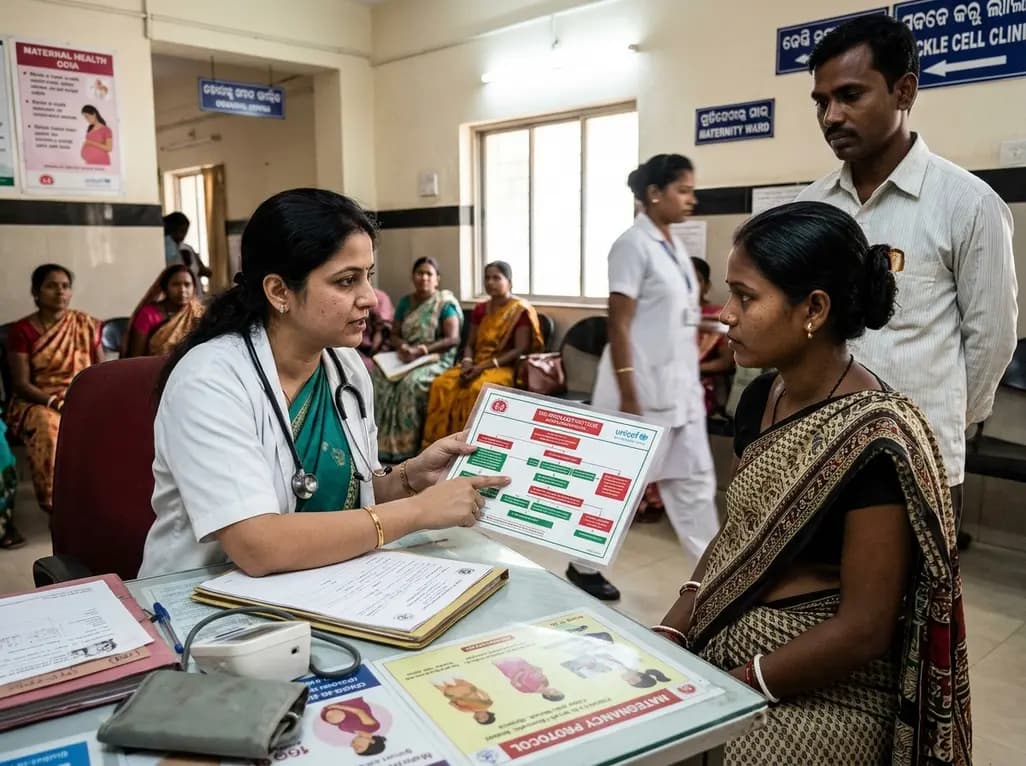
Odisha has established India's first state-level clinical protocol specifically tailored for pregnant women with sickle cell disease. Developed with NHM and UNICEF, the framework provides structured antenatal screening, crisis mitigation, standardized referral pathways, and specialized interdisciplinary care.
Today

India is advancing preventive healthcare by integrating genomics, artificial intelligence, and quantum technologies. With the SANGAM programme sequencing one million Indian genomes, clinicians can unlock personalized therapies, detect cardiometabolic risks early, and curb the burden of diabetes and heart disease.
Today
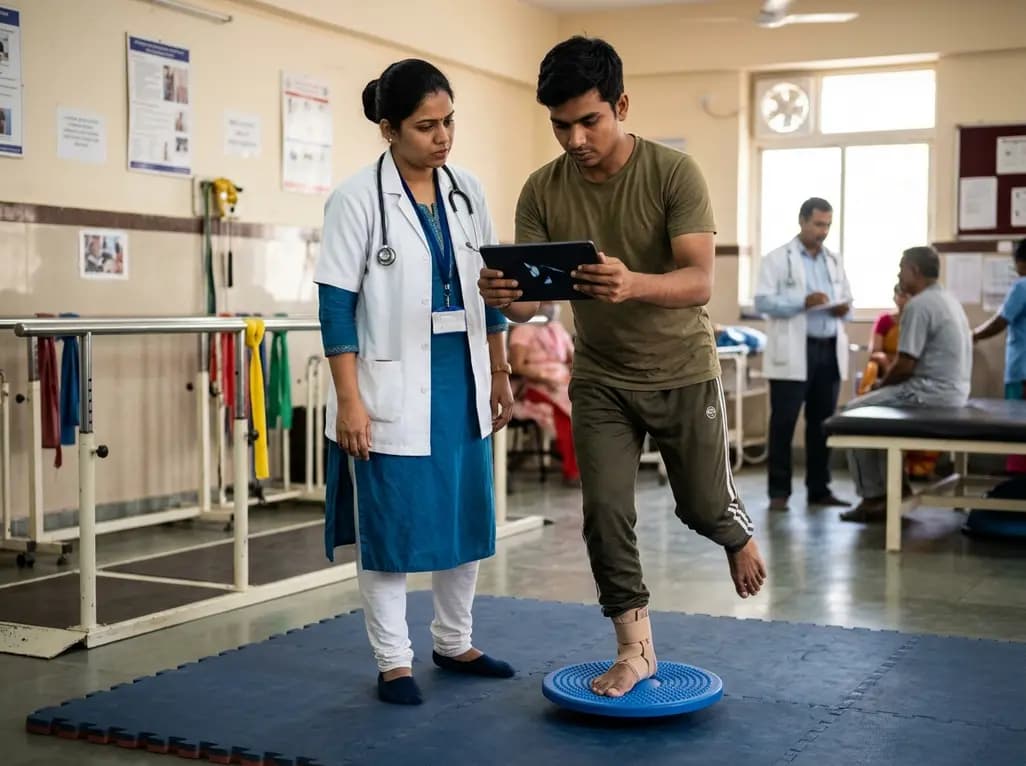
A randomized controlled trial demonstrates that an eight-week dual-task training intervention significantly improves static and dynamic postural control over standard balance exercises in individuals with chronic ankle instability, addressing critical neurocognitive deficits during athletic and daily activities.
Today

A retrospective cohort study of 7,716 ICU patients from the MIMIC-IV database demonstrates that Gradient Boosting Decision Trees significantly outperform traditional SOFA scores in predicting in-hospital mortality among patients with sepsis and diabetes, with SHAP analysis providing clinical interpretability.
Today
