

Loading, please wait...
Loading, please wait...
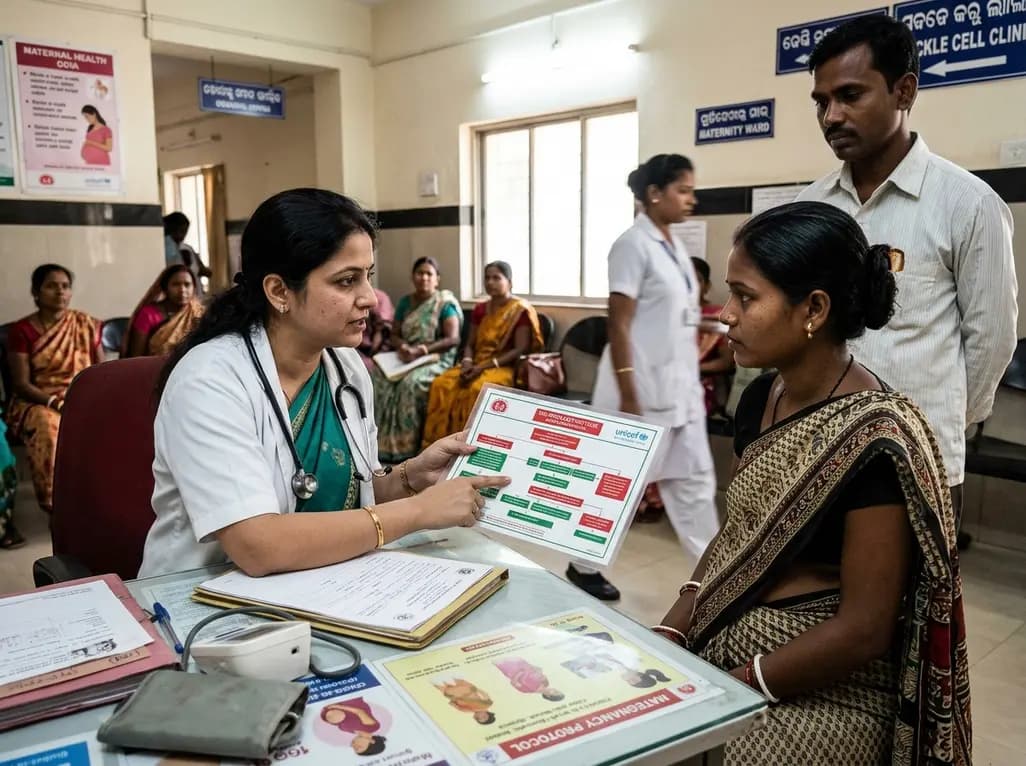
Managing a sickle cell disease pregnancy presents substantial clinical challenges for obstetricians and hematologists across India. Specifically, pregnant patients with hemoglobinopathies experience elevated maternal and perinatal morbidity. Consequently, Odisha became the first Indian state to unveil a dedicated clinical management protocol. Developed collaboratively with UNICEF, this initiative equips clinicians with standardized screening, timely triage, and coordinated referral pathways across high-burden districts.
Sickle cell disorders represent an inherited group of hemoglobinopathies that significantly impact public health across central and eastern India. In Odisha, a heavy disease prevalence persists across several tribal and rural districts. Historically, maternal mortality remains elevated among pregnant women with homozygous sickle cell disease or sickle beta-thalassemia.
Consequently, physiological adaptations during gestation place extreme demands on an already compromised microvascular circulation. Red blood cells sickle under maternal hypoxia, hypovolemia, and acidosis. As a result, microvascular occlusion increases sharply during pregnancy. Furthermore, systemic inflammation worsens baseline endothelial dysfunction. Mothers frequently encounter acute painful sickle crises, severe hemolytic anemia, and life-threatening systemic infections. Additionally, the fetus faces serious hazards, including intrauterine growth restriction, severe placental insufficiency, and spontaneous preterm delivery.
Until recently, medical centers lacked unified state-level clinical workflows to guide peripheral and secondary healthcare providers. Therefore, decentralized clinicians faced significant diagnostic dilemmas when triaging high-risk expectant mothers. The new protocol directly bridges this systemic clinical gap. Specifically, it provides standardized clinical directives across twenty-one high-burden districts in Odisha. State health authorities designed these guidelines to harmonize institutional care and primary care delivery. Ultimately, this structured approach standardizes maternal monitoring and improves perinatal survival outcomes across the state.
The newly rolled out framework reflects an interdisciplinary partnership between multiple specialized healthcare entities. Clinical faculty from state medical colleges collaborated closely with programme divisions of the National Health Mission. In addition, experts from the Directorate of Blood Safety and UNICEF contributed extensive technical inputs. Development partners, including the William J Clinton Foundation, actively assisted with operational planning and logistical review.
Significantly, the protocol delineates clear clinical roles across every tier of the state health ecosystem. Primary health centers and Ayushman Arogya Mandirs handle population-level screening and early risk identification. Consequently, frontline workers promptly detect pregnancies in women with known or suspected trait status. Community health officers initiate baseline laboratory tests and dispense essential maternal micronutrient supplements.
Meanwhile, sub-divisional hospitals and district headquarters hospitals manage intermediate monitoring and moderate maternal complications. Clinicians at secondary centers perform detailed serial ultrasounds and track fetal growth trajectories. Furthermore, tertiary medical colleges serve as regional referral hubs for complex clinical presentations. Specialists at these academic medical centers manage multi-organ crises, exchange transfusions, and intensive care admissions. Thus, this tiered operational structure guarantees a seamless continuum of care for vulnerable pregnant mothers across all administrative levels.
A cornerstone of managing a sickle cell disease pregnancy involves early maternal and paternal screening. Healthcare workers screen expectant mothers during their initial first-trimester antenatal visits using solubility testing or point-of-care electrophoresis. If a patient tests positive for sickle hemoglobin, clinicians immediately test her partner. Consequently, genetic counselors can quantify fetal inheritance risks and advise the parents early in gestation.
Moreover, the protocol emphasizes comprehensive preconception and early antenatal medication reviews. Clinicians must immediately evaluate the patient's ongoing drug regimen during the initial visit. For example, doctors must discontinue hydroxyurea upon pregnancy confirmation due to potential fetal toxicities. Instead, physicians initiate daily high-dose folic acid supplementation at five milligrams to support accelerated maternal erythropoiesis.
Additionally, providers assess the patient's baseline iron status before initiating standard maternal iron therapy. Routine iron supplementation can cause fatal hemosiderosis in chronically transfused women. Therefore, clinicians only prescribe therapeutic iron when serum ferritin tests confirm true iron deficiency anemia. Obstetricians also prescribe low-dose aspirin starting in early gestation. This prophylactic antiplatelet therapy reduces the elevated risk of maternal preeclampsia. Through these targeted interventions, physicians establish robust baseline protection against predictable maternal and fetal complications.
Expectant mothers with hemoglobinopathies require vigilant, multidisciplinary monitoring throughout gestation. The Odisha protocol mandates structured antenatal visits every two to four weeks. During each clinical examination, healthcare providers evaluate blood pressure, urine protein levels, and maternal hemoglobin concentrations. Consequently, clinical teams can detect gestational hypertension and asymptomatic bacteriuria before life-threatening crises develop.
Furthermore, routine maternal infection screening plays a crucial role in preventing acute hemolytic deterioration. Bacterial infections frequently trigger painful vaso-occlusive episodes, aplastic events, and maternal sepsis. Accordingly, clinicians maintain a low diagnostic threshold for investigating febrile episodes or localized physical pain. Obstetricians recommend prompt empirical antimicrobial therapy whenever bacterial infection is suspected. In addition, clinicians ensure timely administration of pneumococcal, meningococcal, and seasonal influenza vaccinations.
Meanwhile, serial fetal surveillance remains paramount to ensure intrauterine fetal wellbeing. Healthcare providers perform regular ultrasound examinations to monitor fetal growth and amniotic fluid volume. Beginning in the second trimester, clinicians employ uterine and umbilical artery Doppler studies. These hemodynamic measurements assess placental perfusion and identify early placental insufficiency. Moreover, prompt fetal biometry detects early restriction patterns. Thus, structured fetal surveillance helps clinicians intervene promptly before fetal distress becomes irreversible.
Acute vaso-occlusive episodes and acute chest syndrome represent life-threatening medical emergencies during pregnancy. Therefore, the protocol provides explicit guidance on acute crisis resuscitation and management. Clinicians must maintain aggressive intravenous hydration to prevent further red cell sickling. Concurrently, physicians deliver supplemental oxygen if maternal oxygen saturation drops below ninety-five percent.
Importantly, rapid and individualized analgesia remains central to compassionate crisis resolution. Providers administer scheduled paracetamol and appropriate intravenous opioids while monitoring maternal respiratory parameters closely. However, clinicians strictly avoid nonsteroidal anti-inflammatory drugs after thirty weeks of gestation to avoid premature ductal closure. When maternal hemoglobin drops precipitously, hematologists administer packed red blood cell transfusions. In severe acute chest syndrome, clinicians perform exchange transfusions.
During labor, healthcare teams strive to avoid hypothermia, dehydration, acidosis, and prolonged physical exhaustion. Obstetricians encourage planned vaginal delivery at term unless obstetric indications mandate cesarean birth. Furthermore, anesthesiologists utilize early regional analgesia to reduce maternal stress and sympathetic tone. Postpartum, clinicians administer prophylactic low-molecular-weight heparin to prevent venous thromboembolism. Additionally, dedicated hospital staff perform comprehensive newborn screening before discharge to identify affected infants promptly. In addition, healthcare providers schedule early postnatal outpatient visits to support safe maternal recovery and infant wellness.
Q1: Why does pregnancy increase the frequency and severity of sickle cell crises?
Pregnancy produces profound physiological changes, including increased oxygen consumption, plasma volume expansion, and natural hypercoagulability. These maternal hemodynamic alterations exacerbate vascular stasis and red blood cell sickling. Consequently, pregnant patients face heightened susceptibility to microvascular occlusion. Maternal infections, dehydration, or physical stress readily trigger painful vaso-occlusive crises and acute chest syndrome. Therefore, pregnant women require specialized multidisciplinary surveillance to identify early decompensation and initiate prompt clinical interventions.
Q2: Why must clinicians carefully review medications like hydroxyurea during pregnancy?
Hydroxyurea carries documented risks of teratogenicity and fetal toxicity based on preclinical studies. Therefore, physicians generally recommend discontinuing hydroxyurea prior to conception or immediately upon pregnancy confirmation. Clinicians replace it with supportive measures such as daily five-milligram folic acid supplementation. In rare maternal circumstances, specialists weigh maternal risks against fetal effects before continuing therapy. Consequently, every medication decision requires individualized multidisciplinary discussion between hematologists and obstetricians.
Q3: How does the Odisha sickle cell protocol improve care in peripheral healthcare centers?
The protocol establishes clear clinical algorithms and referral pathways tailored for primary and secondary facilities. Healthcare workers at Ayushman Arogya Mandirs receive standardized training for early screening and danger sign identification. Sub-divisional hospitals gain defined guidelines for managing non-severe crises and monitoring fetal growth. Furthermore, the protocol integrates dedicated ambulance transportation to regional medical colleges. As a result, rural and tribal women access timely, high-level emergency medical interventions.
Disclaimer: This content is for informational and educational purposes only. It does not constitute medical advice or replace professional judgment. Refer to the latest local and national guidelines for clinical practice.
References

Read summarized clinical updates, watch expert medical content, and earn CME certifications right from your smartphone.
Open your smartphone camera to scan and install.





Odisha has established India's first state-level clinical protocol specifically tailored for pregnant women with sickle cell disease. Developed with NHM and UNICEF, the framework provides structured antenatal screening, crisis mitigation, standardized referral pathways, and specialized interdisciplinary care.
Today
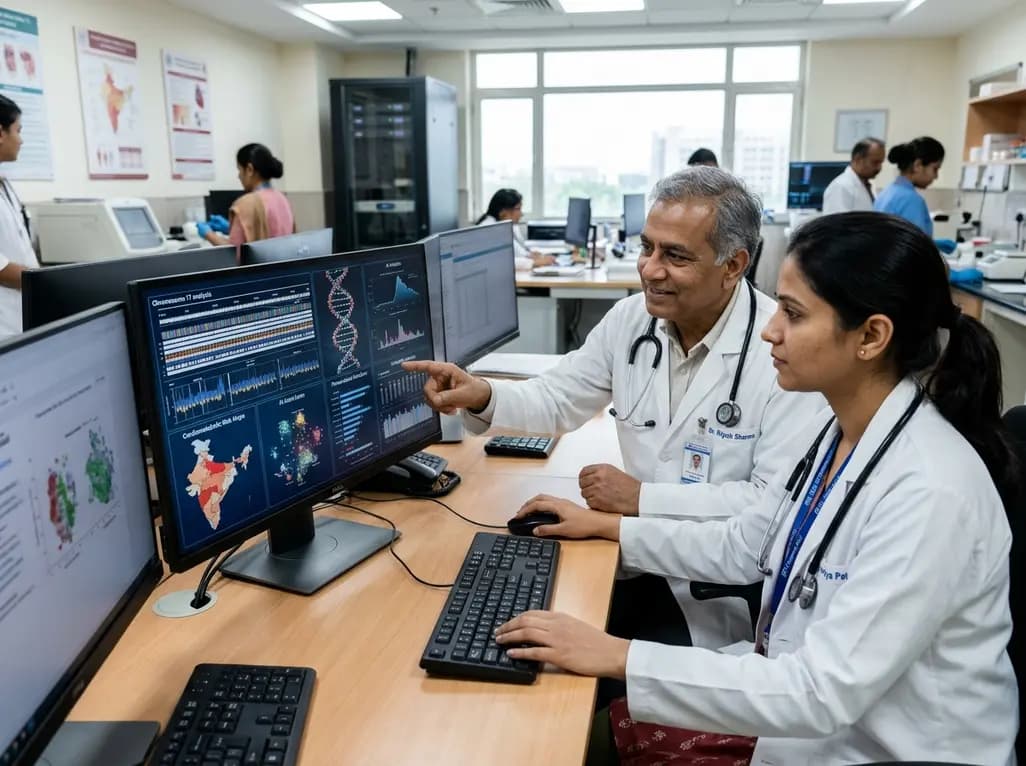
India is advancing preventive healthcare by integrating genomics, artificial intelligence, and quantum technologies. With the SANGAM programme sequencing one million Indian genomes, clinicians can unlock personalized therapies, detect cardiometabolic risks early, and curb the burden of diabetes and heart disease.
Today
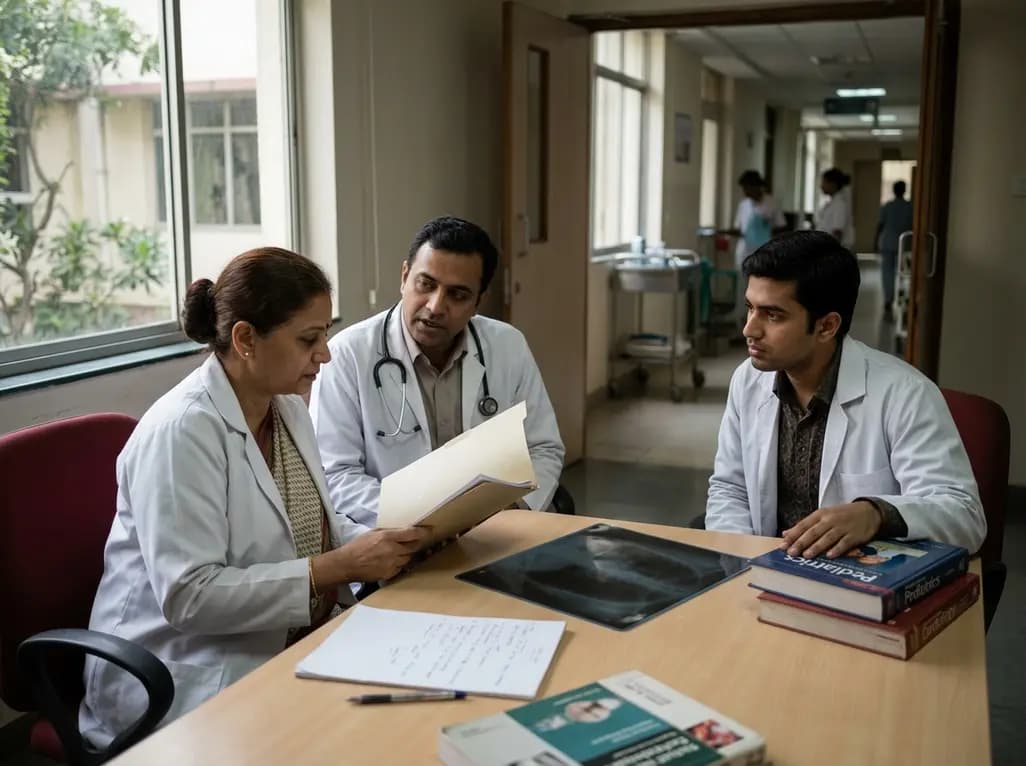
This article reviews the forensic and clinical complexities of acute myocarditis arising on left ventricular hypertrophy in children, highlighting early diagnostic red flags and multidisciplinary postmortem autopsy protocols.
Today
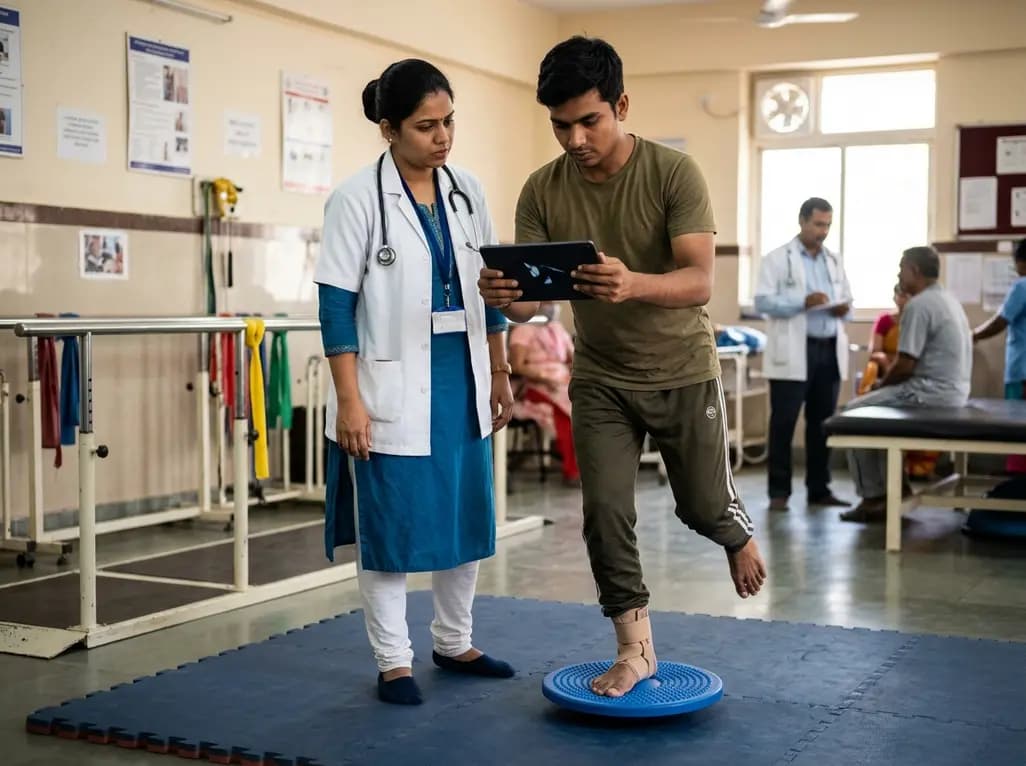
A randomized controlled trial demonstrates that an eight-week dual-task training intervention significantly improves static and dynamic postural control over standard balance exercises in individuals with chronic ankle instability, addressing critical neurocognitive deficits during athletic and daily activities.
Today
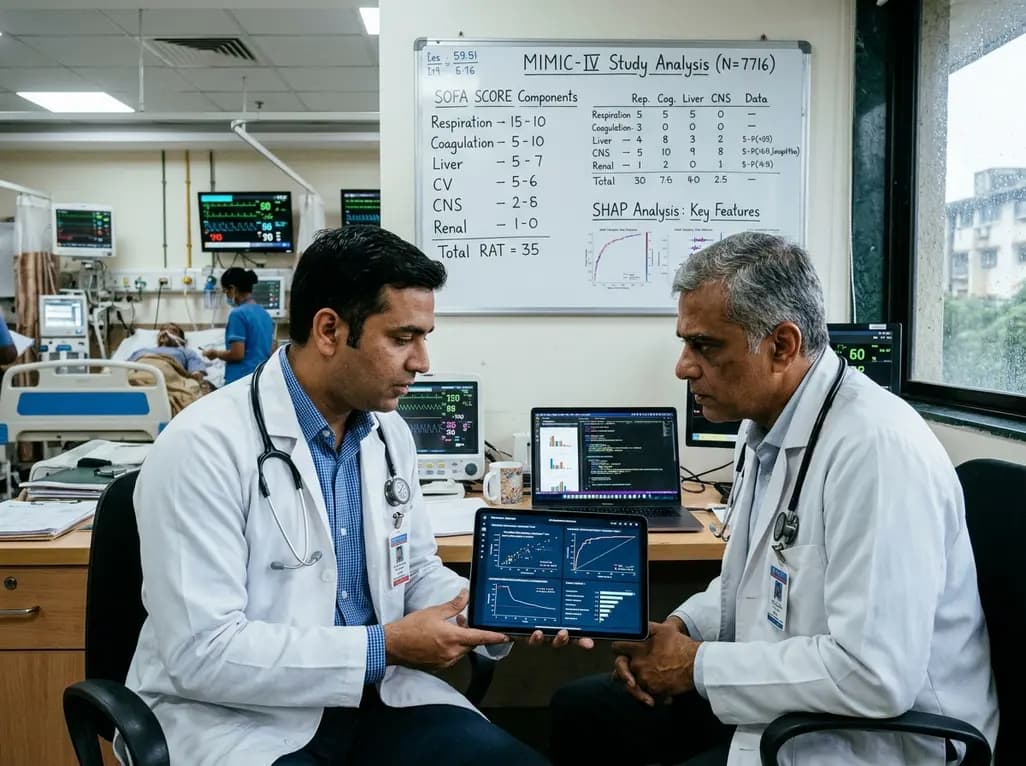
A retrospective cohort study of 7,716 ICU patients from the MIMIC-IV database demonstrates that Gradient Boosting Decision Trees significantly outperform traditional SOFA scores in predicting in-hospital mortality among patients with sepsis and diabetes, with SHAP analysis providing clinical interpretability.
Today
