

Loading, please wait...
Loading, please wait...
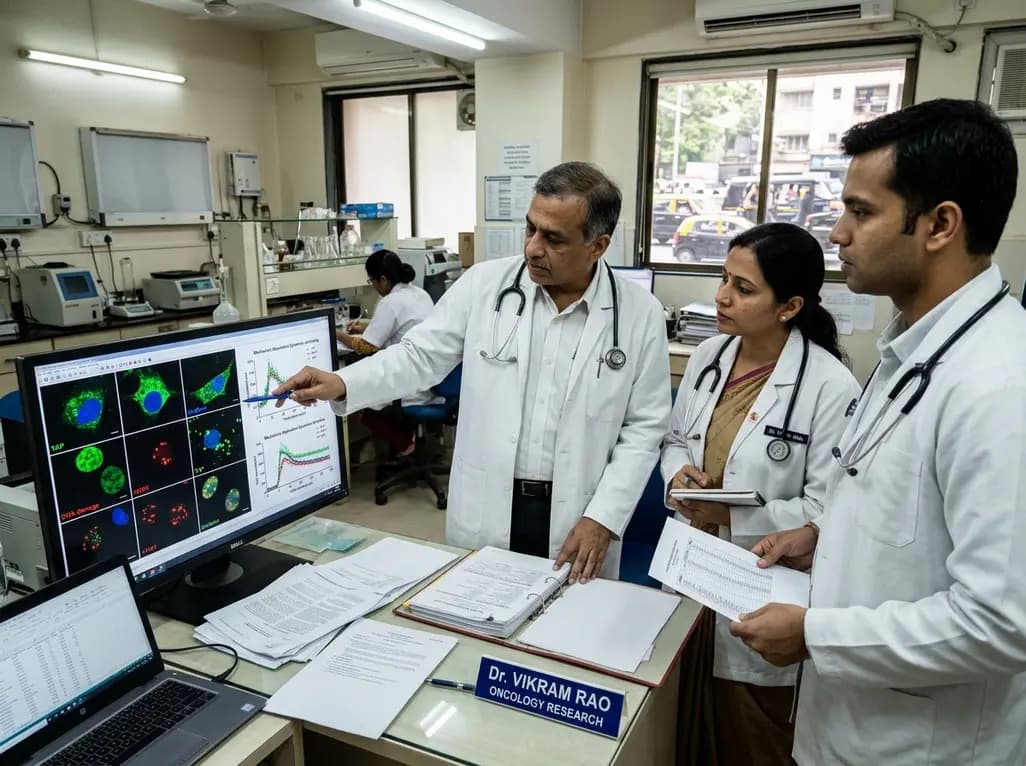
The cellular microenvironment constantly exerts physical forces that alter cell morphology and genome maintenance. Emerging oncology research highlights that the YAP DNA damage response represents a pivotal bridge between physical mechanobiology and genomic stability. Yes-associated protein, widely known as YAP, functions primarily as a transcriptional coactivator within the Hippo signaling pathway. In healthy tissues, YAP regulates organ size, cellular proliferation, and contact inhibition. However, malignant cells frequently hijack this pathway, leading to YAP overexpression and uncontrolled tumor expansion. Historically, researchers regarded YAP merely as a downstream gene regulator responsive to extracellular matrix stiffness. Recent experimental evidence reveals that nuclear mechanical stress directly impacts double-strand break repair cascades. When genotoxic stress induces double-strand breaks, the physical state of the cell nucleus shifts rapidly. Consequently, these structural deformations dictate how transcriptional machinery coordinates with repair complexes. Therefore, understanding this interplay offers profound insights into how neoplastic cells adapt to therapeutic injury. Furthermore, this discovery provides a broader framework for evaluating targeted therapies in aggressive tumors. As oncologists explore novel therapeutic paradigms, elucidating mechanosensitive signaling becomes increasingly paramount for overcoming genomic instability and treatment resistance.
Mechanical cues within the tumor microenvironment govern cellular behavior through distinct biophysical interactions. Specifically, changes in nuclear envelope curvature and mechanical tension modulate molecular transport across nuclear pore complexes. Under baseline physical tension, uninjured cells retain high levels of YAP within the karyosphere to drive proliferative gene transcription. However, the induction of double-strand breaks fundamentally disrupts this mechanical balance. In response to severe genomic damage, cells trigger rapid nuclear eviction of YAP into the cytoplasm. Experimental assays demonstrate that this spatial displacement depends strictly on the prevailing mechanical state of the nuclear envelope. Therefore, nuclear softening or altered cytoskeletal prestress directly modulates the velocity and magnitude of YAP export. Furthermore, this translocation does not represent an accidental consequence or passive breakdown of transport barriers. Instead, the cell actively coordinates this nucleocytoplasmic shuttling to reconfigure its survival priorities under stress. As a result, the extrusion of transcriptional regulators clears the nuclear space for urgent repair machinery. Consequently, mechanical signaling and chromatin surveillance operate as an integrated physiological network during acute genotoxic stress.
The eviction of YAP from the nucleus serves dual functional roles rather than a single inhibitory outcome. First, global clearance of YAP relieves transcriptional repression on critical repair networks, thereby accelerating checkpoint activation. When YAP vacates the nucleoplasm, ataxia telangiectasia mutated kinases and downstream transducers amplify checkpoint signaling without competitive interference. Consequently, the cell halts progression through the division cycle, preventing the catastrophic propagation of broken chromosomes. Second, a dedicated subpopulation of YAP molecules undergoes focal enrichment directly at damaged chromatin regions. At these discrete double-strand breaks, YAP cooperates with its cognate binding partner TEAD1 to recruit specialized repair proteins. Furthermore, biochemical analyses indicate that this local assembly facilitates the accumulation of homologous recombination and non-homologous end-joining factors. Thus, YAP acts as a dual-action molecular switch during genotoxic challenge. In addition, this spatial bifurcation illustrates how one regulatory protein can orchestrate divergent tasks simultaneously. Ultimately, the mechanical context determines whether YAP promotes repair protein docking or clears nucleoplasmic territory to facilitate sustained genomic surveillance.
These mechanobiological insights carry profound implications for modern clinical oncology and cancer biology. Many standard anticancer modalities, including ionizing radiation and platinum-based chemotherapies, eradicate cancer cells by generating lethal double-strand breaks. However, solid tumors often develop dense desmoplastic stroma and elevated matrix rigidity. Consequently, aberrant extracellular stiffness alters nuclear mechanical tension and prevents proper YAP shuttling during therapy. When cancer cells retain inappropriate levels of YAP in the nucleus, checkpoint cascades may fail to activate adequately. Furthermore, dysregulated repair recruitment can enable malignant clones to tolerate extensive DNA injury without triggering apoptosis. Therefore, tumor mechanopathology directly contributes to chemoradiation resistance and persistent disease recurrence. In addition, targeting nuclear mechanotransduction could restore sensitivity to established DNA-damaging protocols. For example, combining focal adhesion kinase inhibitors or Rho-associated kinase antagonists with cytotoxic chemotherapy may normalize nuclear tension. Thus, manipulating physical and biochemical signals concurrently represents a viable strategy to enhance therapeutic efficacy in refractory malignancies.
Integrating mechanical biology into translational medicine provides clinicians with novel diagnostic and prognostic perspectives. Pathologists and clinical oncologists currently evaluate tumor behavior primarily through histological grade and biochemical biomarkers. However, biophysical attributes of malignant tissue, such as nuclear deformability and tissue tension, also govern patient outcomes. Specifically, evaluating YAP spatial localization alongside classical DNA damage response markers can refine tumor characterization. In addition, emerging pharmacological inhibitors targeting the YAP-TEAD transcriptional complex are undergoing active clinical evaluation. Understanding how these investigational compounds alter the DNA damage response will optimize combination treatment designs. Furthermore, clinicians can stratify patients who are prone to radiation resistance based on mechanosignaling profiles. As personalized oncology advances, cross-disciplinary approaches linking biomechanics with molecular genetics will become increasingly essential. Consequently, diagnostic protocols that account for nuclear architecture will enhance treatment precision. Ultimately, deciphering the dynamic mechanics of genome protection opens promising avenues to overcome therapy resistance across diverse human cancers.
Nuclear mechanics directly modulates the nucleocytoplasmic transport of YAP during genotoxic stress. Under physiological tension, nuclear pores permit YAP retention to maintain baseline transcription. However, double-strand breaks induce significant mechanical changes across the nuclear envelope. Consequently, these structural alterations trigger the rapid eviction of YAP into the cytoplasm while facilitating site-specific accumulation at damaged chromatin. This mechanosensitive shuttling ensures appropriate prioritization of cellular resources between ongoing gene transcription and acute genome maintenance.
Global eviction of YAP from the nucleus relieves molecular crowding and suppresses competitive transcriptional programs. In doing so, it allows critical sensor kinases such as ATM and ATR to activate downstream DNA damage response cascades without interference. Furthermore, clearing global nucleoplasmic YAP facilitates the robust phosphorylation of checkpoint mediators, arresting the cell cycle. Consequently, this transient transcriptional pause prevents the dangerous replication of damaged DNA templates and optimizes the recruitment of specialized enzymatic repair machinery.
Dysregulated YAP signaling frequently promotes tumor survival and confers resistance to conventional chemoradiation. Because radiation and chemotherapy rely on inducing double-strand breaks, aberrant nuclear mechanics in stiff tumors may prevent proper YAP export. Consequently, malignant cells evade checkpoint arrest and repair lethal lesions inappropriately. Pharmacologically targeting YAP-TEAD complexes or softening tumor matrix mechanics could restore normal DNA damage responses. Therefore, combining biomechanical modifiers with DNA-damaging therapies represents an innovative avenue for overcoming therapy resistance in refractory cancers.
Disclaimer: This content is for informational and educational purposes only... Refer to the latest local and national guidelines for clinical practice.
References

Read summarized clinical updates, watch expert medical content, and earn CME certifications right from your smartphone.
Open your smartphone camera to scan and install.





Recent cellular findings demonstrate that Yes-associated protein (YAP) undergoes nuclear eviction and site-specific recruitment following double-strand breaks in a mechanics-dependent manner. This dual mechanism regulates the DNA damage response, revealing novel therapeutic horizons in clinical oncology.
Today
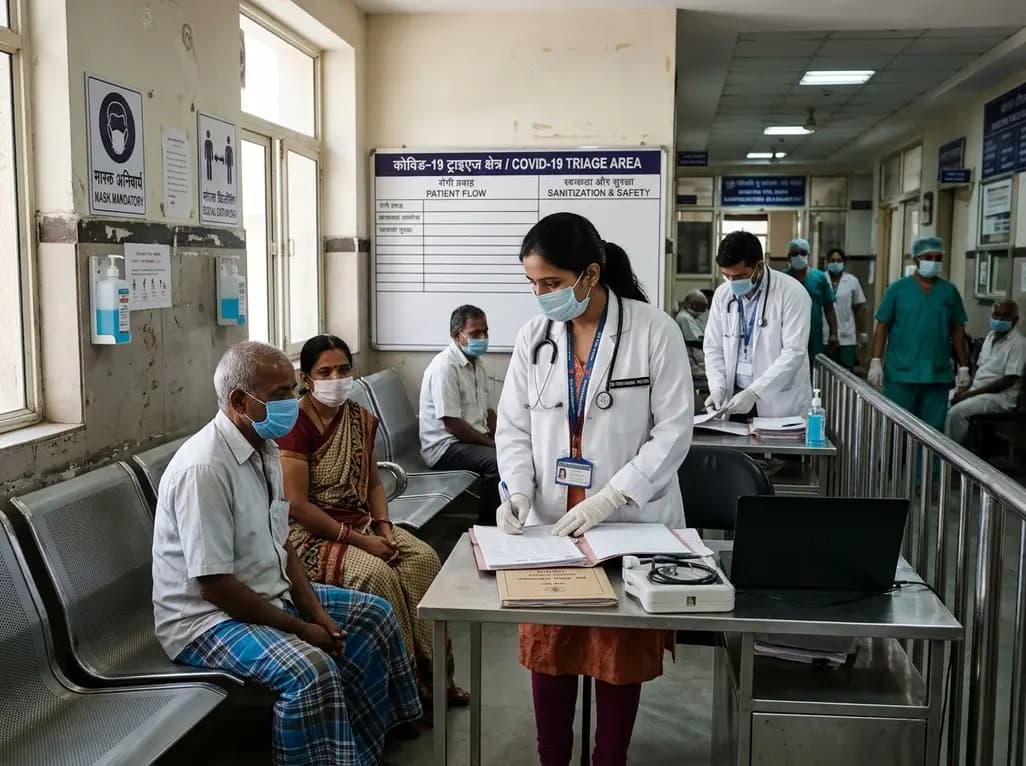
A systematic review evaluates historical interventions during Ebola, SARS, MERS, and H1N1 to identify critical gaps in patient safety during pandemics, emphasizing structured triage, infection prevention, and operational adaptability to prevent collateral patient harm.
Today

A 20-year population study reveals a 45% decline in non-ambulatory cerebral palsy, driven largely by significant reductions in term hypoxic-ischaemic encephalopathy cases. Explore the causal pathways, perinatal advances, and clinical implications for maternal-neonatal healthcare.
Today

The Supreme Court of India has directed FSSAI to enforce distinct red hexagonal warnings on packaged foods for high salt, sugar, and saturated fat. This landmark public health ruling empowers consumers and supports physicians combating diabetes, obesity, hypertension, and cardiovascular diseases across the nation.
Today
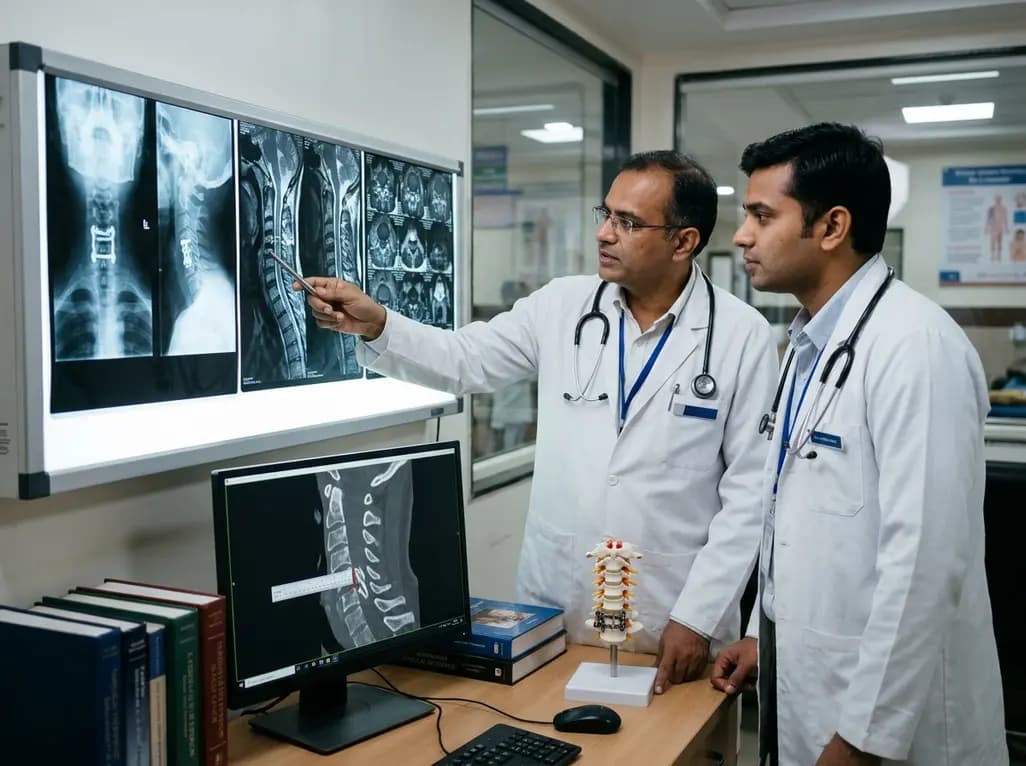
A retrospective study identifies C6 canal diameter and C3 cord-canal ratio as key predictors of secondary single-door laminoplasty after anterior cervical surgery, with progressive adjacent segment disease as the primary cause.
Today

As lifestyle diseases surge across India, clinicians face rising challenges from dietary misinformation and unmonitored therapies. Prioritising structured nutrition therapy, evidence-based self-care, and robust regulatory oversight offers a sustainable pathway to counter metabolic dysfunction and enhance patient health.
Today
