

Loading, please wait...
Loading, please wait...

Global epidemics severely disrupt hospitals and compromise standard clinical workflows. Consequently, safeguarding patient safety during pandemics represents one of the most formidable challenges facing modern healthcare systems. Emerging respiratory pathogens place tremendous strain on staffing, supply chains, and clinical infrastructure. Healthcare providers must continually balance acute infection containment with the delivery of safe routine care. Recent evidence synthesizes critical operational interventions from historical outbreaks, including Ebola, H1N1 influenza, SARS, and MERS. These findings illuminate how emergency reorganizations influence baseline clinical errors and highlight urgent vulnerabilities that clinical teams must rectify.
Systematic evaluations identify six critical healthcare domains vulnerable to disruption during infectious disease crises. These domains encompass medication safety, diagnostic accuracy, surgical quality, healthcare-associated infections, pressure injuries, and accidental falls. However, historical reviews reveal a striking dearth of interventions specifically designed to protect these fundamental safety pillars. Instead, most health systems prioritized outbreak containment and hospital transmission prevention over routine harm mitigation. Consequently, clinical teams inadvertently treated basic safety outcomes as secondary byproducts rather than primary goals. For example, severe isolation protocols frequently delayed diagnostic imaging and routine bedside assessments. Similarly, personal protective equipment shortages forced clinicians to alter standard surgical workflows and postoperative rounds. Hospitalized patients consequently experienced increased risks of medication delays, pressure ulcers, and unobserved falls. Therefore, healthcare leaders must recognize that biological emergencies threaten foundational clinical quality. Developing proactive protocols across all six domains ensures that emergency responses do not compromise standard bedside care.
When an epidemic surges, emergency departments encounter unprecedented patient influxes that rapidly overwhelm standard intake areas. Therefore, hospitals must rapidly establish structured triage algorithms to separate infected individuals from vulnerable non-infected populations. Historical analyses demonstrate that physical restructuring of clinical spaces serves as the cornerstone of operational resilience. Specifically, facilities that established designated fever clinics and exterior screening tents effectively prevented cross-contamination within crowded waiting halls. Furthermore, multidisciplinary triage teams utilized standardized scoring criteria to allocate scarce diagnostic tools and critical beds. These administrative adaptations preserved essential emergency pathways for acute conditions like myocardial infarction and severe trauma. In addition, hospitals redesigned airflow patterns and created negative-pressure corridors to protect healthcare workers. However, implementing these physical adaptations required continuous communication between administrative leaders and bedside clinicians. Without robust operational guidelines, modified triage systems risked creating bottlenecks that delayed emergency therapy. Thus, structured intake protocols must combine infection control with rapid risk stratification to prevent avoidable harm.
Diagnostic delays represent a significant yet frequently overlooked hazard during large-scale public health emergencies. During past outbreaks, fear of pathogen transmission frequently caused clinicians to postpone non-urgent diagnostic procedures and invasive investigations. Consequently, patients with evolving neoplasms, vascular emergencies, and acute abdominal pathology experienced delayed diagnoses and worsened outcomes. To mitigate these risks, progressive medical centers established dedicated diagnostic pathways for non-outbreak conditions. For instance, institutions created designated operating suites and imaging scanners exclusively reserved for low-risk elective and urgent surgical cases. Additionally, clinicians utilized risk-stratification checklists to safely schedule time-sensitive oncologic interventions. These streamlined operational pathways enabled surgical teams to deliver timely interventions while strictly preserving infection control standards. Moreover, remote telemedicine consultations emerged as vital tools for monitoring chronic illnesses, reducing physical hospital visits while maintaining diagnostic vigilance. Nevertheless, healthcare networks must formally integrate diagnostic safety metrics into crisis preparedness plans. Without objective tracking, delayed diagnoses remain an insidious driver of pandemic-associated patient morbidity.
Bedside nursing and pharmacological management undergo extreme stress during prolonged epidemic surges. Because nurse-to-patient ratios often deteriorate rapidly, standard harm-prevention bundles suffer substantial compliance lapses. For example, clinicians often minimize bedside contact to conserve personal protective equipment, which inadvertently reduces frequent repositioning for immobilized patients. Consequently, rates of hospital-acquired pressure injuries and severe skin breakdown often rise during respiratory disease surges. Furthermore, modified drug delivery systems and unfamiliar crisis regimens can substantially increase medication administration errors. In busy intensive care units, high clinician cognitive fatigue exacerbates prescription omissions, dosing errors, and delayed drug administrations. Similarly, isolated elderly patients face elevated fall risks when bedside assistance becomes delayed or unavailable. To counter these secondary harms, hospitals must implement pragmatic, high-efficiency bedside checklists. Additionally, deploying dedicated pharmacy specialists directly into emergency wards provides vital safeguards against drug interactions. Clinical managers must actively track these secondary safety metrics rather than focusing exclusively on viral transmission.
The systematic synthesis of prior pandemics demonstrates that health systems consistently fail to institutionalize vital safety lessons. After an outbreak subsides, healthcare facilities frequently dismantle temporary safety structures instead of integrating them into permanent crisis guidelines. Therefore, healthcare systems must deliberately build high-reliability learning networks that anticipate operational friction before crises occur. Hospitals should establish formal safety oversight committees that monitor routine clinical harm during emergency activations. Furthermore, clinical educators must train interdisciplinary teams through crisis simulations that emphasize medication safety, fall reduction, and rapid triage under PPE constraints. In countries like India, where high patient volumes regularly strain regional healthcare infrastructure, standardized crisis protocols are vital. These frameworks empower clinicians to deliver equitable, safe care even when resources reach critical thresholds. Additionally, national health registries should systematically document adverse safety events during outbreaks to guide policy revisions. Ultimately, genuine outbreak preparedness requires investing in continuous learning systems that protect patient safety alongside rigorous infection control.
During past outbreaks like SARS and Ebola, healthcare systems naturally prioritized containment and transmission control above all else. Consequently, administrative leaders focused resources on personal protective equipment, isolation units, and basic survival. Standard patient safety domains, such as medication verification and pressure ulcer prevention, were treated as collateral concerns. Modern reviews emphasize that future crisis responses must actively incorporate comprehensive patient safety frameworks from the very beginning.
Rapid triage algorithms and physical restructuring separate infectious individuals from non-infected patients immediately upon arrival. By establishing external evaluation tents and dedicated negative-pressure zones, facilities prevent dangerous cross-contamination within indoor waiting areas. Furthermore, these designated pathways preserve protected clinical corridors for acute, non-infectious conditions such as strokes and heart attacks. As a result, hospitals maintain diagnostic accuracy and timely treatment while effectively shielding vulnerable patient populations from hospital-acquired infections.
Hospital administrators should embed dedicated clinical pharmacists and diagnostic safety officers directly within emergency response planning teams. Additionally, institutions must design standardized crisis order sets, electronic clinical decision support tools, and protected diagnostic imaging pathways before surges occur. Regular interdisciplinary simulation training under protective gear constraints also reduces cognitive fatigue among frontline staff. Ultimately, establishing high-reliability learning systems ensures that safety bundles remain fully functional during public health emergencies.
Disclaimer: This content is for informational and educational purposes only. It is not intended to provide medical advice, diagnosis, or treatment, and should not replace professional medical judgment. Healthcare professionals must evaluate every patient individually. Refer to the latest local and national guidelines for clinical practice.
References

Read summarized clinical updates, watch expert medical content, and earn CME certifications right from your smartphone.
Open your smartphone camera to scan and install.





A systematic review evaluates historical interventions during Ebola, SARS, MERS, and H1N1 to identify critical gaps in patient safety during pandemics, emphasizing structured triage, infection prevention, and operational adaptability to prevent collateral patient harm.
Today
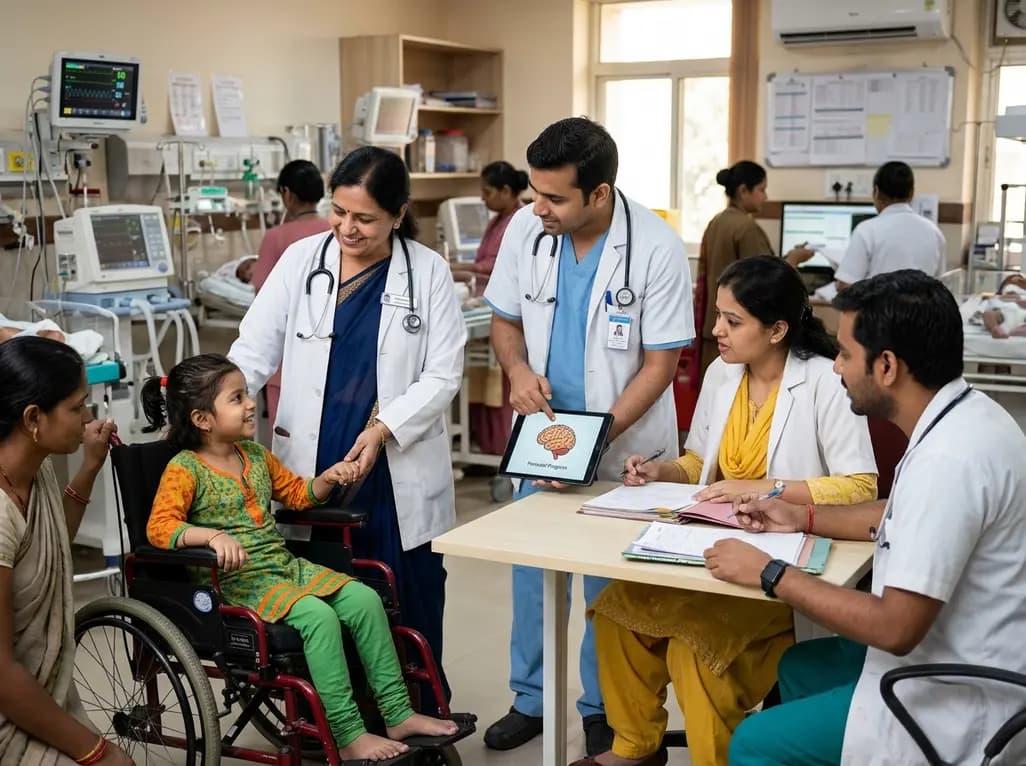
A 20-year population study reveals a 45% decline in non-ambulatory cerebral palsy, driven largely by significant reductions in term hypoxic-ischaemic encephalopathy cases. Explore the causal pathways, perinatal advances, and clinical implications for maternal-neonatal healthcare.
Today
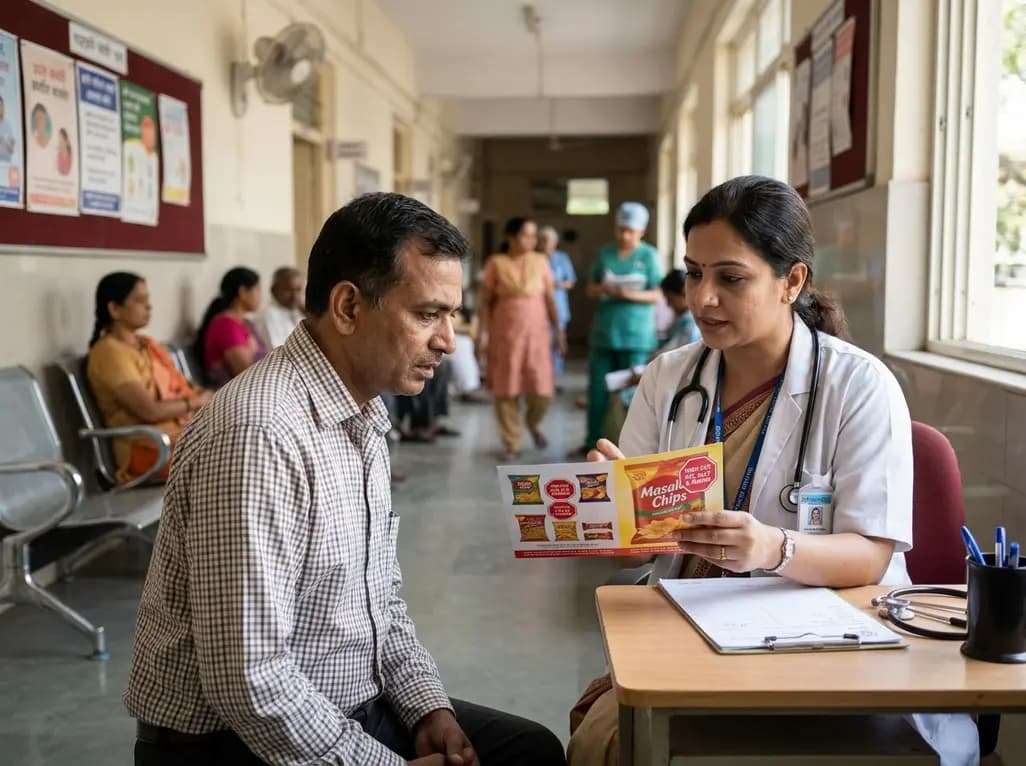
The Supreme Court of India has directed FSSAI to enforce distinct red hexagonal warnings on packaged foods for high salt, sugar, and saturated fat. This landmark public health ruling empowers consumers and supports physicians combating diabetes, obesity, hypertension, and cardiovascular diseases across the nation.
Today
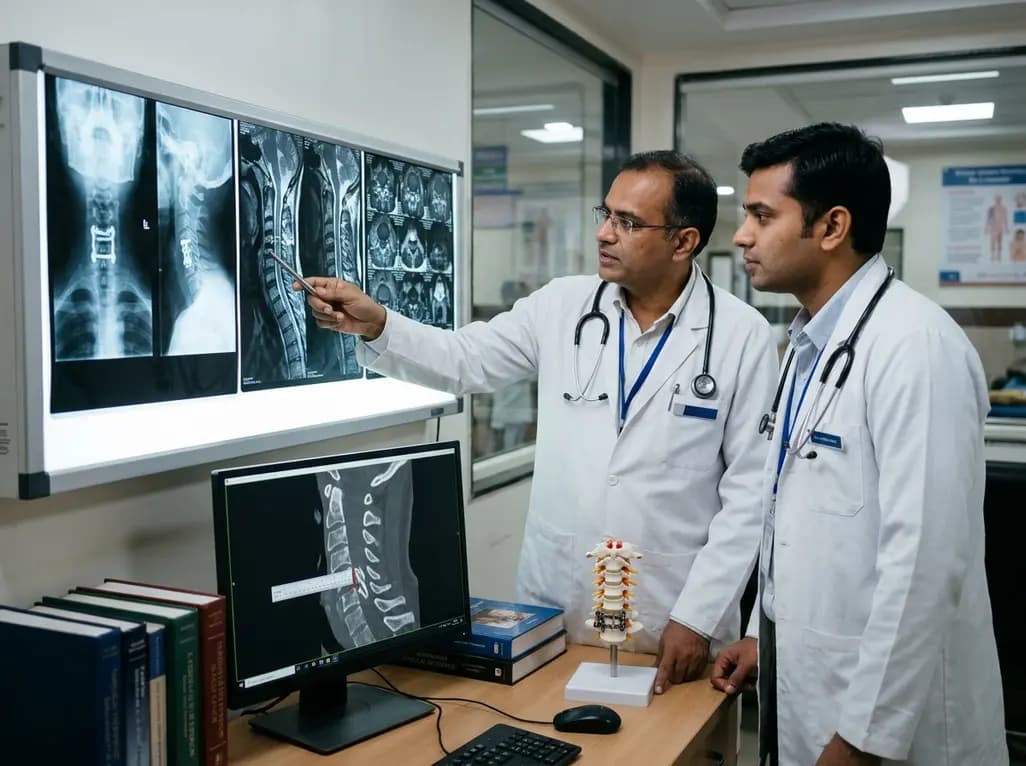
A retrospective study identifies C6 canal diameter and C3 cord-canal ratio as key predictors of secondary single-door laminoplasty after anterior cervical surgery, with progressive adjacent segment disease as the primary cause.
Today

As lifestyle diseases surge across India, clinicians face rising challenges from dietary misinformation and unmonitored therapies. Prioritising structured nutrition therapy, evidence-based self-care, and robust regulatory oversight offers a sustainable pathway to counter metabolic dysfunction and enhance patient health.
Today
