

Loading, please wait...
Loading, please wait...

Cerebral palsy represents a heterogeneous group of permanent neurodevelopmental disorders that cause limitation of activity. Clinicians categorize physical impairment using the Gross Motor Function Classification System. Children classified at levels IV and V experience non-ambulatory cerebral palsy, requiring extensive assistive technology or wheeled mobility throughout their lives. Consequently, these individuals encounter substantial medical complexity, higher rates of secondary multimorbidity, and elevated caregiving needs. Investigating population trends provides indispensable insight into the efficacy of modern obstetrics and neonatology. A landmark observational study from the Victorian Cerebral Palsy Register evaluated trends across two birth decades from 2000 to 2019. The investigators analyzed data from 2,303 children to decipher patterns in motor impairment severity. Importantly, the analysis demonstrated a remarkable 45% overall reduction in the frequency of non-ambulatory motor impairments over this twenty-year span. Furthermore, the total incidence frequency decreased by 14% across consecutive decades. These shifts highlight substantial progress in perinatal neuroprotection, while also underscoring persistent etiological challenges.
The Victorian Cerebral Palsy Register offers exceptional epidemiological fidelity due to its comprehensive, longitudinal ascertainment. Researchers employed Joinpoint regression modelling to accurately evaluate temporal trends in motor severity and identify etiological pathways. Among registered children, non-ambulatory presentations represented the most clinically vulnerable cohort. However, the data revealed a steady and sustained decline in these severe forms. Developmental anomalies accounted for 38% of non-ambulatory presentations, forming the largest single diagnostic subgroup. Preterm insults followed closely, contributing to 21% of cases in this functional tier. Furthermore, term and late-preterm hypoxic-ischaemic encephalopathy comprised 19% of affected non-ambulatory children. When comparing birth cohorts, the absolute burden of hypoxic-ischaemic injuries fell drastically. The proportion of non-ambulatory cases secondary to hypoxic-ischaemic encephalopathy dropped from 57% in the earlier cohort to 36% in the recent era. Statistical analysis confirmed this reduction was highly significant. Therefore, registry data confirm that modern perinatal management directly mitigates severe motor disability in high-risk newborns.
Understanding causal pathways remains crucial for designing targeted preventive therapies in maternal and child health. While clinicians traditionally attributed non-ambulatory cerebral palsy primarily to birth asphyxia, modern diagnostics reveal a multifaceted etiology. Developmental pathways, encompassing genetic mutations, cerebral dysgenesis, and early embryological disruptions, now represent the leading cause. Consequently, these developmental etiologies rarely respond to intrapartum rescue interventions, requiring genomic evaluation and targeted neurodevelopmental surveillance instead. Meanwhile, preterm brain injuries, particularly severe intraventricular hemorrhage and periventricular leukomalacia, continue to represent significant contributors. Nevertheless, improved respiratory support and antenatal neuroprotection have attenuated injury severity among surviving preterm infants. The most notable therapeutic victory involves the hypoxic-ischaemic encephalopathy subgroup. The dramatic decline in hypoxic-related severe motor deficits reflects the successful transformation of neonatal resuscitation and intensive care protocols. By parsing distinct causal mechanisms, multidisciplinary teams can tailor prenatal screening, delivery timing, and neonatal neurocritical management more effectively.
The notable decline in severe hypoxic-ischaemic motor deficits coincides with major structural advances in perinatal medicine. Specifically, the widespread clinical adoption of therapeutic hypothermia revolutionized outcomes for term and late-preterm infants with hypoxic-ischaemic encephalopathy. Robust multicenter clinical trials confirmed that systemic cooling within six hours of birth significantly lowers mortality and severe neurological handicap. In addition, obstetric units implemented rigorous intrapartum fetal heart rate monitoring protocols, standardized cardiotocography education, and rapid emergency operative delivery pathways. Obstetricians also expanded the routine administration of antenatal magnesium sulphate for imminent preterm delivery, ensuring robust fetal neuroprotection. Similarly, the systematic use of antenatal corticosteroids drastically decreased systemic complications and intracranial pathology in premature infants. Moreover, specialized neonatal retrieval teams and standardized resuscitation guidelines minimized secondary hemodynamic collapse in distressed neonates. Therefore, coordinated perinatal frameworks have successfully averted profound intrapartum brain injuries and reshaped long-term motor prognoses.
The evolving epidemiology of non-ambulatory cerebral palsy directly influences routine clinical practice and long-term service planning. Because developmental and genetic pathways now dominate the etiological spectrum, clinicians must prioritize early genetic testing, including chromosomal microarray and whole-exome sequencing, in unexplained cerebral palsy cases. Identifying underlying monogenic mutations aids in clarifying recurrence risks for families and avoids unnecessary diagnostic delays. Furthermore, while the absolute prevalence of severe motor impairment is decreasing, children with levels IV and V require comprehensive multidisciplinary management. Pediatricians must proactively screen for associated comorbidities, including severe hip displacement, progressive neuromuscular scoliosis, dysphagia, and chronic respiratory illness. Standardized hip surveillance guidelines and proactive enteral nutritional support preserve bone health and prevent debilitating chronic pain. In addition, physiatrists and pediatric neurologists must optimize seating systems and adaptive technologies early. Multidisciplinary coordination ensures these fragile patients achieve optimal comfort, dignity, and family-centered participation.
The remarkable decline observed in Australian registry data provides an inspiring roadmap for healthcare systems globally. However, translating these notable successes to low- and middle-income regions requires strategic prioritization of essential perinatal interventions. In many resource-constrained regions, perinatal asphyxia and untreated neonatal sepsis remain prevalent drivers of severe neurological impairment. Consequently, healthcare authorities must strengthen basic intrapartum monitoring, clean delivery practices, and effective neonatal resuscitation training, such as Helping Babies Breathe initiatives. Furthermore, clinicians must ensure safe, monitored application of therapeutic hypothermia, as unmonitored cooling in low-resource environments can introduce significant clinical harm. Simultaneously, expanding pediatric neurodevelopmental surveillance programs facilitates early identification and timely referral for physical rehabilitation. Investing in maternal health, accessible obstetrical surgical care, and trained midwifery staff addresses the fundamental roots of intrapartum brain injury. Ultimately, adopting systemic quality improvement initiatives will reduce preventable motor disability worldwide.
Non-ambulatory cerebral palsy corresponds to Gross Motor Function Classification System levels IV and V. Children at level IV achieve mobility using powered wheelchairs or body support walkers with substantial assistance. Meanwhile, children at level V experience severe limitations in head, trunk, and limb control, requiring complete manual transport in specialized wheelchairs alongside continuous postural support across all daily physical environments.
The dramatic drop in hypoxic-ischaemic encephalopathy frequency stems directly from coordinated obstetric and neonatal breakthroughs. Standardized intrapartum fetal surveillance and prompt emergency interventions significantly reduced severe birth asphyxia. Furthermore, the universal implementation of therapeutic hypothermia protocols within six hours of birth provided potent neuroprotection, actively halting progressive neuronal apoptosis and mitigating severe lifelong neurodisabilities in affected term newborns.
Developmental causal pathways originate during early embryonic or fetal neurogenesis, involving structural cerebral malformations, chromosomal abnormalities, or single-gene mutations. In contrast, hypoxic insults arise from acute or subacute oxygen and perfusion deprivation during labor, delivery, or the immediate neonatal period. Consequently, developmental pathways require genetic sequencing for diagnosis, whereas hypoxic injuries demand immediate resuscitation, neuroprotection, and targeted neuroimaging evaluation.
Disclaimer: This content is for informational and educational purposes only. It is not intended to be a substitute for professional medical advice, diagnosis, or treatment. Always seek the advice of your physician or other qualified health provider with any questions you may have regarding a medical condition. Refer to the latest local and national guidelines for clinical practice.
References

Read summarized clinical updates, watch expert medical content, and earn CME certifications right from your smartphone.
Open your smartphone camera to scan and install.





A 20-year population study reveals a 45% decline in non-ambulatory cerebral palsy, driven largely by significant reductions in term hypoxic-ischaemic encephalopathy cases. Explore the causal pathways, perinatal advances, and clinical implications for maternal-neonatal healthcare.
Today
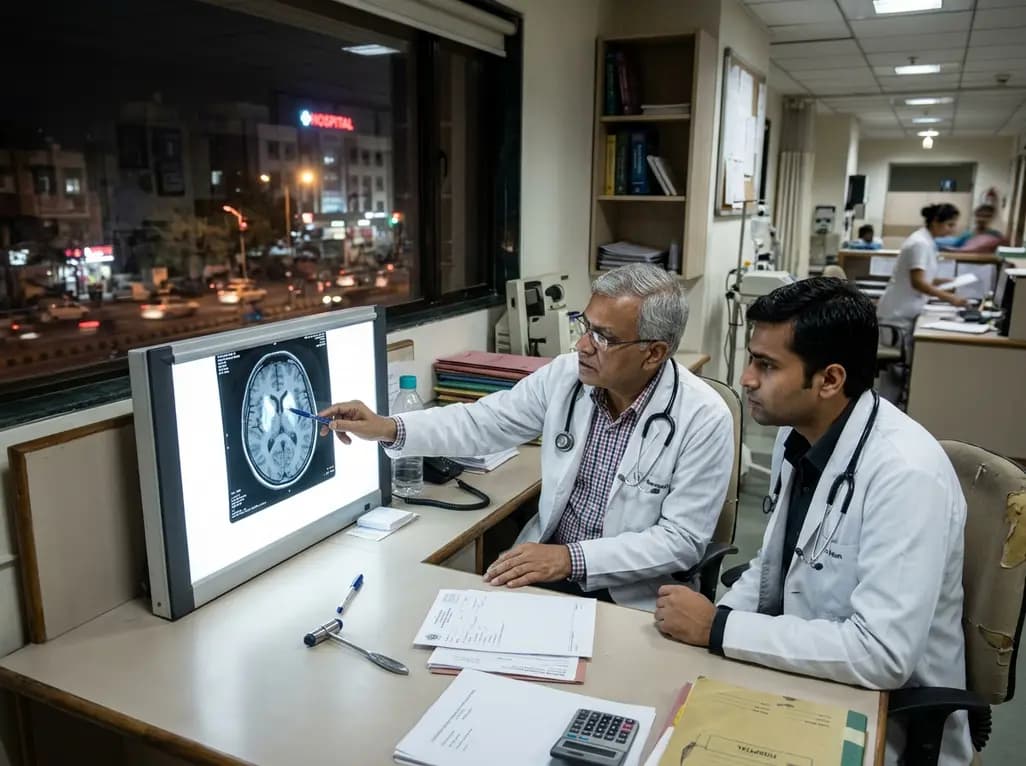
Explore how rapid correction of severe hyperglycemia can provoke diabetic striatopathy presenting as hemichorea-hemiballismus, alongside key imaging and clinical pearls.
Today

Researchers have engineered a gecko-inspired microfibrillar patch featuring embedded flexible conductors and a compliant terminating film. Under minimal preload, it provides robust, reusable skin adhesion without the epidermal trauma, pain, or dermatitis caused by traditional medical adhesives.
Today
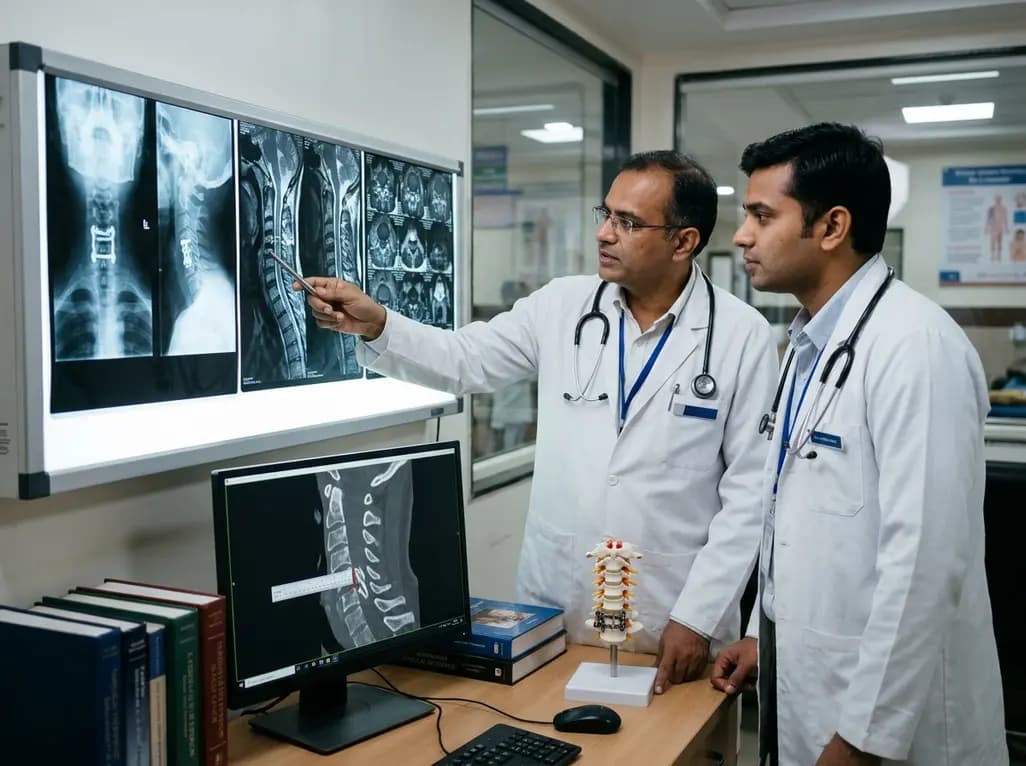
A retrospective study identifies C6 canal diameter and C3 cord-canal ratio as key predictors of secondary single-door laminoplasty after anterior cervical surgery, with progressive adjacent segment disease as the primary cause.
Today

A critical appraisal using AMSTAR 2 reveals that meta-analyses on exercise interventions for gestational diabetes have critically low methodological quality, urging cautious clinical interpretation.
Today
