

Loading, please wait...
Loading, please wait...

India is witnessing a significant epidemiologic shift characterised by escalating non-communicable diseases and nutritional discrepancies. Consequently, clinicians must navigate an environment where patients demand quick fixes rather than lasting lifestyle adaptations. Adopting structured nutrition therapy provides an essential clinical framework to counter unverified wellness trends. Today, patients frequently ingest excessive calories yet remain significantly undernourished in vital micronutrients. This nutritional paradox fuels obesity, type 2 diabetes, and cardiovascular complications across diverse demographics. Therefore, healthcare practitioners must guide patients away from commercial shortcuts and towards sustainable, evidence-based medical interventions. Medical gatherings, such as the ETHealthworld NutriWell Conclave, highlight the urgent necessity of elevating science above popular market claims. By integrating disciplined nutritional counseling into routine practice, doctors can effectively address root metabolic dysfunctions and improve long-term outcomes.
Modern lifestyle shifts across urban and rural India have generated unprecedented metabolic challenges. While awareness regarding general health is expanding, misinformation surrounding rapid weight reduction remains rampant. Consequently, structured nutrition therapy serves as a critical therapeutic foundation for non-communicable disease management. Patients frequently experiment with arbitrary fasts, restrictive diets, or unverified supplements without medical supervision. Unfortunately, these unsupervised approaches frequently trigger muscle loss, nutritional deficiencies, and rebound metabolic derangements. In contrast, structured nutritional interventions assess individual metabolic rates, systemic comorbidities, and microvascular risks.
Furthermore, clinical nutritionists and physicians must collaborate closely to formulate personalised nutrition regimens. Prescribing tailored macronutrient distributions helps preserve lean muscle mass during caloric deficits. Additionally, structured protocols assist in stabilising postprandial glycemic excursions and reducing systemic inflammatory markers. Clinicians must actively educate patients on the distinction between transient weight loss and genuine metabolic health. When medical teams prioritize structured nutritional methods, patients achieve better cardiovascular markers and sustainable weight control. Ultimately, clinical nutrition must transition from an optional supportive measure to a frontline prescription in chronic disease management.
The pharmaceutical landscape for metabolic management has evolved rapidly with the introduction of glucagon-like peptide-1 receptor agonists. These agents demonstrate remarkable efficacy in glycemic control and significant weight reduction. However, their surging popularity has also ignited concerns regarding widespread, unmonitored off-label use. Many individuals view these medications as miraculous replacements for balanced nutrition and physical exercise. Consequently, physicians must emphasize that pharmacological therapies cannot substitute foundational nutritional disciplines.
Moreover, rapid pharmacologically induced weight loss without adequate dietary protein can lead to significant sarcopenia. Loss of skeletal muscle tissue reduces basal metabolic rate, which compromises long-term weight maintenance after treatment cessation. In addition, gastrointestinal adverse effects such as nausea, delayed gastric emptying, and constipation require careful dietary moderation. Therefore, clinicians initiating incretin mimetics must incorporate concomitant medical nutrition therapy. Ensuring adequate fluid intake, micronutrient repletion, and high-quality protein distribution mitigates adverse events and preserves functional capacity. When doctors manage these potent medications within a structured therapeutic protocol, they protect patient safety and promote enduring cardiometabolic benefits.
Alongside medical pharmacotherapy, India has experienced an exponential boom in the commercial nutraceutical and dietary supplement sector. Over-the-counter vitamins, protein powders, and herbal formulations are aggressively marketed directly to vulnerable consumers. Nevertheless, regulatory oversight often struggles to match the speed of commercial product launches. Inappropriate labeling, unsubstantiated health claims, and hidden adulterants pose serious risks to patient safety. Patients frequently consume multiple overlapping supplements without consulting their treating physicians, risking hepatic toxicity and adverse renal interactions.
Consequently, regulatory bodies such as the Food Safety and Standards Authority of India are refining surveillance frameworks. Clinicians must actively participate in this ecosystem by querying patients about their over-the-counter supplement intake. Educating individuals on discerning verified certifications from marketing hyperbole is paramount for responsible self-care. Furthermore, medical councils emphasize that dietary supplements should address documented clinical deficiencies rather than serve as broad preventive substitutes. By advocating for rigorous quality standards and evidence-based indications, healthcare professionals protect patients from deceptive practices. Strengthening clinical vigilance ensures that nutraceuticals complement medical therapy safely and effectively.
Emerging medical literature increasingly illuminates the complex biochemical communication pathways between the gastrointestinal tract and the central nervous system. The gut microbiota synthesizes essential neurotransmitters, short-chain fatty acids, and inflammatory mediators that directly influence metabolic homeostasis and psychological well-being. Consequently, consumer interest in prebiotics, probiotics, and gut-directed therapies has increased dramatically. However, aggressive wellness commercialisation frequently outpaces robust clinical trial evidence, generating exaggerated claims regarding mental and metabolic rejuvenation.
Therefore, medical professionals must critically evaluate commercial microbiome products before recommending them in routine clinical care. Although diverse dietary fiber and fermented foods support microbial diversity, generic commercial probiotics cannot treat severe depressive or metabolic disorders in isolation. Clinicians should guide patients toward dietary diversification, including ample indigenous vegetables, legumes, and whole grains, in line with national dietary guidelines. These whole-food approaches naturally nourish beneficial commensal flora without the economic burden of questionable supplements. Thus, bridging scientific rigor with patient curiosity ensures that emerging microbiome concepts translate into safe, meaningful dietary practices.
Technological advancement is swiftly reshaping how clinical teams analyse and deliver nutritional recommendations. Artificial intelligence platforms, computational biology, and continuous glucose monitoring provide granular insights into individual metabolic variability. These tools demonstrate clearly that uniform, generalised dietary advice frequently fails diverse patient populations. However, technology must always augment rather than supersede clinical judgment. Clinicians must interpret algorithmic data within each patient's unique socioeconomic and cultural context.
In addition, public health initiatives must reconcile high-tech personalised nutrition with broad accessibility. Bridging the gap between cutting-edge computational nutrition and grass-roots public health guidelines remains an urgent priority for Indian healthcare leaders. When physicians utilize technological tools judiciously, they foster greater patient engagement, self-monitoring adherence, and therapeutic compliance. Ultimately, navigating India's changing nutrition story requires a synthesis of modern technology, regulatory rigor, and an unwavering commitment to clinical evidence over commercial shortcuts.
Q1: Why is structured nutrition therapy superior to commercial fad diets for weight management?
Structured nutrition therapy relies on clinical assessments to evaluate metabolic rate, systemic comorbidities, and micronutrient status. Unlike generic commercial diets that frequently cause micronutrient deficiencies and lean muscle loss, structured regimens prioritize individualized macronutrient distribution. Consequently, this medical approach preserves muscle mass, stabilizes postprandial glucose levels, and ensures long-term cardiometabolic sustainability under qualified healthcare supervision.
Q2: What nutritional precautions are necessary when prescribing GLP-1 receptor agonists?
Patients taking GLP-1 receptor agonists require comprehensive dietary counseling to prevent severe muscle wasting and malnutrition. Because these medications substantially suppress appetite and slow gastric emptying, clinicians must emphasize adequate high-quality protein consumption and hydration. Furthermore, consuming smaller, nutrient-dense meals helps manage common gastrointestinal symptoms like nausea and ensures sustained metabolic health throughout the pharmacological intervention.
Q3: How should clinicians guide patients regarding over-the-counter dietary supplements?
Clinicians should advise patients to view over-the-counter supplements with caution, demanding third-party verification and regulatory compliance. Dietary supplements should correct documented clinical deficiencies rather than replace wholesome dietary choices. Inquiring about non-prescription products during clinical evaluations prevents adverse drug-nutrient interactions, protects renal and hepatic function, and reinforces responsible, evidence-based self-care practices.
Disclaimer: This content is for informational and educational purposes only. It does not constitute medical advice or replace professional judgment. Refer to the latest local and national guidelines for clinical practice.
References

Read summarized clinical updates, watch expert medical content, and earn CME certifications right from your smartphone.
Open your smartphone camera to scan and install.





As lifestyle diseases surge across India, clinicians face rising challenges from dietary misinformation and unmonitored therapies. Prioritising structured nutrition therapy, evidence-based self-care, and robust regulatory oversight offers a sustainable pathway to counter metabolic dysfunction and enhance patient health.
Today

A 20-year population study reveals a 45% decline in non-ambulatory cerebral palsy, driven largely by significant reductions in term hypoxic-ischaemic encephalopathy cases. Explore the causal pathways, perinatal advances, and clinical implications for maternal-neonatal healthcare.
Today

The Supreme Court of India has directed FSSAI to enforce distinct red hexagonal warnings on packaged foods for high salt, sugar, and saturated fat. This landmark public health ruling empowers consumers and supports physicians combating diabetes, obesity, hypertension, and cardiovascular diseases across the nation.
Today
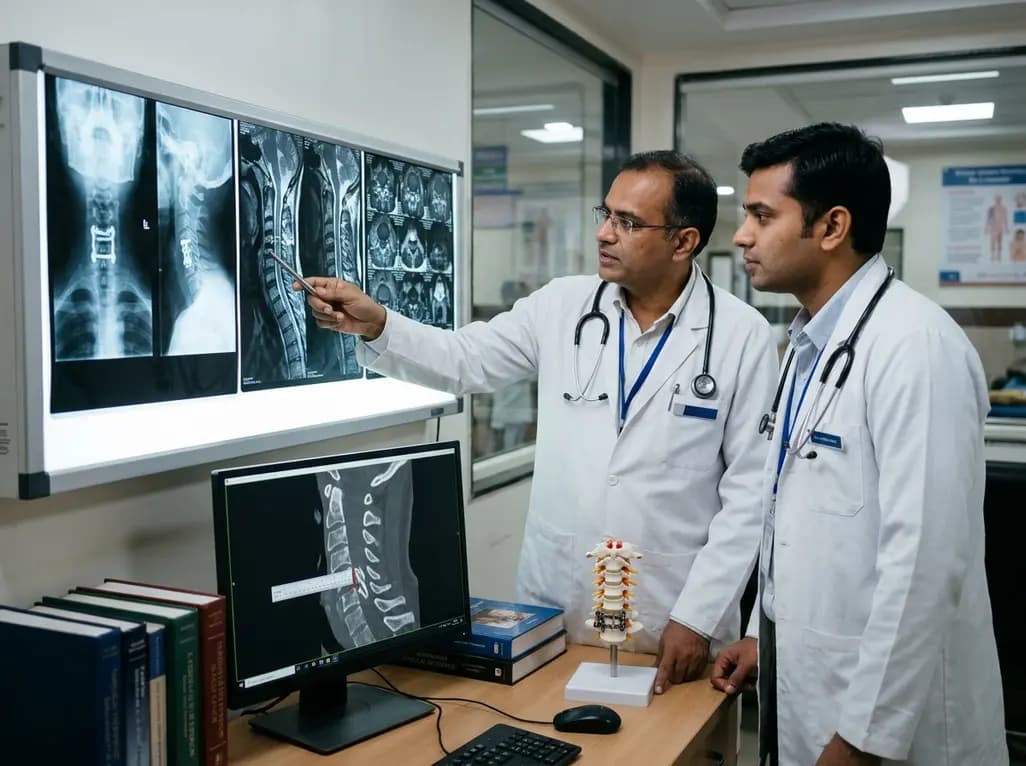
A retrospective study identifies C6 canal diameter and C3 cord-canal ratio as key predictors of secondary single-door laminoplasty after anterior cervical surgery, with progressive adjacent segment disease as the primary cause.
Today
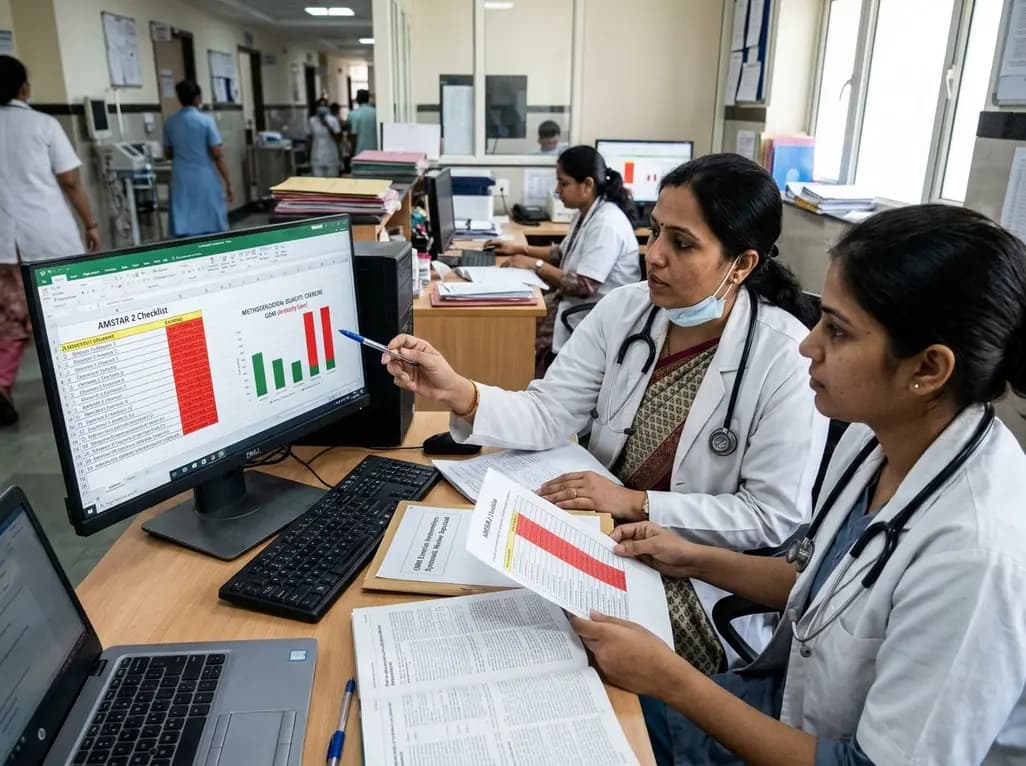
A critical appraisal using AMSTAR 2 reveals that meta-analyses on exercise interventions for gestational diabetes have critically low methodological quality, urging cautious clinical interpretation.
Today
