.webp&w=384&q=75)

Loading, please wait...
Loading, please wait...
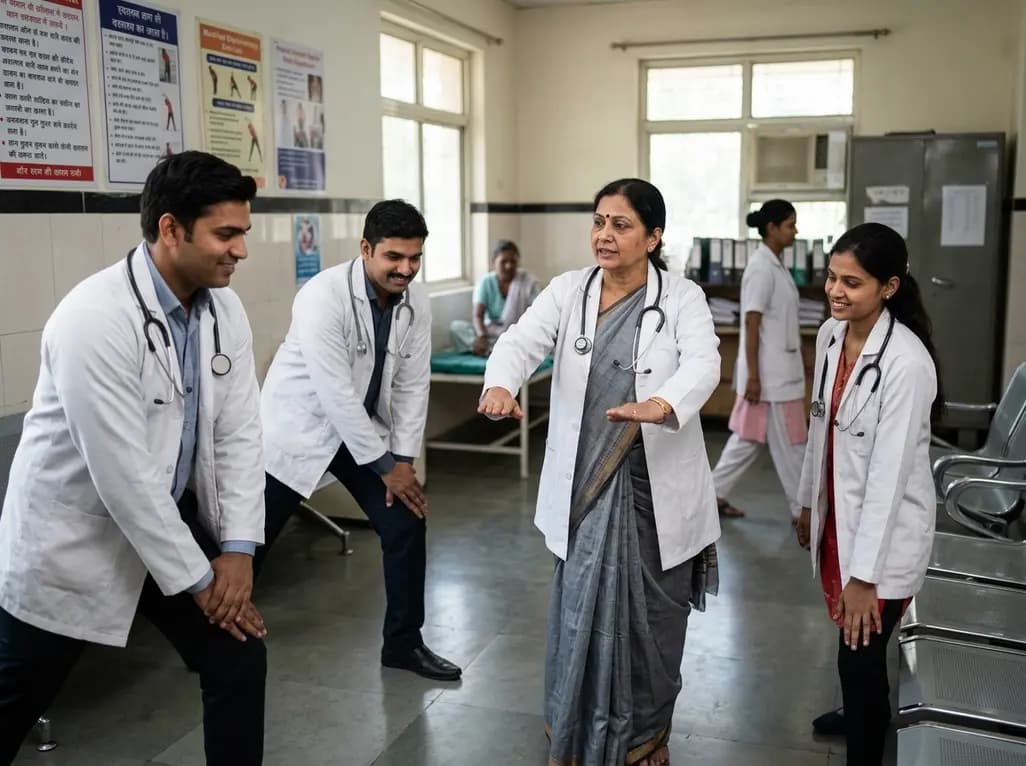
Work-related musculoskeletal disorders represent a major cause of chronic pain, functional impairment, and lost productivity across manual trades. In physically demanding professions, laborers frequently perform repetitive upper-limb tasks, sustain awkward static postures, and handle heavy mechanical loads daily. Artisanal food craftsmen, such as traditional pastry workers, endure substantial physical strain during prolonged standing shifts. Consequently, these craftsmen often develop severe discomfort across multiple anatomical regions, including the spine, neck, shoulders, and wrists. Standard occupational safety strategies predominantly emphasize workplace ergonomics education to mitigate such physical strain. Ergonomic training teaches workers about posture correction, biomechanical efficiency, and workstation modification. However, didactic instruction alone frequently fails to build physiological capacity against repetitive strain. To address this persistent gap, occupational medicine increasingly examines whether an active workplace exercise program can augment standard ergonomics. Clinicians in general practice, orthopedics, and family medicine regularly manage patients suffering from this cumulative strain. Furthermore, unresolved physical discomfort often disrupts restorative sleep and intensifies psychological burnout. Therefore, evaluating structured physical exercise directly within authentic work environments is essential for advancing preventive occupational healthcare.
A recent randomized controlled trial investigated whether adding physical exercise to ergonomics training enhances musculoskeletal, sleep, and psychological outcomes. The exploratory trial enrolled sixty male artisanal pastry masters operating across forty-seven commercial shops in Istanbul. Researchers randomly allocated participants into two distinct study arms over a twelve-week intervention period. The control cohort received comprehensive workplace ergonomics education focusing on optimal lifting mechanics, joint alignment, and task rotation. In contrast, the experimental cohort received identical ergonomics education combined with a structured workplace exercise program. Notably, this exercise regimen was entirely equipment-free, allowing seamless execution directly within compact kitchen environments. Qualified physical therapists supervised the sessions to ensure correct movement technique and consistent participant engagement. The primary trial endpoint was the total number of symptomatic anatomical regions, measured via the validated Nordic Musculoskeletal Questionnaire. Additionally, investigators evaluated functional upper-extremity disability, subjective sleep quality, and professional burnout dimensions. By executing the intervention within real-world commercial workplaces, the investigators minimized logistical barriers and maximized treatment adherence. Thus, this pragmatic study design provides highly relevant data for clinicians advising active manual laborers.
The trial demonstrated significant physical advantages for participants who engaged in the combined intervention protocol. Specifically, pastry workers who completed the exercise program experienced a pronounced reduction in symptomatic anatomical regions. Baseline evaluations revealed an average of 4.73 symptomatic body regions among these manual craftsmen. Following twelve weeks of supervised exercise, this symptom count dropped significantly to 3.17 affected regions. In contrast, workers who received ergonomics education alone showed virtually no change in their overall symptom distribution. Statistical analysis demonstrated a significant baseline-adjusted difference of -1.41 body regions favoring the exercise cohort. Furthermore, secondary evaluations using the QuickDASH questionnaire revealed substantial improvements in upper-extremity physical function. Artisanal pastry preparation requires intensive manual kneading, rolling, and lifting, which places immense strain on the arms. Fortunately, targeted calisthenics, active stretching, and bodyweight conditioning strengthened stabilizing muscles throughout the shoulder girdle and forearm. Therefore, physical exercise addressed the functional muscular imbalances that passive ergonomic education could not correct. Consequently, these results reinforce that active muscular conditioning provides superior musculoskeletal protection compared to passive informational lectures alone.
Beyond alleviating localized physical discomfort, the intervention produced meaningful secondary benefits for broader worker well-being. Chronic musculoskeletal pain frequently impairs nocturnal rest, creating a detrimental cycle of sleep fragmentation and heightened pain sensitivity. In this trial, investigators assessed subjective sleep disturbances using the Pittsburgh Sleep Quality Index. Workers assigned to the added exercise regimen achieved significantly better sleep efficiency and fewer nocturnal awakenings. Moreover, researchers observed marked improvements across multiple dimensions of the Maslach Burnout Inventory. Artisanal trades often demand lengthy, rigorous working shifts under demanding environmental conditions, fostering emotional exhaustion and depersonalization. Regular supervised physical activity helped counter these psychological strains by promoting systemic stress reduction and physical relaxation. Additionally, structured workplace breaks provided positive psychological detachment from repetitive occupational duties. Improved sleep quality further reinforced cognitive resilience and daytime energy levels among participating workers. Hence, the therapeutic value of supervised workplace activity clearly extends far beyond simple postural mechanics. In fact, addressing somatic strain simultaneously mitigates psychological exhaustion and restorative deficits in high-demand trades.
These findings provide actionable clinical guidance for general practitioners, family physicians, orthopedicians, and occupational health specialists. When managing manual laborers suffering from cumulative trauma disorders, physicians must avoid relying solely on passive advice. Recommending ergonomic modifications remains valuable, yet structured physical movement serves as a vital therapeutic pillar. Clinicians should actively encourage employers to integrate brief, equipment-free movement sessions into daily occupational schedules. Specifically, dynamic mobility drills, thoracic extensions, rotator cuff strengthening, and core stabilizing exercises require minimal square footage. Furthermore, professional supervision during initial training phases proves essential for ensuring safety, biomechanical accuracy, and long-term compliance. In settings where in-person physiotherapists are unavailable, digital supervision or trained workplace champions can offer effective alternatives. Healthcare providers in industrializing economies treat numerous informal workers enduring severe ergonomic stressors. Therefore, introducing low-cost, equipment-free exercise interventions could transform occupational health outcomes across manufacturing, catering, and retail sectors. Ultimately, investing twelve weeks in guided workplace conditioning yields durable dividends in physical comfort, operational productivity, and employee morale.
No, workplace exercise cannot replace fundamental ergonomic modifications. While physical conditioning strengthens muscle groups and improves joint tolerance, it does not remove environmental hazards such as heavy lifting or poorly designed workstations. Instead, exercise serves as a complementary intervention alongside ergonomic adjustments. Combining workstation optimization with targeted physical training provides the greatest clinical reduction in musculoskeletal strain, absenteeism, and long-term functional disability among manual workers.
Equipment-free routines should prioritize dynamic stretching, postural stabilization, and targeted bodyweight resistance. Useful movements include thoracic spine rotations, shoulder blade retractions, wall push-ups, and bodyweight squats. These specific exercises activate postural stabilizers, decompress loaded joints, and counteract repetitive flexed postures common in artisanal manufacturing. Healthcare professionals recommend performing these movements for ten to fifteen minutes daily to enhance tissue elasticity and muscular endurance effectively.
Professional supervision ensures that workers perform exercises with correct biomechanics, substantially reducing injury risks during training. Trained therapists or fitness specialists can adjust movement intensity based on individual fitness levels and existing musculoskeletal pain. Furthermore, regular supervision fosters accountability, boosts participant motivation, and ensures consistent adherence over twelve weeks. Without professional guidance, workers frequently abandon exercise routines prematurely or execute movements improperly, compromising therapeutic effectiveness.
Disclaimer: This content is for informational and educational purposes only... Refer to the latest local and national guidelines for clinical practice.
References

Read summarized clinical updates, watch expert medical content, and earn CME certifications right from your smartphone.
Open your smartphone camera to scan and install.





A randomized controlled trial shows that adding a 12-week supervised, equipment-free workplace exercise program to ergonomics education reduces musculoskeletal pain, improves sleep quality, and alleviates occupational burnout among artisanal food workers, offering actionable evidence for occupational health.
last month
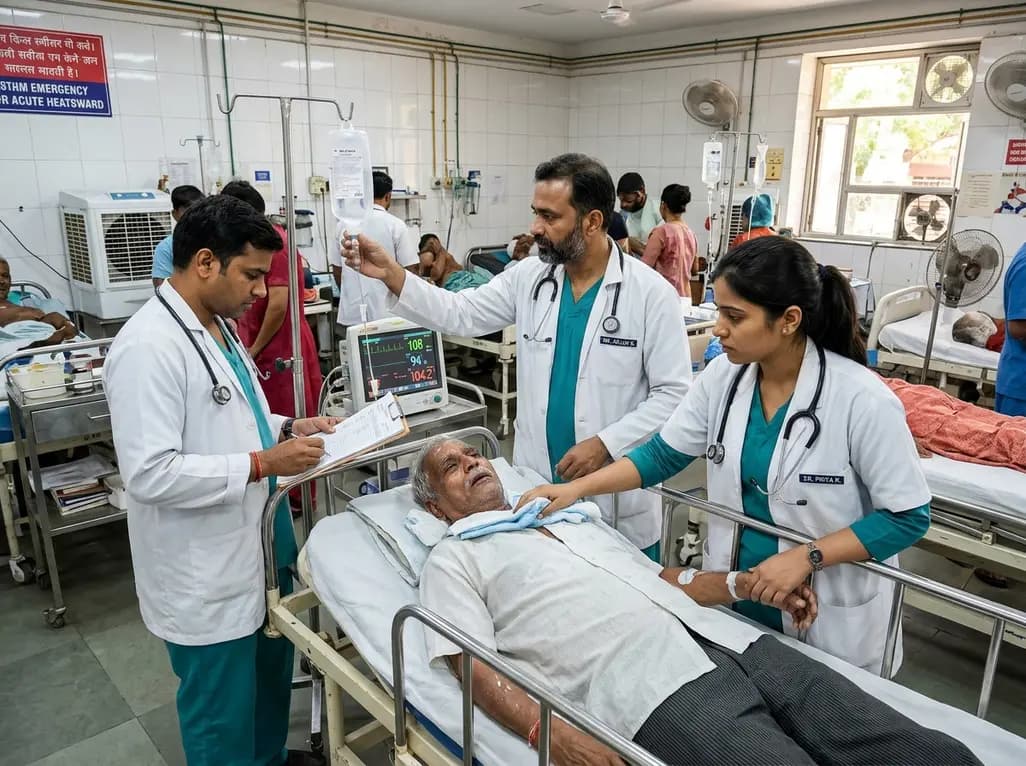
Recent epidemiological data reveals a dramatic surge in summer heat mortality driven by human-induced climate warming. This analysis explores the pathophysiological impacts on cardiac and renal systems, diagnostic dilemmas in death certification, and essential emergency cooling protocols for acute clinical care.
Today
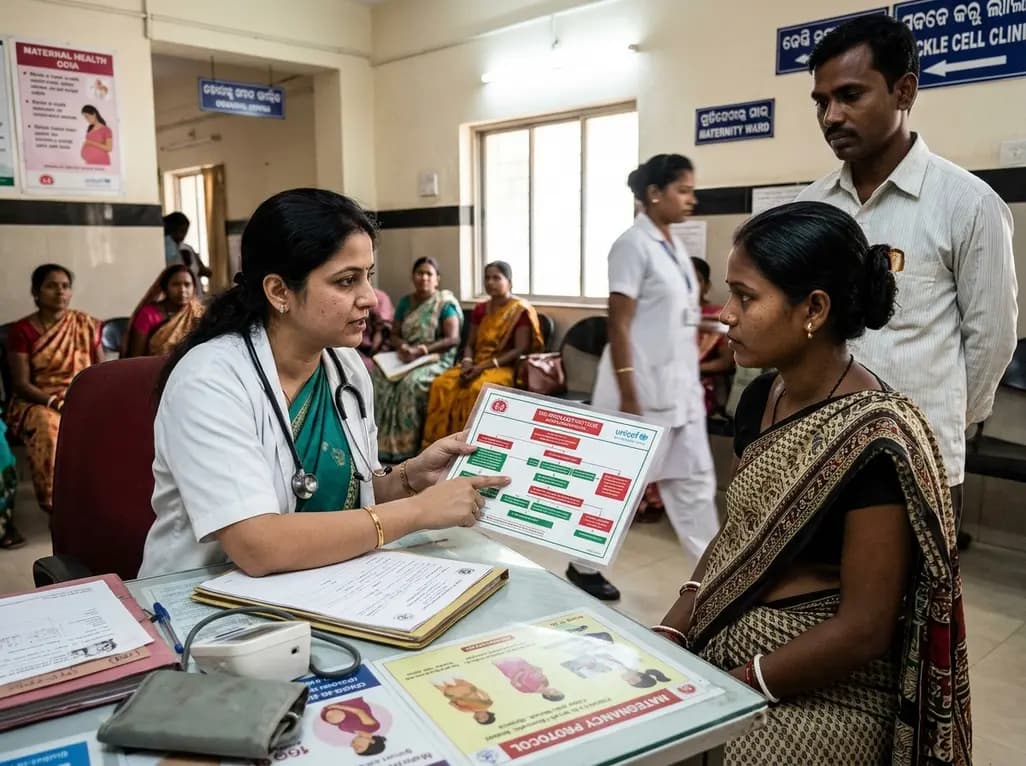
Odisha has established India's first state-level clinical protocol specifically tailored for pregnant women with sickle cell disease. Developed with NHM and UNICEF, the framework provides structured antenatal screening, crisis mitigation, standardized referral pathways, and specialized interdisciplinary care.
Today

India is advancing preventive healthcare by integrating genomics, artificial intelligence, and quantum technologies. With the SANGAM programme sequencing one million Indian genomes, clinicians can unlock personalized therapies, detect cardiometabolic risks early, and curb the burden of diabetes and heart disease.
Today
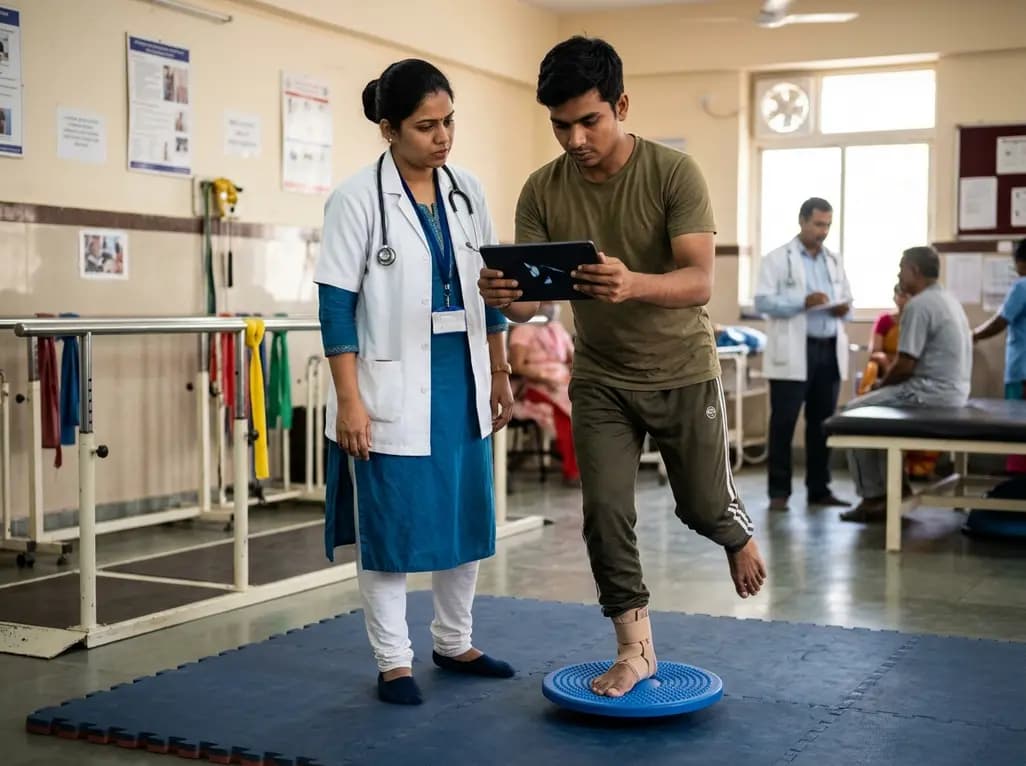
A randomized controlled trial demonstrates that an eight-week dual-task training intervention significantly improves static and dynamic postural control over standard balance exercises in individuals with chronic ankle instability, addressing critical neurocognitive deficits during athletic and daily activities.
Today

A retrospective cohort study of 7,716 ICU patients from the MIMIC-IV database demonstrates that Gradient Boosting Decision Trees significantly outperform traditional SOFA scores in predicting in-hospital mortality among patients with sepsis and diabetes, with SHAP analysis providing clinical interpretability.
Today
