.webp&w=384&q=75)

Loading, please wait...
Loading, please wait...
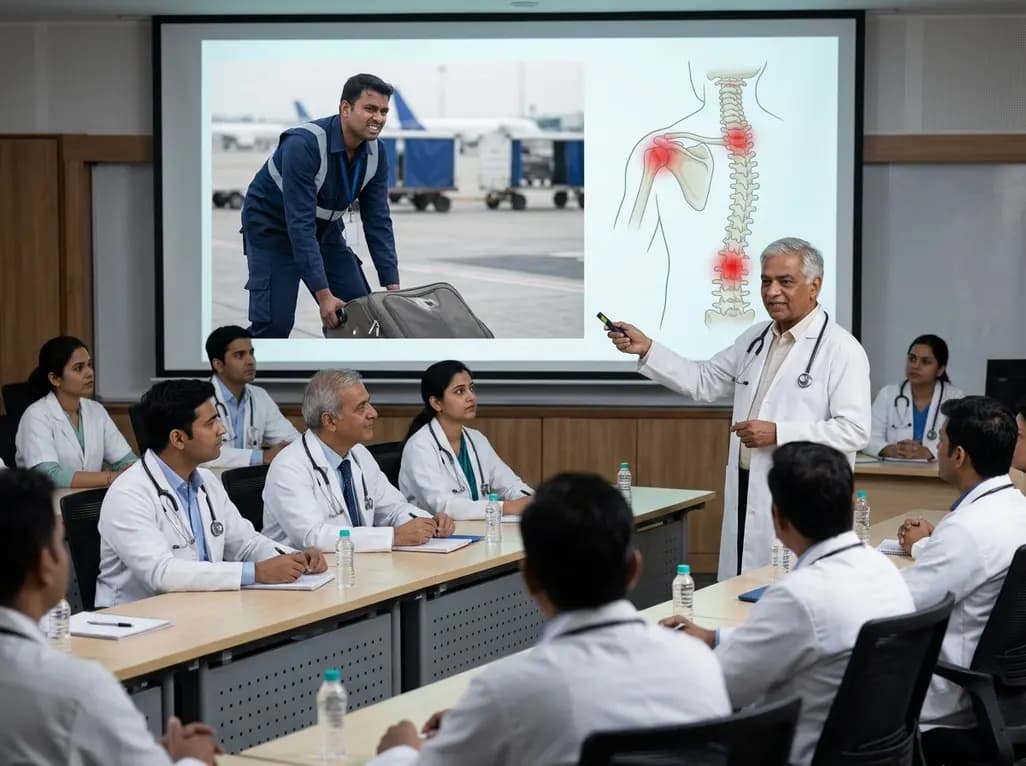
Work-related musculoskeletal disorders (WMSDs) represent a significant occupational health concern for airport employees due to the physical and ergonomic nature of their work. A systematic review published in 2026 analyzed 39 studies involving diverse airport occupational groups. Consequently, researchers discovered that baggage handlers represent the most studied and significantly affected population. Furthermore, the lower back, shoulders, and neck are the most commonly impacted body regions. This highlights the urgent necessity for targeted medical and organizational interventions to improve worker health and safety.
Various physical, ergonomic, and psychosocial exposures consistently correlate with the development of these conditions. Specifically, manual handling of heavy luggage, repetitive movements, and awkward postures are primary biomechanical risks identified in airport environments. Additionally, organizational factors like time pressure and inadequate recovery periods further exacerbate the issue. Therefore, clinical management and workplace surveillance must focus on comprehensive evaluations. While training and ergonomic adjustments are commonly implemented, current evidence regarding their long-term effectiveness remains limited, suggesting a need for more robust preventive strategies.
To mitigate the impact of these disorders, healthcare providers and policy makers should advocate for stronger preventive strategies. Tailored regulatory frameworks are essential, especially for under-researched airport occupations like maintenance and ground services. In addition, implementing mechanical lifting aids and optimizing shift schedules can significantly reduce the cumulative physical load on employees. Early detection through routine screenings and ergonomic education are also vital components of a successful occupational health program. Thus, addressing the multi-factorial nature of WMSDs will help safeguard the long-term health of airport ground crews.
The lower back, shoulders, and neck are the most frequently reported body regions affected by work-related musculoskeletal disorders in airport occupational groups, particularly among those involved in manual baggage handling.
Baggage handlers are typically at the highest risk due to the intensive manual handling of heavy loads and frequent awkward postures. However, maintenance crews and ground staff also face significant ergonomic and psychosocial risks.
Current interventions focus on ergonomic adjustments, employee training, and organizational strategies. However, the review suggests that more research is needed to confirm the long-term effectiveness of these measures in high-demand airport environments.
Disclaimer: This content is for informational and educational purposes only. It does not constitute professional medical advice, diagnosis, or treatment. Always seek the advice of your physician or other qualified healthcare provider with any questions you may have regarding a medical condition. Refer to the latest local and national guidelines for clinical practice.
References
Grigoriou M et al. Work-related musculoskeletal disorders among airport employees: a systematic literature review of prevalence, risks and interventions. Int J Occup Saf Ergon. 2026 Jun 12. doi: 10.1080/10803548.2026.2678743. PMID: 42284617.
Joseph A et al. Work-related musculoskeletal disorders among various occupational workers in India: a systematic review and meta-analysis. J Occup Health. 2024 Jan 4;66(1):uiae077. doi: 10.1093/joccuh/uiae077. PMID: 39688540.
Zavitz B, Lu ML. Ergonomic engineering solutions for airport baggage handling. CDC Stacks. 2023. Available from: https://stacks.cdc.gov/view/cdc/12345.

Read summarized clinical updates, watch expert medical content, and earn CME certifications right from your smartphone.
Open your smartphone camera to scan and install.





A systematic review highlights the prevalence of work-related musculoskeletal disorders (WMSDs) in airport staff, particularly baggage handlers. The study emphasizes the need for better ergonomic interventions and regulatory frameworks to protect workers from lower back, neck, and shoulder injuries.
4 months ago
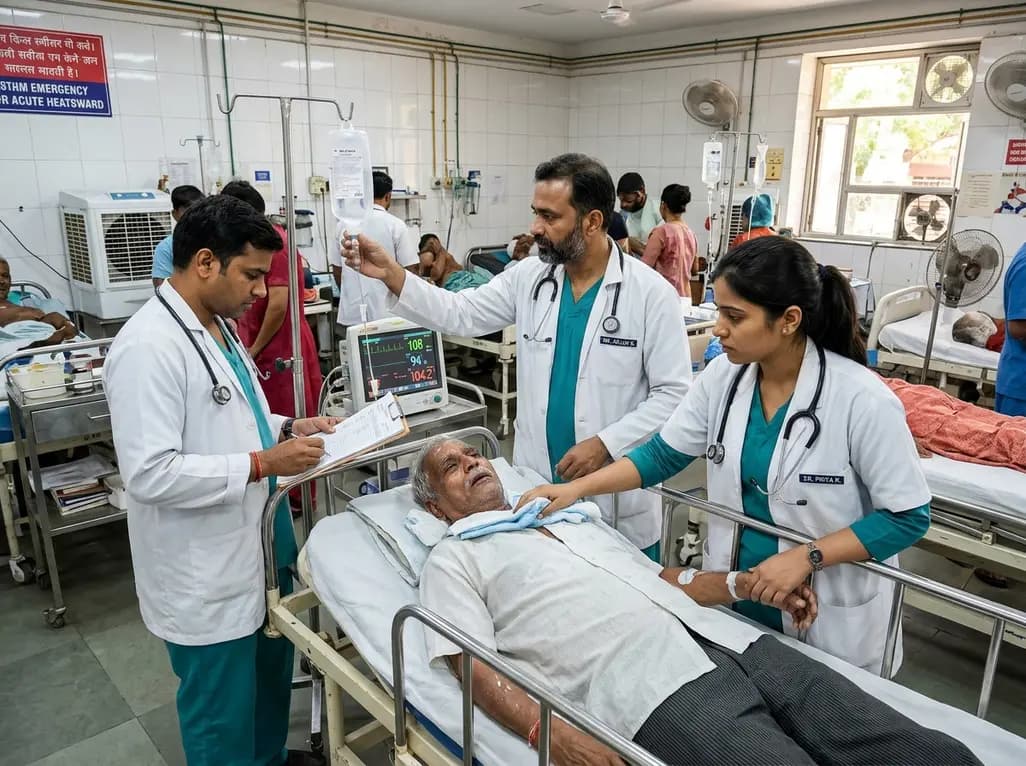
Recent epidemiological data reveals a dramatic surge in summer heat mortality driven by human-induced climate warming. This analysis explores the pathophysiological impacts on cardiac and renal systems, diagnostic dilemmas in death certification, and essential emergency cooling protocols for acute clinical care.
Today
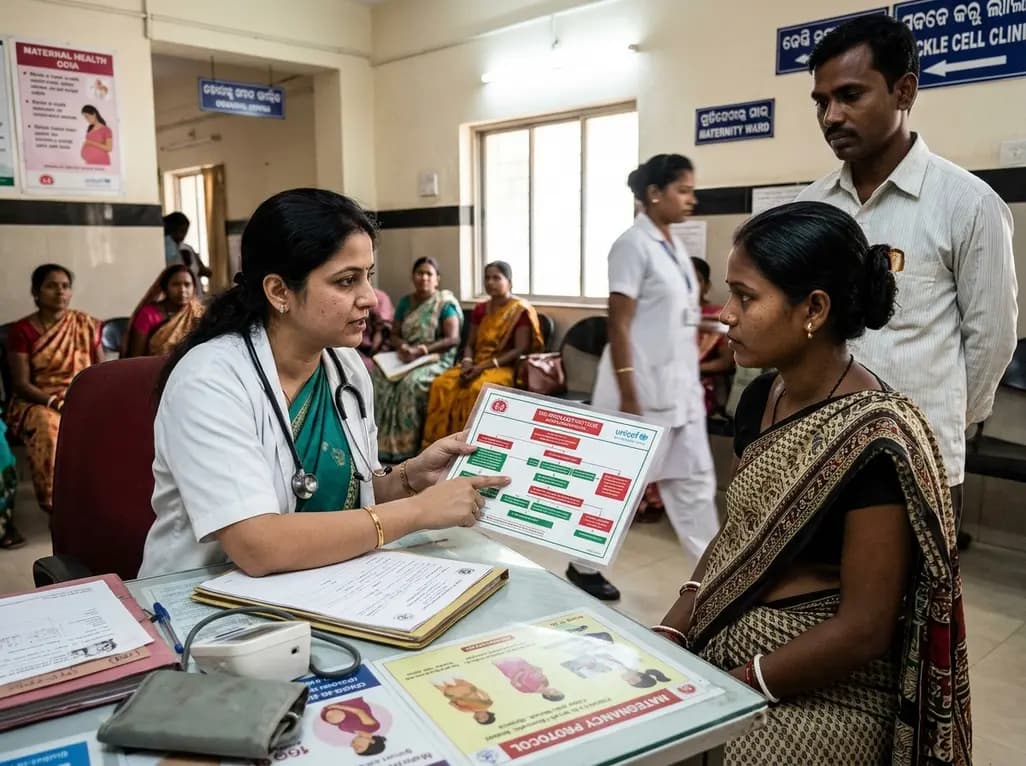
Odisha has established India's first state-level clinical protocol specifically tailored for pregnant women with sickle cell disease. Developed with NHM and UNICEF, the framework provides structured antenatal screening, crisis mitigation, standardized referral pathways, and specialized interdisciplinary care.
Today

India is advancing preventive healthcare by integrating genomics, artificial intelligence, and quantum technologies. With the SANGAM programme sequencing one million Indian genomes, clinicians can unlock personalized therapies, detect cardiometabolic risks early, and curb the burden of diabetes and heart disease.
Today
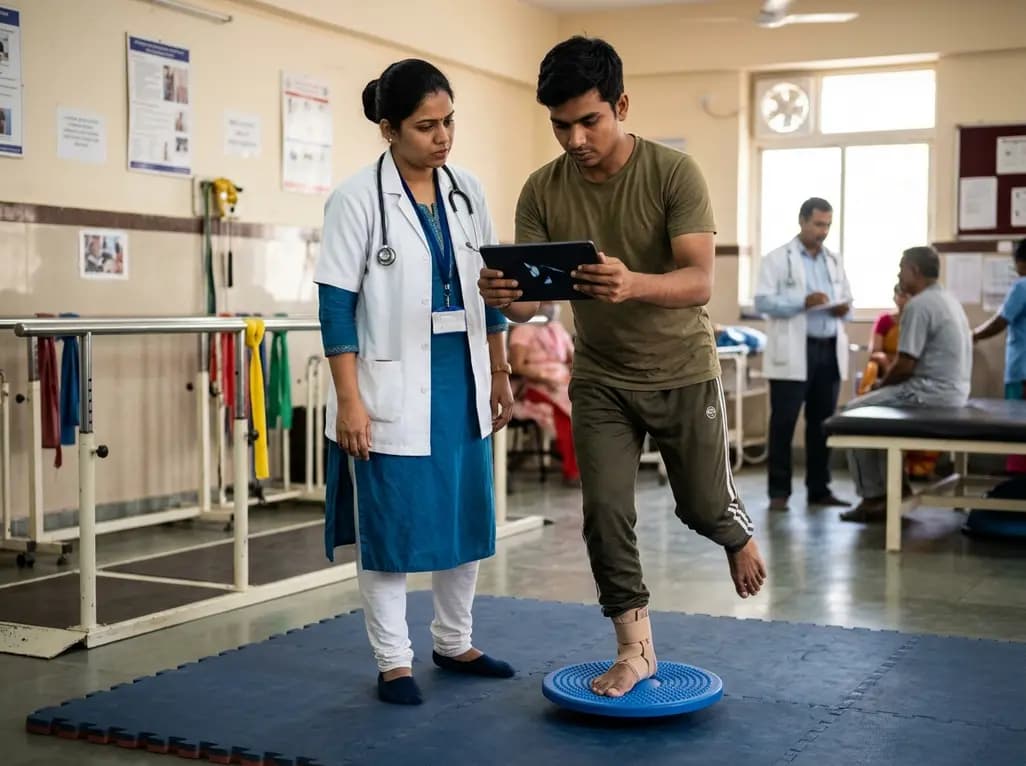
A randomized controlled trial demonstrates that an eight-week dual-task training intervention significantly improves static and dynamic postural control over standard balance exercises in individuals with chronic ankle instability, addressing critical neurocognitive deficits during athletic and daily activities.
Today

A retrospective cohort study of 7,716 ICU patients from the MIMIC-IV database demonstrates that Gradient Boosting Decision Trees significantly outperform traditional SOFA scores in predicting in-hospital mortality among patients with sepsis and diabetes, with SHAP analysis providing clinical interpretability.
Today
