.webp&w=384&q=75)

Loading, please wait...
Loading, please wait...
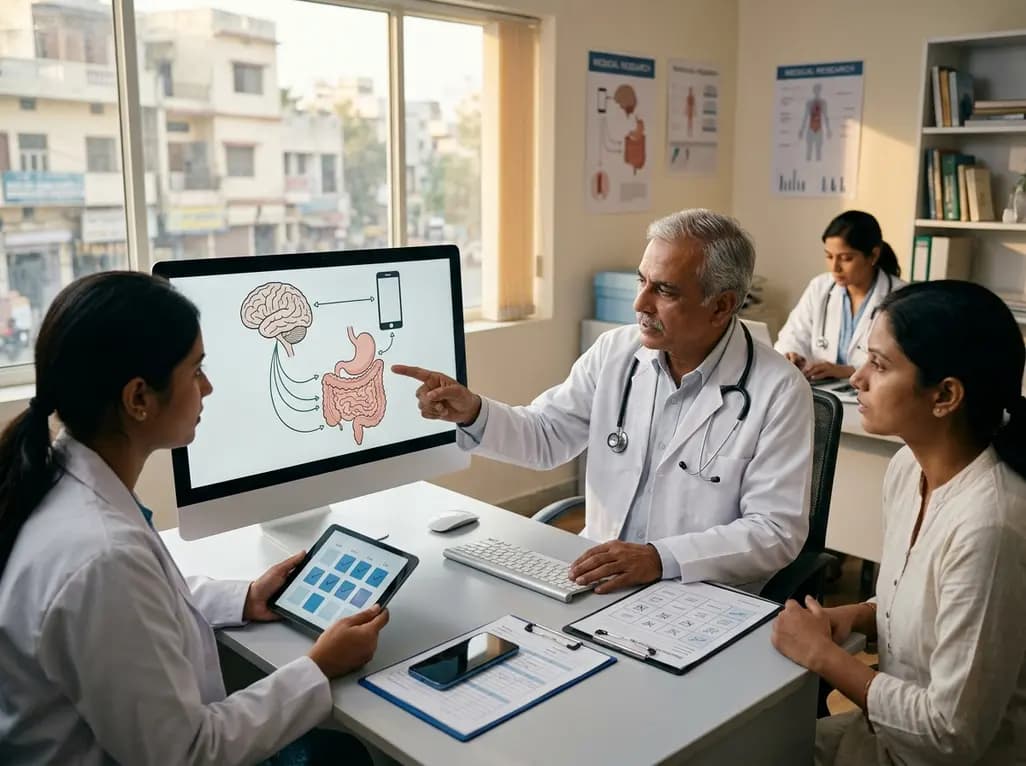
Irritable bowel syndrome presents a significant clinical challenge characterized by chronic abdominal pain, altered bowel habits, and reduced quality of life. Modern clinical gastroenterology increasingly recognizes that disorders of gut-brain interaction require comprehensive management strategies beyond standard pharmacotherapy. Consequently, clinical researchers have developed novel psychological modalities designed to directly target the bidirectional brain-gut axis. Implementing structured brain-gut behavior therapy offers patients non-pharmacological tools to effectively regulate gut motility, visceral hypersensitivity, and psychological distress. While traditional cognitive behavioral therapies focus primarily on reducing negative emotional states, emerging treatment frameworks emphasize cultivating positive psychological resources. The WISH 2.0 trial investigates a phone-delivered positive psychology intervention specifically tailored for individuals suffering from irritable bowel syndrome. By fostering emotional strengths, optimism, and daily happiness, this novel therapeutic approach seeks to transform behavioral gastroenterology care.
Clinicians historically prioritized mitigating anxiety, depression, and psychological stress when treating disorders of gut-brain interaction. However, growing clinical evidence indicates that positive psychological well-being independently correlates with lower symptom severity, improved health behaviors, and enhanced overall quality of life. Positive psychological interventions focus on cultivating optimism, gratitude, personal strengths, and positive affect. Consequently, integrating these positive psychological frameworks into brain-gut behavior therapy represents a meaningful paradigm shift in behavioral gastroenterology. The original proof-of-concept WISH trial demonstrated high feasibility and exceptional user satisfaction among adult IBS patients. Building directly on these promising preliminary findings, WISH 2.0 aims to evaluate whether boosting positive psychological assets translates into sustained gastrointestinal symptom relief and improved daily functioning. Furthermore, delivering this structured protocol via short weekly telephone calls significantly reduces geographic and financial barriers for patients seeking specialized gut-brain care.
The WISH 2.0 trial utilizes a rigorous, parallel-group, pilot randomized controlled design enrolling 50 adult participants meeting Rome IV diagnostic criteria for irritable bowel syndrome. Investigators stratify participants based on gastrointestinal subtype and gender to ensure balanced experimental cohorts across treatment arms. Participants undergo randomized assignment to receive either the 9-week WISH 2.0 intervention or a time- and attention-matched educational control protocol. Both study conditions consist of 9 weekly 30-minute individual telephone sessions paired with structured manualized home exercises. Primary study outcomes systematically measure feasibility through session completion rates and acceptability via weekly participant feedback regarding ease and utility. Secondary outcomes track changes in health-related quality of life, dietary habits, physical activity, and emotional distress across four distinct time points. Consequently, this study design establishes a robust comparative baseline against active educational controls.
Beyond clinical symptom tracking, the WISH 2.0 protocol incorporates comprehensive multi-system biological testing to elucidate candidate gut-brain mechanisms. Researchers collect detailed physiological and molecular biomarkers before and immediately following the 9-week intervention period. Specifically, investigators evaluate autonomic nervous system function by measuring resting heart rate variability. Furthermore, validated self-reported interoceptive awareness scales capture how participants perceive internal bodily signals. To explore complex molecular pathways, whole transcriptome RNA sequencing evaluates peripheral gene expression changes associated with positive psychological shifts. Additionally, serum inflammatory biomarkers assess systemic immune system activity and inflammation levels. By analyzing these biological parameters, researchers hope to uncover precise physiological mechanisms through which positive psychology interventions influence gastrointestinal function. Ultimately, identifying these underlying biomarkers will guide future personalized behavioral gastroenterology interventions.
Managing chronic gastrointestinal disorders in daily practice requires accessible, scalable, and non-stigmatizing therapeutic options. Although conventional behavioral gastroenterology therapies demonstrate robust efficacy, trained brain-gut specialists remain scarce across healthcare systems. Therefore, phone-delivered interventions like WISH 2.0 directly address crucial clinical access barriers for patients living in underserved regions. Moreover, comparing positive psychology strategies against active educational controls provides essential insights regarding specific active therapeutic ingredients. If successful, WISH 2.0 will provide clinicians with an evidence-based, low-burden behavioral treatment option for patients with refractory symptoms. Furthermore, understanding whether positive affect uniquely modulates physiological gut function allows clinicians to better stratify treatment plans for diverse patient populations. Thus, this pilot trial creates a strong methodological foundation for future, fully powered efficacy trials.
The WISH 2.0 trial received institutional review board approval and completed prospective clinical trial registration in early 2025. Following initial study startup phases, active participant recruitment commenced in October 2025 and remains actively ongoing. As of mid-2026, researchers have successfully enrolled 20 adult participants into the pilot study protocol. Investigators anticipate full study completion and primary outcome reporting by August 2028. Final study conclusions will determine if phone-delivered positive psychology interventions achieve sufficient feasibility and acceptability to justify broader clinical implementation. In addition, comparative mechanistic insights will guide the optimization of next-generation brain-gut therapies. Consequently, these findings promise to significantly expand non-pharmacological treatment options available to gastroenterologists and primary care clinicians managing disorders of gut-brain interaction.
WISH 2.0 is a novel 9-week, phone-delivered behavioral intervention designed specifically for irritable bowel syndrome. Unlike traditional cognitive behavioral therapy, which primarily targets negative thoughts, stress, and symptom-related anxiety, WISH 2.0 utilizes positive psychology principles. It focuses directly on cultivating positive emotional well-being, personal strengths, optimism, and positive affect to optimize gut-brain axis functioning and overall quality of life.
The primary outcomes of the WISH 2.0 trial are feasibility and acceptability. Feasibility is measured by the proportion of participants completing at least 6 out of the 9 scheduled weekly telephone sessions. Acceptability is evaluated using weekly participant ratings of session ease and perceived clinical utility. Secondary outcomes track health-related quality of life, health behavior engagement, and symptom severity across four assessment time points.
WISH 2.0 evaluates candidate biological mechanisms before and after the 9-week intervention using comprehensive multi-system biomarkers. Researchers measure autonomic nervous system activity via heart rate variability and assess interoception through validated self-reports. Additionally, the trial analyzes peripheral gene expression using whole transcriptome RNA sequencing and measures systemic immune system activity through serum inflammatory biomarkers to identify neurobiological pathways of recovery.
Disclaimer: This content is for informational and educational purposes only and does not constitute medical advice. Healthcare professionals should rely on clinical judgment and refer to official guidelines.
References
1. Madva EN et al. The WISH 2.0 Intervention for Irritable Bowel Syndrome: Protocol for a Pilot Randomized Controlled Trial. JMIR Res Protoc. 2026 Jul 23. doi: 10.2196/98352. PMID: 42492091.
2. Madva EN et al. Positive psychological well-being: A novel concept for improving symptoms, quality of life, and health behaviors in irritable bowel syndrome. Neurogastroenterol Motil. 2023;35(5):e14531.
3. Keefer L et al. Brain-gut behavior therapies in disorders of gut-brain interaction. Gastroenterology. 2022;162(1):120-132.

Read summarized clinical updates, watch expert medical content, and earn CME certifications right from your smartphone.
Open your smartphone camera to scan and install.





The WISH 2.0 trial evaluates a novel, 9-week phone-delivered positive psychology intervention for irritable bowel syndrome (IBS), aiming to establish feasibility, acceptability, and candidate gut-brain biological mechanisms.
2 months ago

A breakthrough study evaluated H5N1 transmission efficiency across mammalian isolates. Researchers discovered that human-derived D1.1 harboring the PB2 D701N mutation spread efficiently in ferrets, unlike strains carrying PB2 E627K. This finding highlights critical genetic markers for zoonotic surveillance.
Today

A comparative cohort study evaluates vNOTES vs TLH hysterectomy for benign conditions, demonstrating shorter operative duration, faster return to daily activities, and equivalent female sexual function scores without increased dyspareunia.
Today

Review how tailored exercise programs benefit frail older patients with heart failure. Explore pathophysiological mechanisms, individualized training prescriptions, and strategies to overcome adherence barriers in clinical practice.
Yesterday

This comparative study evaluates posterior labral tears with and without glenohumeral instability, highlighting distinct demographic patterns, MRI underestimation in stable shoulders, and successful arthroscopic repair outcomes.
Yesterday

A clinical study demonstrates that early intervention with tocilizumab, either as monotherapy or bridged with corticosteroids, achieves significant proptosis reduction and resolves active inflammation in treatment-naive thyroid eye disease.
Today
