.webp&w=384&q=75)

Loading, please wait...
Loading, please wait...
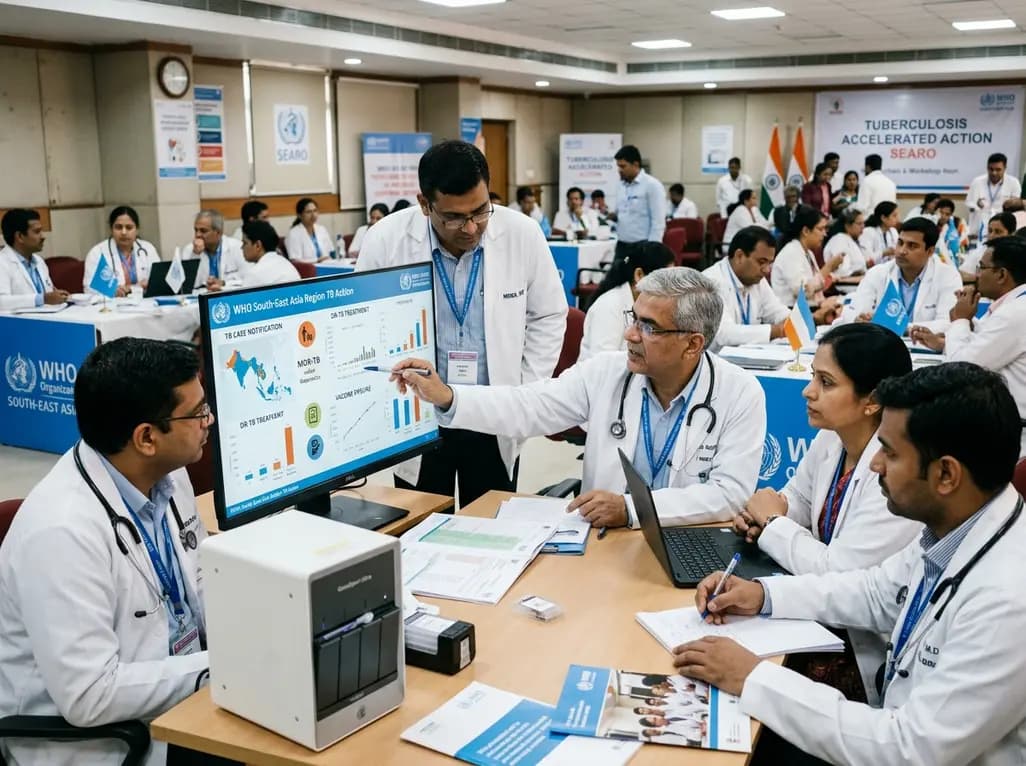
Member States of the World Health Organization South-East Asia Region have renewed their collective commitment to accelerate tuberculosis elimination. During the 79th Session of the Regional Committee, health ministers and delegates agreed on transformative strategies to overcome persistent systemic barriers. Tuberculosis remains a devastating public health crisis that claims hundreds of thousands of lives annually across the region. Furthermore, it continues to trap vulnerable families in severe cycles of impoverishment. Regional leaders emphasized that medical communities possess the clinical tools necessary to shift this trajectory. Consequently, closing diagnostic gaps, ensuring equitable access to high-quality care, and integrating services into robust primary healthcare systems represent urgent regional imperatives.
The epidemiological challenge confronting the South-East Asia Region remains exceptionally heavy. In 2024, the region accounted for approximately 34 percent of all new global cases. This proportion translates into an estimated 3.68 million active infections and over 433,000 preventable deaths. Furthermore, drug-resistant disease continues to present an escalating threat to regional health security. Around 150,000 individuals developed multidrug-resistant or rifampicin-resistant pathogens, representing over 38 percent of the entire global burden. Certain member nations face disproportionate hardship, with incidence rates reaching nearly 500 cases per 100,000 population.
Nevertheless, regional programs have achieved noteworthy progress since 2015. Treatment coverage rates now surpass 85 percent in several jurisdictions, reflecting commendable therapeutic dedication. Regional case incidence has dropped by 16 percent, while disease mortality has declined by 23 percent. However, these epidemiological gains remain insufficient to meet the End TB Strategy milestones. The global strategy demands an 80 percent reduction in incidence and a 90 percent drop in mortality by 2030. Therefore, healthcare systems must intensify clinical vigilance, accelerate case detection, and expand evidence-based therapeutic regimens across all primary health centers.
Achieving decisive progress in tuberculosis elimination requires early, accurate, and widespread clinical detection. Historically, conventional sputum smear microscopy failed to identify a substantial fraction of active infectious cases. Moreover, reliance on slower diagnostic methods frequently delayed appropriate therapeutic initiation for weeks. To resolve these chronic shortfalls, member states pledged to scale up WHO-recommended rapid molecular diagnostics. These advanced platforms include automated nucleic acid amplification tests and cartridge-based diagnostic systems.
Additionally, regional health strategies emphasize the integration of digital radiography supported by artificial intelligence algorithms. These digital screening tools enable rapid triage in high-burden ambulatory centers and community outreach campaigns. Clinicians can screen vulnerable cohorts rapidly and identify asymptomatic pulmonary lesions before clinical deterioration occurs. Furthermore, member states committed to active case-finding initiatives in remote geographic locations and underserved urban settlements. Routine contact tracing within affected households also ensures immediate clinical assessment for exposed individuals. Consequently, health authorities can interrupt community transmission chains much more effectively. Clinicians must routinely advocate for molecular testing as the primary diagnostic modality for every presumptive patient.
Managing multidrug-resistant tuberculosis represents one of the most complex clinical challenges in respiratory medicine. Historically, second-line treatments required lengthy, toxic injection-based regimens that caused substantial adverse events. Fortunately, the region is transitioning rapidly toward shorter, all-oral regimens that significantly improve patient compliance. Member states emphasized the need to secure reliable access to these advanced second-line oral medications. In addition, providing comprehensive nutritional supplementation and decentralized psychosocial support remains vital for long-term adherence.
Concurrently, clinicians must prioritize disease prevention alongside curative management. Expanding tuberculosis preventive treatment to eligible household contacts is an essential pillar of regional control. Vulnerable individuals, particularly young children and immunosuppressed adults, derive enormous protective benefits from preventive therapy. Furthermore, health programs must aggressively tackle underlying clinical risk factors that compromise host immunity. Undernutrition, poorly controlled diabetes mellitus, and chronic tobacco use substantially increase infection susceptibility and disease reactivation. Therefore, multidisciplinary care models linking endocrinologists, pulmonologists, and primary physicians are indispensable. By controlling underlying metabolic comorbidities and administering timely chemoprophylaxis, clinicians can dramatically suppress latent reactivation rates.
The socioeconomic impact of tuberculosis often inflicts catastrophic financial destruction on affected households. In the South-East Asia Region, nearly 44 percent of families face catastrophic health expenditures during treatment. When drug-resistant strains emerge, this devastating figure escalates to more than 80 percent of households. Patients frequently incur massive out-of-pocket expenses for transportation, diagnostic testing, ancillary medications, and nutritional support. Moreover, severe physical illness often results in sudden job loss and severe wage reductions.
To alleviate this crisis, member states resolved to integrate tuberculosis services into universal health coverage frameworks. Eliminating point-of-service payments for essential diagnostic evaluations and pharmaceutical supplies constitutes a foundational policy step. Additionally, governments must establish direct nutritional cash transfers and community-level social support packages. In 2024, the region mobilized approximately 900 million dollars against an estimated requirement of 3 billion dollars. Consequently, a substantial funding gap still threatens comprehensive disease management. Closing this regional funding deficit requires sustained political solidarity, innovative public-private collaborations, and domestic resource mobilization. Ultimately, shielding patients from severe economic hardship improves treatment completion rates and prevents widespread treatment abandonment.
Sustained long-term disease suppression demands transformative biomedical innovations, most notably next-generation prophylactic vaccines. The current Bacille Calmette-Guérin vaccine provides vital protection against severe disseminated forms of disease in infants. However, it offers limited and variable protection against pulmonary tuberculosis in adolescents and adults. Epidemiological modelling indicates that introducing a novel, highly effective vaccine by 2028 could avert approximately 1.45 million cases by 2030. Furthermore, such an intervention could prevent an estimated 300,000 deaths across the region during that timeframe.
Therefore, health ministries agreed to establish early infrastructure preparedness for rapid vaccine evaluation and programmatic deployment. National regulatory authorities must streamline clinical trial approvals and accelerate formal registration mechanisms. In addition, public health agencies are expanding regional supply chains and cold-chain infrastructure to handle future delivery demands. Operational research and voluntary technology transfer agreements will also facilitate local production and equitable vaccine allocation. Meanwhile, clinical teams must continue to educate communities and address vaccine hesitancy proactively. By combining advanced immunizations with enhanced active case detection, the region can finally achieve sustainable disease interruption.
Q1: Why is the tuberculosis burden in the WHO South-East Asia Region disproportionately high?
The South-East Asia Region accounts for nearly a quarter of the global population and faces substantial socioeconomic challenges. High population density, widespread undernutrition, and rising rates of diabetes mellitus create fertile ground for disease transmission. Furthermore, historical gaps in rapid diagnostic capacity, private sector underreporting, and out-of-pocket costs have contributed to delayed diagnoses. Consequently, persistent community transmission and high multidrug-resistant infection rates sustain this heavy disease burden across multiple member states.
Q2: How do rapid molecular diagnostics improve patient outcomes compared to conventional sputum microscopy?
Rapid molecular diagnostic platforms identify bacterial DNA and detect critical drug resistance mutations within a few hours. In contrast, conventional smear microscopy fails to identify low bacillary concentrations and cannot identify antimicrobial resistance. Therefore, molecular testing provides superior diagnostic sensitivity while immediately alerting clinicians to rifampicin or isoniazid resistance. Consequently, healthcare providers can initiate targeted, effective antimicrobial regimens promptly, which dramatically reduces disease transmission, treatment failure, and premature patient mortality.
Q3: What role will next-generation vaccines play in achieving the regional End TB Strategy goals?
Current vaccines provide limited protection against adult pulmonary tuberculosis, which accounts for the vast majority of community transmissions. Advanced vaccine candidates currently in clinical trials aim to provide robust, long-lasting immunity in adolescents and adults. Epidemiological models show that deploying a successful vaccine by 2028 alongside standard diagnostics could avert 1.45 million cases and 300,000 deaths by 2030. Therefore, novel vaccines represent an essential breakthrough needed to achieve complete disease elimination.
Disclaimer: This content is for informational and educational purposes only. It does not constitute medical advice or replace professional judgment. Refer to the latest local and national guidelines for clinical practice.
References

Read summarized clinical updates, watch expert medical content, and earn CME certifications right from your smartphone.
Open your smartphone camera to scan and install.





At the 79th Regional Committee session, WHO South-East Asia Member States pledged intensified action against tuberculosis. Key priorities include scaling up rapid molecular diagnostics, addressing drug-resistant strains, expanding preventive therapy, and preparing health systems for upcoming novel vaccines.
Today
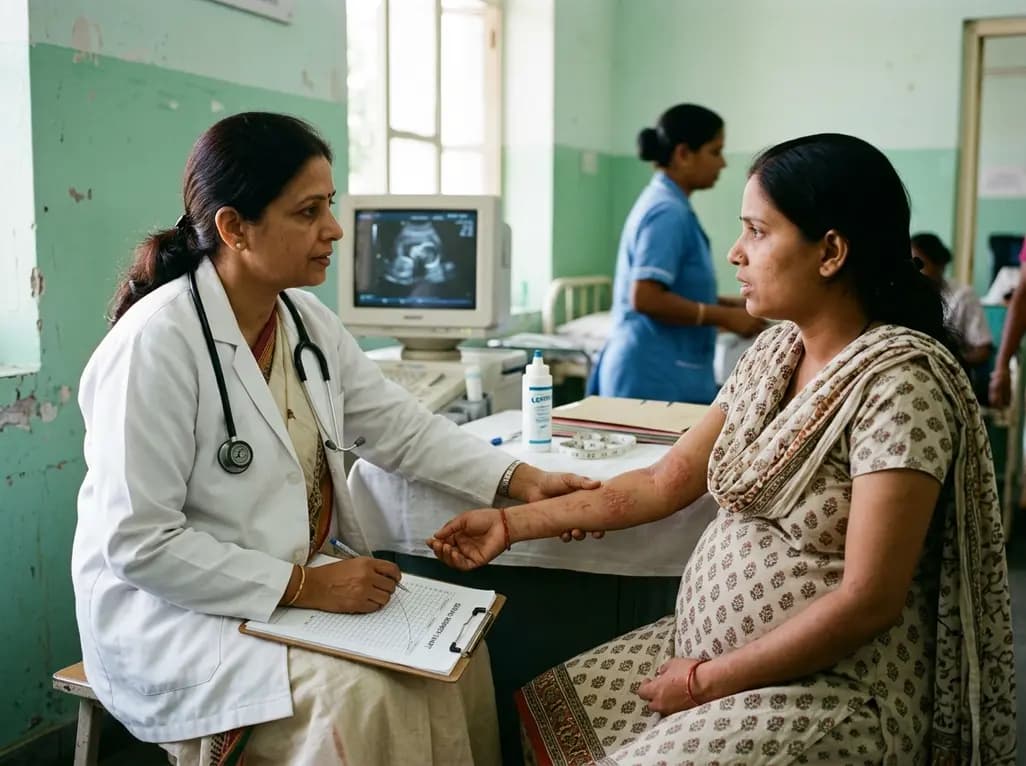
A comprehensive meta-analysis of over 278,000 women demonstrates that maternal atopic dermatitis significantly increases risks of premature rupture of membranes and low birth weight. Discover essential clinical insights on disease mechanisms, serial antenatal growth monitoring, and safe therapeutic interventions.
Today
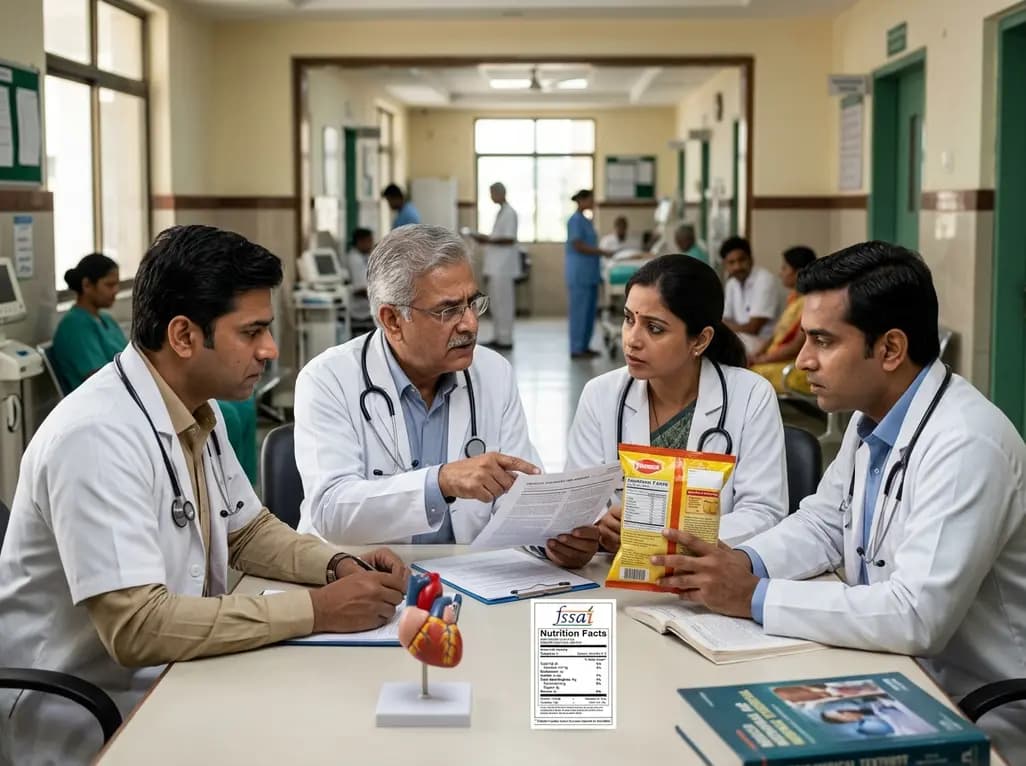
Over 60 international public health researchers have advised FSSAI to mandate front-of-pack warning labels for any packaged product high in even one critical nutrient: sugar, saturated fat, or sodium. This reform counters phased rollouts to accelerate consumer protection and address India's chronic disease burden.
Today

Apollo Global Management is in talks to acquire Johnson & Johnson's DePuy Synthes orthopedics unit in a potential $20 billion transaction. This comprehensive analysis reviews the MedTech restructuring, product lines in joint reconstruction, ongoing legal issues, and key implications for global orthopedic surgery.
Today
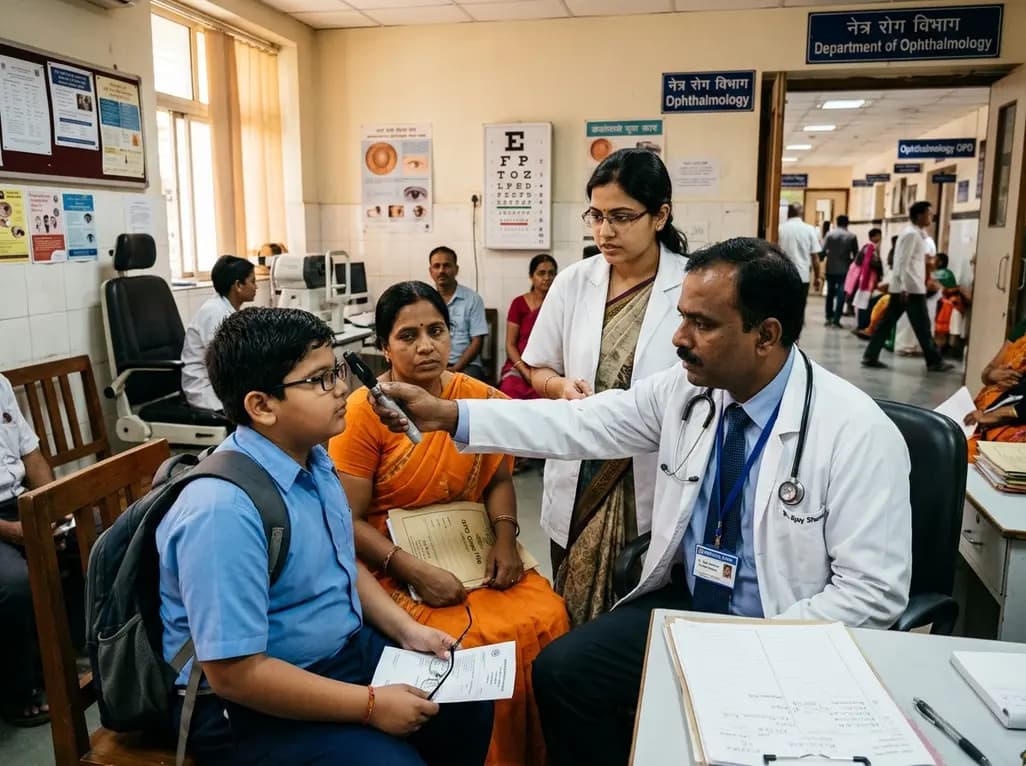
A cross-sectional study reveals that elevated METS-IR is independently associated with higher myopia odds in adolescents, showing biological synergy with obesity and highlighting the need for metabolic screening in pediatric eye care.
Yesterday
