

Loading, please wait...
Loading, please wait...
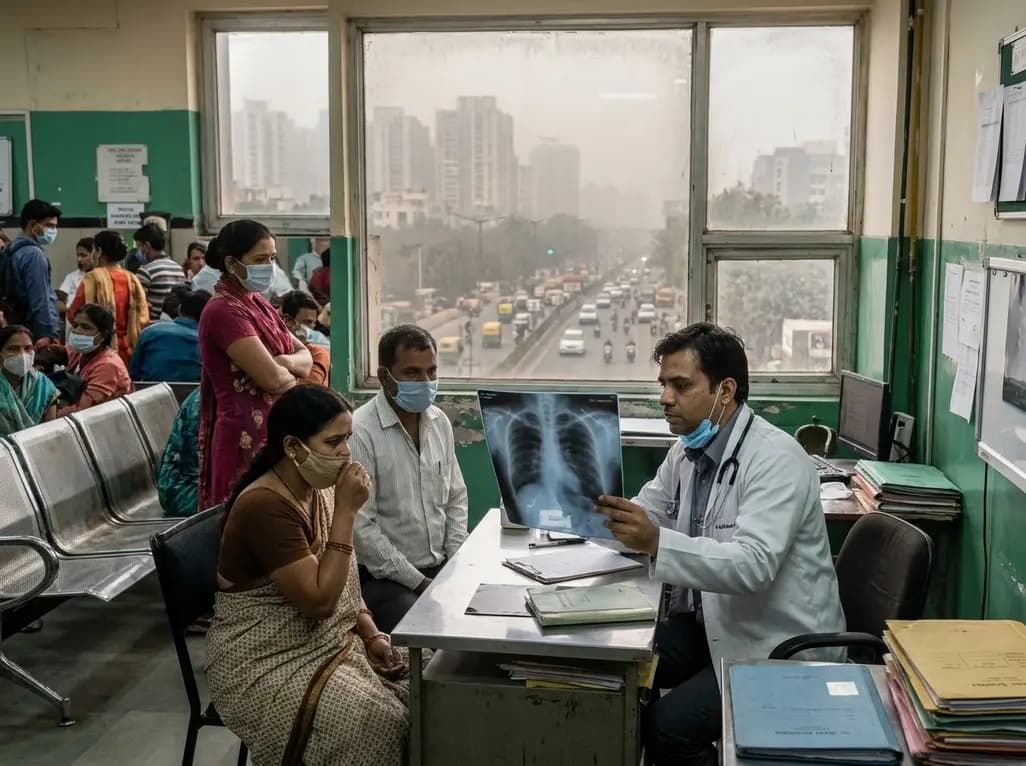
India currently operates under ambient environmental thresholds established almost two decades ago. Although health evidence highlights severe consequences, the country still awaits updated national air pollution standards. An ongoing review initiated by environmental authorities has dragged on for more than five years. Meanwhile, millions of citizens continue to inhale particulate concentrations that vastly exceed safe limits. For healthcare professionals across the nation, this regulatory delay directly correlates with rising patient visits for acute and chronic conditions. Consequently, clinicians must understand the structural delays, the widening policy gap, and the urgent physiological implications for their daily practice.
The National Ambient Air Quality Standards received their last official notification in 2009. In May 2020, the Central Pollution Control Board instituted a specialized steering committee to oversee a comprehensive scientific review. Subsequently, academic leaders from prestigious institutions, including the Indian Institute of Technology Kanpur and the All India Institute of Medical Sciences, joined the panel. Their official mandate required evaluating novel metrics, such as ultrafine particles, while updating limits for twelve criteria pollutants. These pollutants include particulate matter, sulphur dioxide, nitrogen dioxide, ozone, and toxic heavy metals like lead and arsenic.
However, bureaucratic processes have significantly impeded meaningful progress. The expert committee submitted its preliminary findings in late 2023 and delivered a revised technical report in December 2025. Despite holding seven high-level deliberations, regulators have failed to formally notify any revised standards. The initial project deadline passed in late 2024 without legal enforcement of the recommendations. In addition, right-to-information disclosures confirmed that the committee has not translated technical findings into actionable public policy. Therefore, existing statutory thresholds remain frozen in time. This administrative inertia creates major roadblocks for clinical health advocates who demand enforceable air quality safeguards to protect vulnerable communities.
The divergence between domestic thresholds and global scientific consensus continues to expand rapidly. In 2021, the World Health Organization published updated guidelines based on robust toxicological and epidemiological evidence. These updated international guidelines established an annual mean exposure limit of five micrograms per cubic metre for fine particulate matter. In contrast, India maintains an annual permissible threshold of forty micrograms per cubic metre. Consequently, the national ceiling permits particulate concentrations eight times higher than what international health authorities consider safe.
Similarly, coarse particulate thresholds reveal a stark disparity between statutory mandates and biological safety. The Indian standard allows an annual coarse particulate limit of sixty micrograms per cubic metre. Conversely, the global health agency recommends a strict ceiling of fifteen micrograms per cubic metre. Furthermore, domestic standards for gaseous irritants, including nitrogen dioxide, sulphur dioxide, and ground-level ozone, lag far behind current medical recommendations. Because local standards remain legally binding, industrial facilities and municipal authorities face no statutory urgency to eliminate dangerous emissions. Hence, physicians regularly treat patients who endure sustained toxic exposures that comply with outdated national regulations yet produce profound cellular damage.
Fine particulate matter presents extraordinary hazards due to its microscopic aerodynamic diameter. When inhaled, these fine particles easily bypass upper airway filtration mechanisms and deposit deep within the terminal bronchioles. Subsequently, they cross the alveolar-capillary barrier and enter systemic circulation. This systemic translocation triggers widespread endothelial inflammation, autonomic imbalance, and chronic oxidative stress. Over time, persistent exposure accelerates coronary plaque formation, promotes arterial stiffening, and triggers acute ischemic events. Therefore, cardiologists observe an indisputable link between seasonal pollution spikes and hospital admissions for myocardial infarction.
Simultaneously, the respiratory system absorbs substantial physical and chemical injury. Chronic inhalation of fine and ultrafine particles impairs mucociliary clearance and stimulates persistent epithelial damage. Consequently, pulmonologists report alarming exacerbations of chronic obstructive pulmonary disease and severe refractory asthma. In addition, toxic hydrocarbons and heavy metals adsorbed onto particulate surfaces induce cellular DNA damage. Recent oncological data confirm that non-smokers in heavily polluted zones face elevated risks of lung adenocarcinoma. Thus, clinicians cannot view air pollution as merely an environmental nuisance. Instead, medical providers must recognize ambient toxic air as an aggressive systemic pathogen that directly elevates patient mortality across diverse age groups.
While air pollution harms all demographic groups, vulnerable cohorts experience disproportionately severe morbidity. Pediatric populations face the highest lifelong risks because their respiratory systems and immune defenses are still developing. Moreover, children possess higher minute ventilation rates relative to their body weight than adults. Consequently, they inhale larger proportional volumes of toxic ambient air during routine outdoor activities. Pediatricians frequently document recurrent lower respiratory tract infections, impaired baseline lung function, and increased childhood asthma incidence in metropolitan corridors. Furthermore, prenatal exposure to heavy particulates correlates strongly with intrauterine growth restriction and preterm delivery.
Similarly, geriatric individuals and patients with pre-existing metabolic disorders suffer profound consequences. Age-related vascular stiffening and underlying heart disease make elderly patients exceptionally susceptible to sudden pollution surges. In addition, emerging neurovascular research demonstrates that ultrafine particles can enter the brain through the olfactory pathway. As a result, chronic particulate inhalation promotes neuroinflammation, accelerating cognitive decline and ischemic stroke incidence. Socioeconomically disadvantaged communities also face heightened vulnerability due to poor baseline nutrition and dense roadside habitation. Accordingly, healthcare providers must routinely assess demographic risk factors when advising families on exposure mitigation strategies.
Given the persisting regulatory paralysis, Indian healthcare professionals must become active public health advocates. Physicians can guide patients toward practical personal protections during peak pollution periods. For example, clinicians should counsel high-risk individuals to track local air quality indices and minimize vigorous morning outdoor exercise. In addition, doctors must emphasize strict adherence to prescribed inhaled medications and advocate for certified N95 respirators. Beyond bedside clinical interventions, the medical fraternity needs to demand structural policy evolution from administrative agencies.
Moreover, medical and scientific groups increasingly advocate for regional air quality benchmarks rather than a uniform national standard. Geographically diverse areas present distinct meteorological and topographical features. The Indo-Gangetic plains suffer from dense winter inversions and legacy industrial emissions, making standard enforcement uniquely challenging. Conversely, coastal regions maintain different dispersion dynamics. Therefore, implementing differentiated regional thresholds could prevent the dilution of safety requirements in northern industrial centers. By joining regulatory debates and submitting clinical evidence, medical professionals can compel authorities to finalize health-protective policies. Ultimately, timely regulatory action will directly alleviate the escalating disease burden on hospitals nationwide.
Q1: Why has the revision of India's national air pollution standards experienced prolonged delays?
The revision of the National Ambient Air Quality Standards has experienced prolonged delays because the expert technical reports remain under continuous bureaucratic scrutiny. Although the IIT Kanpur-led panel submitted revised findings, the government steering committee has held multiple rounds of deliberations without formal notification. Additionally, aligning diverse industrial interests, complex socio-economic variables, and novel parameters like ultrafine particles has slowed administrative implementation, leaving the outdated 2009 regulatory benchmarks legally active nationwide.
Q2: How do existing Indian particulate matter limits compare to the 2021 WHO guidelines?
Existing Indian air quality standards are substantially more lenient than the 2021 World Health Organization guidelines. India permits an annual average PM2.5 concentration of 40 micrograms per cubic metre, which is eight times higher than the WHO limit of 5 micrograms. Furthermore, India allows an annual PM10 limit of 60 micrograms per cubic metre, four times the global standard of 15 micrograms, exposing millions to recognized chronic health hazards.
Q3: What immediate clinical precautions should doctors recommend to high-risk patients during pollution spikes?
Physicians should advise vulnerable patients to monitor local air quality indices daily and avoid intense outdoor exertion during peak morning hours. Furthermore, clinicians must recommend well-fitted, certified N95 masks for unavoidable outdoor commutes. Ensuring strict adherence to baseline medications, such as asthma inhalers and cardioprotective drugs, remains critical. Additionally, high-risk individuals should improve indoor ventilation using HEPA purifiers and seek immediate medical care if they experience persistent chest tightness or dyspnea.
Disclaimer: This content is for informational and educational purposes only. It does not constitute medical advice or replace professional judgment. Refer to the latest local and national guidelines for clinical practice.
References

Read summarized clinical updates, watch expert medical content, and earn CME certifications right from your smartphone.
Open your smartphone camera to scan and install.





With India still adhering to 2009 air pollution benchmarks, the delayed NAAQS revision exposes populations to fine particulate matter far exceeding global safety limits. Clinicians face surging cardiopulmonary morbidity, emphasizing the urgent need for stringent, health-centered regulatory thresholds nationwide.
Today

India's leading assisted reproduction provider Indira IVF is in advanced talks to acquire a majority stake in Kerala's Sabine Hospital in a Rs 1,300 crore transaction. This strategic development highlights rising private equity interest, clinical consolidation, and changing demographic demands across reproductive medicine.
Today
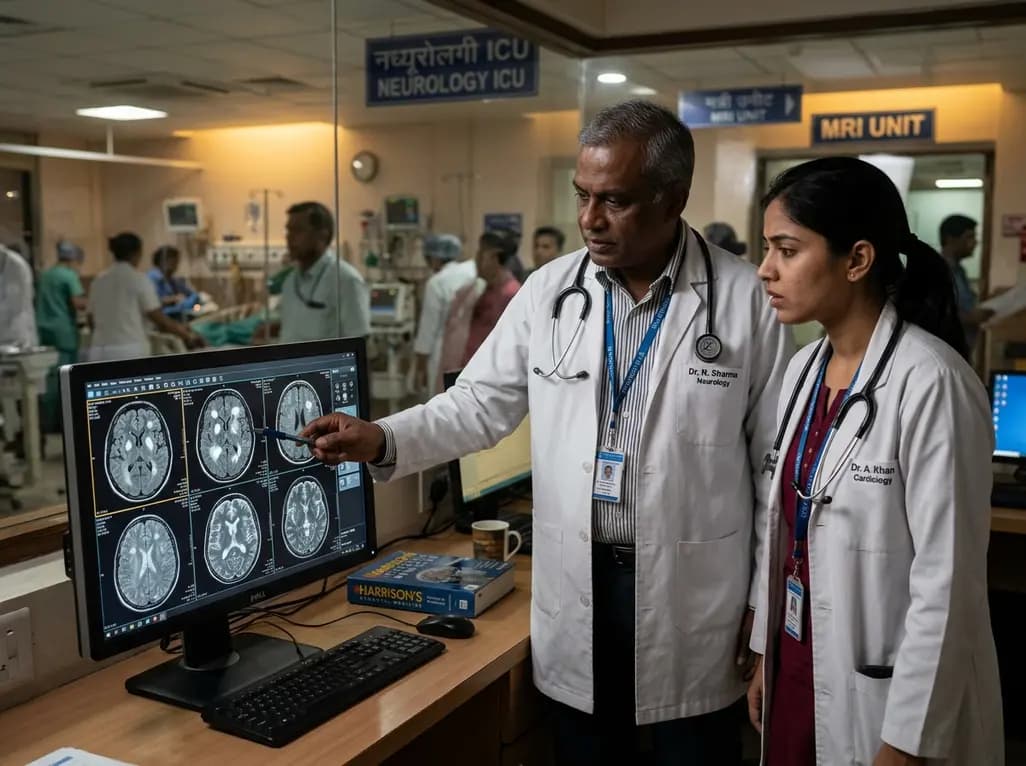
Recent findings from the VESUVE study demonstrate that brain MRI detects intracranial lesions in over 76% of patients with infective endocarditis. Acute ischemic stroke and subarachnoid hemorrhage independently elevate six-month mortality, underscoring the critical prognostic utility of neuroimaging.
Yesterday
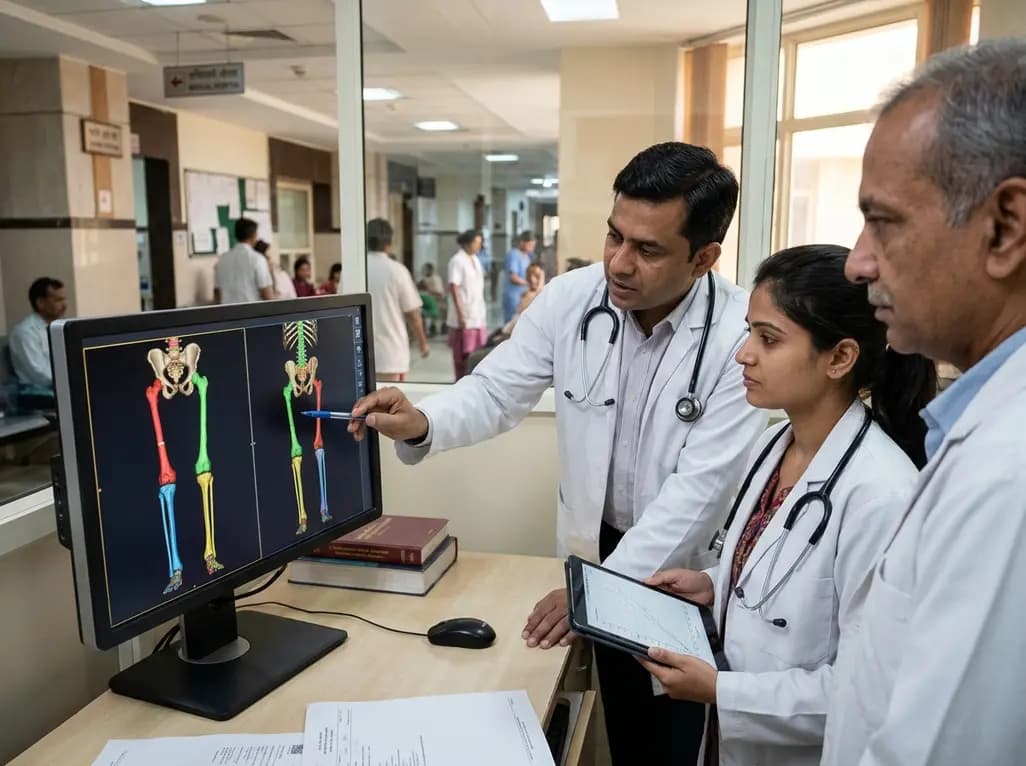
Modern 3D anthropometry reveals that pediatric leg growth ceases years before spinal elongation, exposing the clinical illusion of the classical Anderson-Green model. Learn how segmental growth dissociation improves surgical timing for epiphysiodesis in adolescent leg length discrepancy.
Yesterday

A meta-analysis of 18 studies reveals that bariatric surgery does not significantly alter circulating homocysteine levels, regardless of follow-up duration. Clinicians must maintain vigilance over post-surgical micronutrient supplementation to prevent hyperhomocysteinemia.
Yesterday
