

Loading, please wait...
Loading, please wait...
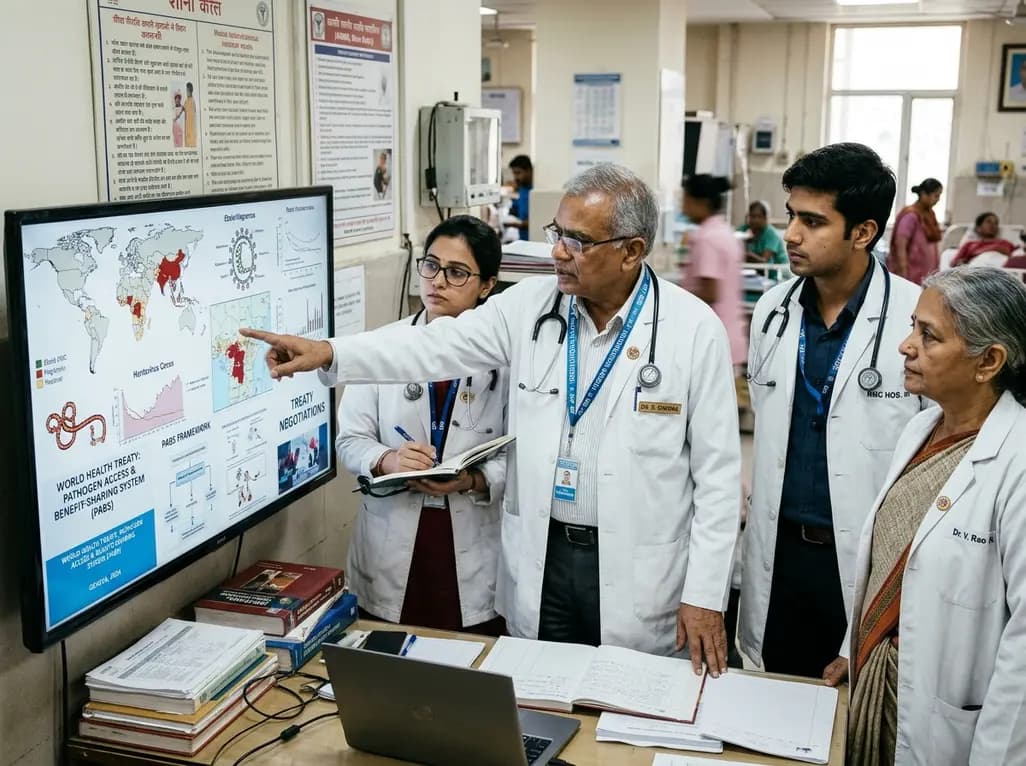
The recurring surge of high-consequence viral pathogens continues to challenge global health security. Recently, World Health Organization Director-General Dr Tedros Adhanom Ghebreyesus issued an urgent plea for member states to finalize the WHO pandemic agreement. Addressing international negotiators in Geneva, health leaders emphasized that persistent outbreaks provide undeniable evidence that biological threats disregard national borders. Consequently, international cooperation remains the sole reliable defense against catastrophic contagion. Without a binding global framework, localized infectious crises can rapidly evolve into international public health emergencies.
The stark necessity of international governance stems directly from real-world epidemiological crises. For example, health authorities recently identified an aggressive Ebola virus disease outbreak in the Democratic Republic of Congo. This devastating surge has claimed nearly 5,000 lives among more than 10,000 documented infections. In addition, an unexpected outbreak of hantavirus claimed three lives on a cruise vessel earlier this year. Such incidents highlight the capricious transmission patterns of zoonotic and viral illnesses. Furthermore, these events demonstrate that novel pathogens can manifest across unexpected geographic and clinical settings.
Therefore, public health officials must treat biological threats anywhere as imminent risks everywhere. In addition, clinicians must recognize that rapid transmission networks bridge remote wilderness areas to dense urban hubs within hours. When clinicians confront infectious diseases with high mortality rates, prompt pathogen sequencing becomes vital. However, regional health centers often face overwhelming logistical hurdles during acute disease waves. Consequently, frontline physicians struggle without rapid diagnostic validation or immediate access to therapeutic reserves. A coordinated international response structure prevents local healthcare containment efforts from failing under sudden infectious pressure.
Negotiators originally adopted the broader pandemic framework in May 2025. However, delegates intentionally deferred operational specifics surrounding biological material exchange. This contentious mechanism represents the Pathogen Access and Benefit-Sharing system, widely known as PABS. Under this proposed system, laboratories across the world must rapidly upload genetic sequence data when novel pathogens emerge. In return, manufacturers that utilize this shared biological intelligence must allocate a predetermined portion of their production for vulnerable nations. Hence, the mechanism balances urgent scientific transparency with concrete, life-saving reciprocity.
Moreover, Dr Tedros described PABS as the final indispensable piece of the global preparedness puzzle. Without a binding PABS annex, low-income nations may hesitate to share critical pathogen samples during novel outbreaks. Developing countries historically feared that wealthier states would patent medical discoveries without providing reciprocal clinical supplies. Thus, establishing legally protected benefit-sharing principles restores mutual diplomatic confidence. Furthermore, standardized access accelerates the molecular validation of real-time diagnostic tests and therapeutic countermeasures across global surveillance networks.
The COVID-19 pandemic exposed systemic flaws in international resource distribution and clinical preparedness. During that prolonged crisis, pharmaceutical developers manufactured efficacious vaccines at unprecedented speed. Nevertheless, wealthy nations rapidly secured surplus doses, which left developing regions without basic immunizations for months. This glaring disparity prolonged viral transmission cycles and directly contributed to preventable patient mortality. Furthermore, widespread transmission among unprotected populations accelerated the emergence of dangerous viral variants across multiple continents.
Consequently, international health leaders recognize that uncoordinated, nationalistic procurement strategies fail to protect any individual country. Meanwhile, equitable preparedness directly protects global supply chains and sustains health workforce capacity worldwide. Pathogens inevitably migrate across borders regardless of border restrictions or sovereign quarantine measures. In addition, unequal distribution undermines frontline healthcare delivery during acute patient surges. When clinical staff lack personal protective gear and targeted therapeutics, facility-acquired transmission escalates rapidly. Therefore, future pandemic protocols must institutionalize equitable allocation mechanisms before another novel agent emerges. Global equity represents a scientific necessity rather than mere charity.
Practicing physicians often perceive multilateral diplomatic treaties as distant political negotiations. However, the operational outcomes of the WHO pandemic agreement directly influence frontline clinical workflows. When an atypical pathogen surfaces, bedside clinicians rely heavily on rapid point-of-care diagnostics and verified treatment algorithms. If international barriers delay genomic data dissemination, pharmaceutical companies cannot synthesize accurate diagnostic primers. Consequently, hospital laboratories experience substantial delays in confirming emerging infections among acutely symptomatic patients.
Furthermore, early therapeutic access dictates clinical prognosis in severe viral infections like Ebola or novel coronavirus disease. Monoclonal antibody treatments and antiviral compounds show the highest efficacy when clinicians administer them during early stages of infection. If global agreements fail to guarantee supply access, hospitals face acute shortages during surges. In addition, clear multilateral frameworks standardize diagnostic protocols and infection prevention benchmarks across healthcare institutions. Ultimately, robust international agreements provide clinicians with the medical countermeasures required to preserve patient lives under crisis conditions.
India occupies a pivotal position in international health security due to its vast biomedical manufacturing capabilities. Indeed, domestic pharmaceutical facilities manufacture a substantial proportion of global vaccines, generic antibiotics, and diagnostic assays. Consequently, the terms established by international treaties directly affect Indian biotechnology firms and regional supply networks. If PABS mechanisms mandate equitable licensing and technology transfers, Indian manufacturers can rapidly scale therapeutic solutions for global deployment. Meanwhile, local clinical research institutions will gain immediate access to global pathogen repositories.
Moreover, Indian clinicians routinely manage endemic zoonoses and dense population centers prone to rapid viral transmission. Strengthening international surveillance channels bolsters domestic epidemic monitoring networks, including the Integrated Disease Surveillance Programme. Consequently, Indian health authorities maintain continuous surveillance to anticipate novel viral introductions across international air transit corridors. In addition, reliable global intelligence enables tertiary care centers to update clinical isolation protocols before imported cases arrive. Therefore, active engagement in multilateral preparedness frameworks safeguards domestic population health while reinforcing national pharmaceutical leadership. Coordinated international governance ultimately shields local healthcare facilities from unexpected viral shocks.
Q1: What is the main objective of the Pathogen Access and Benefit-Sharing system?
The Pathogen Access and Benefit-Sharing mechanism establishes an equitable international framework for exchanging biological materials and health technologies. When participating nations identify novel microbial agents, their reference laboratories rapidly upload genomic data to public repositories. In exchange, pharmaceutical manufacturers agree to allocate a fixed percentage of finished vaccines, therapeutics, and diagnostic tools to vulnerable countries. This balanced mechanism ensures timely scientific research while preventing geographic disparities during severe health crises.
Q2: Why are recent Ebola and hantavirus outbreaks prompting urgent diplomatic talks?
Recent disease clusters demonstrate that dangerous zoonotic pathogens continue to cross species barriers and spread aggressively. The ongoing Ebola outbreak in Central Africa has caused thousands of severe casualties, while atypical hantavirus cases highlight transmission vulnerabilities on international maritime transit routes. Consequently, health authorities emphasize that isolated outbreaks can rapidly overwhelm unprepared clinical systems. These emerging events prove that proactive, legally binding multilateral protocols are urgently necessary to contain dangerous pathogens before global spread occurs.
Q3: How do international pandemic agreements assist practicing physicians in resource-limited settings?
International agreements directly improve clinical environments by securing guaranteed access to critical medical countermeasures during pandemics. Frontline doctors frequently encounter severe shortages of diagnostic testing reagents, personal protective gear, and antiviral therapies during sudden disease waves. By standardizing global distribution pipelines and facilitating regional manufacturing, the agreement ensures that remote facilities receive essential supplies promptly. Furthermore, rapid data sharing enables clinical laboratories to establish accurate diagnostic validation assays without encountering months of frustrating administrative delays.
Disclaimer: This content is for informational and educational purposes only. It does not constitute medical advice or replace professional judgment. Refer to the latest local and national guidelines for clinical practice.
References

Read summarized clinical updates, watch expert medical content, and earn CME certifications right from your smartphone.
Open your smartphone camera to scan and install.





As active outbreaks of Ebola in the DRC and hantavirus demonstrate evolving biological risks, WHO delegates in Geneva are working to establish the Pathogen Access and Benefit-Sharing system. This framework seeks to ensure global equity, rapid diagnostic sharing, and fair distribution of future medical countermeasures.
Today
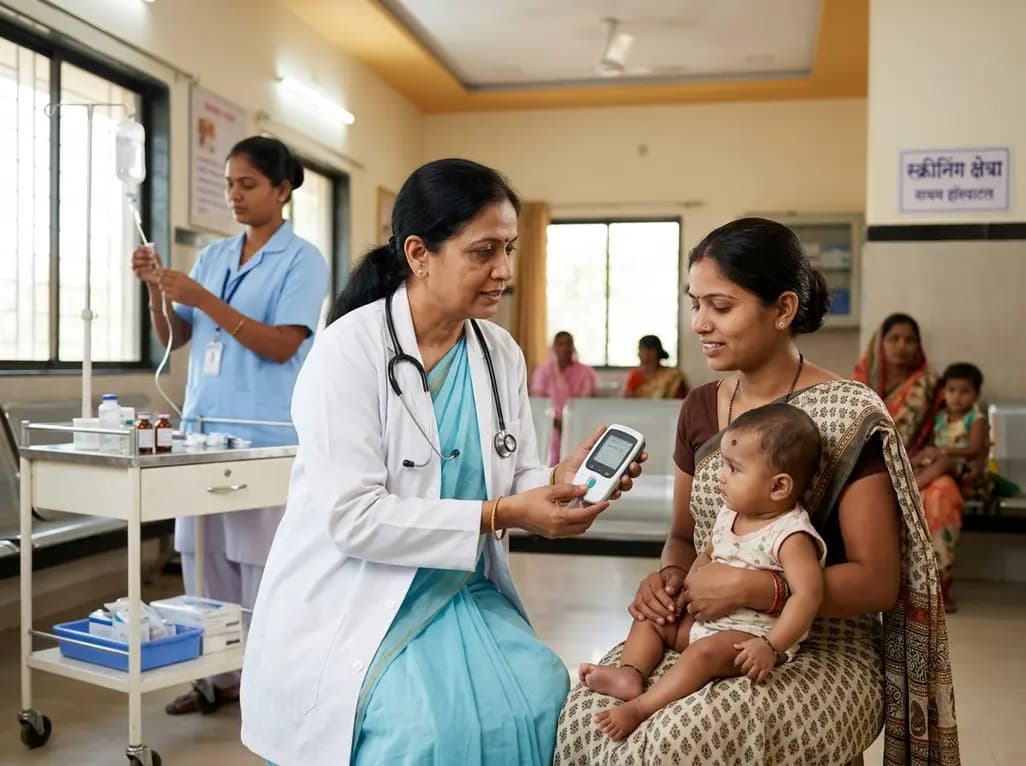
Maharashtra has launched a comprehensive initiative to halve anaemia prevalence across high-risk groups by 2030. The public health strategy integrates aggressive screening, point-of-care diagnostics, parenteral iron therapies, and targeted interventions for nutritional deficits and underlying hemoglobinopathies.
Today

A secondary analysis of the MOMS clinical trial reveals that infant sex does not influence neonatal opioid withdrawal syndrome severity in buprenorphine-exposed newborns. Maternal co-exposures and clinical factors drive outcomes, highlighting the need for objective assessment and supportive breastfeeding.
Today

India is poised to transform chronic disease management through wearable health technology. Discover how continuous remote monitoring and predictive algorithms empower clinicians to detect early cardiovascular signals, personalize metabolic interventions, and deliver equitable preventive care across populations.
Today

A systematic review and meta-analysis highlights the substantial impact of plyometric jump training on jump performance, reactive strength, and landing kinematics in female team-sport athletes, providing evidence-based programming guidelines for sports medicine and orthopedics.
Today

A comprehensive review of the role of growth hormone in diabetic kidney disease and podocytopathy. Learn how elevated GH activates ZEB2, Notch, and TGF-beta1, driving podocyte loss and glomerulosclerosis, and explore novel targeted therapeutic approaches.
Today
