

Loading, please wait...
Loading, please wait...
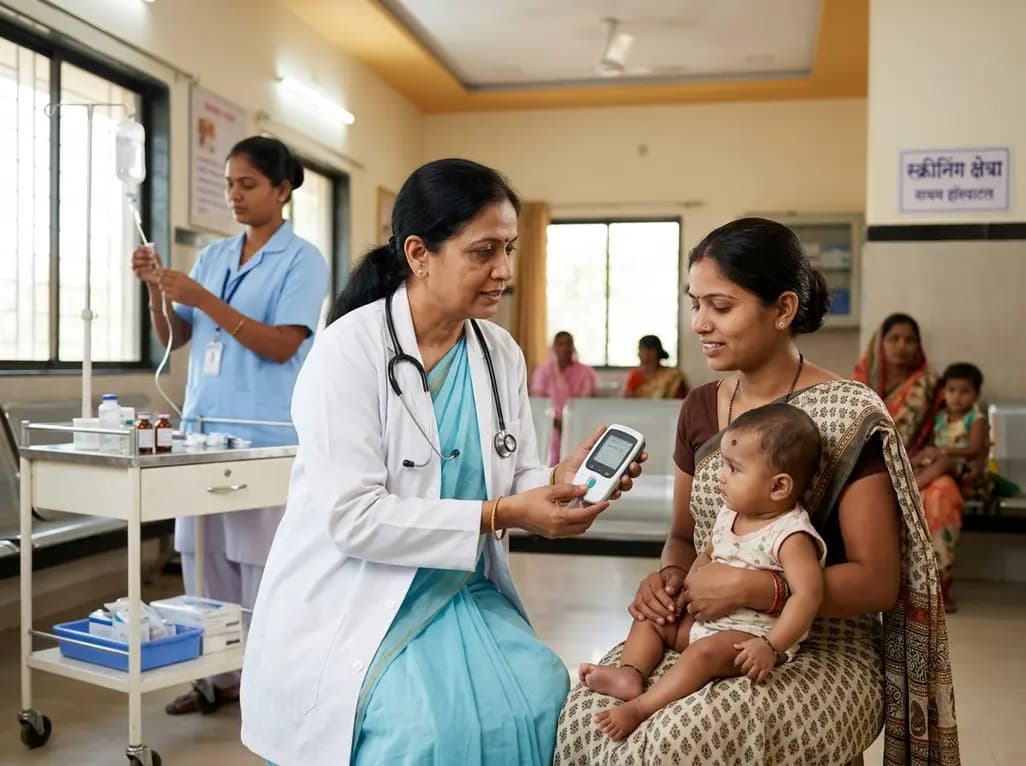
Public health authorities in Maharashtra have officially notified a landmark intervention to combat nutritional deficiencies. Specifically, the state announced the Anaemia-Free Maharashtra campaign to halve anaemia prevalence by 2030. Epidemiological data confirms that haematological deficits severely compromise adolescents and women of reproductive age. Therefore, clinicians must prepare for expanded community screening initiatives and diagnostic referrals across all districts. Consequently, understanding this state roadmap is essential.
The state public health department designed this ambitious initiative to address chronic deficiencies through early detection and sustained management. Specifically, the campaign establishes standardized clinical protocols targeting infants, children, adolescents, pregnant women, and lactating mothers across primary healthcare facilities. In addition, the health administration emphasizes robust follow-up mechanisms rather than isolated screening camps. Clinicians frequently encounter non-adherent patients who discontinue oral iron therapy due to common gastrointestinal side effects. Hence, the new government resolution prioritizes structured patient counselling and regular compliance tracking. Moreover, primary care teams will integrate culturally appropriate nutritional education into routine outpatient consultations. This multi-tiered strategy ensures that vulnerable patients receive prompt therapeutic interventions before severe haematological complications develop. Furthermore, community healthcare workers will collaborate directly with medical officers at Ayushman Arogya Mandirs to track high-risk pregnancies. As a result, clinicians can anticipate improved adherence throughout the entire therapeutic course. Consequently, the campaign bridges the historical divide between initial point-of-care screening and sustained biochemical recovery. Ultimately, this lifecycle model prevents severe maternal morbidity while supporting optimal child development. Notably, uninterrupted supplies will reach all primary health centres.
Recent clinical data from the National Family Health Survey-5 reveals alarming rates of micronutrient deficiencies across the state. Notably, 54 percent of women of reproductive age and 57 percent of adolescent girls suffer from debilitating anaemia. In addition, the epidemiological survey highlights stark regional and district-level disparities. In fact, seventeen districts currently record anaemia prevalence rates that exceed the overall state average. Tribal communities face the most severe burden, where local prevalence reaches an astounding 67 percent among surveyed populations. Consequently, physicians practicing in these high-burden districts frequently manage advanced complications, including severe fatigue, cognitive impairment, and congestive failure. Furthermore, endemic poverty, poor dietary diversity, and recurrent parasitic infestations intensify these regional health crises. Primary care practitioners must therefore exercise heightened diagnostic vigilance during every clinical encounter. Similarly, obstetricians must identify maternal anaemia early in gestation to prevent adverse fetal outcomes. Rural dispensaries will soon receive digital invasive hemoglobinometers to strengthen decentralized diagnostic capacity. Accordingly, clinicians serving rural populations can expect enhanced administrative support for aggressive case finding. Thus, targeted state interventions will equalize outcomes between urban centres and rural pockets.
Clinicians must accurately differentiate simple nutritional deficits from inherited haemoglobin abnormalities before commencing therapeutic regimens. Historically, clinicians attribute roughly half of all anaemia presentations across India to uncomplicated nutritional iron deficiency. However, concurrent micronutrient deficiencies, particularly vitamin B12 and folate depletion, remain widespread in vegetarian cohorts. In addition, chronic infections, malaria, and inflammatory bowel pathologies frequently cloud the clinical picture. Most importantly, Maharashtra carries a documented epidemiological cluster of inherited red cell disorders, such as sickle cell trait and thalassaemia. Prescribing high-dose empirical iron to patients with thalassaemia minor can precipitate catastrophic iatrogenic iron overload. Therefore, medical practitioners must confirm the underlying etiology prior to initiating intensive oral or parenteral iron replacement. Standard laboratory evaluation should include a complete blood count, red cell indices, and peripheral smear examination. Furthermore, physicians must order high-performance liquid chromatography whenever microcytic hypochromic anaemia fails to respond to oral iron. Consequently, precise diagnostic segregation prevents unnecessary drug toxicity and ensures appropriate patient counselling. Ultimately, rational diagnostic testing safeguards patients against inappropriate therapy and optimizes clinical outcomes.
The state health mission operationalizes modern clinical management through the structured T4 framework: Test, Treat, Talk, and Track. Initially, peripheral health workers perform rapid digital haemoglobin testing to detect baseline haematological deficits reliably. Subsequently, medical officers stratify patients by severity and prescribe customized therapeutic interventions. For instance, patients presenting with mild to moderate iron deficiency receive therapeutic elemental iron and folic acid tablets. Conversely, severe anaemia in the second and third trimesters of pregnancy mandates parenteral iron administration. Modern parenteral formulations like intravenous ferric carboxymaltose and iron sucrose rapidly replete stores without causing significant toxicity. Meanwhile, patient communication strategies actively promote the daily consumption of locally available, iron-dense foods. Healthcare providers also counsel patients to consume ascorbic acid to enhance non-heme iron bioavailability significantly. Most critically, digital health portals register every diagnosed case to monitor therapeutic adherence over a twelve-week period. Therefore, clinicians can identify therapeutic non-responders rapidly and refer them for specialized haematological evaluation. In this manner, the structured T4 model replaces passive drug distribution with accountable, evidence-based clinical governance.
Physicians across private and public sectors must establish proactive clinical protocols to support this state-wide health objective. First, clinicians should implement routine haemoglobin screening for all adolescent girls and pregnant patients attending outpatient clinics. Second, practitioners must assess treatment compliance during every clinical visit. Many patients discontinue oral iron prematurely due to abdominal cramping, constipation, or nausea. In response, physicians can prescribe alternate-day dosing regimens, which improve tolerability while maintaining optimal intestinal iron absorption. Third, doctors should administer routine anthelmintic therapy with albendazole every six months to eliminate parasitic blood loss. Furthermore, clinicians operating in tribal regions must screen for sickle cell disorders prior to initiating iron therapy. When patients demonstrate refractory microcytosis despite adequate iron therapy, doctors must promptly order hemoglobin electrophoresis. Additionally, strong interdisciplinary coordination between primary care physicians, obstetricians, and clinical dietitians will significantly improve maternal outcomes. Hence, adopting these standardized recommendations ensures that frontline practitioners translate state health policy into clinical reality. Ultimately, vigilant clinical management remains the true cornerstone for eradicating preventable haematological disorders across India.
Q1: How does the new campaign differ from traditional anaemia control programmes?
Traditional programmes historically relied on passive iron supplementation without structured diagnostic verification. In contrast, the current campaign implements an active management model focused on point-of-care digital testing, severity-based therapeutic protocols, and digital tracking. Furthermore, it explicitly segregates nutritional iron deficiency from inherited hemoglobinopathies. This diagnostic stratification ensures targeted clinical interventions, reduces treatment failure rates, and prevents accidental iron toxicity across Maharashtra.
Q2: Why must clinicians exercise caution before prescribing iron in tribal districts?
Tribal districts in Maharashtra exhibit a high prevalence of inherited red blood cell disorders, particularly sickle cell disease and beta-thalassaemia. Prescribing empirical iron supplementation to patients with these conditions without prior laboratory confirmation can trigger secondary hemosiderosis and organ damage. Consequently, physicians must obtain a baseline complete blood count and perform hemoglobin electrophoresis before initiating therapy. This cautious diagnostic approach guarantees patient safety while identifying non-nutritional haematological conditions accurately.
Q3: What clinical strategies improve patient compliance with oral iron therapy?
Clinicians can improve therapeutic compliance by actively educating patients regarding common, benign side effects such as dark stools. Additionally, prescribing alternate-day oral iron dosing enhances fractional intestinal absorption while significantly mitigating gastrointestinal irritation, constipation, and nausea. Recommending administration with vitamin C-rich foods and avoiding concurrent tea or dairy intake further optimizes absorption. Finally, scheduling regular four-week follow-up visits reinforces patient adherence and provides opportunities to switch to parenteral formulations if oral intolerance persists.
Disclaimer: This content is for informational and educational purposes only. It does not constitute medical advice or replace professional judgment. Refer to the latest local and national guidelines for clinical practice.
References

Read summarized clinical updates, watch expert medical content, and earn CME certifications right from your smartphone.
Open your smartphone camera to scan and install.





Maharashtra has launched a comprehensive initiative to halve anaemia prevalence across high-risk groups by 2030. The public health strategy integrates aggressive screening, point-of-care diagnostics, parenteral iron therapies, and targeted interventions for nutritional deficits and underlying hemoglobinopathies.
Today

A secondary analysis of the MOMS clinical trial reveals that infant sex does not influence neonatal opioid withdrawal syndrome severity in buprenorphine-exposed newborns. Maternal co-exposures and clinical factors drive outcomes, highlighting the need for objective assessment and supportive breastfeeding.
Today

India is poised to transform chronic disease management through wearable health technology. Discover how continuous remote monitoring and predictive algorithms empower clinicians to detect early cardiovascular signals, personalize metabolic interventions, and deliver equitable preventive care across populations.
Today

A systematic review and meta-analysis highlights the substantial impact of plyometric jump training on jump performance, reactive strength, and landing kinematics in female team-sport athletes, providing evidence-based programming guidelines for sports medicine and orthopedics.
Today

A comprehensive review of the role of growth hormone in diabetic kidney disease and podocytopathy. Learn how elevated GH activates ZEB2, Notch, and TGF-beta1, driving podocyte loss and glomerulosclerosis, and explore novel targeted therapeutic approaches.
Today
