.webp&w=384&q=75)

Loading, please wait...
Loading, please wait...

Schizophrenia-spectrum disorders present major therapeutic challenges, particularly when persistent persecutory beliefs resist conventional pharmacotherapy. Blended interventions that merge psychological frameworks with mobile health offer promising avenues for continuous clinical support. Recent clinical investigations highlight the potential of digital therapy for psychosis, which bridges outpatient consultations with real-world coping mechanisms. A pioneering feasibility study has investigated whether integrating clothing-adhered biosensors into the evidence-based SloMo platform enhances patient engagement, symptom management, and cognitive reasoning in daily life.
Cognitive behavioral therapy for psychosis serves as an established non-pharmacological treatment for persistent paranoia. However, many individuals struggle to recall and deploy cognitive restructuring techniques during acute distress. Traditional clinical consultations take place in quiet office settings, far removed from real-world environmental triggers. Consequently, patients often experience cognitive overload and heightened autonomic arousal when encountering distressing social situations. Digital health tools effectively bridge this gap by delivering therapeutic exercises straight to mobile devices.
The SloMo intervention specifically targets fast-thinking reasoning habits, such as jumping to conclusions and belief inflexibility. By visualizing internal thoughts as interactive animated bubbles, the platform trains individuals to decelerate intuitive reactions. Furthermore, mobile applications allow users to practice personalized coping habits throughout their daily routines. Nevertheless, standalone applications rely heavily on patient initiative, intrinsic motivation, and conscious recall. When acute fear escalates, individuals rarely remember to open therapeutic apps independently. Therefore, integrating passive physiological monitoring represents a vital next step in psychiatric digital therapeutics.
To address real-world application barriers, researchers integrated physiological biosensing directly into the SloMo ecosystem. The investigators implemented the human-centered Double Diamond design framework to create a practical minimum viable product. Importantly, the development team collaborated closely with ten experts by experience across three UK National Health Service mental health trusts. These participants had previously completed the original SloMo randomized trial, ensuring nuanced experiential feedback.
The co-design initiative prioritized user autonomy, data privacy, and technological unobtrusiveness. The team selected the Spire Stone biosensor, a discreet clothing-adhered device that monitors continuous respiratory patterns and stress physiology. In addition, software engineers developed an integrated digital interface linking biosensor telemetry with the SloMo mobile application. When the sensor detected prolonged thoracic respiration changes indicative of tension, the application generated discreet real-time notifications. Qualitative feedback emphasized that service users demanded complete control over alert thresholds and sensitive personal data. Consequently, the iterative design process established customizable notification schedules, ensuring that prompts supported rather than overwhelmed vulnerable patients during stressful daily moments.
Researchers conducted an eight-week feasibility trial to assess system usability, acceptance, and behavioral engagement among participants with psychosis. Overall, eighty percent of users reported that wearable notifications successfully prompted them to utilize SloMo tools and personalized coping strategies. Participants consistently appreciated the physical sensor's discreet form factor, which avoided unwanted public attention or psychiatric stigma. Furthermore, many participants noted that continuous respiratory tracking heightened their baseline somatic awareness.
However, engagement patterns diverged sharply across the study cohort, revealing crucial nuances in digital health adoption. A subgroup of participants utilized the biosensors consistently and embraced automated biofeedback as an empowering self-regulation tool. These active users reported high satisfaction ratings averaging eighty-four percent, validating the clinical viability of wearable-driven micro-interventions. In contrast, participants who interacted less frequently with the hardware experienced technical hurdles, device detachment, and notification fatigue. These disengaged individuals reported modest satisfaction scores averaging sixty-three percent. Consequently, qualitative data demonstrated that physical comfort, software reliability, and clear sensor feedback dictate whether patients sustain digital adherence.
The feasibility study evaluated changes in persecutory ideation and general well-being across the eight-week monitoring period. Notably, clinical outcomes strongly mirrored individual device engagement levels. Participants who demonstrated high engagement achieved a remarkable twenty-five percent reduction in standardized paranoia scores. These individuals successfully utilized real-time prompts to slow their thinking, unpack hostile attributions, and regulate acute respiratory distress. Thus, physiological triggers acted as dependable catalysts for adaptive cognitive reappraisal in distressing environments.
Conversely, participants with low wearable adherence exhibited an unexpected eleven percent increase in paranoia metrics. Qualitative interviews revealed that technological friction, hardware glitches, and misunderstood biometric alerts amplified baseline anxiety for these individuals. When a device vibrates unexpectedly without clear cognitive context, paranoid patients may interpret the sensation as threatening or intrusive. In addition, heightened somatic tracking without effective emotional regulation can trigger maladaptive hypervigilance. Therefore, these findings demonstrate that digital therapeutics do not exert uniform benefits across heterogeneous populations. Clinicians must recognize that digital tools require careful patient matching, continuous technical guidance, and proactive clinical supervision.
Digital health technologies offer unprecedented scalability, yet they simultaneously risk exacerbating existing health disparities among marginalized psychiatric cohorts. Patients living with severe mental illnesses frequently encounter financial poverty, limited digital literacy, and variable access to modern smartphones. Furthermore, persecutory delusions often incorporate modern electronic devices, creating unique barriers to technological acceptance. If patients suspect that digital algorithms are tracking or compromising their thoughts, therapeutic adherence rapidly deteriorates.
To bridge this divide, psychiatric interventions must incorporate comprehensive human-centered co-design from early conception. Developers must implement robust end-to-end data encryption and deliver transparent explanations regarding data storage protocols. In addition, physical hardware must offer straightforward charging mechanisms, durable attachments, and simple operational controls. Clinicians should also dedicate adequate clinic time to educate patients on interpreting physiological feedback accurately. By normalizing biometric fluctuations as ordinary somatic responses rather than alarming pathology, clinicians reduce patient apprehension. Moreover, providing offline instructional backups ensures equitable access for individuals with fluctuating internet connectivity. Ultimately, human-centered adaptations guarantee that vulnerable individuals reap therapeutic benefits without encountering digital alienation.
The integration of wearable biosensors into digital therapy represents a significant milestone in proactive psychiatric intervention. Historically, psychiatrists relied almost exclusively on retrospective patient recall during periodic outpatient appointments. However, retrospective reporting often suffers from recall bias, emotional blunting, and cognitive distortion. Wearable-assisted digital platforms provide clinicians with objective, ecological momentary data reflecting real-time physiological reactivity and cognitive stress patterns.
Consequently, psychiatrists can evaluate how patients navigate environmental stressors outside structured clinical consultations. In clinical practice, these digital platforms can serve as powerful adjunctive tools alongside conventional pharmacotherapy and standard psychotherapy. When combined with antipsychotic medications, digital biofeedback empowers patients to cultivate enduring psychological autonomy and resilience. Nevertheless, broader clinical implementation requires multi-center randomized controlled trials powered to evaluate long-term symptom remission and hospital readmission rates. Future technological iterations will likely incorporate multi-modal biosensing, combining heart rate variability, actigraphy, and speech analysis. As digital mental health matures, personalized therapeutic algorithms will deliver timely interventions, transforming reactive psychiatric models into preventative care.
Wearable biosensors continuously capture physiological parameters such as autonomic arousal and fluctuating respiration rates. When patients experience acute stress or cognitive distress, these monitors provide objective biofeedback indicators. Consequently, the paired smartphone platform prompts individuals to deploy targeted coping strategies and mindfulness tools in real time. This timely intervention effectively disrupts negative reasoning loops before paranoid convictions escalate. Therefore, wearables bridge therapeutic insights from clinic sessions directly into stressful daily situations.
SloMo specifically targets fast-thinking biases, such as jumping to conclusions and belief inflexibility, which actively maintain persecutory thoughts. By slowing down intuitive reasoning, patients learn to examine alternative explanations for ambiguous occurrences. Furthermore, digital visual aids, such as animated thought bubbles, help individuals mentally distance themselves from threatening interpretations. As patients repeatedly practice these cognitive skills during daily life, distress diminishes. Consequently, this systematic reappraisal reduces the severity and emotional burden of persistent paranoia.
Participants who struggled to adopt the wearable technology frequently experienced operational frustration, heightened vigilance, and intrusive reminders of illness. In contrast to high engagers who utilized therapeutic cues effectively, disengaged individuals may have viewed the biofeedback signals as stressful or confusing. Furthermore, heightened self-monitoring without active coping tool deployment can paradoxically exacerbate anxiety and hyperarousal. Therefore, digital health developers must prioritize individual customization, comprehensive digital literacy training, and personal autonomy to avoid unintentional clinical distress.
Disclaimer: This content is for informational and educational purposes only and should not be taken as medical advice. Always consult a healthcare professional for diagnosis and treatment. Refer to the latest local and national guidelines for clinical practice.
References

Read summarized clinical updates, watch expert medical content, and earn CME certifications right from your smartphone.
Open your smartphone camera to scan and install.





A mixed-methods feasibility study demonstrates that integrating wearable biosensors with SloMo digital therapy for psychosis improves engagement and significantly reduces paranoia in active users.
Today

Pancreatic cancer cachexia affects over 80% of patients, driving severe muscle wasting, systemic inflammation, and treatment intolerance. This review highlights key pathophysiological drivers, exocrine insufficiency, objective CT imaging, and emerging therapies like GDF-15 inhibitors to improve clinical outcomes.
Today

A scoping review reveals how pregnancy affects phonation through laryngeal edema and reduced phonation time rather than major acoustic pitch alterations. Learn how to identify, evaluate, and manage vocal symptoms in expectant mothers.
Today

According to WHO data, average lifespan reached 73.3 years in 2023, recovering from pandemic lows. However, healthy life expectancy lags at 62.8 years due to surging noncommunicable conditions like cardiovascular disease and dementia, demanding proactive primary screening and sustained chronic care.
Today
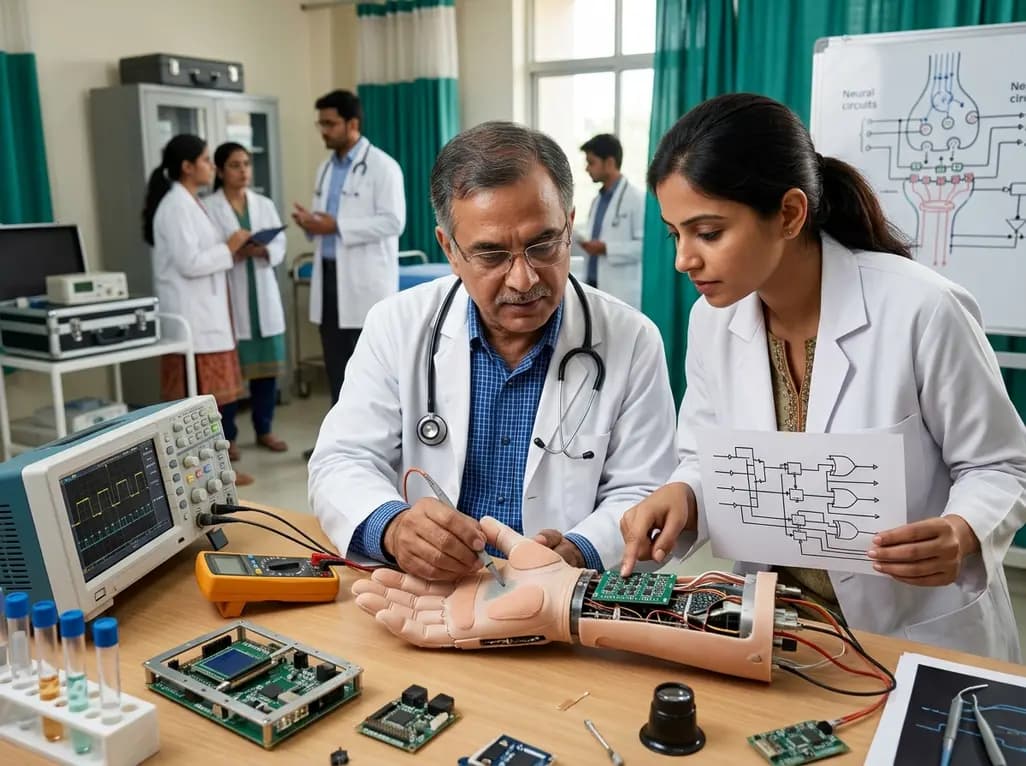
Researchers have engineered an artificial sensory-pain integrated receptor using a multi-threshold organic synaptic transistor. The system distinguishes benign touch from noxious stimuli, enabling safer, more responsive prosthetic limbs with built-in memory and simplified hardware architecture.
Today
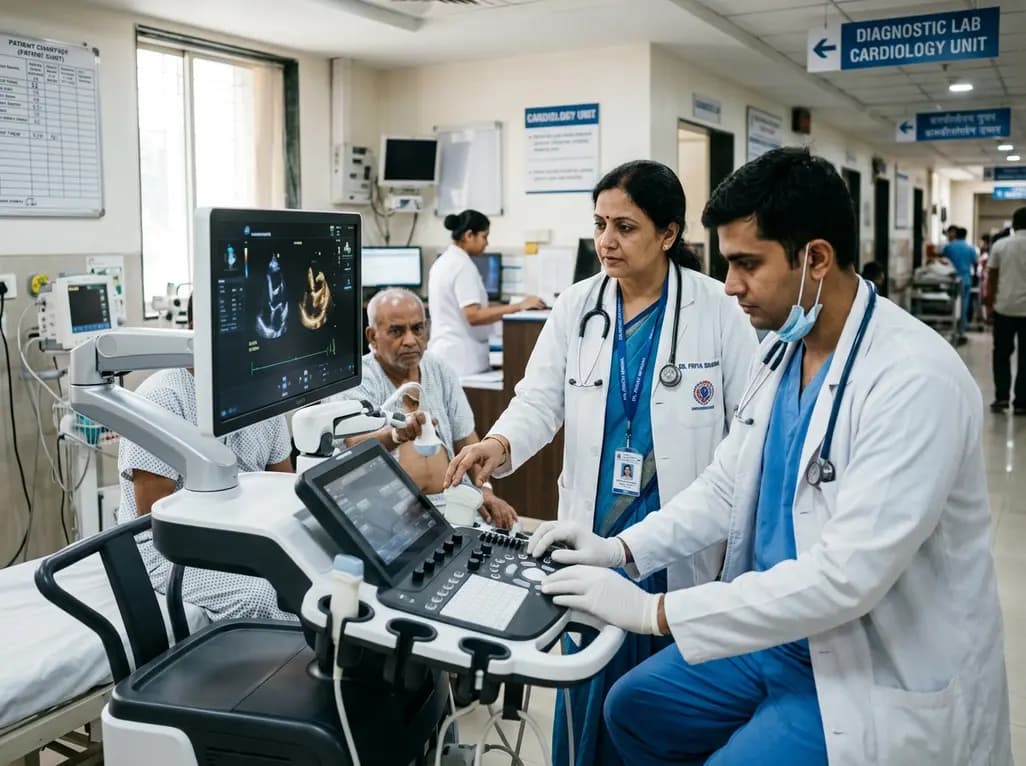
Medical robotics is transitioning beyond operative suites into diagnostics, cardiology, and endocrinology. Explore how innovations in tele-robotics, AI integration, and nanomedicine are overcoming geographical barriers and transforming precision healthcare delivery across India's evolving disease landscape.
Today
