.webp&w=384&q=75)

Loading, please wait...
Loading, please wait...

Clinicians often face significant challenges when assessing VTE risk in RA among older patients. Rheumatoid arthritis naturally increases the likelihood of vascular complications. Traditional statistical tools, such as the Cox regression model, have served as the clinical standard for decades. However, modern machine learning approaches like the Random Survival Forest (RSF) now offer improved predictive accuracy. A recent study analyzed Medicare data from 3,648 patients to compare these two methodologies effectively.
The research demonstrated that the RSF model achieved a higher C-index of 0.609. In contrast, the regularized Cox regression model scored 0.599. Although this improvement appears modest, the difference reached statistical significance with a p-value of 0.0021. Consequently, these findings suggest that non-linear machine learning models can capture complex interactions between patient variables better than linear alternatives. This is particularly useful when managing the VTE risk in RA after initiating biological or targeted synthetic DMARDs.
Accurately identifying VTE risk in RA requires a thorough evaluation of specific clinical markers. According to the study, the most influential predictors include:
Moreover, researchers believe that integrating laboratory data and lifestyle factors could further enhance these predictive models. Therefore, clinicians should monitor high-utilization patients closely when starting new targeted therapies.
Machine learning models like Random Survival Forest identify non-linear relationships and complex interactions between variables. This capability typically results in higher predictive accuracy than traditional linear regression models.
Key risk factors include a history of varicose veins, high healthcare utilization (such as frequent hospital or ER visits), and a significant burden of comorbidities.
Disclaimer: This content is for informational and educational purposes only. It does not constitute medical advice or a substitute for professional healthcare. Consult a qualified medical professional for diagnosis and treatment. Refer to the latest local and national guidelines for clinical practice.
References
Huang Y et al. Predicting the risk of venous thromboembolism events in older adults with rheumatoid arthritis after initiating targeted disease-modifying antirheumatic drugs: a comparison of the random survival forest and regularized cox regression models. Curr Med Res Opin. 2026 May 06. doi: 10.1080/03007995.2026.2666445. PMID: 42090183.
Chung WS, Peng CL, Lin CL, et al. Rheumatoid arthritis and risk of venous thromboembolism: a population-based retrospective cohort study. Ann Rheum Dis. 2014;73(4):734-738.
Oudart F, et al. Risk factors associated with venous thromboembolism in rheumatoid arthritis in clinical practice. Clin Exp Rheumatol. 2025.

Read summarized clinical updates, watch expert medical content, and earn CME certifications right from your smartphone.
Open your smartphone camera to scan and install.





A new study shows that Random Survival Forest models predict VTE risk in older RA patients more accurately than traditional Cox regression models....
5 months ago
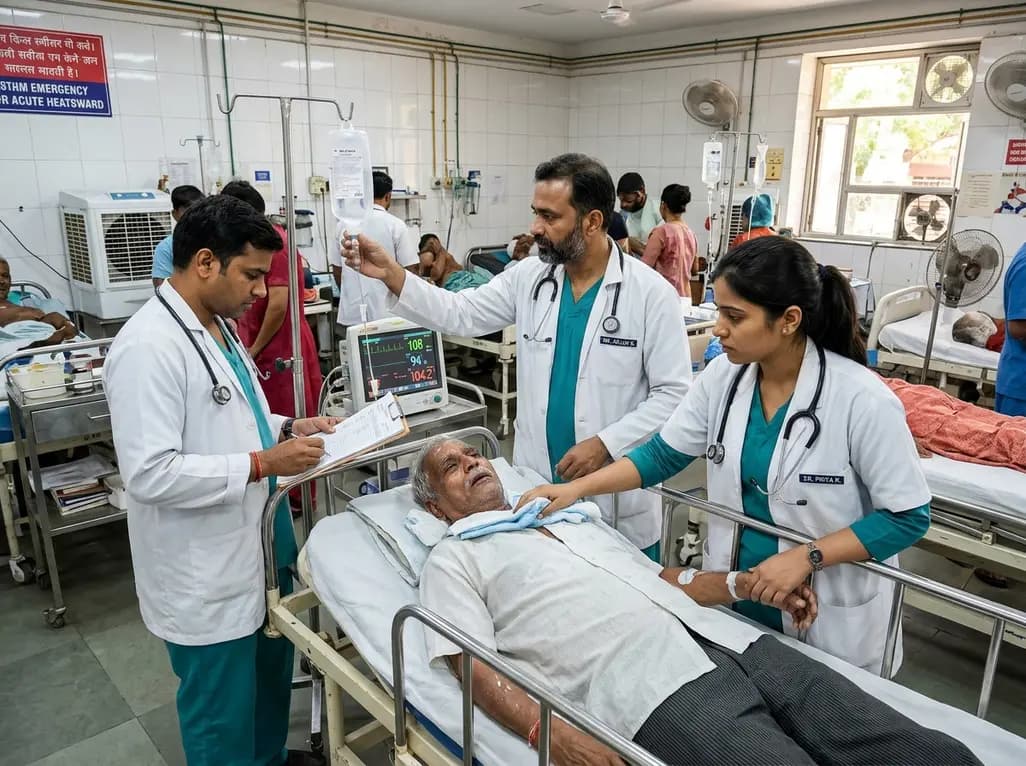
Recent epidemiological data reveals a dramatic surge in summer heat mortality driven by human-induced climate warming. This analysis explores the pathophysiological impacts on cardiac and renal systems, diagnostic dilemmas in death certification, and essential emergency cooling protocols for acute clinical care.
Today

Odisha has established India's first state-level clinical protocol specifically tailored for pregnant women with sickle cell disease. Developed with NHM and UNICEF, the framework provides structured antenatal screening, crisis mitigation, standardized referral pathways, and specialized interdisciplinary care.
Today

India is advancing preventive healthcare by integrating genomics, artificial intelligence, and quantum technologies. With the SANGAM programme sequencing one million Indian genomes, clinicians can unlock personalized therapies, detect cardiometabolic risks early, and curb the burden of diabetes and heart disease.
Today
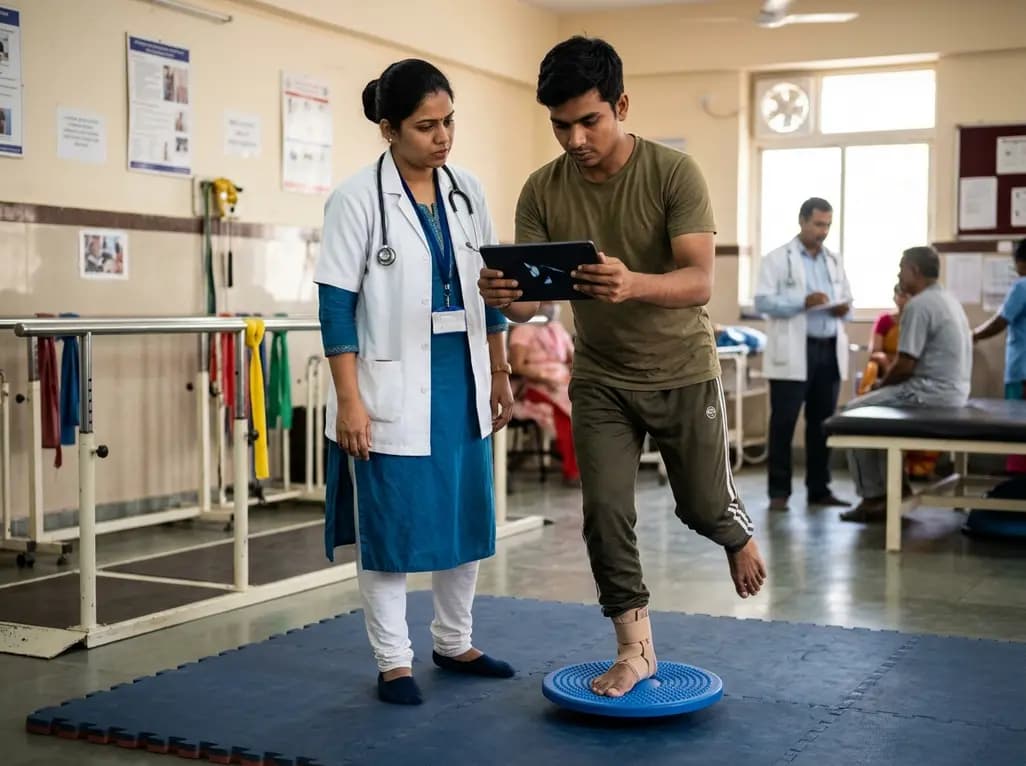
A randomized controlled trial demonstrates that an eight-week dual-task training intervention significantly improves static and dynamic postural control over standard balance exercises in individuals with chronic ankle instability, addressing critical neurocognitive deficits during athletic and daily activities.
Today

A retrospective cohort study of 7,716 ICU patients from the MIMIC-IV database demonstrates that Gradient Boosting Decision Trees significantly outperform traditional SOFA scores in predicting in-hospital mortality among patients with sepsis and diabetes, with SHAP analysis providing clinical interpretability.
Today
