.webp&w=384&q=75)

Loading, please wait...
Loading, please wait...
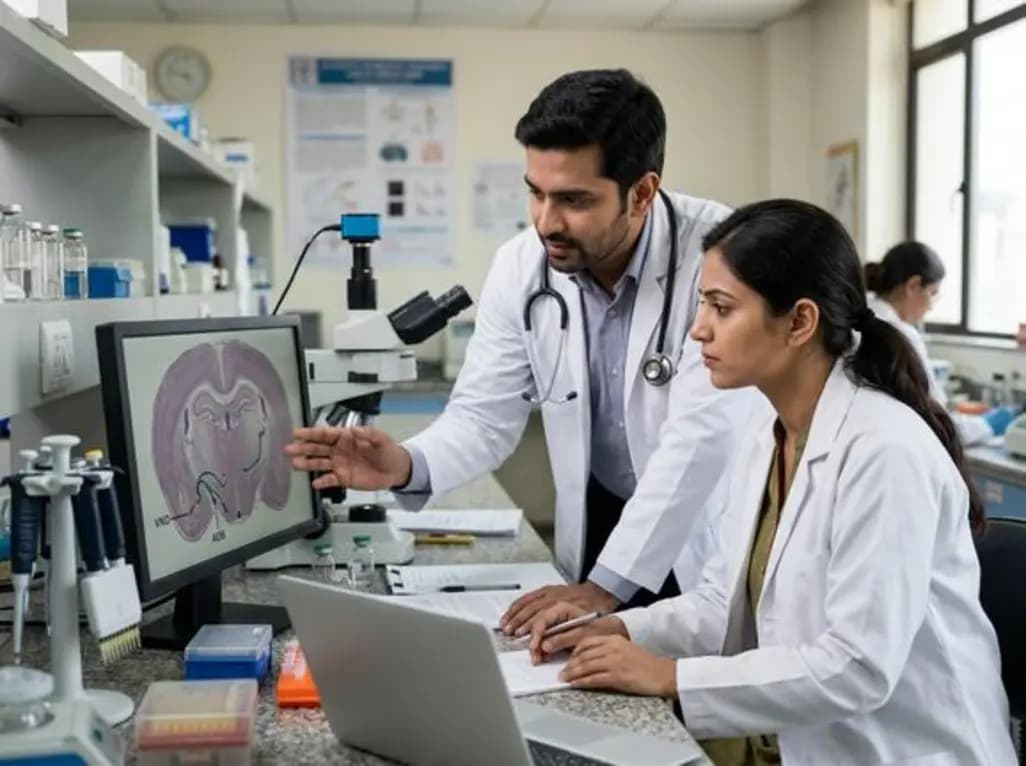
Vomeronasal sensory input serves as a fundamental mechanism for chemical communication in many vertebrates. Animals utilize pheromones to regulate complex social and reproductive behaviors. Specifically, the vomeronasal organ (VNO) acts as the primary detector for these semiochemical molecules. This specialized sensory system identifies various compounds, including pheromones and allelochemicals. Furthermore, it transmits critical information to higher brain centers. Consequently, these signals influence both physiological states and specific behavioral outputs.
The processing of vomeronasal sensory input begins when sensory neurons in the VNO detect specific ligands. These neurons transmit signals through the accessory olfactory bulb to crucial brain regions. For instance, the information reaches the amygdala and various hypothalamic nuclei. These areas are vital for governing instinctive responses. Moreover, recent research has successfully identified numerous pheromonal molecules. However, ligands for many vomeronasal receptors remain unknown. Researchers currently utilize genetically engineered mice to bridge these knowledge gaps. Therefore, these studies provide a clearer picture of how chemical signals translate into actions.
Insights from mouse models offer a comprehensive framework for understanding mammalian behavior. Although studies focus on mice, the principles of neural circuit integration are broadly applicable. Specifically, the relationship between sensory detection and hypothalamic regulation is a key area of interest. Additionally, scientists are exploring how these circuits influence maternal care and aggression. This understanding helps clinicians and researchers appreciate the biological basis of social interaction. Ultimately, further exploration will reveal the intricate balance between environmental chemical cues and brain function.
The vomeronasal organ primarily detects non-volatile pheromones through a distinct pathway involving the accessory olfactory bulb. In contrast, the main olfactory system typically processes volatile odors through the main olfactory bulb.
The hypothalamus receives signals derived from vomeronasal detection to regulate endocrine responses and reproductive behaviors. It acts as a major integration center for translating chemical cues into physiological changes.
Disclaimer: This content is for informational and educational purposes only and does not constitute medical advice. It is not intended to be a substitute for professional medical judgment, diagnosis, or treatment. Refer to the latest local and national guidelines for clinical practice.
References
Kondo H et al. Vomeronasal sensory input and its social behavioral output. Chem Senses. 2026 Jun 20. doi: undefined. PMID: 42322190.
Dulac C, Torello AT. Molecular detection of pheromones in mammals. Chem Senses. 2003;28(6):511-515.
Stowers L, Liberles SD. State-dependent mapping of olfactory sensory neurons. Current Opinion in Neurobiology. 2016;38:114-122.

Read summarized clinical updates, watch expert medical content, and earn CME certifications right from your smartphone.
Open your smartphone camera to scan and install.





A review of how the vomeronasal organ detects pheromones and translates them into social behaviors via the accessory olfactory bulb and brain circuits, primarily based on mouse model research.
4 months ago

A nationwide observational study from Norway investigates whether SGLT2 inhibitor therapy improves 5-year metabolic parameters in kidney transplant recipients with post-transplantation diabetes mellitus (PTDM), finding comparable glycemic, renal, and blood pressure profiles between user and non-user cohorts.
Today

A study in JAMIA Open shows lightweight open-source reasoning LLMs achieve up to 95% sensitivity and accelerate evidence synthesis screening by nearly twentyfold, presenting a cost-effective, scalable AI solution for biomedical research and systematic reviews.
Yesterday
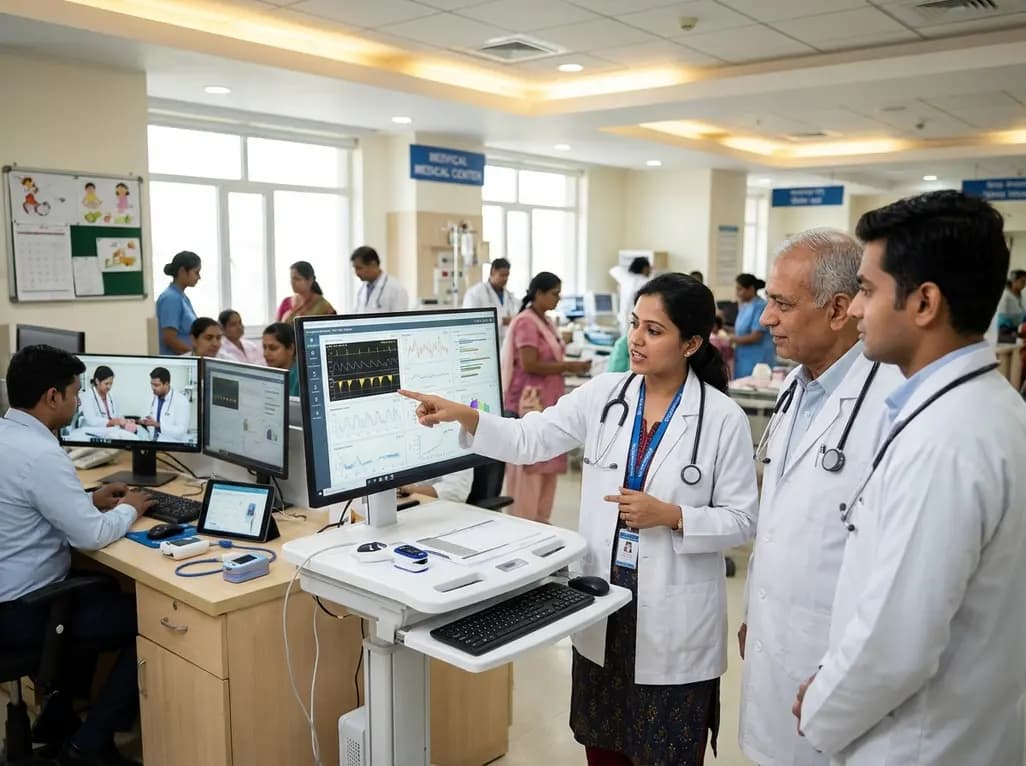
A landmark study details how an enterprise pediatric remote patient management model expanded from a single cardiology pilot to 16 diverse specialty programs by combining centralized digital operations with specialty clinical leadership.
Yesterday
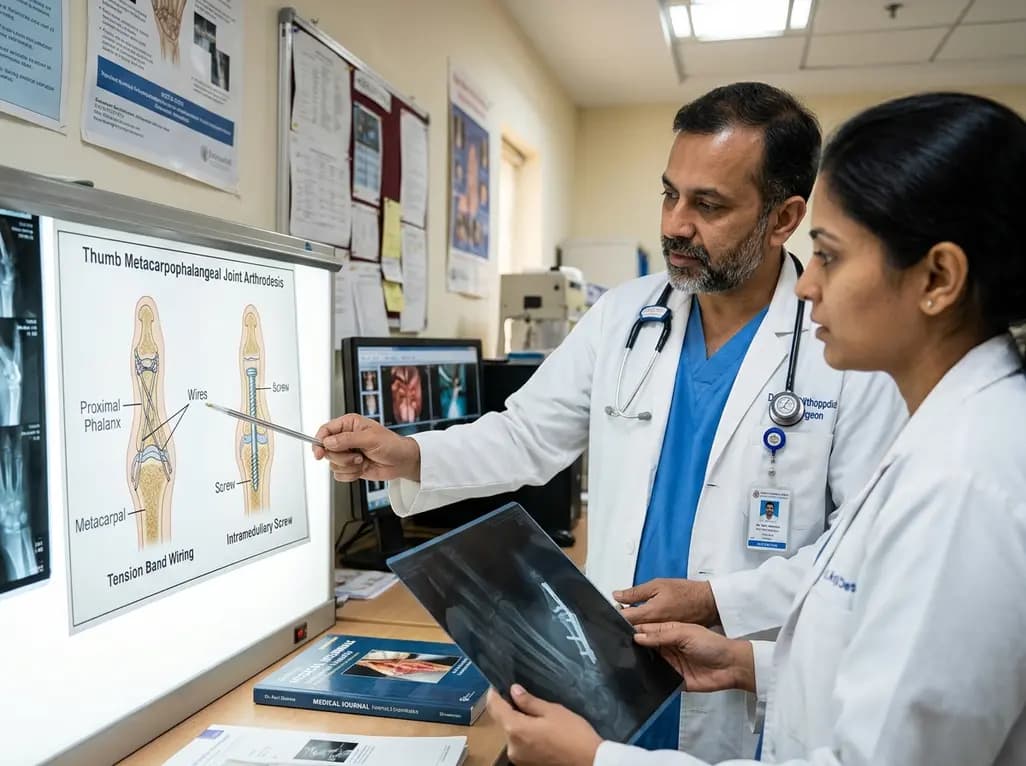
A comparative review of tension band wiring and intramedullary screw fixation in thumb metacarpophalangeal arthrodesis, evaluating union rates, hardware complications, and clinical outcomes.
Yesterday

An observational study from the NIH All of Us Research Program reveals that adding a multi-ancestry polygenic risk score to machine learning models provides only modest improvements in predicting adult weight gain, underscoring the enduring significance of routine clinical and lifestyle factors.
Today
