.webp&w=384&q=75)

Loading, please wait...
Loading, please wait...

Recent clinical findings suggest that voluntary step execution speed is a significant predictor of survival among older adults. Consequently, medical professionals in India and globally are looking closer at motor performance indicators to assess longevity. This research specifically analyzed balance parameters and stepping performance to determine their association with mortality risk. By evaluating how quickly a person can initiate a step, clinicians may gain a clearer picture of their patient's overall health trajectory.
The study found that slower step initiation time correlates strongly with higher mortality risk. For instance, for every 0.100-second increase in initiation time, the survival hazard rate ratios decreased by approximately 28%. Moreover, the predictive ability of these assessments significantly improves when conducted under dual-task conditions. These conditions require the patient to perform a cognitive task while stepping, which effectively captures both physical and cognitive functional integrity.
Furthermore, traditional postural sway parameters also demonstrate predictive ability regarding mortality. However, the study highlights that voluntary step execution speed parameters remain more effective for accurate survival assessment. Among specific measures, higher Critical Displacement in Stabilogram Diffusion Analysis tended to show an association with lower survival rates in the elderly population. Therefore, incorporating these specific tests into routine geriatric evaluations could lead to better survival prediction and more tailored patient care.
In conclusion, these findings emphasize the importance of integrated cognitive-motor assessments in clinical practice. Healthcare providers should consider using voluntary stepping tests under dual-task conditions to identify high-risk individuals. Additionally, early interventions that target both cognitive and motor health may be vital for improving survival outcomes. Future longitudinal studies should continue to explore whether specific balance rehabilitation training can effectively enhance survival rates among older adults.
Dual-task assessments capture both physical and cognitive functions simultaneously. This provides a more integrated view of an older adult's health and survival probability compared to single-task motor tests.
Research indicates that slower step initiation is linked to higher mortality. Specifically, a 0.1-second increase in initiation time is associated with a 28% decrease in survival hazard rate ratios.
While the study establishes a predictive link, future research is needed to confirm if cognitive-motor training for balance rehabilitation can directly improve survival rates in seniors.
Disclaimer: This content is for informational and educational purposes only. It is not intended to provide medical advice or to take the place of such advice or treatment from a personal physician. All readers/viewers of this content are advised to consult their doctors or qualified health professionals regarding specific health questions. Refer to the latest local and national guidelines for clinical practice.
References
Melzer I et al. Speed of Voluntary Step Execution May Predict Survival Among Older Adults - An Explorative Study. Gerontology. 2026 Feb 26. doi: 10.1159/000551264. PMID: 41746859.
Montero-Odasso M, et al. Gait and Cognition: A Complementary Approach to Predicting Decline. JAMA Neurology. 2017.
Studenski S, et al. Gait Speed and Survival in Older Adults. JAMA. 2011.

Read summarized clinical updates, watch expert medical content, and earn CME certifications right from your smartphone.
Open your smartphone camera to scan and install.





Voluntary step execution speed, especially during dual-tasking, is a powerful predictor of survival and cognitive-motor health in older adults....
7 months ago
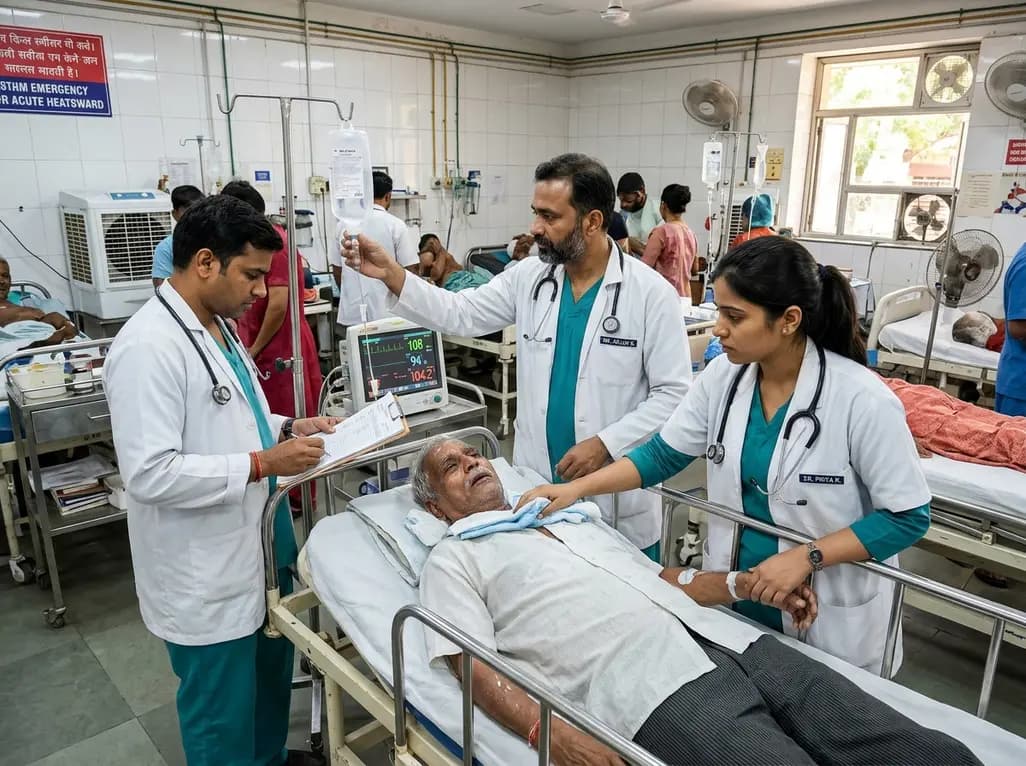
Recent epidemiological data reveals a dramatic surge in summer heat mortality driven by human-induced climate warming. This analysis explores the pathophysiological impacts on cardiac and renal systems, diagnostic dilemmas in death certification, and essential emergency cooling protocols for acute clinical care.
Today
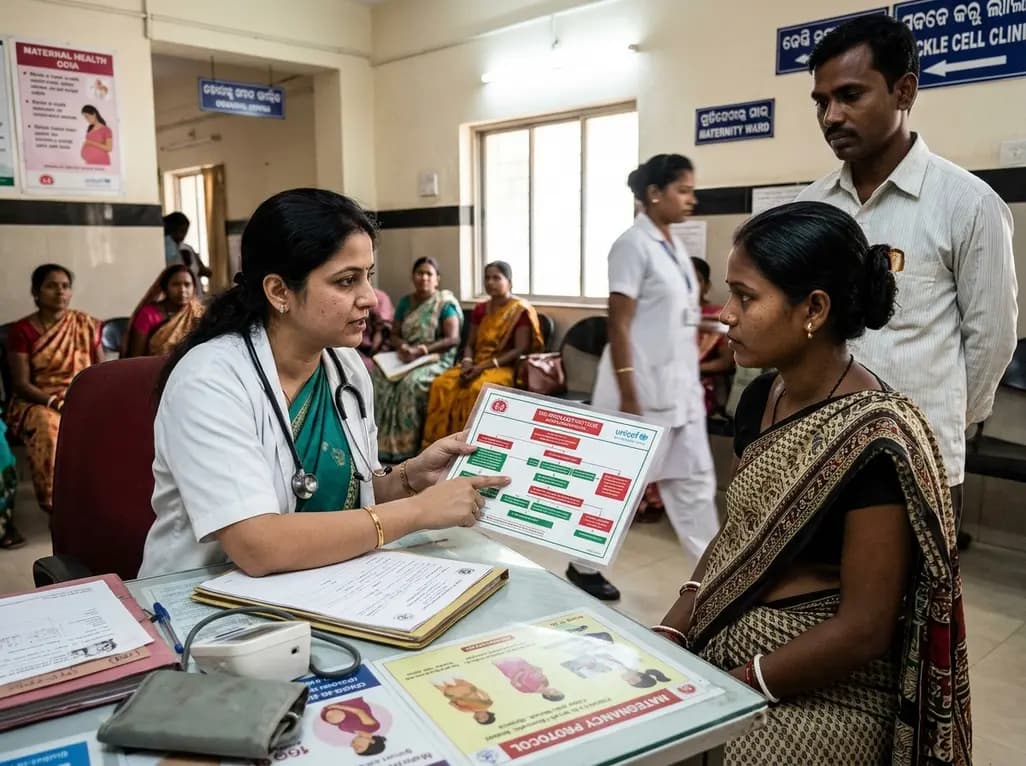
Odisha has established India's first state-level clinical protocol specifically tailored for pregnant women with sickle cell disease. Developed with NHM and UNICEF, the framework provides structured antenatal screening, crisis mitigation, standardized referral pathways, and specialized interdisciplinary care.
Today

India is advancing preventive healthcare by integrating genomics, artificial intelligence, and quantum technologies. With the SANGAM programme sequencing one million Indian genomes, clinicians can unlock personalized therapies, detect cardiometabolic risks early, and curb the burden of diabetes and heart disease.
Today
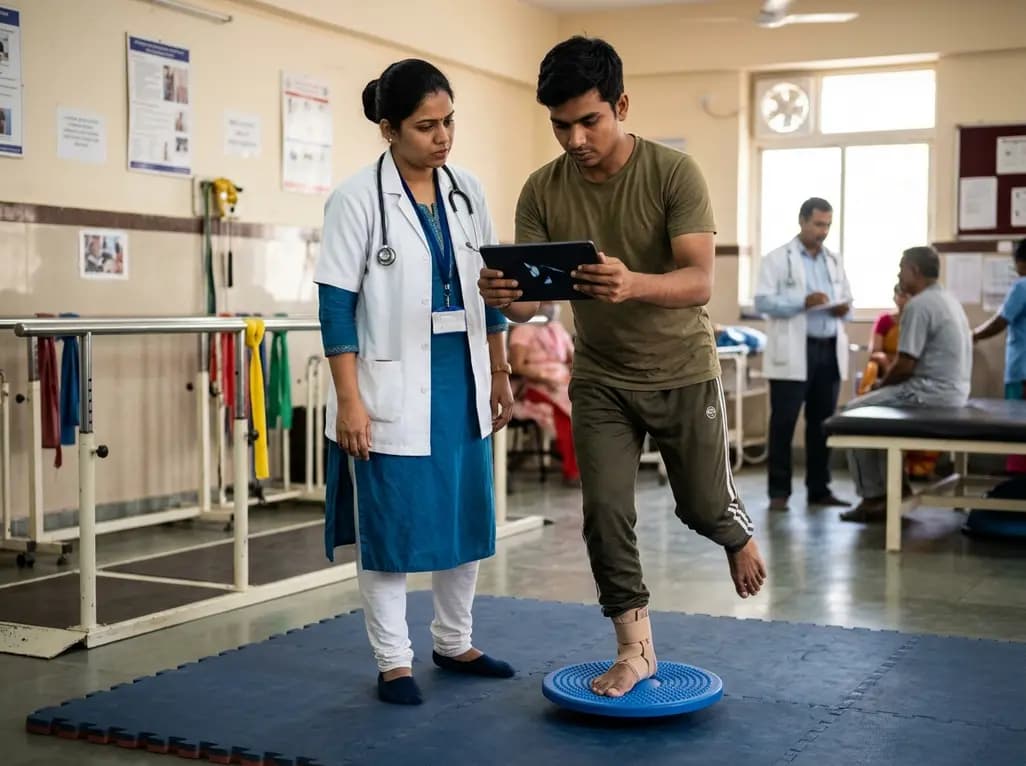
A randomized controlled trial demonstrates that an eight-week dual-task training intervention significantly improves static and dynamic postural control over standard balance exercises in individuals with chronic ankle instability, addressing critical neurocognitive deficits during athletic and daily activities.
Today

A retrospective cohort study of 7,716 ICU patients from the MIMIC-IV database demonstrates that Gradient Boosting Decision Trees significantly outperform traditional SOFA scores in predicting in-hospital mortality among patients with sepsis and diabetes, with SHAP analysis providing clinical interpretability.
Today
