.webp&w=384&q=75)

Loading, please wait...
Loading, please wait...
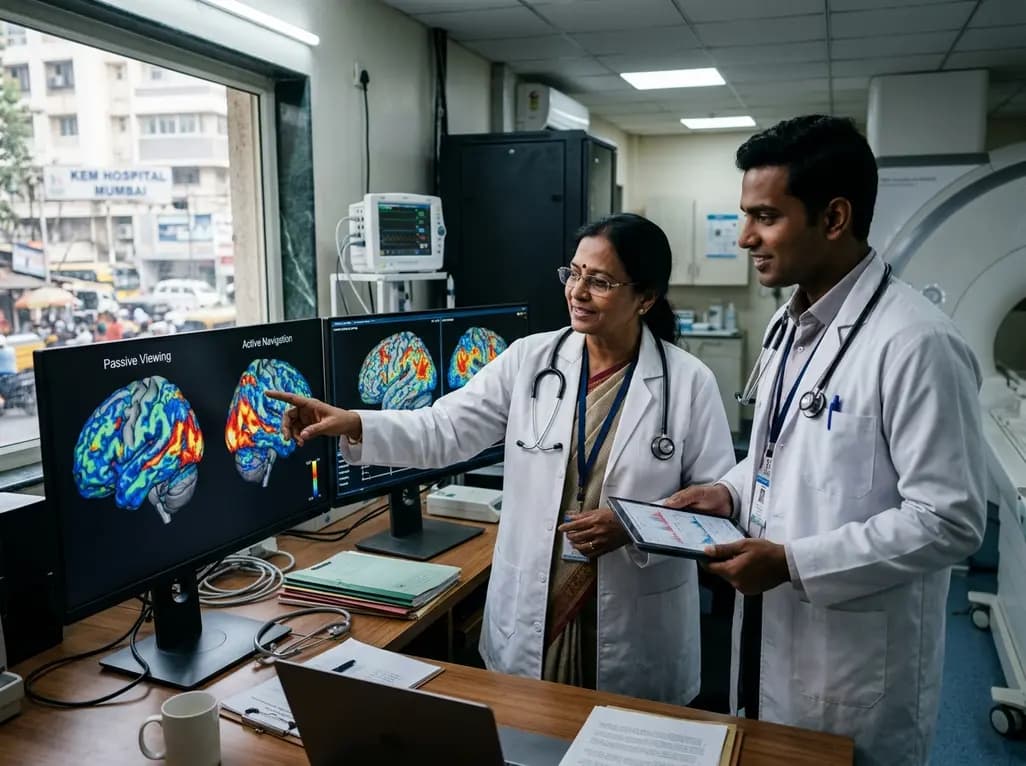
The human brain possesses an extraordinary capacity to navigate complex environments and process vast streams of sensory data. Recent neuroimaging research highlights that visual semantic tuning across the cerebral cortex dynamically reorganizes when individuals switch between different behavioral goals. Rather than maintaining a static sensory representation, the neocortex shifts its receptive fields and tuning profiles to prioritize behaviorally relevant objects. For clinicians and neuroscientists, understanding these dynamic cortical transformations provides fundamental insights into cognitive flexibility, attentional mechanisms, and functional neuroanatomy. As functional magnetic resonance imaging (fMRI) techniques advance, researchers can now observe how distinct neural populations reconfigure their functional properties in naturalistic settings. This dynamic flexibility ensures that critical environmental stimuli receive immediate cognitive priority during demanding motor and sensory tasks.
To investigate how cognitive demands alter sensory processing, investigators utilized advanced voxelwise encoding models during naturalistic fMRI paradigms. Participants engaged in two distinct behavioral conditions: passive movie-watching and active virtual navigation. During active navigation, the computational models demonstrated that visual semantic tuning across the cortex shifted substantially toward goal-oriented categories. For instance, cortical representations of motor vehicles, roadways, and traffic signs expanded markedly during driving compared to passive viewing. This selective expansion indicates that top-down attention actively warps neural tuning profiles across extensive cortical territories. Moreover, these tuning modifications were not uniformly distributed across the entire brain. Instead, the shifts localized within specialized functional networks, including place-selective areas, frontoparietal attention circuits, and visual pathways. Conversely, representations of social and human-selective stimuli decreased during navigation, demonstrating an efficient reallocation of finite metabolic and computational resources. Consequently, the brain dynamically tailors its visual processing architecture to meet immediate environmental challenges without altering baseline structural connectivity.
Voxelwise encoding models represent a major methodological milestone in modern cognitive neuroimaging and functional brain mapping. Traditional fMRI studies often employ isolated, artificial stimuli with restricted task parameters. However, naturalistic experiments capture the true complexity of continuous sensory input and goal-directed behavior. By assigning explicit semantic feature spaces to naturalistic video frames and active driving scenes, researchers can quantify the tuning curve of individual cortical voxels. Banded ridge regression models determine how strongly each voxel responds to thousands of distinct conceptual categories. In addition, principal component analysis allows neuroscientists to identify the primary dimensions along which cortical tuning shifts across varying task states. Therefore, voxelwise modeling demonstrates that single cortical voxels do not function as static sensory detectors. Instead, each voxel participates in dynamic, distributed representational spaces that modulate based on cognitive intent. This computational framework offers clinicians a powerful tool for decoding complex mental states and evaluating functional network integrity in diverse neurological conditions.
The observed shifts in visual representation engage distinct functional networks across the cerebral cortex. During navigation tasks, significant tuning shifts occur within the retrosplenial complex, occipital place area, and parahippocampal place area. Furthermore, frontal eye fields and intraparietal sulci exhibit heightened responsiveness to navigational cues, facilitating rapid spatial orientation and motor planning. In contrast, regions such as the fusiform face area and extrastriate body area show reduced representation for task-irrelevant categories. This selective modulation suggests that attentional mechanisms operate via coordinated push-pull dynamics across neocortical systems. By suppressing extraneous visual inputs and enhancing task-critical stimuli, the brain optimizes behavioral accuracy and reduces cognitive latency. Additionally, these findings confirm that high-level visual and associative cortices maintain continuous functional flexibility. As behavioral contexts change, cortical networks reweight their informational priorities dynamically. Consequently, this dynamic functional segregation prevents cognitive overload and maintains peak executive performance during complex real-world actions.
Understanding adaptive cortical tuning carries substantial implications for clinical neurology, cognitive rehabilitation, and diagnostic neuroimaging. Patients suffering from stroke, traumatic brain injury, or neurodegenerative disorders often exhibit profound deficits in attentional switching and executive control. When cortical tuning mechanisms fail to reorganize properly, individuals experience severe cognitive fatigue, spatial disorientation, and visual distractibility. For example, individuals with unilateral spatial neglect or Parkinsonian cognitive impairment may lose the ability to shift neural tuning toward relevant environmental targets. Therefore, assessing dynamic visual semantic tuning could provide objective neuroimaging biomarkers for tracking cognitive recovery and therapeutic response. Furthermore, understanding how functional networks adapt under naturalistic conditions can guide targeted neurorehabilitation protocols. Clinicians can design customized visual search exercises and virtual reality navigation tasks to retrain adaptive attentional networks. Additionally, these insights will enhance brain-computer interface algorithms by accounting for task-dependent shifts in cortical signals during active user engagement.
The discovery that task context reshapes cortical representations also informs surgical neuro-oncology and preoperative functional mapping. Presurgical fMRI traditionally relies on passive sensory paradigms or rigid block designs to map eloquent cortex. However, if cortical tuning shifts dramatically based on behavioral engagement, standard protocols may underestimate or mischaracterize the dynamic boundaries of essential functional areas. Incorporating naturalistic tasks and voxelwise modeling into presurgical evaluations could enable neurosurgeons to preserve critical associative networks more effectively. Moreover, emerging neural prostheses and neuroadaptive technologies can leverage these principles to improve device responsiveness. If a decoding algorithm accounts for task-induced tuning shifts, it can interpret user intention with significantly higher fidelity across changing environments. In addition, future neuropharmacological trials targeting neuromodulators such as acetylcholine and dopamine can evaluate whether pharmacological interventions restore flexible tuning in impaired neural circuits. Ultimately, bridging computational neuroscience with clinical medicine opens new horizons for restorative neurology.
Future research must explore how task-dependent tuning shifts operate across diverse demographic populations and pathological states. While current fMRI paradigms provide high spatial resolution, combining voxelwise modeling with magnetoencephalography or intracranial electrophysiology will elucidate the precise temporal dynamics of these neural transitions. Researchers must determine how rapidly cortical tuning reorganizes when a subject switches between sudden, unanticipated behavioral tasks. Furthermore, investigating the influence of aging, chronic stress, and sleep deprivation on cortical representational flexibility will provide valuable physiological insights. Longitudinal studies in clinical cohorts will also clarify whether early deficits in visual tuning shifts predict progressive cognitive decline in conditions like Alzheimer's disease. As computational resources expand, whole-brain voxelwise models will become increasingly accessible for routine clinical diagnostics and personalized neurotherapeutics. Continued interdisciplinary collaboration between neurologists, radiologists, and computational neuroscientists will undoubtedly unlock deeper understandings of the adaptable human brain.
Visual semantic tuning dynamically reorganizes depending on behavioral demands. During passive viewing, cortical representations remain broadly distributed across various general categories. In contrast, active tasks like navigation prompt the cortex to expand representations of task-critical objects, such as vehicles and signs, while suppressing irrelevant stimuli. This dynamic shift optimizes cognitive processing by selectively prioritizing information necessary for immediate behavioral execution and decision-making.
Voxelwise encoding models allow neuroscientists to map high-dimensional feature spaces across thousands of individual brain voxels during continuous naturalistic tasks. Unlike traditional block-design fMRI, these computational models evaluate how each voxel responds to complex semantic categories. Consequently, researchers can accurately measure subtle, widespread tuning shifts across cortical networks without relying on simplified, artificial laboratory stimuli that fail to mimic real-world cognition.
Cortical tuning shifts reflect the brain's capacity for dynamic functional plasticity and attentional regulation. In neurological conditions like traumatic brain injury, stroke, or neurodegenerative dementia, patients often lose this adaptive tuning flexibility, leading to severe cognitive fatigue and distractibility. Quantifying these tuning shifts provides objective diagnostic biomarkers and aids in developing targeted virtual-reality neurorehabilitation protocols to restore executive function.
Disclaimer: This content is for informational and educational purposes only and does not constitute medical advice, diagnosis, or treatment recommendations. Healthcare professionals should exercise independent clinical judgment when interpreting neuroimaging data or designing rehabilitation protocols. Refer to the latest local and national guidelines for clinical practice.
References
Zhang T et al. Visual-semantic tuning across the cortex shifts between tasks. eNeuro. 2026 Aug 25. doi: undefined. PMID: 42642327.
Çukur T, Nishimoto S, Huth AG, Gallant JL. Attention during natural vision warps semantic representation across the human brain. Nat Neurosci. 2013;16(6):763-770.
Huth AG, Nishimoto S, Vu AT, Gallant JL. A continuous semantic space describes the representation of thousands of object and action categories across the human brain. Neuron. 2012;76(6):1210-1224.

Read summarized clinical updates, watch expert medical content, and earn CME certifications right from your smartphone.
Open your smartphone camera to scan and install.





A neuroimaging study demonstrates that visual semantic tuning across the cerebral cortex dynamically reconfigures between passive movie watching and active navigation. These attentional shifts optimize functional neural networks for task-relevant information, providing vital insights into human cognitive flexibility.
last month
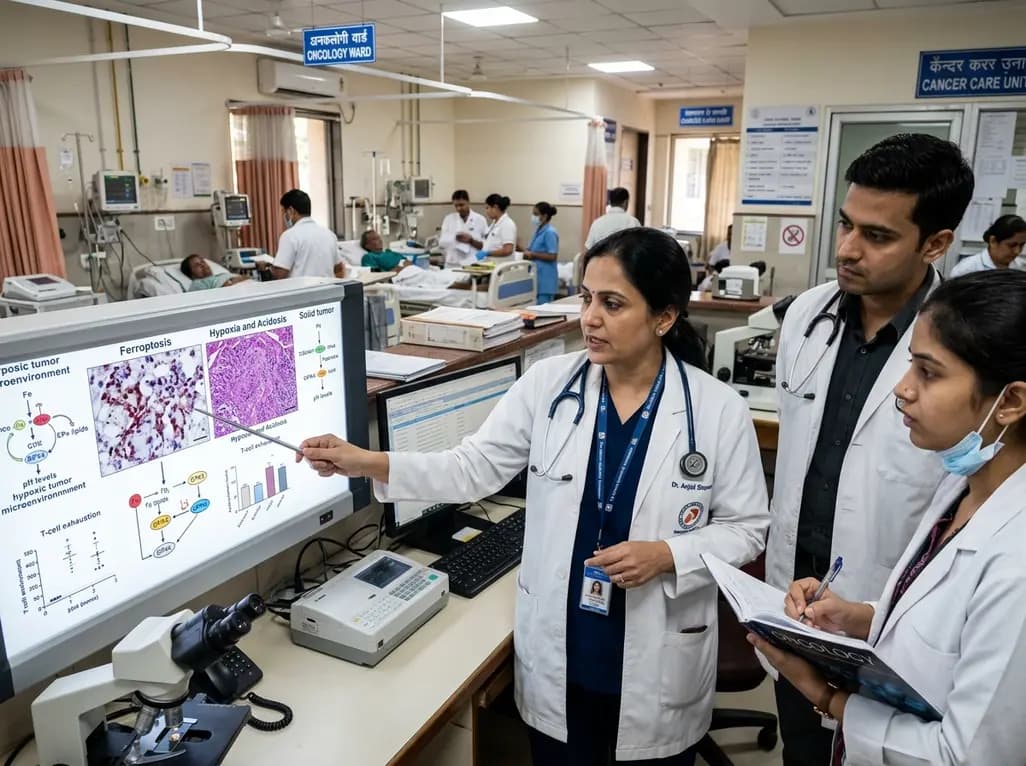
Targeting ferroptosis provides a compelling strategy to dismantle hypoxia- and acidosis-driven immunosuppression in solid tumors, enhancing response to modern immunotherapy.
Today

Findings from Project Viva indicate that sustained postpartum weight retention, rather than excessive gestational weight gain alone, directly worsens women's mid-life cardiovascular health, degrading blood pressure and glycemic parameters decades after delivery.
Today
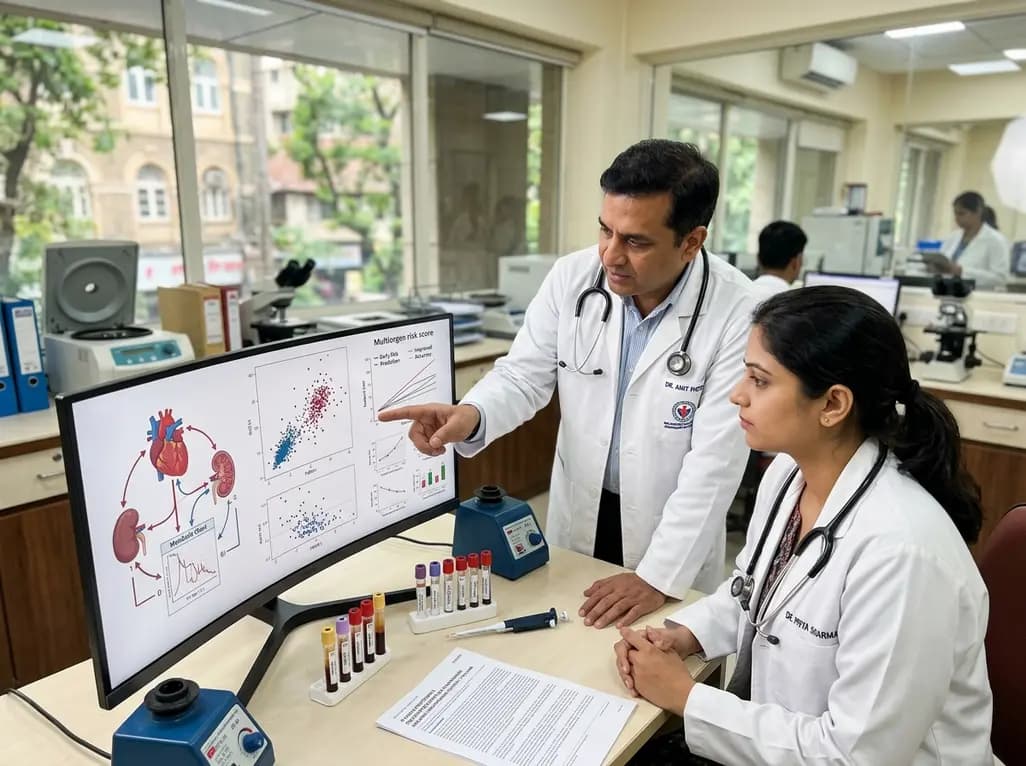
A large UK Biobank study reveals that plasma proteomic signatures capture preclinical organ damage and improve multiorgan risk prediction across early CKM syndrome stages 0 to 2 beyond traditional PREVENT clinical models.
Today

A retrospective CBCT study reveals that superior TMJ space asymmetry correlates moderately with occipital condyle-atlas-axis asymmetry in unilateral TMJ osteoarthritis, highlighting an imaging correlate between jaw biomechanics and upper cervical alignment rather than a standalone diagnostic marker.
Today

A Bayesian multilevel meta-analysis reveals that aerobic training combined with moderate carbohydrate restriction modestly lowers HbA1c in type 2 diabetes. However, sparse data and very low certainty leave incremental benefits over exercise or diet alone unproven, highlighting the need for individualized care.
Today
