

Loading, please wait...
Loading, please wait...
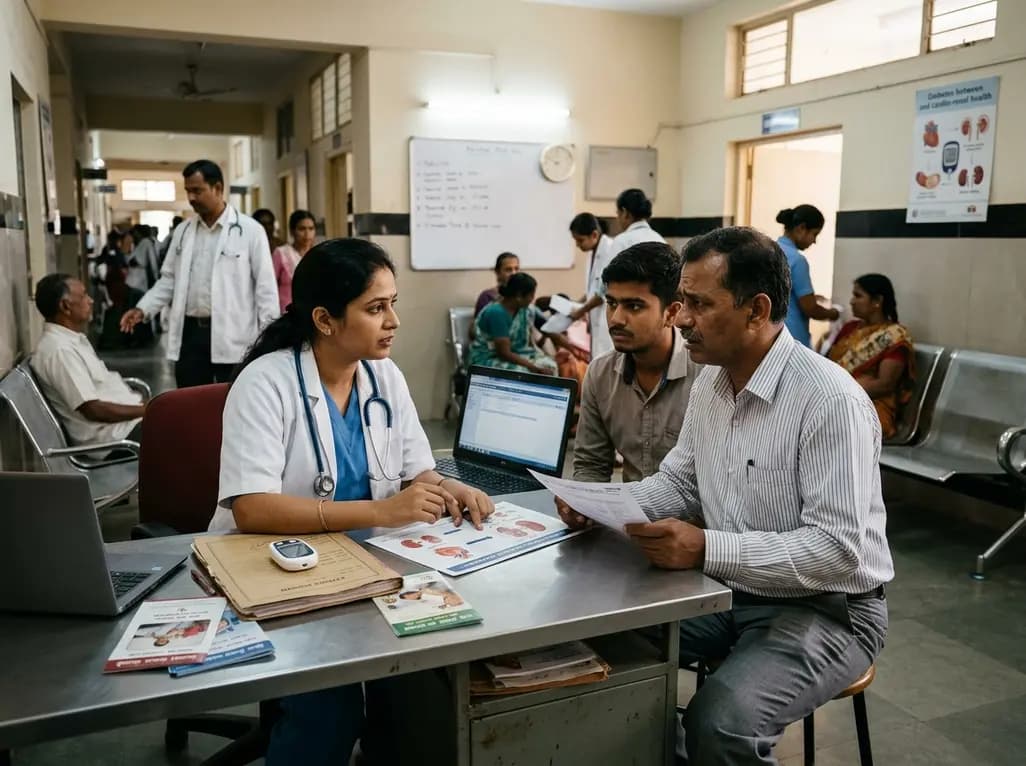
For several decades, diabetes care in India has focused almost exclusively on lowering blood glucose levels. However, clinicians recognize that diabetes belongs to a broader spectrum of interrelated metabolic disorders. Excess body weight, hypertension, dyslipidemia, cardiovascular vulnerability, and renal dysfunction frequently compound one another in Indian patients. Consequently, treating hyperglycemia in isolation cannot protect patients from life-threatening complications. In 2024, an estimated 89.8 million Indian adults lived with diabetes, and nearly 43% remained completely undiagnosed. Therefore, healthcare providers must establish a proactive paradigm that connects early diagnosis with holistic, lifelong disease surveillance.
The escalating burden of non-communicable diseases across urban and rural India demands systemic healthcare reform. Recent demographic transitions and rapid urbanization have sharply accelerated metabolic risks across diverse socioeconomic groups. Furthermore, diabetes manifests almost a full decade earlier in Indian individuals compared to Western populations. This premature onset exposes patients to prolonged vascular stress during their most productive working years. As a result, microvascular and macrovascular complications develop much faster. Clinicians frequently encounter severe coronary artery disease, heart failure, and nephropathy in relatively young adults. Nevertheless, routine clinical encounters still concentrate primarily on isolated fasting blood glucose measurements. Healthcare systems often operate in silos, which fragments patient journeys between primary care and specialty interventions. In contrast, modern clinical practice demands an integrated metabolic approach. Healthcare teams must identify risk factors upstream before irreversible end-organ damage occurs. Addressing these interconnected risks requires substantial clinical collaboration across internal medicine, cardiology, and nephrology. Ultimately, India needs an ecosystem that delivers continuous monitoring, standardized clinical pathways, and accessible therapeutic options for every patient. By establishing organized health networks, physicians can identify elevated risks promptly and tailor therapeutic regimens to preserve long-term health.
Clinicians cannot mitigate chronic disease risks that remain undetected. Because nearly 43% of Indian adults with diabetes do not know their status, silent organ damage progresses unchecked for years. Screening initiatives must therefore move beyond tertiary medical centers into frontline primary healthcare facilities. Community-based screenings can capture individuals during early asymptomatic stages or prediabetes. Additionally, opportunistic screening in outpatient clinics helps identify individuals with silent metabolic abnormalities. When doctors detect glycemic disruption early, they can immediately screen for coexisting hypertension and renal deterioration. Simple urine tests for albuminuria alongside serum creatinine assessments can uncover early diabetic kidney disease. Moreover, baseline cardiovascular evaluations allow clinicians to stratify vascular risk before an acute coronary event happens. Timely diagnosis also enables aggressive lifestyle modification and prompt medical intervention. Early behavioral counseling helps individuals modify dietary patterns, adopt regular physical exercise, and lose visceral fat. Thus, making early diagnosis the starting point transforms care from emergency crisis management into structured prevention. When healthcare systems detect disease early, they significantly diminish the subsequent socioeconomic burden of diabetes on families and national resources. Consequently, primary healthcare providers serve as the essential first line of defense against progressive cardiorenal morbidity.
Glycated hemoglobin remains a vital metric for monitoring average glycemic exposure over time. However, relying solely on HbA1c provides an incomplete clinical picture of a patient's true cardiovascular and renal vulnerability. Groundbreaking data from the landmark ICMR-INDIAB study clearly highlighted this critical clinical gap. The study demonstrated that only 7.7% of Indian individuals with diabetes successfully met recommended targets for blood glucose, blood pressure, and LDL cholesterol concurrently. This striking finding explains why vascular complications remain exceedingly common despite adequate glycemic numbers. Atherosclerosis, heart failure, and diabetic nephropathy develop through the combined insult of hypertension, atherogenic dyslipidemia, and chronic hyperglycemia. Therefore, physicians must assess the entire metabolic profile during routine consultations. Clinicians should evaluate blood pressure, lipid fractions, urinary albumin excretion, and estimated glomerular filtration rate alongside HbA1c. In addition, healthcare professionals must evaluate visceral adiposity and hepatic steatosis. Managing these distinct clinical markers simultaneously delivers profound vascular protection. When clinicians treat blood pressure and dyslipidemia aggressively alongside blood glucose, cardiovascular mortality drops substantially. Hence, comprehensive risk reduction represents the true gold standard of contemporary diabetes management. Ultimately, multi-target metabolic control prevents disability and preserves long-term vital organ function.
Every individual with type 2 diabetes presents with unique clinical characteristics and risk factors. Consequently, guidelines advise clinicians against adopting a uniform therapeutic algorithm for all patients. Deciding on optimal medical therapy requires careful evaluation of patient age, disease duration, body mass index, renal function, cardiovascular disease, and hypoglycemia risk. Fortunately, newer pharmacological classes have completely transformed modern clinical practice. Sodium-glucose cotransporter-2 inhibitors and glucagon-like peptide-1 receptor agonists provide extensive benefits far beyond simple glucose lowering. Large clinical outcome trials demonstrate that SGLT2 inhibitors provide robust cardiorenal protection, reduce hospitalizations for heart failure, and slow diabetic kidney disease progression. Similarly, GLP-1 receptor agonists deliver powerful reductions in major adverse cardiovascular events while promoting meaningful weight reduction. Clinicians can intelligently leverage these innovative agents early in the disease course for high-risk patients. However, doctors must also evaluate drug affordability and therapy sustainability in the Indian setting. Prescribing choices should respect patient financial resources to prevent catastrophic healthcare expenditures. Therefore, clinicians must select therapeutic regimens that balance clinical efficacy, safety profiles, and economic feasibility. Personalizing therapy ensures maximum therapeutic compliance and durable clinical success. Moreover, rational drug combinations optimize glycemic targets while actively protecting vulnerable cardiorenal systems.
Even the most advanced pharmacological regimen fails if a patient cannot sustain it consistently over time. Indeed, chronic diabetes management unfolds through hundreds of daily decisions regarding diet, physical activity, medication adherence, and home glucose monitoring. Yet many patients experience severe treatment fatigue, emotional distress, and financial strain. Furthermore, limited health literacy regarding asymptomatic vascular damage often weakens medication adherence. To overcome these persistent hurdles, clinicians must transition from paternalistic prescription models toward active patient participation. Healthcare providers must empower individuals as informed partners in their own health journey. Multidisciplinary care teams provide invaluable support in this collaborative approach. Certified diabetes educators, clinical dietitians, and nurses can deliver tailored lifestyle guidance that respects cultural habits. Additionally, digital health tools, including mobile tracking applications and continuous glucose monitors, provide immediate feedback to motivate behavioral improvements. Family members also play an essential role by supporting meal preparation and regular exercise routines. When patients understand their therapeutic targets and feel supported by an empathetic ecosystem, treatment compliance increases dramatically. Thus, collaborative care fosters enduring behavioral change, preventing complications and ensuring sustained metabolic well-being. Consequently, patient-centered empowerment transforms daily self-management into an achievable, lifelong reality.
Q1: Why is lowering blood glucose alone insufficient for managing diabetes effectively?
Lowering blood glucose is vital, but diabetes forms part of a complex cardiorenal metabolic syndrome. Cardiovascular disease and diabetic kidney disease cause the vast majority of morbidity and premature deaths among diabetic patients. Because dyslipidemia and hypertension consistently compound vascular injury, managing blood glucose in isolation leaves patients exposed to serious complications. Therefore, clinicians must treat all coexisting metabolic risk factors simultaneously to achieve durable, long-term organ protection.
Q2: What did the ICMR-INDIAB study reveal regarding diabetes control in India?
The landmark ICMR-INDIAB study revealed that only 7.7% of Indian individuals with diabetes achieved optimal control across the combined triad of blood glucose, blood pressure, and LDL cholesterol. While many patients attain isolated glycemic targets, the majority remain uncontrolled for cardiovascular risk markers. Consequently, this therapeutic gap accelerates the onset of coronary artery disease, stroke, and renal failure, underscoring the urgent necessity for comprehensive, multi-target metabolic management.
Q3: How do modern drug classes like SGLT2 inhibitors and GLP-1 receptor agonists improve outcomes?
Modern therapeutic classes like SGLT2 inhibitors and GLP-1 receptor agonists provide clinical benefits extending far beyond simple glycemic regulation. Landmark trials confirm that these medications offer robust cardiorenal protection, reduce heart failure hospitalizations, slow chronic kidney disease progression, and promote meaningful weight loss. Furthermore, they carry a very low intrinsic risk of hypoglycemia. Thus, their intelligent integration into early treatment algorithms transforms the overall clinical trajectory for high-risk patients.
Disclaimer: This content is for informational and educational purposes only. It does not constitute medical advice or replace professional judgment. Refer to the latest local and national guidelines for clinical practice.
References

Read summarized clinical updates, watch expert medical content, and earn CME certifications right from your smartphone.
Open your smartphone camera to scan and install.





India faces a massive diabetes burden with over 89 million adults affected. Managing blood sugar in isolation fails to prevent severe cardiorenal complications. Clinicians must adopt an integrated metabolic ecosystem that prioritizes early detection, multifactorial risk assessment, and personalized therapies.
Today

Translational research reveals that lipopolysaccharide cross-tolerance attenuates severe inflammatory cascades in obese women with polyendocrine metabolic ovarian syndrome, uncovering an essential immunometabolic safeguard.
Today

Novel clinical evidence demonstrates the feasibility of combining VA-ECMO with the NyokAssist self-expanding transvalvular pump for active left ventricular unloading in infarct-related cardiogenic shock, achieving successful stabilization and decannulation.
Today
The Gross Motor Function Classification System (GMFCS) stops its validated age bands at 18. Recent evidence emphasizes that evaluating adult cerebral palsy requires purpose-sensitive documentation combining adolescent ratings with dynamic profiles of mobility, fatigue, pain, and community participation.
Today
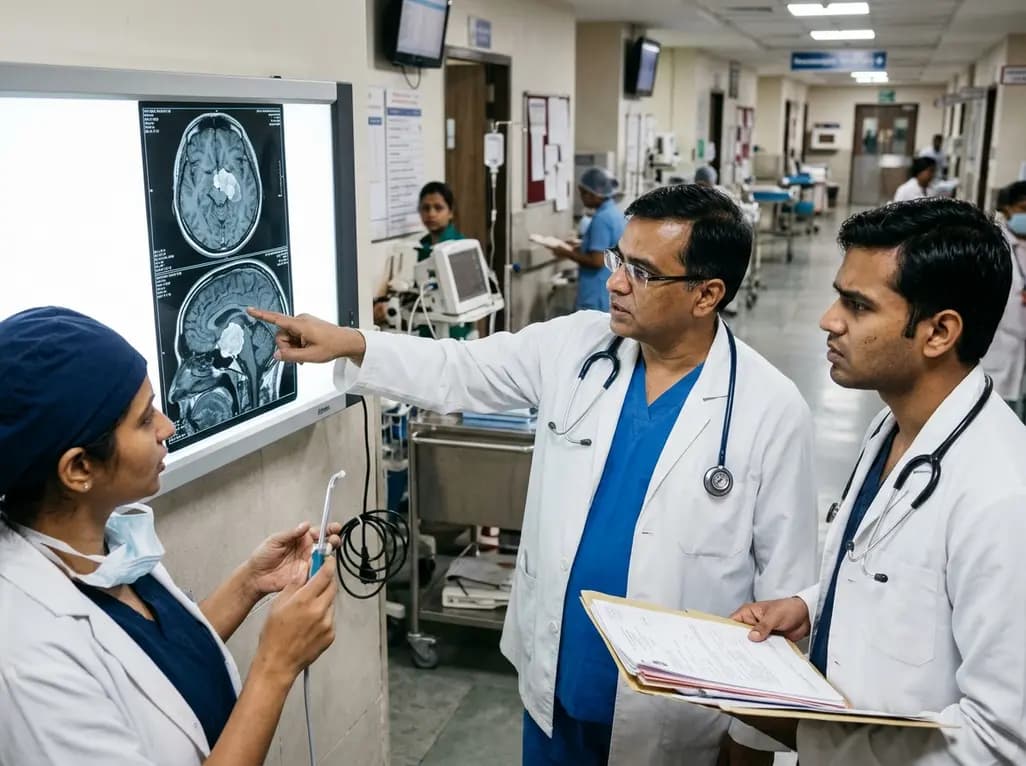
Knosp grade 4 Cushing's disease poses severe surgical risks due to deep cavernous sinus invasion. A long-term study demonstrates that combining maximal safe transsphenoidal resection with early adjuvant stereotactic radiotherapy achieves 87% disease control while eliminating major neurovascular morbidity.
Today
