.webp&w=384&q=75)

Loading, please wait...
Loading, please wait...

Effective chronic pain communication remains a profound clinical challenge in modern medical practice. Patients frequently struggle to articulate persistent, invisible physical sensations through traditional biomedical terminology. Consequently, healthcare providers often encounter misunderstandings that complicate therapeutic relationships. To overcome these communication barriers, researchers have developed co-created conversation cards featuring evocative visual metaphors. These pictorial tools bridge the gap between subjective suffering and clinical evaluation. Therefore, utilizing visual metaphors enriches clinical dialogue, deepens practitioner empathy, and transforms chronic pain management.
Traditional clinical consultations rely heavily on a biomedical paradigm to assess physical illness. However, persistent pain rarely fits neatly into objective diagnostic parameters or standard numerical rating scales. When clinicians ask patients to score discomfort from zero to ten, they capture intensity but overlook qualitative suffering. Furthermore, patients often feel invalidated when routine laboratory investigations and imaging return entirely normal results. This diagnostic disconnect frequently creates mutual frustration during clinical encounters. In response, patients naturally turn to metaphorical descriptions to convey complex bodily distress. They often describe burning embers, tight vices, or stabbing electrical shocks. Nevertheless, spoken metaphors can create ambiguity if clinicians interpret figurative language too literally. In addition, persistent physical exhaustion and cognitive fatigue reduce a patient's capacity to explain fluctuating symptoms clearly. As a result, therapeutic rapport weakens, leaving patients feeling misunderstood and clinicians feeling constrained. Multidisciplinary teams therefore require novel communicative tools that enrich dialogue without lengthening outpatient appointments. By offering non-verbal expressive alternatives, healthcare providers can validate patient experiences while gathering vital clinical information. Consequently, patient satisfaction improves when doctors incorporate these supportive visual instruments into diagnostic routines.
Metaphors provide essential cognitive scaffolding for expressing complex internal sensations. For example, comparing neuropathic pain to exposed high-voltage wiring immediately conveys volatile, unpredictable torment. Similarly, visual art captures phenomenological dimensions that words alone cannot articulate. Researchers analyzed extensive linguistic transcripts from multidisciplinary pain consultations to map recurring metaphorical patterns. Patients consistently describe their condition through metaphors of mechanical imprisonment, relentless warfare, or unpredictable yo-yo oscillations. Consequently, an interdisciplinary team paired communication specialists and visual artists to illustrate these recurring motifs. These artistic illustrations do not depict anatomical pathologies or organ damage. Instead, they represent the felt bodily experience of persistent discomfort. For instance, an illustration showing a human figure submerged in heavy tar depicts debilitating exhaustion and immobility. Another image portraying a fragile glass silhouette under compressive weight conveys vulnerability and impending collapse. Thus, visual metaphors provide clinicians with immediate access to the patient's internal psychological landscape. When healthcare practitioners acknowledge these illustrations, patients feel recognized, validated, and genuinely understood. Furthermore, discussing these visual narratives demystifies complex pain neurophysiology and builds mutual clinical understanding.
Creating effective clinical communication aids requires authentic collaboration between medical professionals and patients. Therefore, researchers conducted eight rigorous online focus groups to guide the iterative development process. These collaborative workshops engaged both chronic pain patients and experienced healthcare providers working across pain clinics. Participants critically evaluated the meaning, clarity, and practical utility of various concept illustrations. Moreover, these focus groups explored how artistic style, color palettes, and textural details influenced emotional resonance. Clinicians noted that overly graphic depictions could trigger emotional distress or reinforce catastrophic thinking. Conversely, patients insisted that overly simplified sketches failed to reflect the true chaos of their daily lives. Consequently, the research team adjusted the illustrations through multiple participatory revisions. This collaborative methodology ensured that the conversation cards balanced artistic expression with clinical safety. In addition, the co-design framework fostered mutual trust and shared ownership among all stakeholders. As a result, the finalized conversation cards represent a clinically validated tool built upon genuine partnership. Moreover, this co-creation methodology models how healthcare teams can integrate patient voices into tool development.
The visual development of therapeutic conversation cards demands careful attention to representational transparency. Specifically, focus group participants examined the balance between symbolic abstraction and recognizable figurative imagery. If an illustration appears excessively abstract, patients struggle to link the imagery to their symptoms. On the other hand, highly literal drawings limit the broad applicability of the metaphors. Therefore, the creative team designed balanced compositions that permit flexible personal interpretation. Furthermore, researchers evaluated the profound psychological impact of visual tones and textures. Warm, vibrant reds consistently evoked burning inflammation, whereas muted grays suggested emotional detachment and isolation. Similarly, sharp, jagged lines conveyed stabbing neuropathic symptoms, while dense, heavy textures represented deep muscular aching. Healthcare providers also stressed that physical cards must integrate smoothly into busy clinical workflows. They recommended durable, compact cards that clinicians can easily sanitize and display during consultations. Ultimately, this careful attention to aesthetic and practical parameters maximizes the therapeutic value of the tool. Consequently, clinicians can integrate these user-friendly cards without disrupting established outpatient schedule constraints.
Introducing arts-based communication tools into clinical environments involves delicate ethical and interpersonal considerations. Most importantly, participatory tools directly challenge traditional power imbalances within medical relationships. In conventional clinical encounters, the physician maintains diagnostic dominance while the patient assumes a passive role. In contrast, conversation cards restore narrative agency to the individual in pain. By selecting an image that reflects their state, the patient actively directs the clinical consultation. However, clinicians must respect this agency and avoid imposing their own interpretations upon the artwork. Instead, practitioners should invite patients to explain what a chosen image means to them. Furthermore, clinics can implement these cards efficiently by placing decks in waiting areas for pre-consultation review. Patients can select two relevant cards before entering the examination room. Multidisciplinary teams, including physiotherapists and psychologists, can also track how image choices evolve throughout treatment. Ultimately, maintaining ethical vigilance and structured implementation empowers patients and elevates the standard of chronic care. Ultimately, bridging clinical expertise with personal narrative transforms standard chronic care into an empowering partnership.
Conversation cards enhance clinical consultations by translating complex somatic sensations into accessible visual imagery. When patients select an evocative illustration, they bypass verbal obstacles and immediately convey multifaceted physical suffering to their physician. Consequently, this visual bridge accelerates rapport building, reduces consultation anxiety, and validates lived experience. Furthermore, clinicians obtain vital qualitative insights into emotional distress, enabling more personalized, empathetic treatment plans and stronger therapeutic alliances.
Patients living with persistent discomfort frequently choose imagery depicting mechanical entrapment, natural hazards, or physical burdens. Typical examples include heavy vices crushing joints, intense burning flames, relentless electric shocks, and suffocating weights. Additionally, patients often select drawings of figures trapped inside glass containers or thick molasses to express profound isolation and overwhelming fatigue. These visual archetypes accurately convey the invisible, subjective nature of chronic suffering.
Conversation cards do not replace validated numeric rating scales or visual analogue scales in clinical settings. Instead, they serve as vital qualitative adjuncts that enrich clinical evaluations alongside objective measures. While numeric scales track pain intensity over time, visual conversation cards uncover functional impairment, emotional distress, and personal meaning. Therefore, combining quantitative scoring with metaphorical conversation cards provides a comprehensive biopsychosocial assessment that substantially improves overall patient care.
Disclaimer: This content is for informational and educational purposes only and does not substitute professional medical judgment. Refer to the latest local and national guidelines for clinical practice.
References

Read summarized clinical updates, watch expert medical content, and earn CME certifications right from your smartphone.
Open your smartphone camera to scan and install.





Explore how co-designed visual metaphor conversation cards revolutionize chronic pain consultations. By translating personal suffering into evocative imagery, this innovative tool overcomes biomedical communication barriers, fosters clinical empathy, and empowers patients in multidisciplinary pain care.
Today
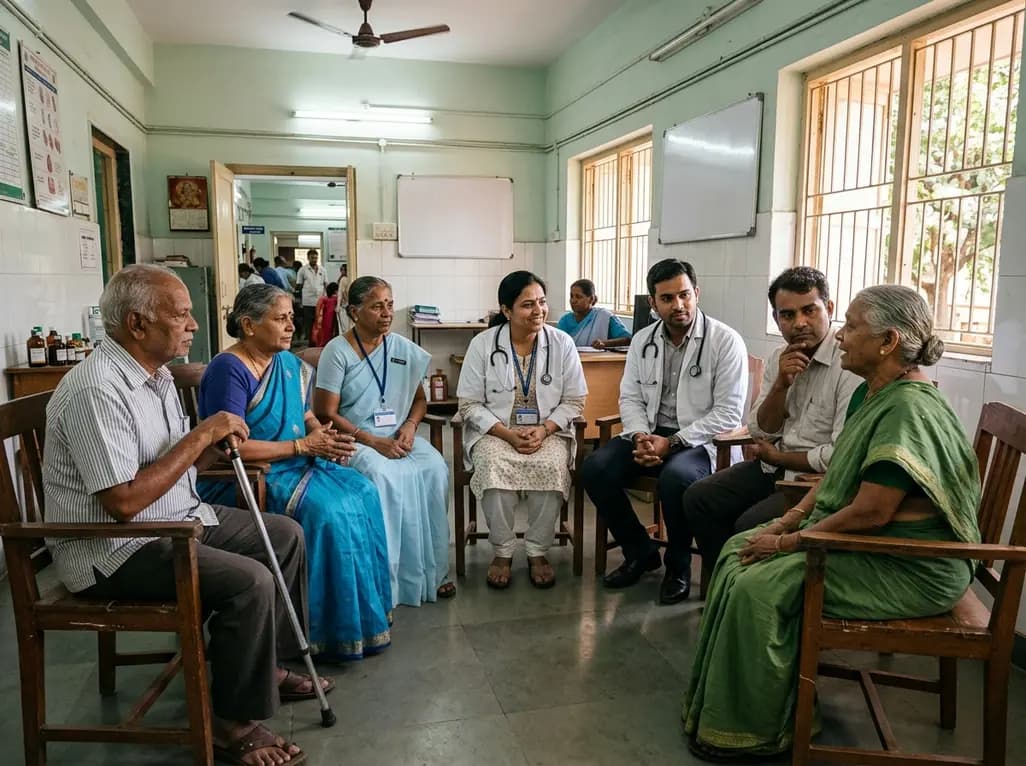
A systematic review demonstrates that structured group counseling interventions significantly enhance quality of life and holistic wellness while alleviating psychological distress in adults with chronic illnesses.
Today

A comprehensive meta-analysis of over 278,000 women demonstrates that maternal atopic dermatitis significantly increases risks of premature rupture of membranes and low birth weight. Discover essential clinical insights on disease mechanisms, serial antenatal growth monitoring, and safe therapeutic interventions.
Yesterday

Pharmacogenomics and artificial intelligence are revolutionizing cardiology by tailoring therapies to individual genetic profiles and clinical data, reducing adverse drug events, and improving cardiovascular patient outcomes.
Today
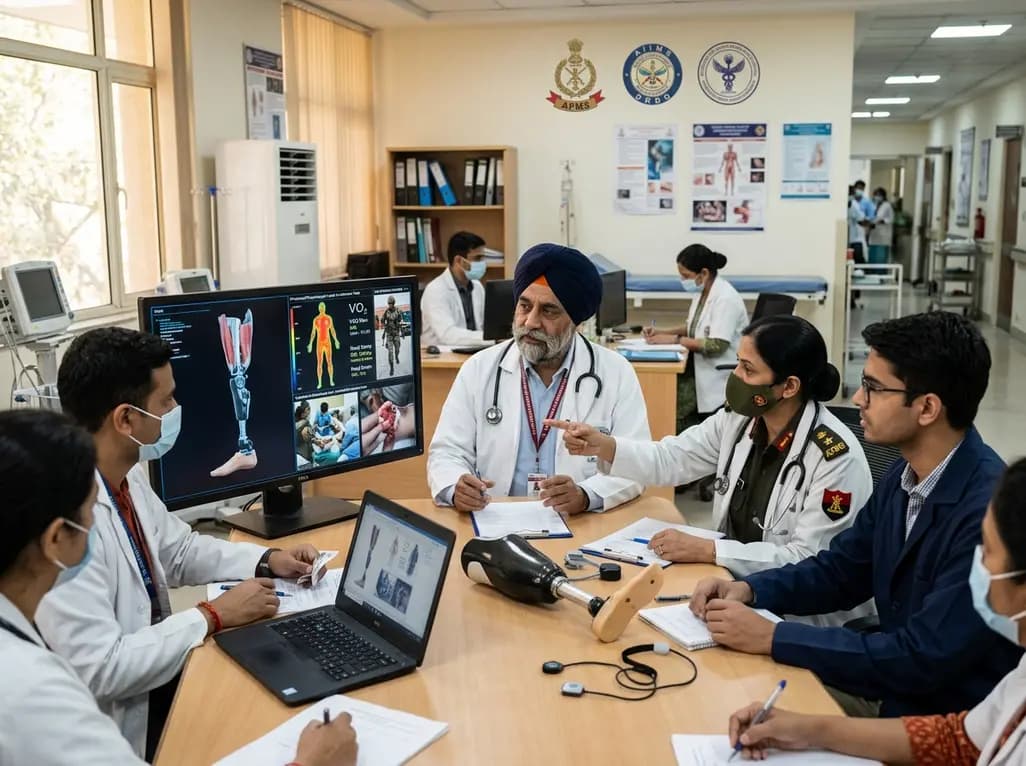
India's premier scientific bodies have joined the Armed Forces Medical Services to solve unique physiological and operational challenges faced by soldiers. The national collaboration covers combat casualty care, artificial intelligence diagnostics, bionic prosthetics, and extreme-environment physiological resilience.
Today
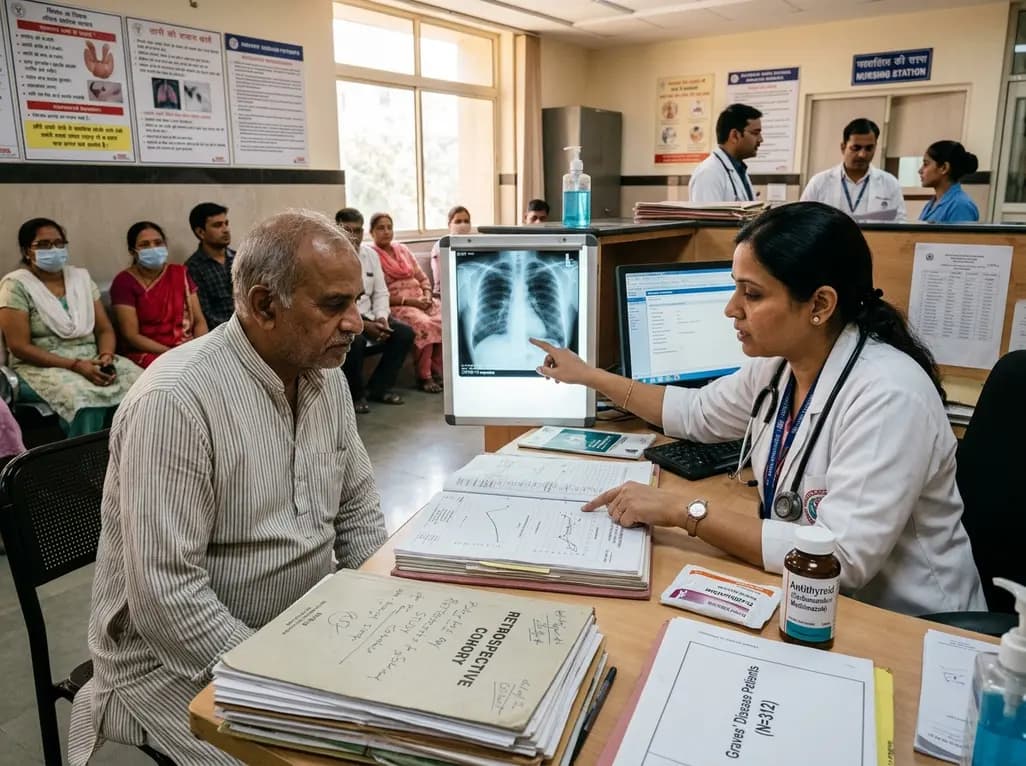
A retrospective cohort study evaluates the short- and long-term impacts of SARS-CoV-2 infection on patients with Graves' disease receiving antithyroid drug therapy, highlighting thyroid status destabilization, clinical symptom exacerbations, and post-viral sequelae.
Today
