.webp&w=384&q=75)

Loading, please wait...
Loading, please wait...

Severe respiratory viral pneumonias frequently lead to intensive care unit (ICU) admissions globally. While the primary virus causes significant harm, viral pneumonia superinfections represent a secondary, critical danger to patients. These infections exacerbate lung injury and prolong organ dysfunction. Consequently, clinicians must navigate the complexities of antimicrobial management under diagnostic uncertainty. Recent pandemics like H1N1 and SARS-CoV-2 highlighted a mismatch between low documented infection rates and high empiric antibiotic use. Addressing this challenge requires a multimodal, ICU-adapted diagnostic strategy that integrates pathogen detection with host-response assessment.
Modern diagnostic strategies integrate pathogen detection with host-response assessments. Therefore, clinicians utilize molecular diagnostics and bronchoalveolar lavage-based mycology to identify specific threats like Influenza-associated pulmonary aspergillosis (IAPA). Furthermore, biomarker-guided strategies help in distinguishing between viral progression and bacterial secondary hits. Thus, a multimodal approach supports timely therapy and enables necessary antimicrobial de-escalation. Implementing these ICU-adapted strategies aligns patient care with essential stewardship principles. Moreover, emerging tools like metagenomic nanopore sequencing (mNGS) provide rapid insights into concurrent pathogens in refractory cases.
Clinicians often face pressure to prescribe broad-spectrum antibiotics for viral pneumonia. However, data suggests that bacterial co-infections are relatively infrequent compared to initial clinical suspicions. By utilizing advanced diagnostics, medical teams can avoid prolonged unnecessary exposure to antimicrobials. This precision medicine approach improves outcomes while reducing the risk of antibiotic resistance in the ICU environment. Additionally, protocolised screening, such as twice-weekly galactomannan testing in high-risk ventilated patients, significantly improves early detection of fungal threats. Following these structured approaches ensures that therapies remain targeted and effective.
CAPA stands for COVID-19-associated pulmonary aspergillosis, while IAPA refers to Influenza-associated pulmonary aspergillosis. These are serious fungal superinfections that occur in critically ill patients with viral pneumonia, often carrying high mortality rates.
Differentiating between a worsening primary viral infection and a secondary bacterial or fungal hit is difficult because clinical signs and imaging findings often overlap significantly. This lead to frequent over-prescription of antibiotics.
Biomarkers assist by providing objective data on the host response. For example, specific levels can help distinguish between purely viral inflammation and a secondary bacterial response, enabling safer antibiotic de-escalation.
Disclaimer: This content is for informational and educational purposes only. It does not constitute professional medical advice, diagnosis, or treatment. Always seek the advice of your physician or other qualified healthcare provider with any questions you may have regarding a medical condition. Refer to the latest local and national guidelines for clinical practice.
References
1. Asis A et al. The double threat: bacterial and fungal co-/superinfection in viral pneumonia. Expert Rev Respir Med. 2026 Feb 07. doi: 10.1080/17476348.2026.2629003. PMID: 41653012.
2. Koehler P, et al. Defining and managing COVID-19-associated pulmonary aspergillosis: the ECMM/ISHAM consensus criteria. Lancet Infect Dis. 2021;21(6):e149-e162.
3. Martin-Loeches I, et al. Bacterial and fungal coinfections in ICU patients with severe COVID-19: an international cohort study. Intensive Care Med. 2022;48(3):330-341.

Read summarized clinical updates, watch expert medical content, and earn CME certifications right from your smartphone.
Open your smartphone camera to scan and install.





A review of the epidemiology and diagnostic challenges of bacterial and fungal superinfections in ICU patients with severe viral pneumonia....
8 months ago
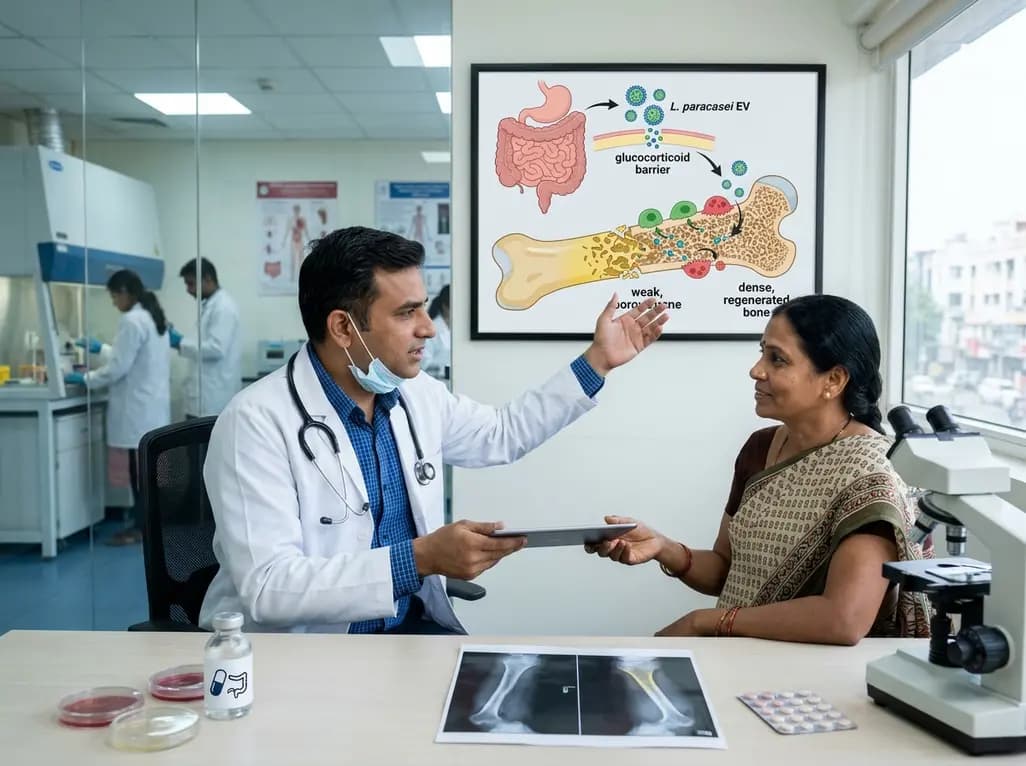
A novel oral nanoplatform using Lacticaseibacillus paracasei-derived extracellular vesicles delivers alendronate, reversing glucocorticoid-induced bone loss and restoring gut-immune-bone homeostasis.
Today

A rare presentation of cervical villoglandular adenocarcinoma metastasizing to the ovary mimicked a borderline ovarian tumor. Multimodal testing with immunohistochemistry and HPV16 DNA confirmed metastatic origin, guiding optimal surgical and chemoradiotherapy intervention.
Today
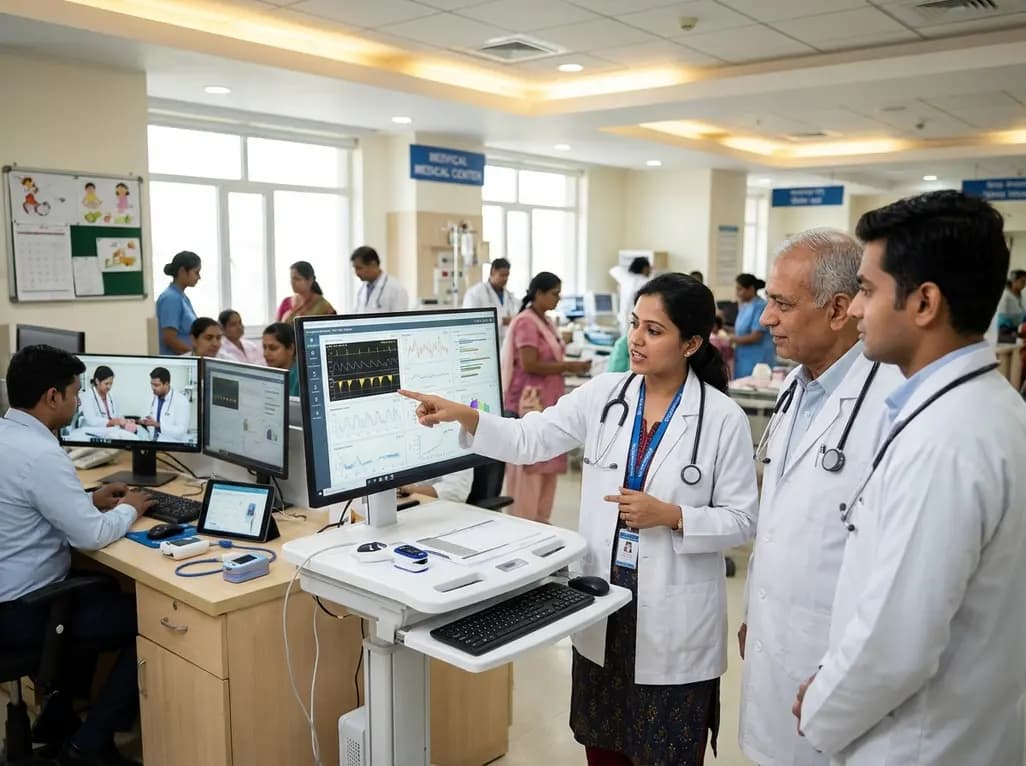
A landmark study details how an enterprise pediatric remote patient management model expanded from a single cardiology pilot to 16 diverse specialty programs by combining centralized digital operations with specialty clinical leadership.
Yesterday

A comparative review of tension band wiring and intramedullary screw fixation in thumb metacarpophalangeal arthrodesis, evaluating union rates, hardware complications, and clinical outcomes.
Yesterday
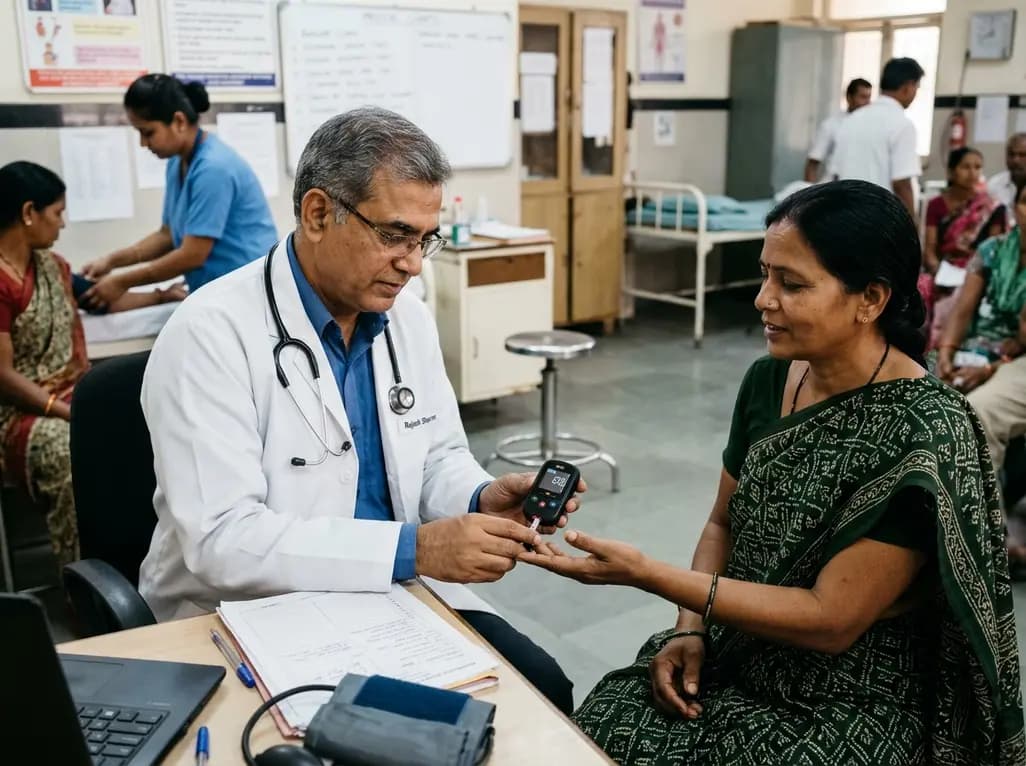
A real-world trial evaluating a near-infrared spectroscopy noninvasive glucose monitoring device in adults with type 2 diabetes demonstrated a combined MAD/MARD of 16.3 across 2,616 paired readings, highlighting its clinical feasibility.
Today
