.webp&w=384&q=75)

Loading, please wait...
Loading, please wait...
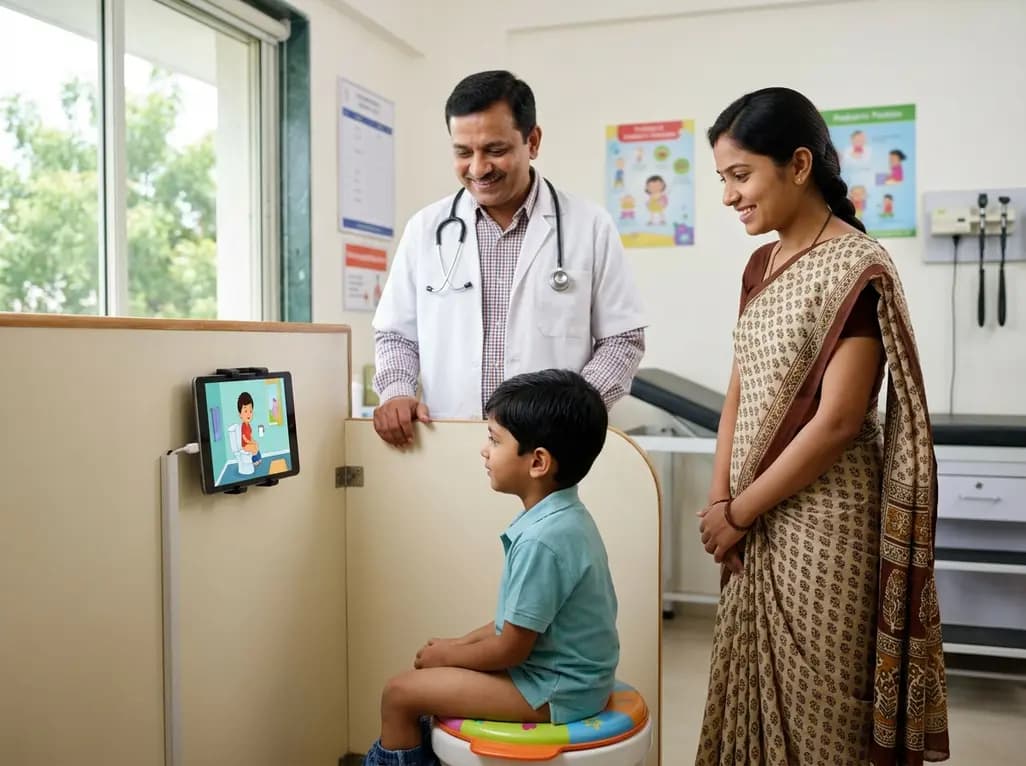
Managing pediatric incontinence treatment is a critical challenge for clinicians, particularly when working with children who have diverse developmental profiles. Incontinence significantly impacts a child\'s wellbeing and social participation. Recent research highlights the effectiveness of a video-modeling-based treatment package. This intervention aligns with modern medical values by respecting individual dignity and promoting self-determination through visual learning.
The study evaluated 12 children with varying intellectual abilities, ranging from average intelligence to severe intellectual disability. The results were compelling: 83% of children with fecal incontinence achieved a full treatment response. Furthermore, 67% of those with daytime urinary incontinence also reached full resolution. These findings suggest that video modeling serves as a versatile tool in the broader spectrum of urotherapy.
Beyond reducing episodes of accidents, the intervention demonstrated a large effect in teaching 78% of the participants to perform toileting behaviors independently. By providing a clear, repeatable visual guide, video modeling helps children master the complex chain of behaviors required for successful toileting. This approach is particularly useful in outpatient settings when standard interventions fail to produce the desired results.
Video modeling provides a visual demonstration of the correct toileting sequence, helping children understand and mimic the necessary behaviors in a low-pressure environment.
Yes, the study included children with severe intellectual disabilities and showed that the intervention can be effective across a wide range of developmental profiles.
Disclaimer: This content is for informational and educational purposes only and does not constitute professional medical advice, diagnosis, or treatment. Always seek the advice of your physician or other qualified healthcare provider with any questions you may have regarding a medical condition. Refer to the latest local and national guidelines for clinical practice.
References
van Galen M et al. The effectiveness of a video-modeling-based treatment package for incontinence in children with and without developmental disabilities. Res Dev Disabil. 2026 Jun 15. doi: undefined. PMID: 42296585.
Andriyani, S., & Putri, S. T. (2024). Implementation of Video Modeling Animation on Toilet Training Ability in Autism Spectrum Disorders. IIUM Medical Journal Malaysia.
McLay, L., Carnett, A., van der Meer, L., & Lang, R. (2015). Using a video modeling-based intervention package to toilet train two children with autism. Journal of Developmental and Physical Disabilities.
"
Read summarized clinical updates, watch expert medical content, and earn CME certifications right from your smartphone.
Open your smartphone camera to scan and install.





A new study reveals that video-modeling-based treatment packages significantly reduce episodes of urinary and fecal incontinence while promoting independent toileting skills in children with and without developmental disabilities, offering a dignified and effective outpatient intervention.
4 months ago
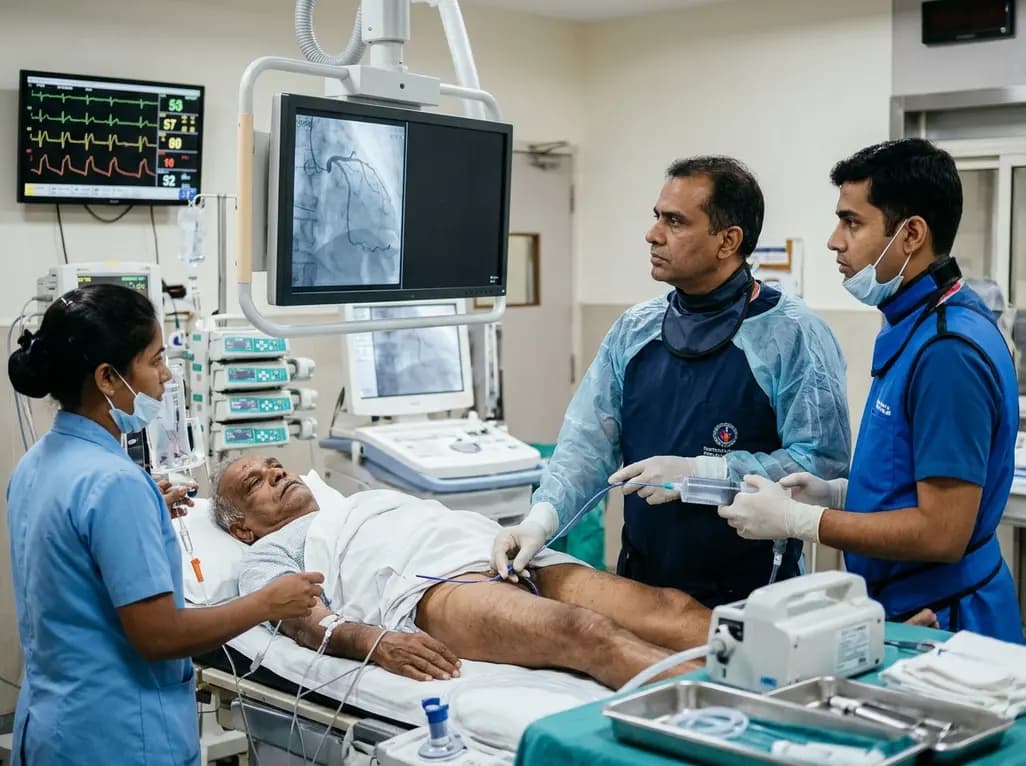
An elderly man with partially repaired Tetralogy of Fallot presented with STEMI caused by coronary embolism rather than atherosclerosis. Successful treatment with sustained mechanical aspiration thrombectomy underscores the vital need for high clinical vigilance in adult congenital heart disease.
Today

Demanding exhaustive hormonal profiling can inadvertently discourage clinical studies involving females. Methodological standards must align with the specific scientific question to expand, not restrict, equitable evidence for women.
Today

A recent study demonstrates that spinal oxygen sensors do not require mitochondrial electron transport to trigger sympathetic excitation during acute hypoxia, revealing new insights into how mitochondrial oxidative stress modulates autonomic tone in cardiovascular and neurological diseases.
Today

A novel calcium polyphosphate coacervate enables injectable bone implants with in situ hierarchical porosity via phase separation and gas foaming, significantly enhancing cell proliferation, energy metabolism, and osteogenic differentiation for minimally invasive bone defect repair.
Today

Following regulatory scrutiny from FSSAI regarding promotional representations and lean muscle preservation claims, Dr. Reddy's Laboratories and Nestlé Health Science are currently reviewing the branding and marketing strategy for their joint nutritional supplement Celevida GLP+.
Today
