.webp&w=384&q=75)

Loading, please wait...
Loading, please wait...
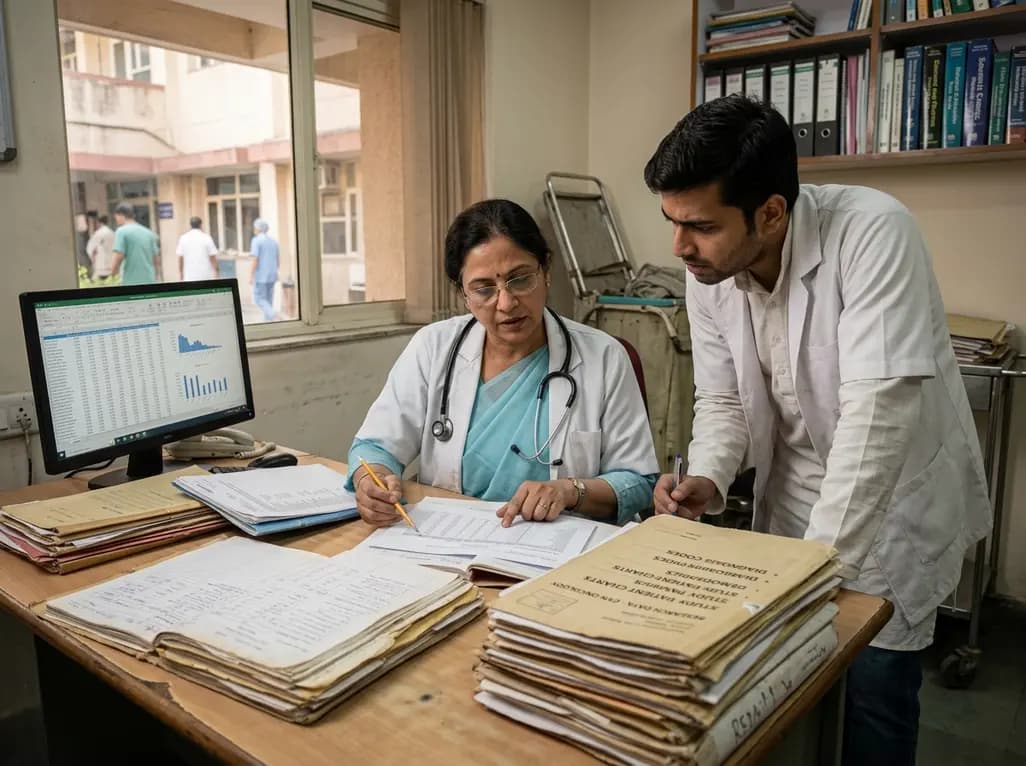
Uterine cancer remains a significant health challenge globally, and recent data highlights persistent gaps in patient outcomes. A comprehensive 20-year retrospective analysis conducted at a specialized urban cancer center has shed light on the complex nature of uterine cancer survival disparities. By examining data from 2002 to 2022, researchers sought to understand why certain patient populations, particularly Black patients, face higher mortality rates compared to their White counterparts. This extensive study utilized an internal registry of nearly 5,000 patients to assess how clinical and demographic characteristics influence long-term survival. The findings suggest that mortality is not merely a product of biological factors but is significantly influenced by the social determinants of health. Consequently, clinicians and oncology nurses must adopt a more holistic approach to patient care to bridge these survival gaps effectively.
Socioeconomic factors play a foundational role in determining the trajectory of uterine cancer. The study specifically identified that patients with fewer financial resources and lower educational attainment experienced reduced overall survival. For instance, the data revealed that not having graduated from high school was a strong independent predictor of higher mortality. Moreover, area income levels significantly correlated with the ability to access timely specialized care. When patients live in under-resourced neighborhoods, they often face logistical barriers such as lack of transportation or inadequate health insurance. These obstacles frequently lead to delays in seeking medical attention, which subsequently results in more advanced disease at the time of diagnosis. Therefore, addressing economic vulnerability is essential for improving equitable outcomes in gynecologic oncology.
While social factors are critical, clinical characteristics remain the primary indicators of a patient's prognosis. The research highlighted that older age, advanced disease stage, and higher tumor grade are associated with a greater likelihood of mortality. Specifically, high-grade tumors tend to be more aggressive and less responsive to standard treatments. Similarly, patients diagnosed at a later stage often have fewer curative options available. Notably, Black patients in the study were more likely to present with these high-risk clinical features compared to non-Hispanic White patients. This trend suggests that a combination of biological aggressiveness and systemic delays contributes to the observed uterine cancer survival disparities. Consequently, clinicians must prioritize aggressive screening and monitoring for high-risk demographics to detect malignant changes at a more manageable stage.
Enhanced patient support systems are vital for mitigating the modifiable risk factors associated with uterine cancer mortality. The study suggests that providing robust navigational assistance can help patients overcome socioeconomic hurdles. For example, oncology nurses can play a pivotal role in connecting patients with financial aid, transportation services, and educational resources. Furthermore, cultural competence in healthcare delivery is necessary to build trust within marginalized communities. When patients feel supported and understood by their medical team, they are more likely to adhere to complex treatment regimens and attend follow-up appointments. Additionally, community outreach programs can raise awareness about the early warning signs of uterine cancer, such as abnormal vaginal bleeding, which is crucial for early intervention. By fostering a supportive environment, healthcare providers can actively work to reduce the survival gap.
The variation in tumor histology and the timing of diagnosis are two major factors that influence survival outcomes. Research indicates that certain aggressive subtypes of uterine cancer are more prevalent in specific racial groups, which complicates the treatment landscape. However, even when accounting for these pathological differences, disparities in survival persist. This suggests that the quality and speed of diagnostic workups are inconsistent across different socioeconomic strata. Specifically, patients from lower-income backgrounds may experience longer wait times for diagnostic imaging and biopsies. As a result, the cancer has more time to progress, leading to poorer outcomes. Therefore, streamlining the diagnostic pathway is a critical step in ensuring that all patients receive the benefit of early-stage treatment interventions, regardless of their background or resources.
Although this study was conducted in the United States, its findings hold significant relevance for medical practice in India. In the Indian context, socioeconomic disparities between urban and rural populations often mirror the resource gaps identified in global research. Patients in rural areas frequently lack access to specialized oncology centers, leading to diagnostic delays similar to those seen in under-resourced urban settings abroad. Furthermore, the emphasis on education as a predictor of survival highlights the need for better health literacy among Indian women. Strengthening the primary healthcare infrastructure and improving the referral network to specialized centers can help address these inequities. Ultimately, the lessons learned from long-term survival analyses provide a roadmap for developing localized strategies that prioritize early detection and comprehensive support for vulnerable populations.
Socioeconomic factors such as low income and limited education act as significant barriers to healthcare access. These conditions often lead to delayed diagnoses, as patients may lack the resources for regular screenings or timely consultations. Furthermore, individuals with lower socioeconomic status may experience higher levels of chronic stress and limited nutritional options, both of which can negatively affect the body's ability to respond to intensive cancer treatments, ultimately leading to poorer survival rates.
The strongest clinical predictors of mortality include advanced age, late-stage diagnosis, and high tumor grade. High-grade tumors are biologically more aggressive and spread more rapidly than low-grade ones. Additionally, when uterine cancer is diagnosed at an advanced stage, it has often metastasized to distant organs, making it much harder to treat effectively. Older patients may also have co-existing health conditions that complicate surgical interventions or chemotherapy, further increasing the risk of mortality.
Early diagnosis is the most effective way to improve survival because uterine cancer is highly treatable when confined to the uterus. Detecting the disease in its initial stages allows for surgical interventions that are often curative. For marginalized populations who face systemic barriers, early detection can offset some of the disadvantages of limited long-term treatment access. Therefore, public health initiatives focusing on symptom awareness and accessible screening are essential for closing the gap in survival outcomes among different groups.
Disclaimer: This content is for informational and educational purposes only. It does not constitute professional medical advice, diagnosis, or treatment. Always seek the advice of your physician or other qualified healthcare provider with any questions you may have regarding a medical condition. Refer to the latest local and national guidelines for clinical practice.
References
Menon S et al. Exploring Racial Disparities in Uterine Cancer Survival: A 20-Year, Single-Site Analysis. Oncol Nurs Forum. 2026 Jun 24. doi: 10.1188/26.ONF.e26535334. PMID: 42341338.
Gamble CR et al. Five-Year Relative Survival Rates of Women Diagnosed with Uterine Cancer by County-Level Socioeconomic Status Overall and across Histology and Race/Ethnicity. MDPI. 2024; 16(15):3672.
Galaal K et al. Global Inequity in Endometrial Cancer Survival: A Population-Based Analysis of 185 Countries with Projections to 2050. ResearchGate. 2026; doi: 10.1016/S2214-109X(24)00155-0.
"
Read summarized clinical updates, watch expert medical content, and earn CME certifications right from your smartphone.
Open your smartphone camera to scan and install.





A recent 20-year retrospective analysis reveals that uterine cancer survival disparities are deeply influenced by socioeconomic factors such as education and income, alongside clinical indicators like age and tumor grade. The study emphasizes the need for enhanced patient support and early diagnosis.
3 months ago

Novel diimide and hydrazone scaffolds, particularly compound #C4, synergistically reactivate latent HIV-1 when combined with JQ1 or PKC activators. Demonstrating donor-matched proviral transcription ex vivo and non-canonical signaling, these findings advance shock and kill strategies toward reservoir eradication.
Today

A comparative cohort study evaluates vNOTES vs TLH hysterectomy for benign conditions, demonstrating shorter operative duration, faster return to daily activities, and equivalent female sexual function scores without increased dyspareunia.
Today

Review how tailored exercise programs benefit frail older patients with heart failure. Explore pathophysiological mechanisms, individualized training prescriptions, and strategies to overcome adherence barriers in clinical practice.
Yesterday

This comparative study evaluates posterior labral tears with and without glenohumeral instability, highlighting distinct demographic patterns, MRI underestimation in stable shoulders, and successful arthroscopic repair outcomes.
Yesterday

A clinical study demonstrates that early intervention with tocilizumab, either as monotherapy or bridged with corticosteroids, achieves significant proptosis reduction and resolves active inflammation in treatment-naive thyroid eye disease.
Today
