

Loading, please wait...
Loading, please wait...
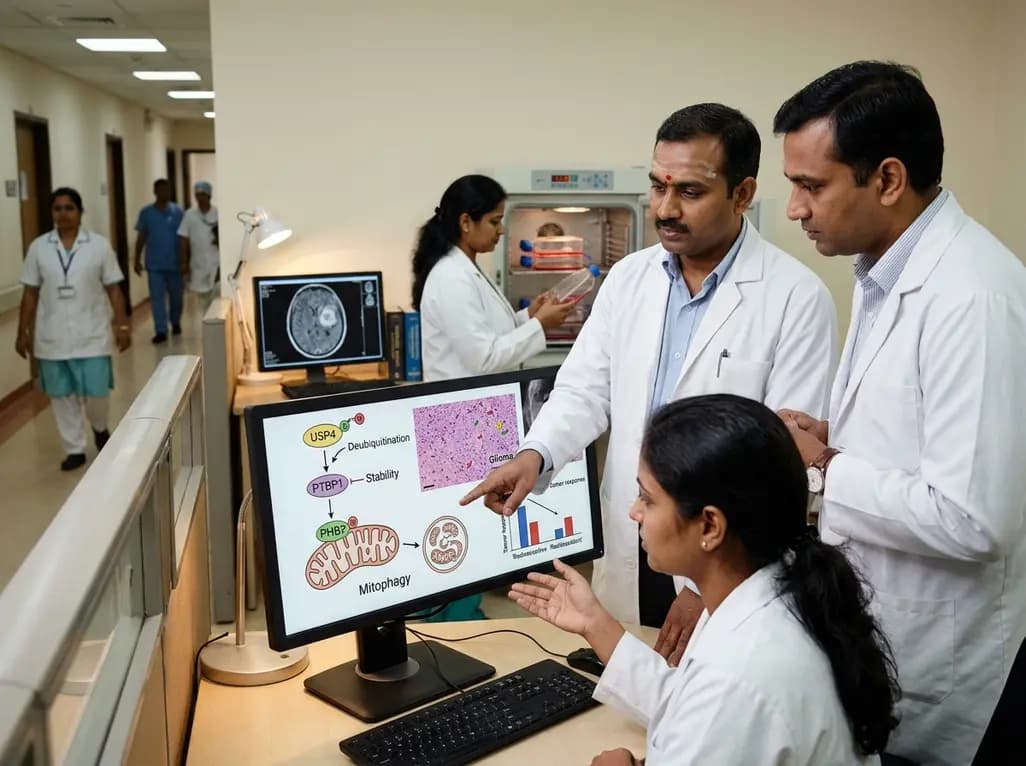
Glioblastoma and high-grade gliomas represent formidable clinical challenges in contemporary neuro-oncology. Despite aggressive surgical resection, temozolomide chemotherapy, and ionizing radiation, tumor recurrence remains inevitable. Therapeutic failure often stems from intrinsic or acquired glioma radioresistance, which enables malignant cells to survive lethal radiation fractions. However, the exact molecular pathways governing this survival phenotype remained incompletely understood. A pioneering molecular study published in Molecular Carcinogenesis sheds critical light on this dilemma. Researchers uncovered a crucial post-translational axis involving ubiquitin-specific protease 4, polypyrimidine tract-binding protein 1, and prohibitin 2.
Malignant glioma cells possess remarkable adaptive plasticity under therapeutic genotoxic stress. Specifically, radiation kills cancer cells primarily through double-strand DNA breaks and excessive generation of reactive oxygen species. Consequently, tumor cells suffer profound mitochondrial depolarization and metabolic catastrophe. However, resistant glioma cells neutralize these fatal events by rapidly activating selective mitochondrial autophagy, termed mitophagy. This process selectively removes damaged organelles before they initiate caspase cascades and apoptosis. Therefore, elucidating the upstream molecular triggers of mitophagy is critical for improving radiation efficacy. In clinical practice, radiation oncologists often observe standard radiation regimens failing to control aggressive high-grade lesions. In addition, existing clinical radiosensitizers lack cellular specificity and produce intolerable neurotoxicity. Understanding tumor-specific mitochondrial defense mechanisms enables scientists to design precise interventions. By selectively abolishing cytoprotective mitophagy, clinicians can restore radiosensitivity and lower therapeutic radiation doses. Ultimately, identifying druggable nodes within this protective metabolic shield represents an urgent imperative for improving patient survival.
To identify key molecules driving mitochondrial clearance, investigators analyzed extensive clinical transcriptomic profiles from the GSE16011 glioma dataset. Through weighted gene co-expression network analysis and supervised machine learning algorithms, the researchers screened for central mitophagy regulators. Notably, polypyrimidine tract-binding protein 1 emerged as a prominent candidate gene markedly elevated in glioma specimens. Furthermore, quantitative real-time PCR and western blotting confirmed pronounced PTBP1 upregulation across human glioma tissues and malignant cell lines. Functional assays subsequently revealed that elevated PTBP1 accelerates cellular proliferation and suppresses apoptotic death following radiation exposure. Under eight-gray irradiation, cells overexpressing PTBP1 maintained stable mitochondrial membrane potential and suppressed reactive oxygen species accumulation. In contrast, silencing PTBP1 produced extensive mitochondrial collapse and heightened radiosensitivity. Interestingly, treating cells with bafilomycin A1, a potent lysosomal inhibitor of autophagic flux, completely abolished PTBP1-mediated cytoprotection. These rigorous findings firmly establish PTBP1 as an essential upstream survival factor that shields glioma cells against radiation-induced oxidative destruction through active mitophagic flux.
Although PTBP1 overexpression directly correlates with glioma aggressiveness, the mechanisms preserving its intracellular stability remained obscure. Protein levels inside cancer cells depend heavily on the continuous equilibrium between polyubiquitination and deubiquitinating enzyme activities. Accordingly, the investigators performed co-immunoprecipitation and ubiquitination experiments to decipher upstream regulators of PTBP1 degradation. Their biochemical screening identified ubiquitin-specific protease 4 as a direct binding partner of PTBP1. Mechanistically, USP4 acts as a specialized deubiquitinase that removes destructive ubiquitin chains from PTBP1. Consequently, USP4 prevents the proteasomal breakdown of PTBP1 and markedly extends its half-life, as confirmed by cycloheximide chase assays. When scientists knocked down USP4 in glioma lines, PTBP1 underwent accelerated degradation, causing dramatic reductions in mitophagic activity and radioresistance. Moreover, ectopically reintroducing PTBP1 effectively rescued cell viability and restored radiation resistance in USP4-deficient glioma cells. Thus, USP4 functions as an indispensable post-translational governor that stabilizes PTBP1, thereby driving downstream prosurvival pathways in irradiated brain tumor cells.
Having established the USP4-PTBP1 interaction, the authors sought to determine how this complex orchestrates downstream mitophagy. Through RNA immunoprecipitation, dual-luciferase reporter assays, and actinomycin D mRNA decay experiments, the team identified prohibitin 2 as the central effector. Prohibitin 2 resides in the inner mitochondrial membrane and functions as a recognized receptor for LC3-mediated mitophagic engulfment. Specifically, PTBP1 directly binds to the 3' untranslated region of PHB2 mRNA. This binding prevents rapid transcript decay, substantially increasing both PHB2 mRNA stability and protein synthesis. Furthermore, experimental knockdown of PTBP1 triggered marked down-regulation of PHB2, which directly impaired mitophagic machinery and provoked severe cellular radiosensitization. Conversely, restoring PHB2 expression fully reversed the phenotypic defects caused by PTBP1 depletion, successfully re-establishing autophagic clearance and radiation resistance. Therefore, PHB2 serves as the indispensable mechanical link executing PTBP1-driven mitochondrial rescue. By stabilizing PHB2 transcripts, PTBP1 ensures that irradiated glioma cells efficiently digest damaged mitochondria and evade lethal reactive oxygen stress.
To validate these in vitro discoveries within a physiological organism, researchers constructed subcutaneous glioma xenograft models in immunocompromised mice. Animals received localized ten-gray radiation regimens combined with specific genetic modifications. Notably, tumors overexpressing USP4 displayed rapid volumetric expansion and robust radioresistance in vivo. In contrast, simultaneous PTBP1 knockdown completely abolished USP4-mediated tumor growth and restored radiation sensitivity. Histological evaluations corroborated that the USP4/PTBP1/PHB2 cascade sustains organelle homeostasis and preserves proliferative capacity within living tumor tissue. Consequently, this signaling axis presents promising opportunities for drug development in neuro-oncology. Small-molecule inhibitors designed to target USP4 deubiquitinating catalytic domains could accelerate PTBP1 degradation, depleting PHB2 and halting protective mitophagy. Combining targeted deubiquitinase inhibitors with standard cranial irradiation could substantially improve therapeutic indices for glioblastoma patients. Nevertheless, the study authors emphasize that clinical translation warrants cautious validation. Future investigations must incorporate direct mitophagic flux assays and include comprehensive zero-gray un-irradiated control cohorts to dissect baseline biological toxicity.
Ionizing radiation damages cellular DNA and induces substantial oxidative injury within mitochondria, generating toxic reactive oxygen species. In response, glioma cells activate mitophagy as an adaptive cytoprotective mechanism. This specialized autophagic process selectively encapsulates and degrades damaged, depolarized mitochondria within autolysosomes. Consequently, mitophagy prevents excessive cytochrome c release and suppresses downstream caspase activation. By averting apoptotic cascades, malignant cells maintain energetic homeostasis and tolerate therapeutic radiation doses.
Ubiquitin-specific protease 4 functions as an upstream deubiquitinase that directly binds to polypyrimidine tract-binding protein 1. By cleaving polyubiquitin chains, USP4 shields PTBP1 from proteasomal degradation, thereby extending its functional half-life. Stabilized PTBP1 then acts as an RNA-binding protein that binds the 3' untranslated region of prohibitin 2 mRNA. This post-transcriptional interaction prevents transcript degradation, ensuring robust PHB2 protein expression to fuel ongoing mitochondrial clearance and cell survival.
Preclinical data demonstrate that suppressing USP4 or inhibiting autophagic flux with agents like bafilomycin A1 substantially restores radiosensitivity in glioma models. Therefore, pharmacological inhibitors targeting the USP4 deubiquitinase domain or downstream mitophagic machinery represent compelling therapeutic adjuvants. By disrupting protective mitochondrial recycling, these novel small molecules can lower apoptotic thresholds during radiotherapy. However, clinicians require rigorous pharmacokinetic optimization and clinical safety trials before applying these agents in human trials.
Disclaimer: This content is for informational and educational purposes only and should not be considered medical advice. Always consult a qualified healthcare professional regarding any medical condition or treatment. Refer to the latest local and national guidelines for clinical practice.
References
Liu T et al. USP4-Mediated Deubiquitination of PTBP1 Promotes Glioma Progression and Radioresistance by Enhancing PHB2-Dependent Mitophagy. Mol Carcinog. 2026 Oct 25. doi: 10.1002/mc.70196. PMID: 42927610.
Wei J et al. Mitophagy: A key regulator of radiotherapy resistance in the tumor immune microenvironment. Front Oncol. 2025;15:102834.
Zhu Y et al. Mitophagy in the mechanisms of treatment resistance in solid tumors. Theranostics. 2025;15(6):2624-2648.

Read summarized clinical updates, watch expert medical content, and earn CME certifications right from your smartphone.
Open your smartphone camera to scan and install.





A breakthrough molecular oncology study reveals that USP4 deubiquitinates and stabilizes PTBP1, thereby enhancing PHB2-mediated mitophagy to drive glioma progression and radioresistance. Targeting this USP4/PTBP1/PHB2 signaling axis represents a promising strategy to sensitize malignant brain tumors to radiotherapy.
Today

Health authorities in Kenya have confirmed two fatalities among nine cases of Ebola linked to regional transmission. Clinicians worldwide must maintain heightened vigilance, screen international travelers promptly, enforce strict infection prevention, and deliver immediate supportive care for suspected cases.
Today
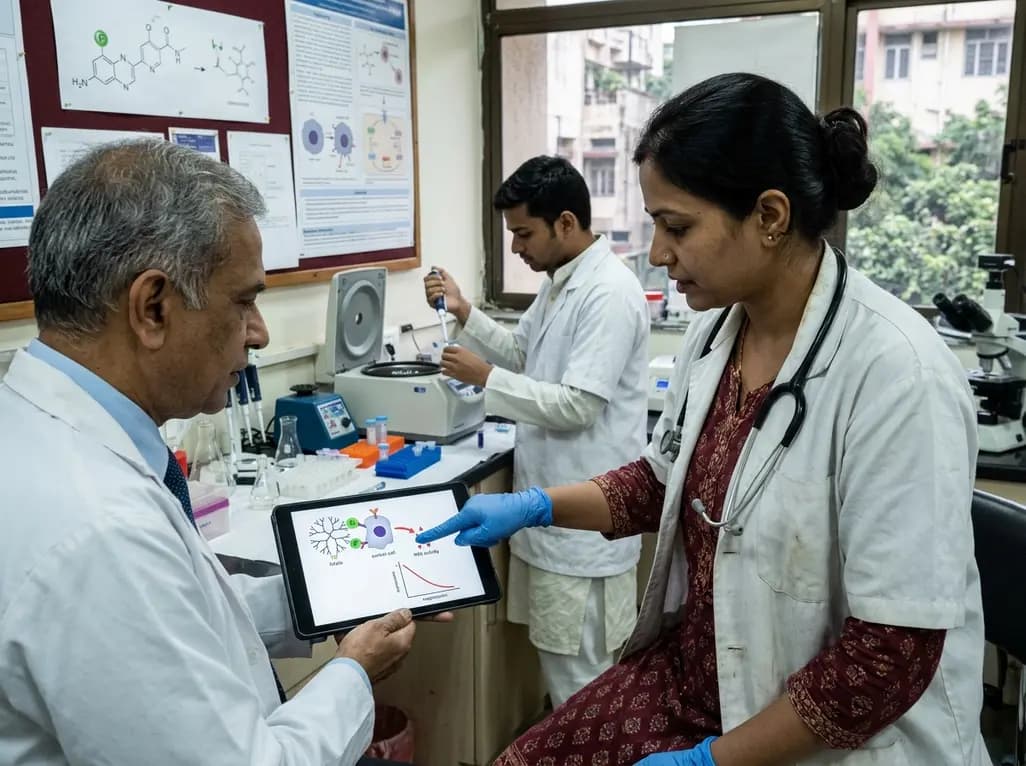
A novel folate-conjugated tecto-dendrimer nanoplatform successfully delivers siRNA to achieve targeted HK2 silencing, disrupting ovarian cancer glycolysis and suppressing lactate output.
Today

A comparative non-contact study reveals that high-power radiofrequency delivery with the QDOT MICRO catheter induces an artifactual contact force rise. Electrophysiologists must understand this power-dependent thermal and electrical phenomenon to avoid inadvertent catheter withdrawal and ineffective ablation.
Today

A novel proof-of-concept study presents a six-degree-of-freedom articulated manikin neck equipped with linear potentiometers. The system provides real-time kinematic motion feedback during cervical immobilisation, delivering sub-degree tracking accuracy to improve pre-hospital trauma training and patient safety.
Today

Novel glucose-responsive mPEG-PSA nanocarriers deliver insulin aspart on demand, achieving dual postprandial and basal glycemic control without hypoglycemia in diabetic models. This biomaterial breakthrough offers promising clinical implications for physiologic diabetes management.
Today
