

Loading, please wait...
Loading, please wait...
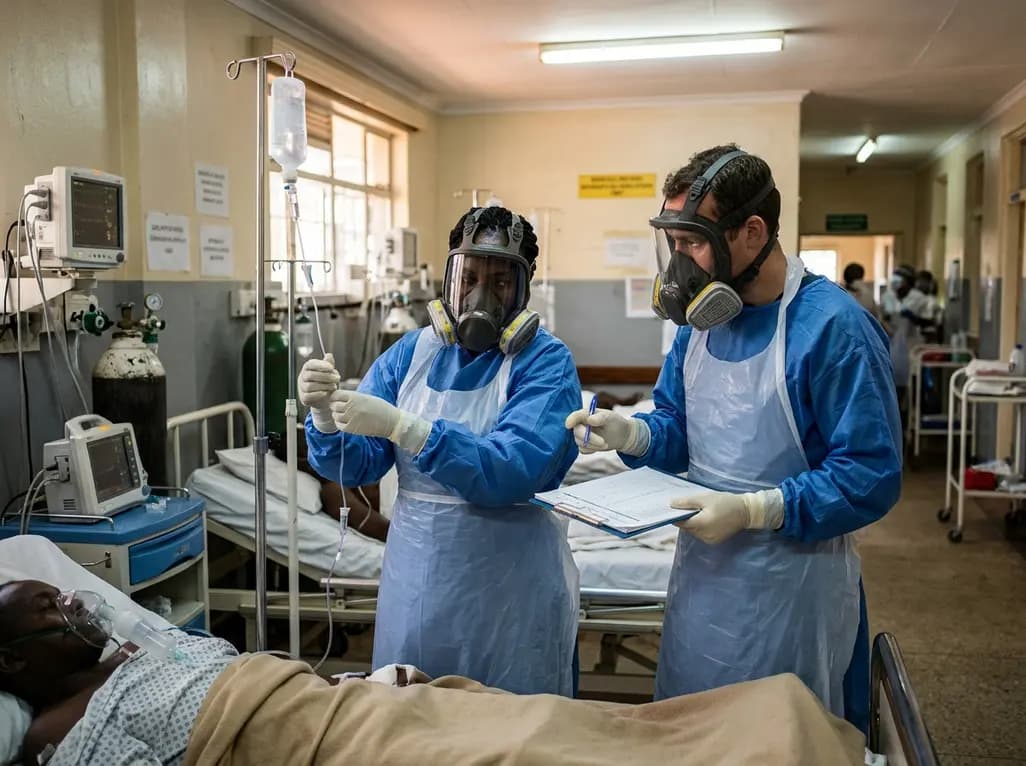
The Ministry of Health in Kenya recently reported a second death linked to Ebola virus disease. This event raised fresh concerns regarding regional pathogen containment. Specifically, the deceased individual was a close family contact of the index traveler from Congo. Public health officials rapidly placed over one hundred traced individuals into institutional quarantine. Consequently, clinicians worldwide must recognize the evolving epidemiological patterns and reinforce local screening protocols.
The current outbreak originated within the Democratic Republic of Congo and expanded swiftly across national borders. As a result, four African nations have now confirmed cases, marking the widest geographic distribution observed to date. In Kenya, the primary patient arrived through regional travel corridors and subsequently died at a tertiary hospital. Officials promptly established contact tracing teams to evaluate secondary exposures across multiple administrative districts. Fortunately, surveillance data indicate that transmission remains confined to quarantined contacts without widespread community dissemination.
Meanwhile, international authorities closely observe cross-border mobility patterns to assess external dissemination risks. The United States State Department elevated its travel advisory level for Kenya due to public health concerns. Furthermore, unexpected cases in non-contiguous regions demonstrate how modern travel accelerates pathogen dispersion. Clinicians in unaffected countries must therefore remain attentive to travel histories among febrile patients. Physicians should inquire specifically about visits to affected regions during the preceding three weeks. Early recognition of suspected cases prevents uncontained nosocomial outbreaks in acute triage environments. Therefore, robust surveillance infrastructure remains the primary barrier against international viral propagation.
Ebola virus disease typically manifests after an incubation window ranging between two and twenty-one days. During the early incubation phase, infected individuals remain entirely asymptomatic and cannot transmit the infection to others. However, once clinical illness begins, patients often experience an abrupt onset of non-specific systemic symptoms. Early manifestations include high fever, debilitating fatigue, diffuse myalgia, severe headache, and pharyngitis. Consequently, clinicians frequently confuse these initial presentations with prevalent endemic illnesses like malaria, typhoid, or dengue fever.
As the disease progresses into the gastrointestinal phase, severe vomiting and watery diarrhea develop rapidly. In addition, patients frequently report persistent epigastric pain, profound anorexia, and secondary electrolyte abnormalities. Massive volume loss often precipitates hypovolemic shock, metabolic acidosis, and acute oliguric kidney injury. Although overt hemorrhagic manifestations receive considerable public attention, they occur primarily during advanced stages of infection. Such findings include petechiae, ecchymosis, mucosal oozing, and severe gastrointestinal hemorrhage. Furthermore, neurological complications such as encephalopathy, confusion, and generalized seizures indicate a grave clinical prognosis. Clinicians must recognize these evolving symptom clusters promptly to initiate aggressive supportive resuscitation without delay.
Emergency departments and outpatient clinics must enforce stringent screening protocols to identify suspected cases immediately upon presentation. First, triage staff should ascertain whether any febrile individual recently traveled to known outbreak areas. If a patient matches the epidemiological criteria, healthcare personnel must isolate the individual in a dedicated negative-pressure room. Subsequently, medical teams should notify local public health authorities and institutional infection preventionists before undertaking invasive diagnostic maneuvers.
Diagnostic confirmation requires reverse transcription polymerase chain reaction assays performed on whole blood specimens. However, viral loads may fall below detectable thresholds during the initial three days of symptom onset. Therefore, laboratory specialists frequently repeat molecular testing after forty-eight hours if initial results return negative. Meanwhile, clinicians must evaluate patients for alternative life-threatening diagnoses such as severe falciparum malaria or bacterial sepsis. Routine point-of-care rapid diagnostic tests for malaria can proceed rapidly under strict biocontainment precautions. Additionally, clinicians should track baseline complete blood counts, hepatic transaminases, and renal function markers. Healthcare facilities must ensure designated laboratory staff process these hazardous specimens using closed containment systems. Consequently, standardized sample packaging and transport protocols remain essential to prevent laboratory-acquired exposures during routine specimen evaluation.
Specific antivirals remain unavailable for rare viral strains like Bundibugyo ebolavirus. Therefore, optimized supportive care serves as the primary cornerstone of survival. Accordingly, clinicians must focus on early, goal-directed fluid resuscitation to counteract massive gastrointestinal volume depletion. Physicians should administer balanced crystalloid solutions guided by clinical indicators of perfusion, including urine output and lactate clearance. However, providers must avoid indiscriminate fluid administration because excessive volume may induce pulmonary edema or third-spacing.
In addition to fluid management, healthcare teams must correct profound electrolyte imbalances promptly. Patients frequently experience severe hypokalemia, hypomagnesemia, and hypocalcemia resulting from persistent gastrointestinal losses. Therefore, continuous point-of-care biochemical monitoring allows timely electrolyte replacement. Furthermore, critical care physicians should introduce vasoactive agents like norepinephrine if vasodilatory shock persists despite adequate volume replenishment. Clinicians should also prescribe empiric broad-spectrum antimicrobial therapy to manage suspected bacterial translocation across damaged intestinal mucosal barriers. Nutritional supplementation, antipyretics, and antiemetic agents further optimize physiological reserve throughout the acute inflammatory phase. Consequently, rigorous intensive supportive measures substantially decrease overall mortality rates in high-containment settings. Similarly, analgesics and mild sedatives provide meaningful comfort without suppressing respiratory drive.
Preventing secondary transmission in healthcare facilities requires absolute adherence to rigorous infection prevention and control standards. Because infected body fluids contain enormous concentrations of virions, healthcare personnel face substantial occupational transmission hazards. Therefore, all staff entering treatment zones must wear specialized personal protective equipment with zero exposed skin. This equipment includes waterproof coveralls, double gloving, fluid-resistant respirators, full-face shields, and protective boot covers. Furthermore, facilities must institute a mandatory trained observer system to oversee donning and doffing procedures meticulously.
Most healthcare worker contaminations occur during the removal of contaminated protective equipment. Consequently, strict hand hygiene utilizing alcohol-based hand rub or chlorinated solutions between each step remains imperative. Additionally, environmental decontamination teams must sanitize high-touch surfaces regularly using hospital-grade disinfectants with validated filovirus efficacy. Biomedical waste generated during patient care requires secure containment and high-temperature incineration. Meanwhile, health authorities must enforce quarantine protocols and symptom surveillance for all exposed contacts for twenty-one days. Ultimately, institutional preparedness and disciplined infection control safeguard healthcare workers and prevent catastrophic hospital outbreaks. Similarly, dedicated medical equipment should remain exclusively inside isolation rooms to eliminate cross-contamination between wards.
Q1: Can individuals transmit Ebola before they develop clinical symptoms?
No, individuals infected with the virus cannot transmit the pathogen during the incubation period. Transmission occurs only after the onset of overt clinical signs, including fever, gastrointestinal illness, or bleeding. Consequently, asymptomatic travelers arriving from affected regions present no direct transmission risk to close contacts. However, symptoms can emerge abruptly within the twenty-one-day incubation window. Therefore, health authorities mandate daily temperature monitoring and strict quarantine for all exposed individuals.
Q2: Are vaccines available for all species of the Ebola virus?
Currently, licensed vaccines and monoclonal antibody treatments exist only for the Zaire ebolavirus species. Other pathogenic strains, such as the Bundibugyo and Sudan variants, lack commercially approved preventative vaccines or targeted therapeutics. Therefore, clinicians managing non-Zaire outbreaks must rely on early case detection, rigorous barrier nursing, and aggressive supportive resuscitation. Meanwhile, clinical researchers actively conduct trials across endemic regions to evaluate experimental filovirus vaccine candidates.
Q3: How should clinicians evaluate febrile travelers returning from endemic areas?
Clinicians must promptly elicit detailed twenty-one-day travel histories for all patients presenting with unexplained acute febrile illness. If an individual visited an active outbreak zone, staff should isolate the patient immediately in a dedicated room. Furthermore, healthcare workers must don complete personal protective equipment before conducting physical examinations. Meanwhile, physicians must coordinate molecular testing through reference laboratories while concurrently evaluating common pathogens like malaria.
Disclaimer: This content is for informational and educational purposes only. It does not constitute medical advice or replace professional judgment. Refer to the latest local and national guidelines for clinical practice.
References

Read summarized clinical updates, watch expert medical content, and earn CME certifications right from your smartphone.
Open your smartphone camera to scan and install.





Health authorities in Kenya have confirmed two fatalities among nine cases of Ebola linked to regional transmission. Clinicians worldwide must maintain heightened vigilance, screen international travelers promptly, enforce strict infection prevention, and deliver immediate supportive care for suspected cases.
Today
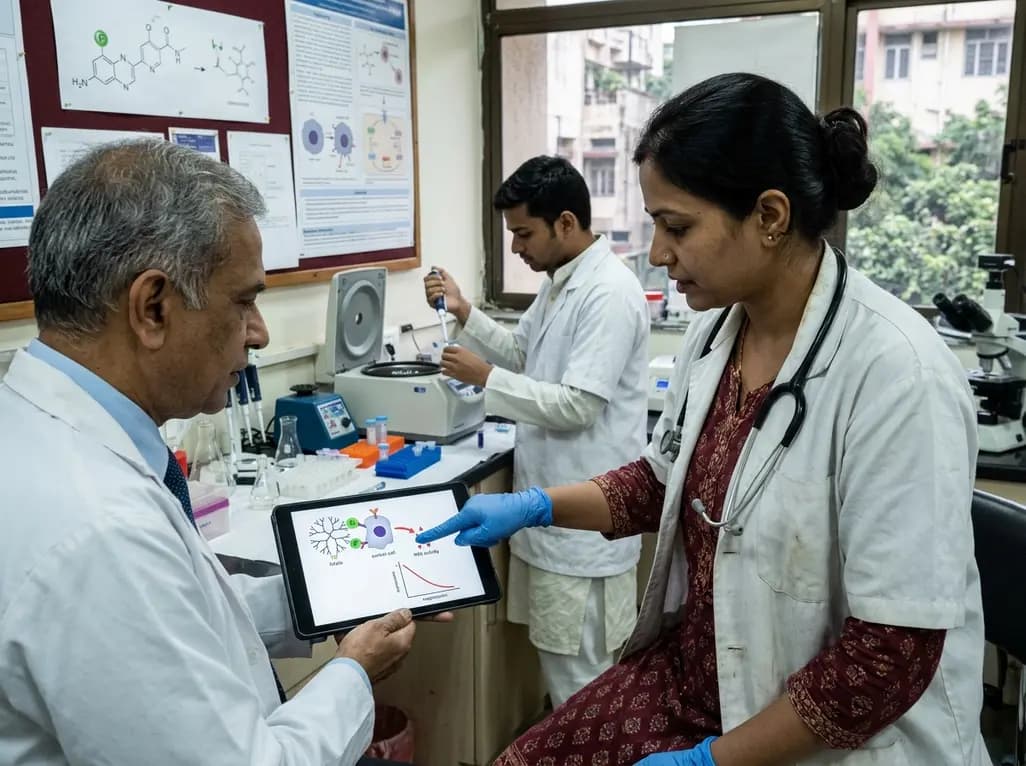
A novel folate-conjugated tecto-dendrimer nanoplatform successfully delivers siRNA to achieve targeted HK2 silencing, disrupting ovarian cancer glycolysis and suppressing lactate output.
Today
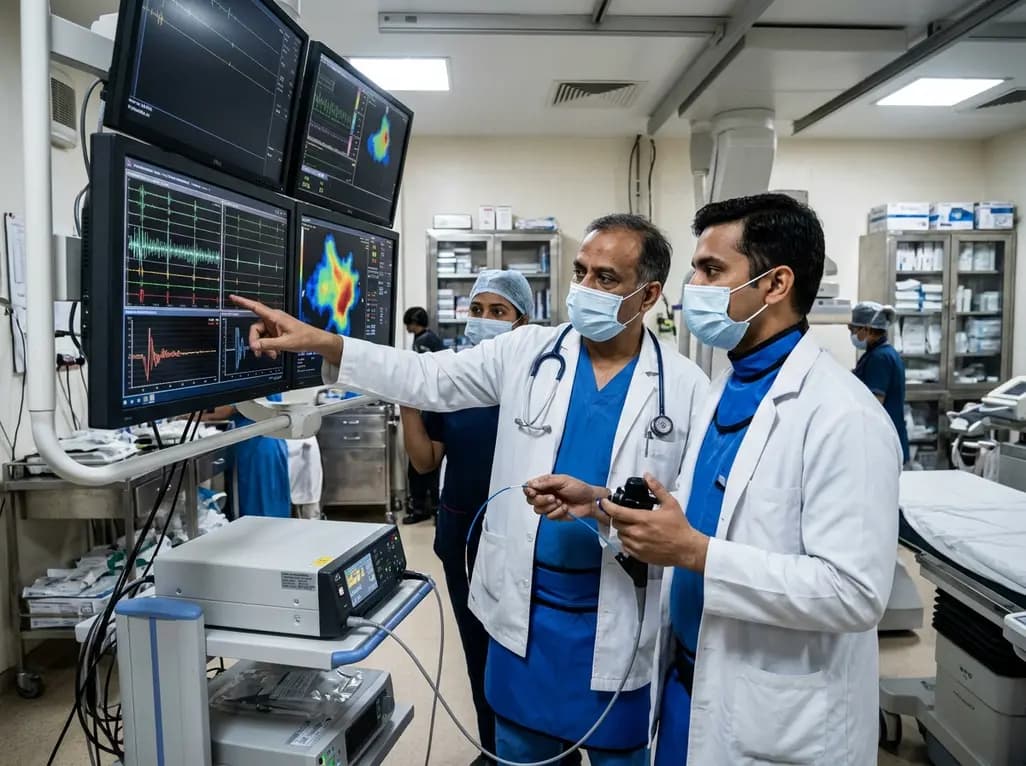
A comparative non-contact study reveals that high-power radiofrequency delivery with the QDOT MICRO catheter induces an artifactual contact force rise. Electrophysiologists must understand this power-dependent thermal and electrical phenomenon to avoid inadvertent catheter withdrawal and ineffective ablation.
Today
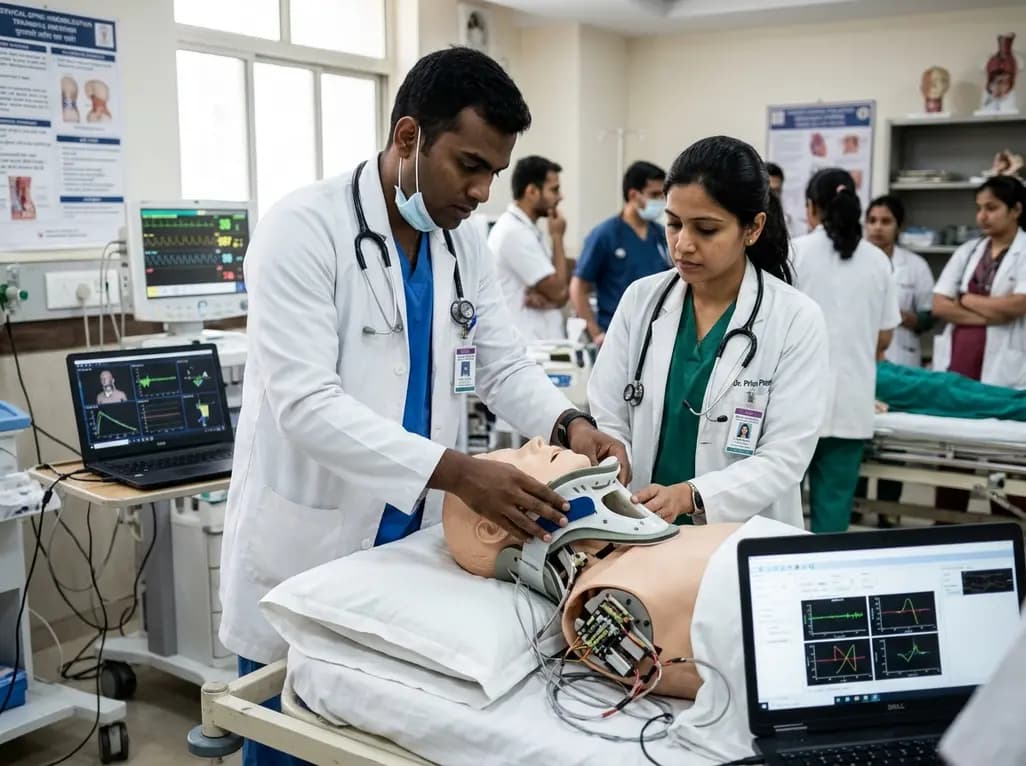
A novel proof-of-concept study presents a six-degree-of-freedom articulated manikin neck equipped with linear potentiometers. The system provides real-time kinematic motion feedback during cervical immobilisation, delivering sub-degree tracking accuracy to improve pre-hospital trauma training and patient safety.
Today

Novel glucose-responsive mPEG-PSA nanocarriers deliver insulin aspart on demand, achieving dual postprandial and basal glycemic control without hypoglycemia in diabetic models. This biomaterial breakthrough offers promising clinical implications for physiologic diabetes management.
Today
