.webp&w=384&q=75)

Loading, please wait...
Loading, please wait...
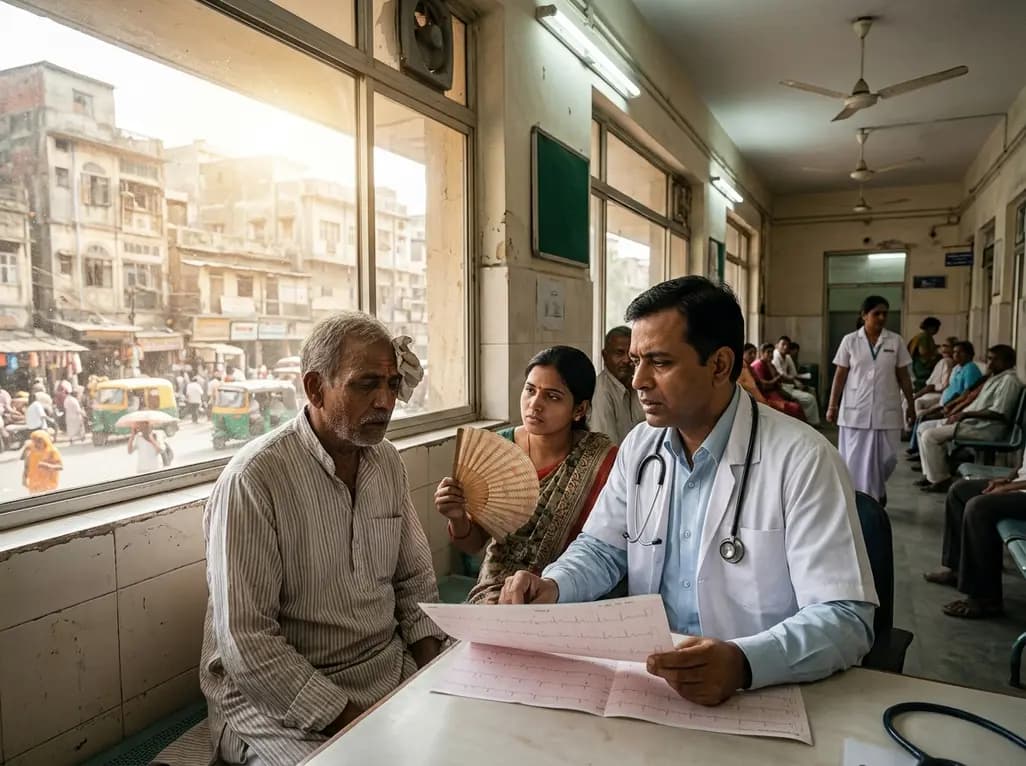
Urban heat exposure cardiovascular risk is a mounting public health threat across South Asia. Recent evidence suggests that rapid urbanization and climate change significantly elevate heart disease prevalence. Consequently, healthcare providers must address the intersection of environmental factors and patient health. This cross-sectional study analyzed data from 1,300 adults living in various urban centers. Researchers specifically investigated how socioeconomic status influences cardiovascular outcomes during extreme heat.
The results demonstrate that prolonged exposure increases the likelihood of heart conditions by 29 percent. Furthermore, heat-related stress in urban environments showed an even stronger association with adverse cardiac health. Specifically, individuals experiencing high urban heat stress faced a nearly fourfold increase in risk. However, these impacts were not uniform across the population. Low-income groups and those with poor housing quality suffered the most significant health burdens. In addition, lower educational attainment correlated with higher vulnerability to heat-induced cardiac events.
Socioeconomic factors play a critical role in determining health outcomes during heatwaves. For instance, limited access to cooling infrastructure exacerbates the physical strain on the heart. Moreover, poor ventilation in low-quality housing prevents the body from recovering from daytime heat. The study suggests that public health policies must integrate environmental data with socioeconomic planning. Therefore, clinicians should consider environmental exposure as a key social determinant of health. By doing so, they can better identify high-risk patients who require targeted interventions during peak summer months.
In summary, the study confirms that urban heat exposure is a major driver of cardiovascular disparities in South Asia. Future policies should focus on improving urban green spaces and housing standards for vulnerable communities. Furthermore, medical education should highlight the physiological stress caused by rising ambient temperatures.
Extreme heat forces the heart to pump harder to cool the body. This extra strain can trigger cardiac events, especially in patients with existing heart conditions.
Low-income individuals, residents with poor housing quality, and those with limited education face the highest urban heat exposure cardiovascular risk.
Improving urban cooling centers, increasing green cover, and implementing heat-health action plans can significantly reduce the burden of heart disease.
Disclaimer: This content is for informational and educational purposes only and does not constitute medical advice or a professional relationship. Refer to the latest local and national guidelines for clinical practice.
References
Hassan MM et al. Heart disease and urban heat exposure in South Asian urban populations: Socioeconomic disparities and health policy prospective. Heart Lung. 2026 Jun 04. doi: undefined. PMID: 42241742.
World Health Organization. Heat and health. Published April 28, 2026. https://www.who.int/news-room/fact-sheets/detail/climate-change-heat-and-health
World Bank Blogs. Sizzling Cities: Planning for urban heat resilience in South Asia. Published May 03, 2023. https://blogs.worldbank.org/en/southasia/sizzling-cities-planning-urban-heat-resilience-south-asia

Read summarized clinical updates, watch expert medical content, and earn CME certifications right from your smartphone.
Open your smartphone camera to scan and install.





A cross-sectional study in South Asia links prolonged urban heat exposure to higher cardiovascular risk, highlighting severe socioeconomic disparities....
3 months ago
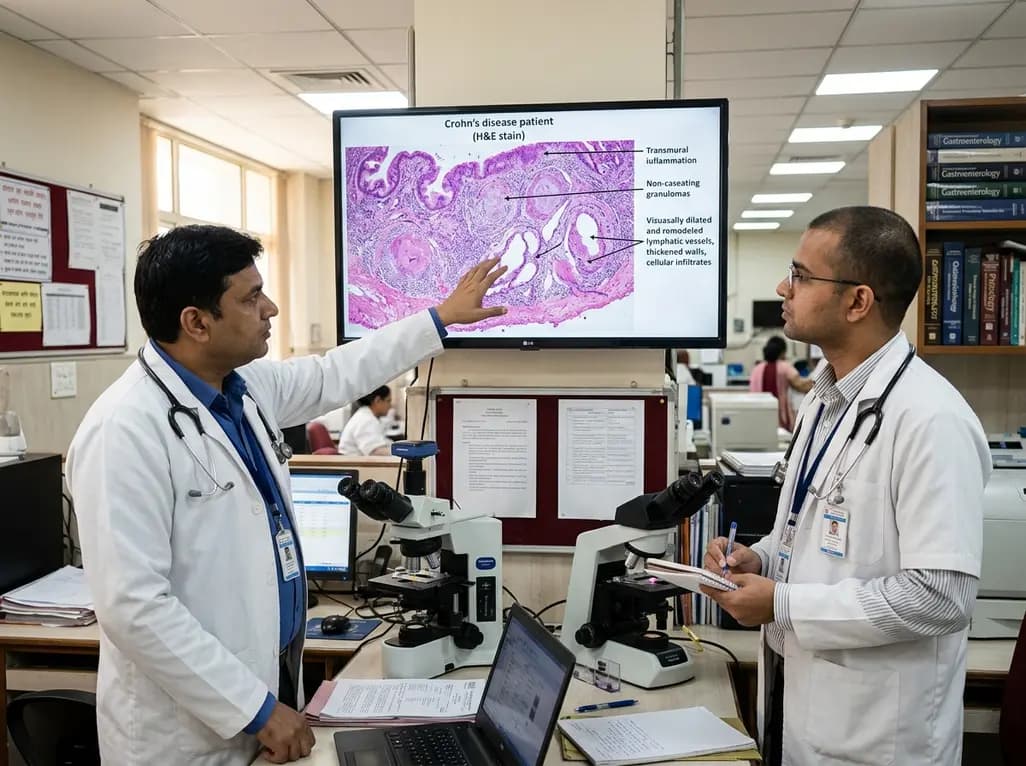
Intestinal lymphatic dysfunction is re-emerging as a fundamental driver of Crohn's disease pathogenesis. Explore how structural remodeling, lymphangitis, and defective clearance shape transmural inflammation and offer novel therapeutic targets.
Today

A school-based intervention using the Health Action Process Approach (HAPA) significantly enhanced adolescents' perceived benefits of consulting healthcare providers and promoted proactive menstrual health behaviors, offering key clinical insights for managing adolescent dysmenorrhea and endometriosis.
Today

A comprehensive analysis of the Translational Maturity Framework for nanomedicine-device combination products, evaluating regulatory complexity, manufacturing hurdles, and clinical readiness across oncology, cardiology, and orthopedics.
Today
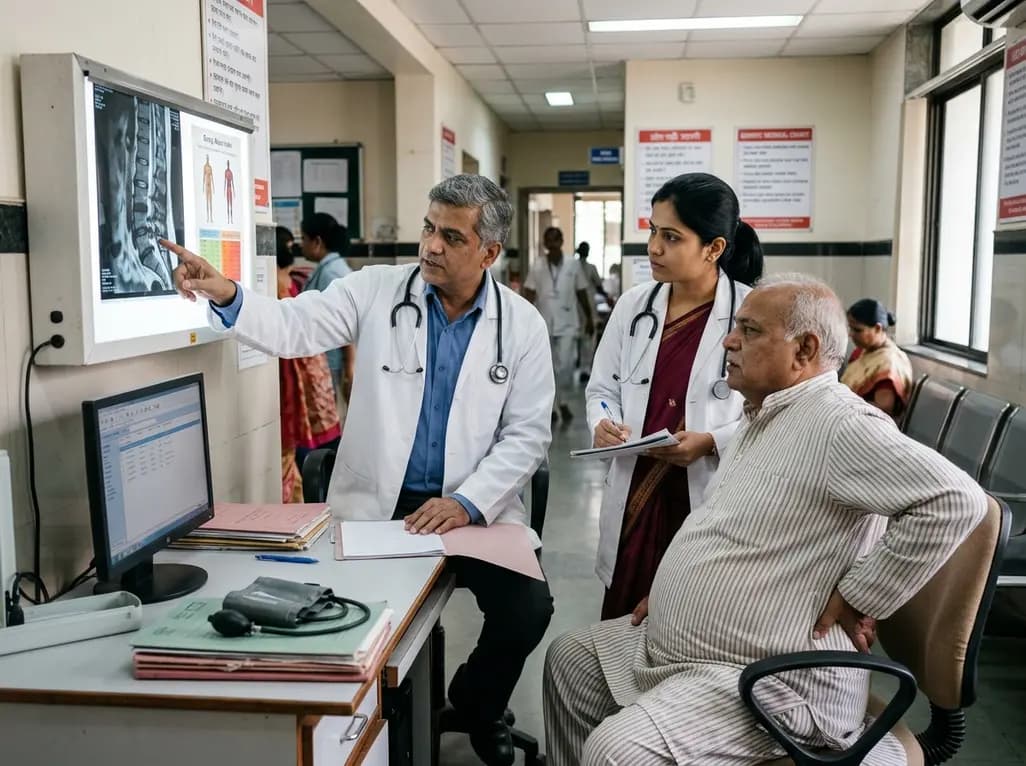
A cross-sectional study reveals that sarcopenic obesity independently increases functional impairment and severe disc degeneration in patients with degenerative lumbar spinal stenosis, highlighting the need for body composition assessment.
Today
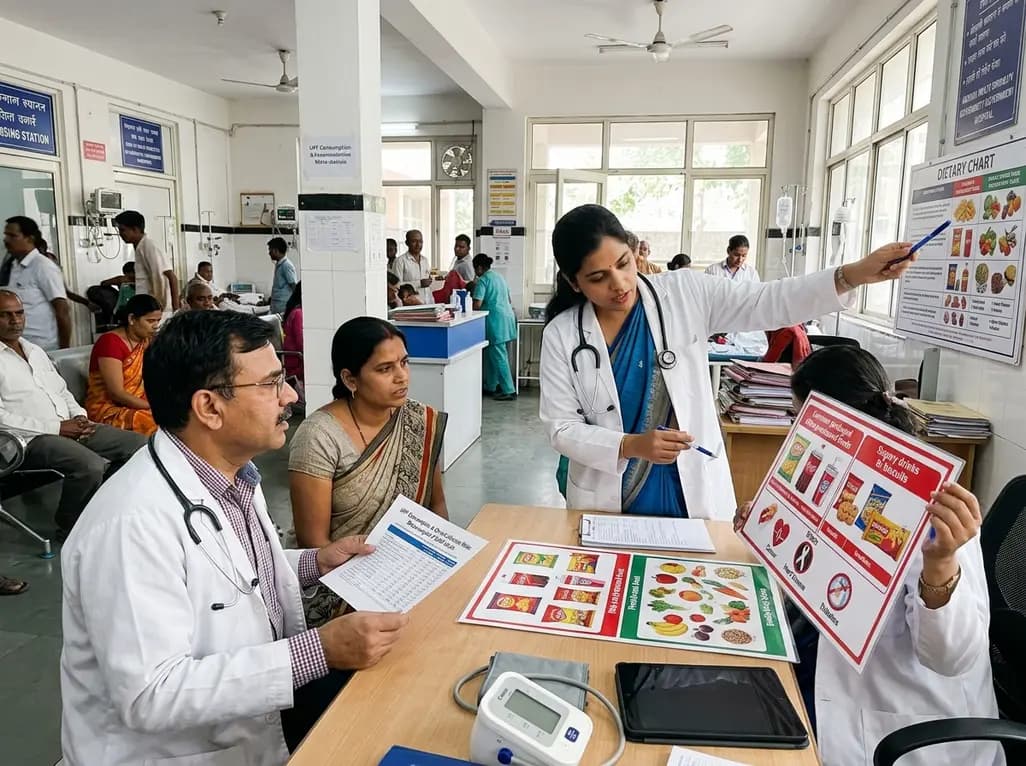
A landmark dose-response meta-analysis of 8.8 million adults reveals that high ultra-processed food intake significantly elevates risks for cardiovascular disease, cancer, diabetes, depression, and all-cause mortality, highlighting urgent needs for clinical lifestyle interventions.
Today
